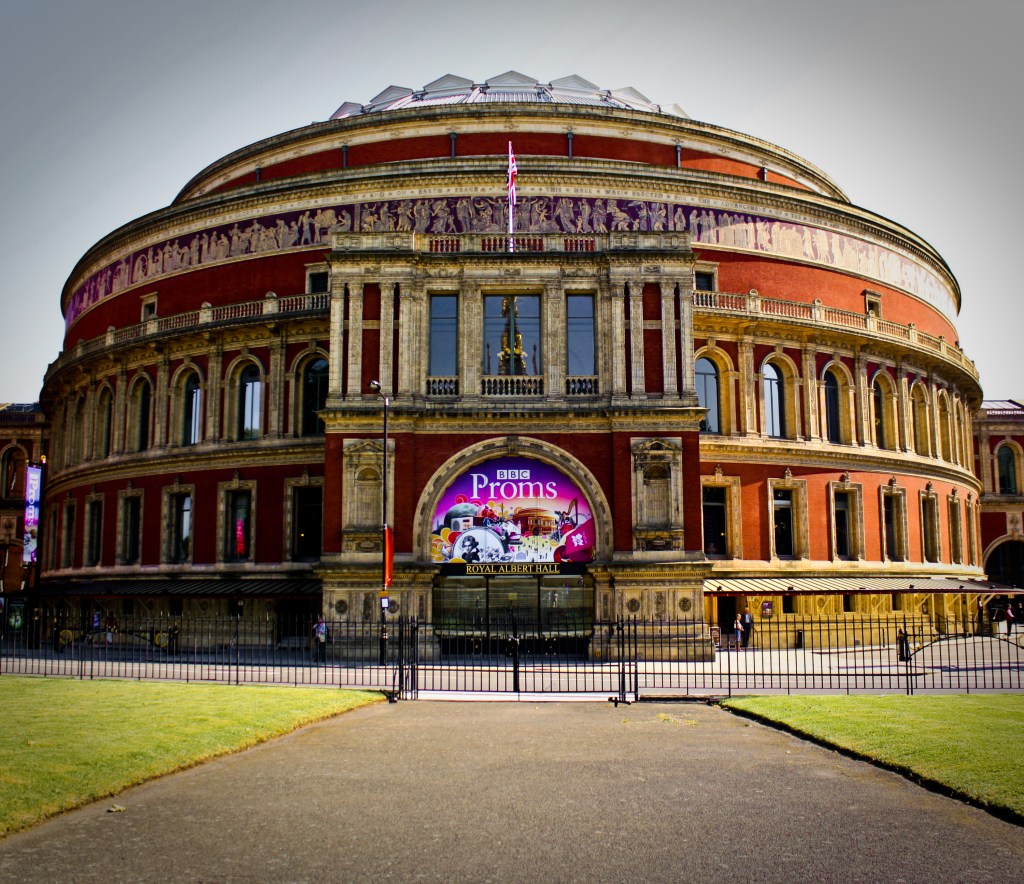
HOTELS: L’ Fisher Hotel: A Luxurious Haven in Bacolod

Nestled in the heart of Bacolod City, Philippines, L’ Fisher Hotel stands as a beacon of elegance and hospitality, offering a luxurious haven for both tourists and business travelers alike. With its rich history, world-class amenities, and warm Filipino hospitality, this iconic hotel has become synonymous with comfort and excellence.

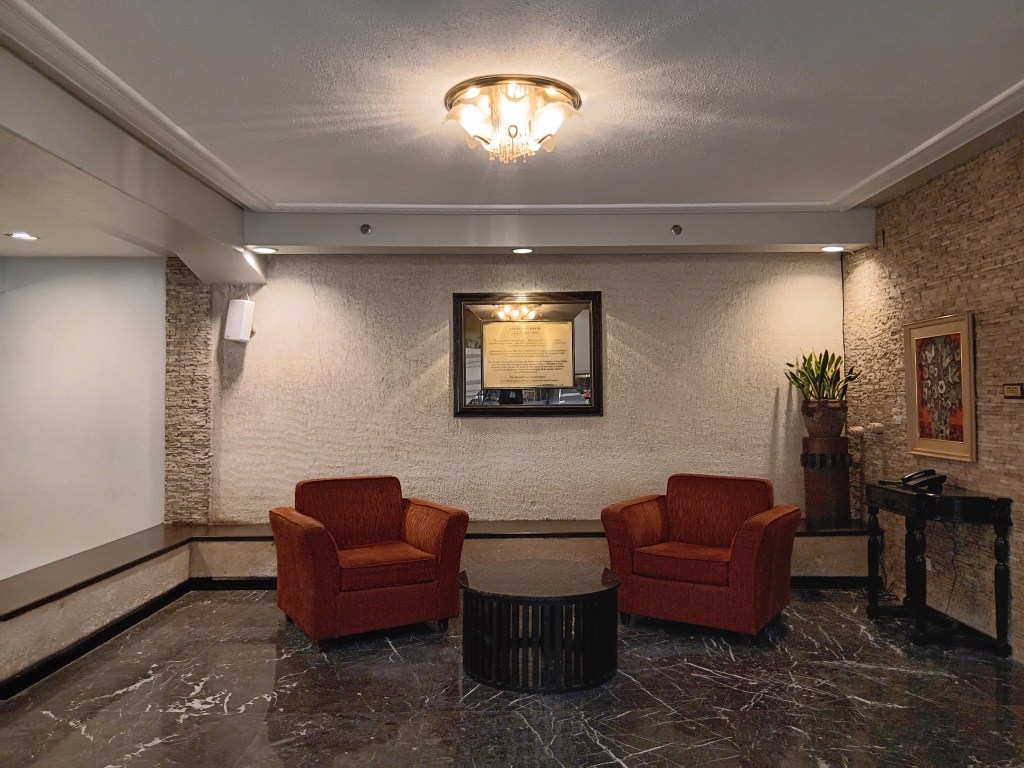
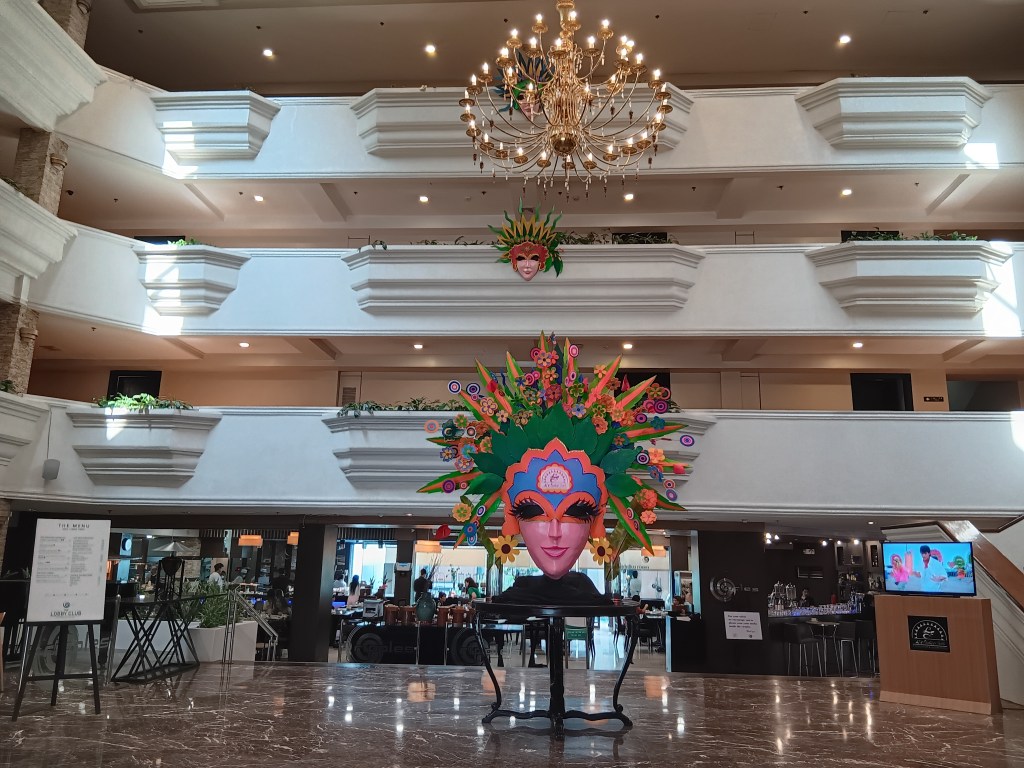
L’ Fisher Hotel’s history dates back to the early 1970s when it was founded by the Fisher family. Over the years, it has undergone several renovations and expansions, evolving into a modern masterpiece while preserving its classic charm. Today, the hotel boasts a stunning façade and a lobby adorned with art pieces that reflect the region’s culture and heritage.

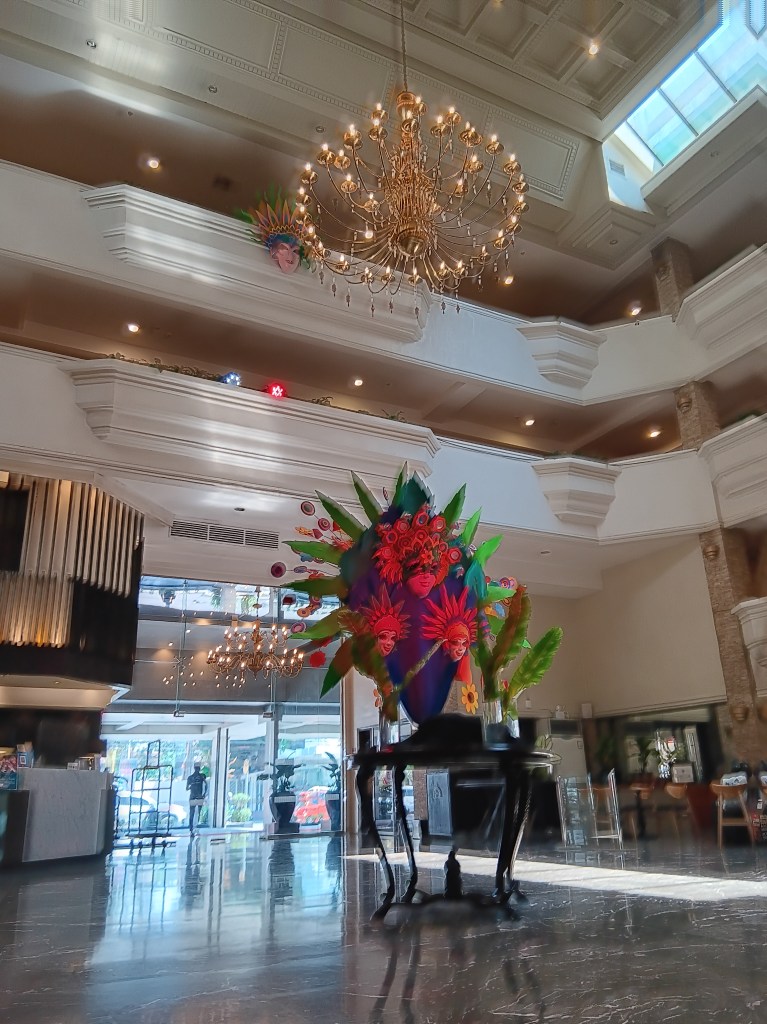
Accommodations at L’ Fisher Hotel cater to a diverse range of guests. From the spacious and well-appointed guest rooms to the lavish suites, each offers a blend of comfort and style. The meticulous attention to detail, coupled with modern amenities, ensures a pleasurable stay for every guest.
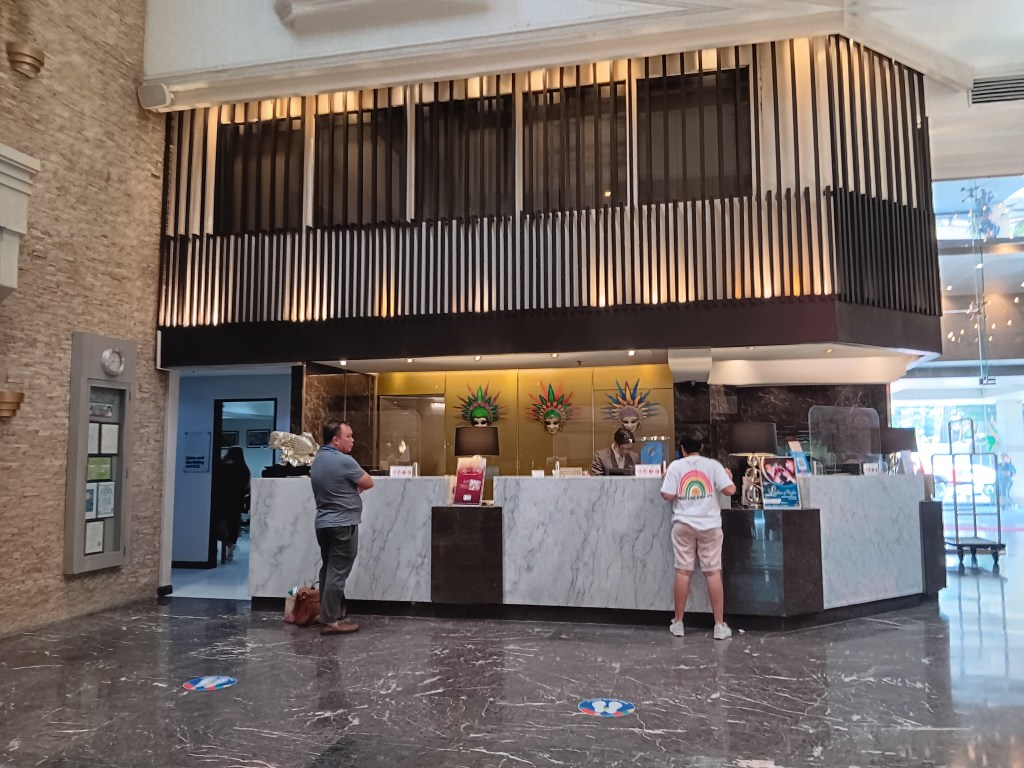
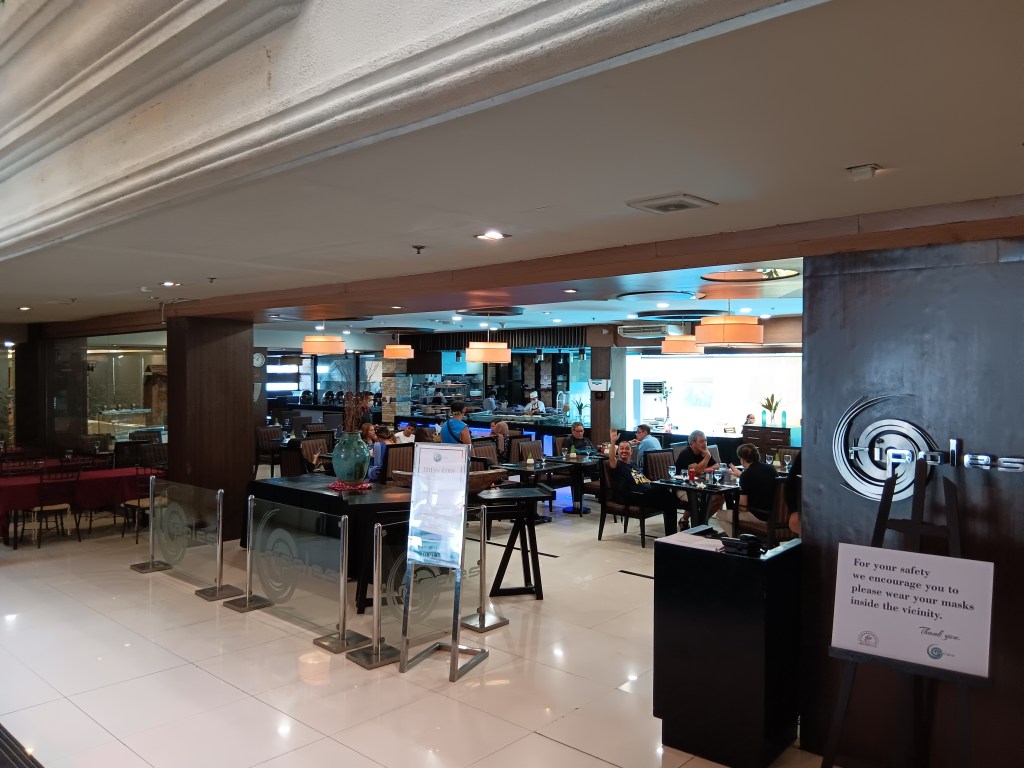
For those seeking culinary delights, L’ Fisher Hotel is a gastronomic paradise. The hotel is home to a variety of dining options, including the Ripples Restaurant, which specializes in local and international cuisine. The enthralling blend of flavors, meticulously prepared by the hotel’s culinary experts, will leave your taste buds delighted.

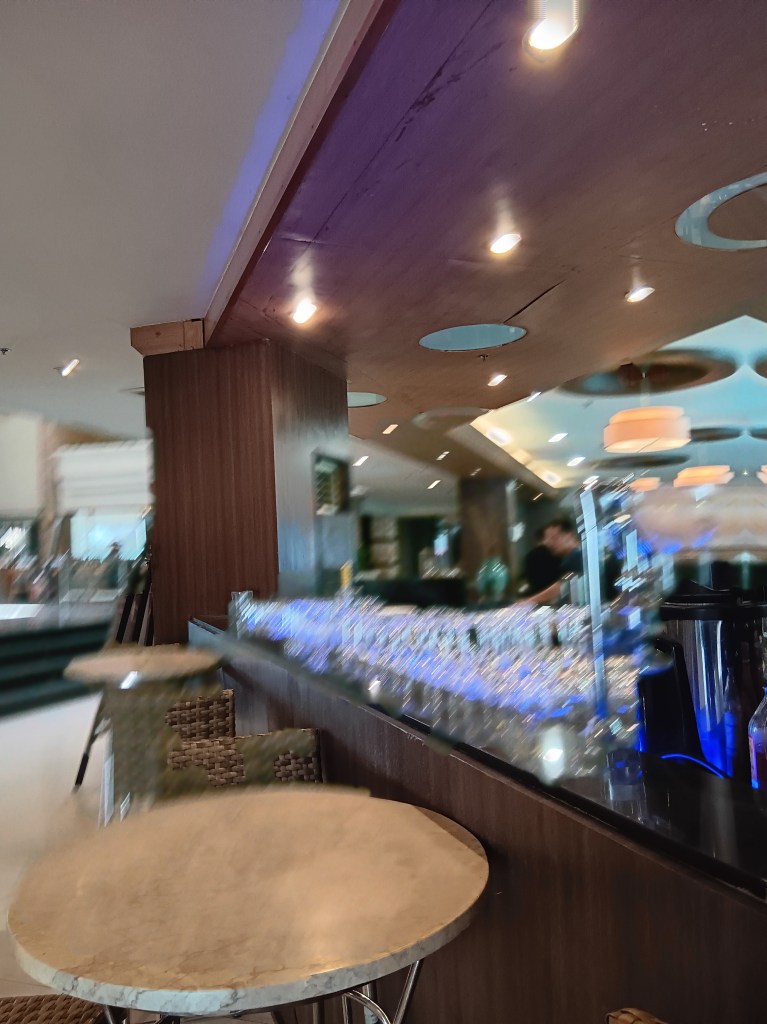
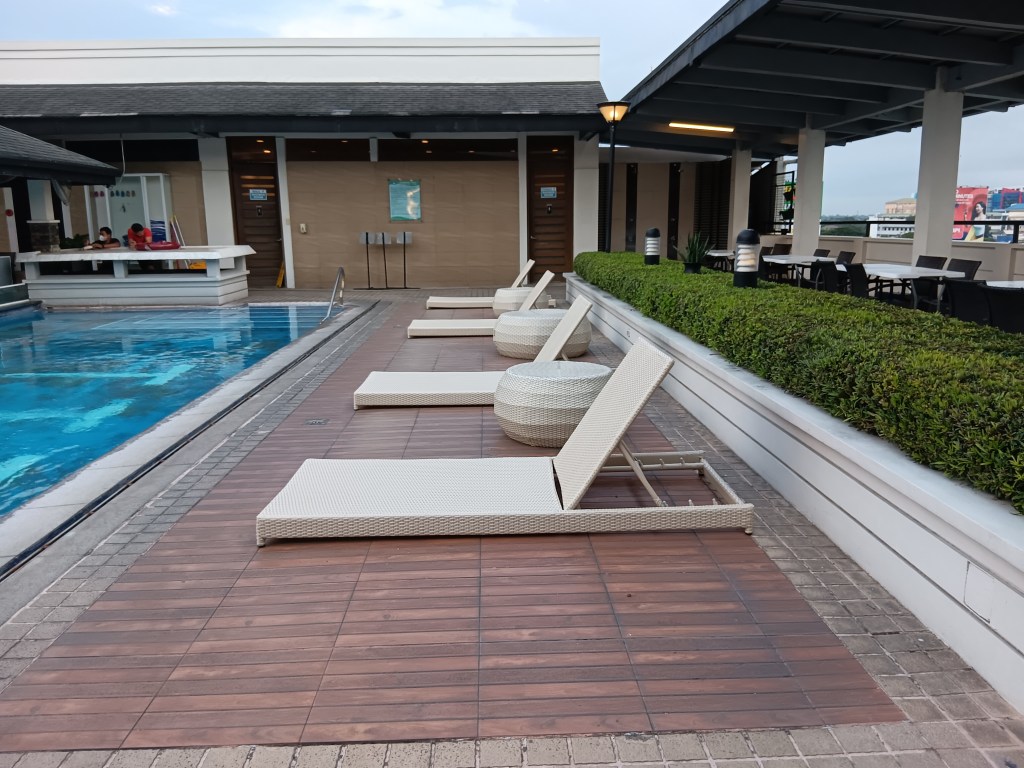
To unwind and relax, guests can take advantage of the hotel’s recreational facilities. The swimming pool offers a refreshing retreat from the tropical heat, while the fitness center allows guests to maintain their workout routines. For a more tranquil experience, the spa offers an array of rejuvenating treatments.


Business travelers will find L’ Fisher Hotel to be a suitable choice, with its well-equipped meeting and conference facilities. The hotel provides an ideal venue for corporate events, seminars, and conferences, complete with state-of-the-art technology and professional services.


L’ Fisher Hotel’s commitment to hospitality extends beyond its walls. The hotel actively engages in sustainable practices, promoting environmental responsibility. This dedication to sustainability aligns with the beauty of the Bacolod region, known for its lush landscapes and eco-friendly initiatives

L’ Fisher Hotel in Bacolod City is a testament to luxury, comfort, and Filipino hospitality. Its rich history, modern amenities, and commitment to excellence make it a top choice for travelers seeking a memorable stay. Whether you’re exploring the vibrant culture of Bacolod or conducting business in the city, L’ Fisher Hotel offers a haven of sophistication and relaxation. A stay here promises not only a luxurious experience but also a deep appreciation for the beauty of Bacolod.

L’FISHER HOTEL

http://www.lfisherhotelbacolod.com/
Email: lfisherhotel@yahoo.com
Website: http://www.lfisherhotelbacolod.com/
Contact Numbers: (034) 433-3731 to 39
Business Address 14th Lacson St., Bacolod Cityhttps://www.facebook.com/LFisherHotel
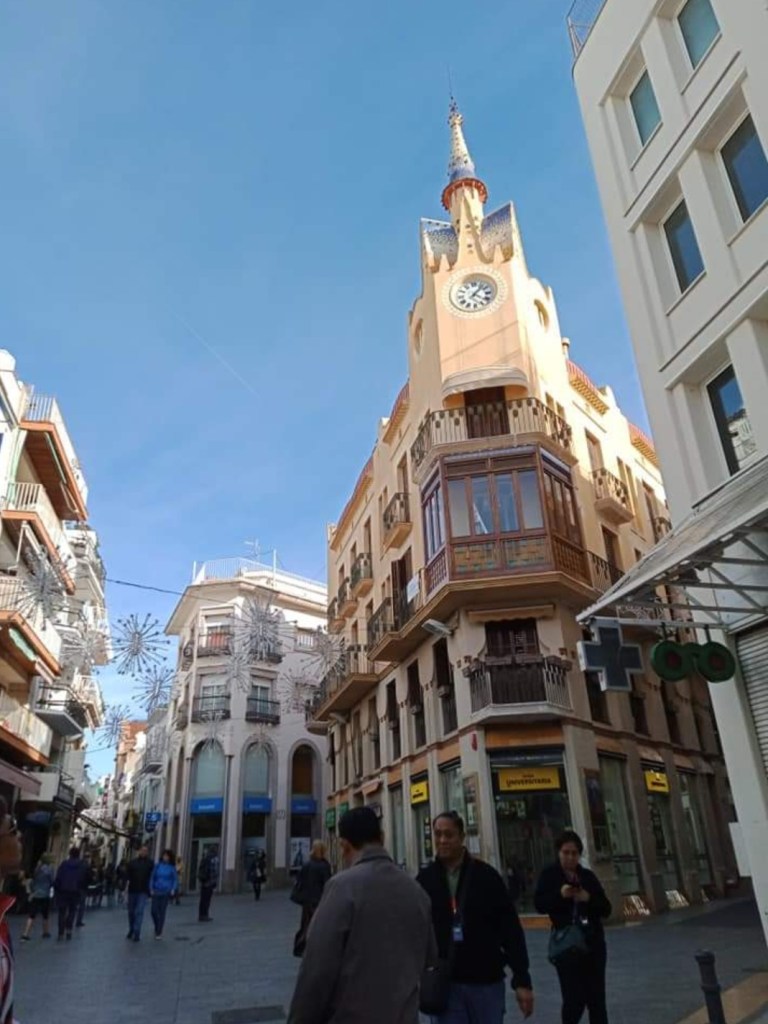

PLACES: Sitges: A Historical Perspective: BARCELONA, SPAIN

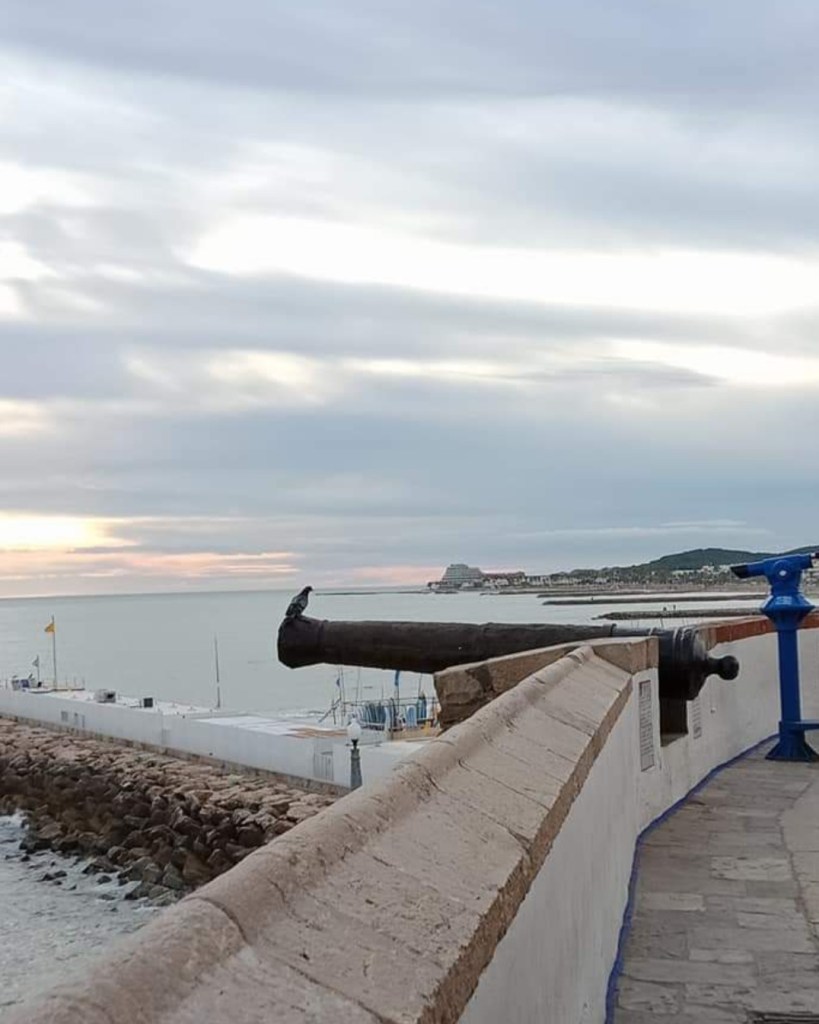
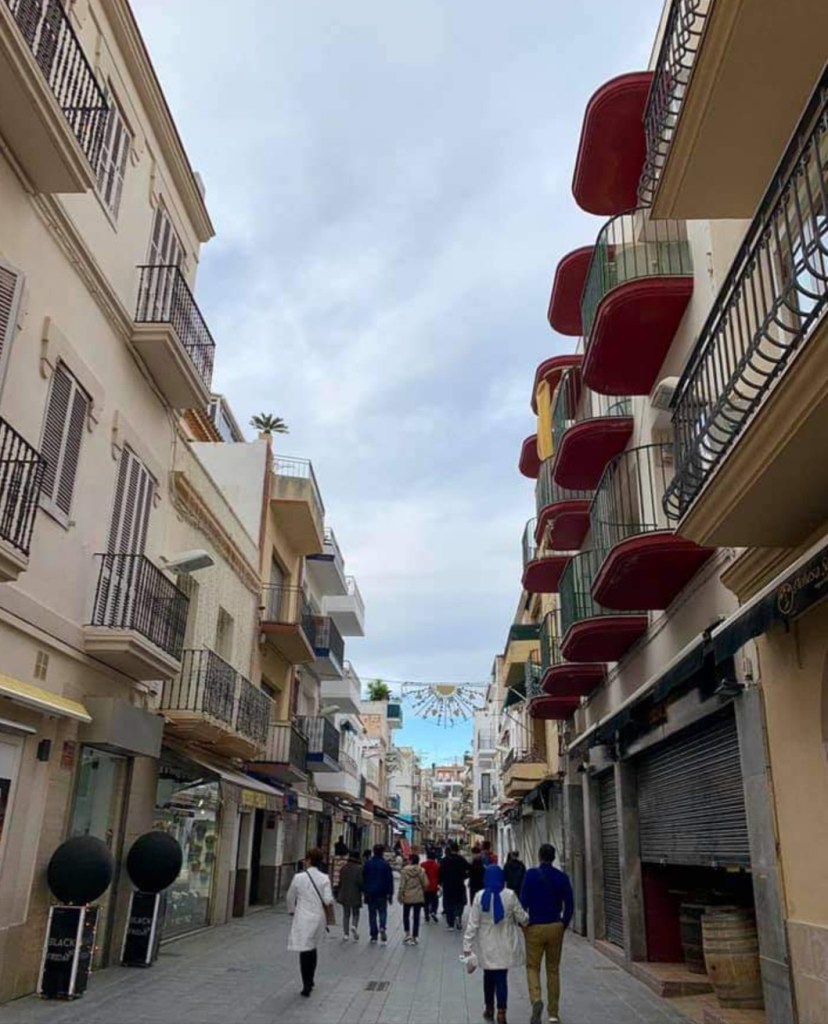
Sitges, a picturesque coastal town nestled along the shores of the Mediterranean Sea, boasts a rich and storied history that spans millennia. Located in Catalonia, Spain, this charming town has evolved from a humble fishing village into a vibrant and cosmopolitan destination known for its art, culture, and vibrant atmosphere. The history of Sitges is a captivating narrative that reflects the broader historical currents of the region.

The earliest traces of human settlement in the area date back to the Neolithic period, with evidence of ancient Iberian and Roman presence. The name “Sitges” itself is believed to have originated from the Roman term “Sitja,” meaning wheat storage or granary. The Romans established a villa here, taking advantage of the fertile land and the strategic location on the Via Augusta, a Roman road connecting the Iberian Peninsula with the rest of the Roman Empire.

In the early Middle Ages, Sitges was part of the medieval County of Barcelona and played a role in the Christian Reconquista, as it changed hands between Moors and Christians. By the 12th century, the town had grown and developed into a prosperous farming and fishing community.

The 19th century marked a turning point in Sitges’ history when it became a popular destination for Catalan and European artists and intellectuals. The town’s beautiful landscapes and Mediterranean charm inspired painters like Santiago Rusiñol and writers like Charles Deering and Ramon Casas. This influx of creative minds contributed to the emergence of a vibrant cultural scene that still thrives today.

In the 20th century, Sitges saw further transformation as tourism became a dominant economic force. Its sunny beaches and artistic ambiance attracted visitors from around the world, leading to the development of a tourism industry that remains a key driver of the local economy.

One of the most significant events in Sitges’ history is the hosting of the Sitges Film Festival, which began in 1967. This event has become one of the world’s most renowned film festivals, celebrated for its focus on fantasy, horror, and science fiction cinema.

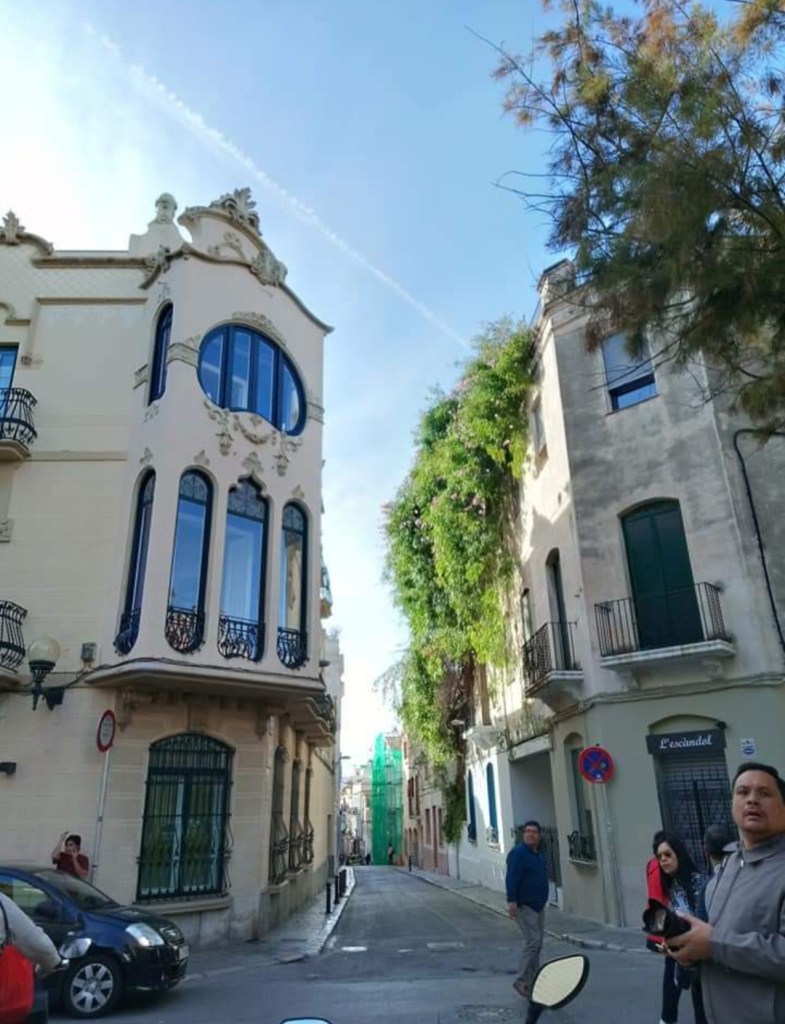
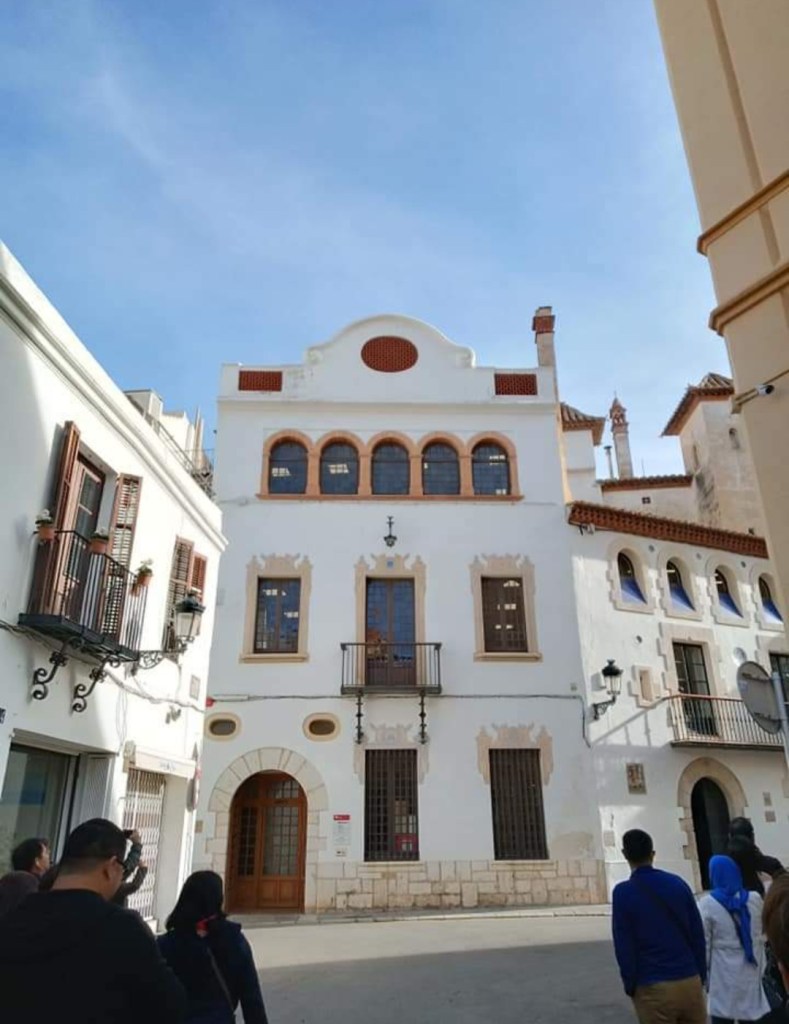
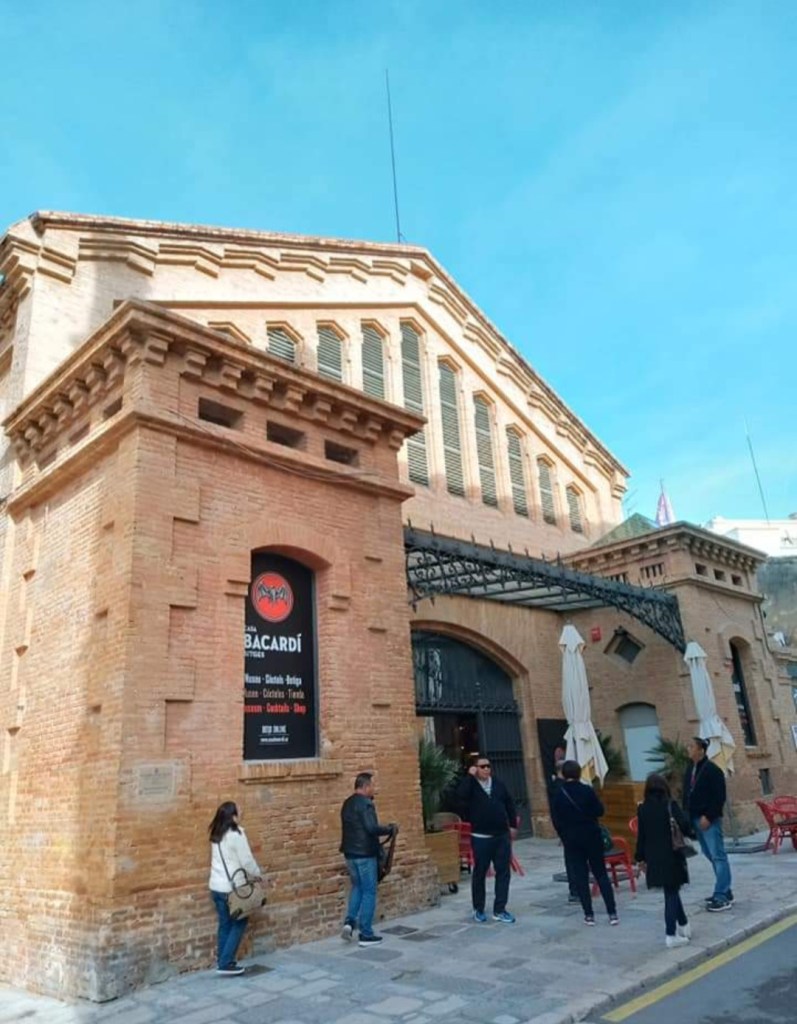
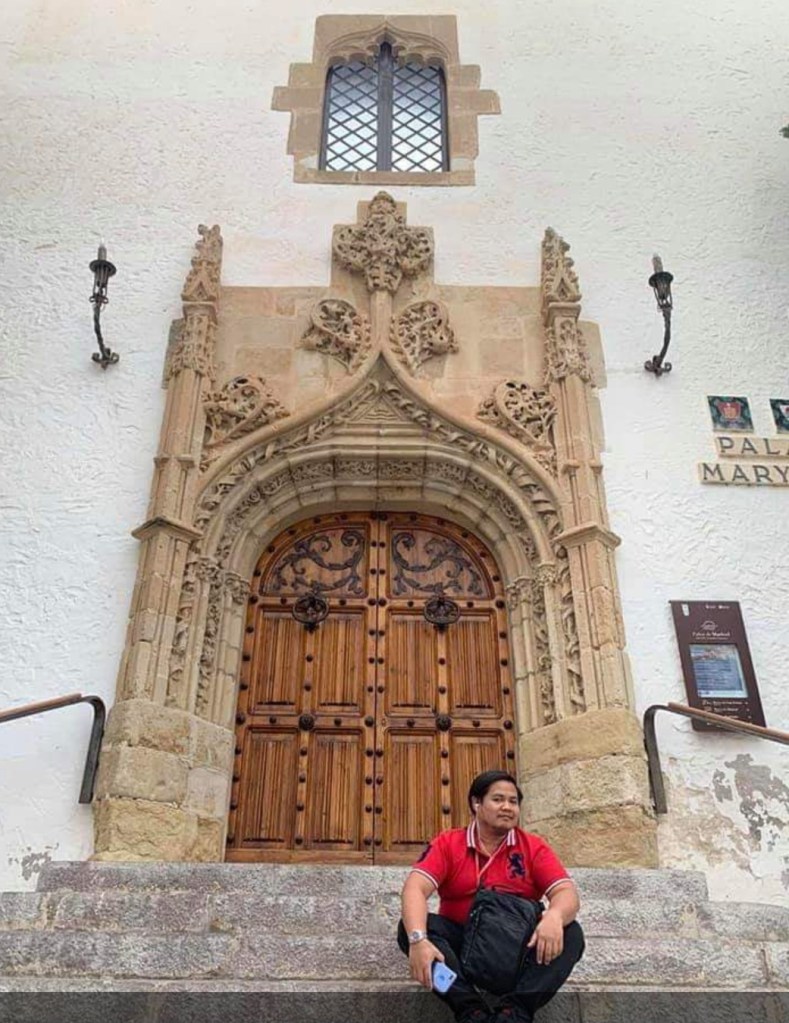
Sitges’ historical architecture is another testament to its rich heritage. The town boasts a blend of architectural styles, including Gothic, Modernist, and Mediterranean influences. Prominent buildings like the⁴ Tecla, Casa Bacardí, and Casa Llopis i Bofill are architectural gems that showcase the town’s aesthetic diversity.

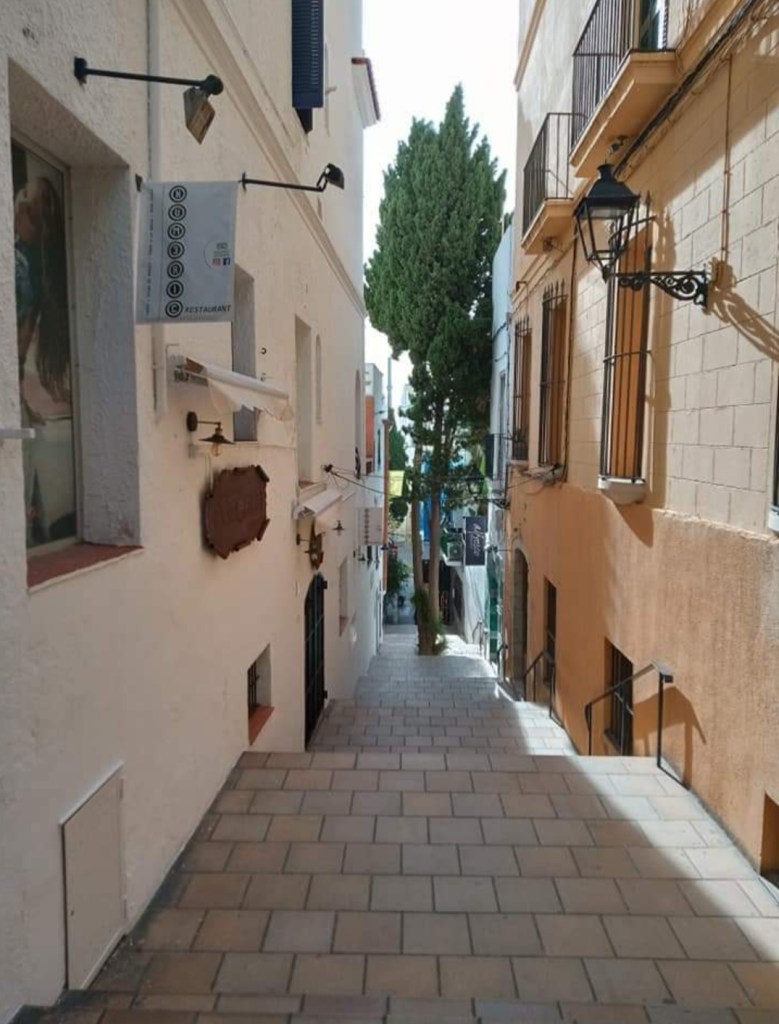
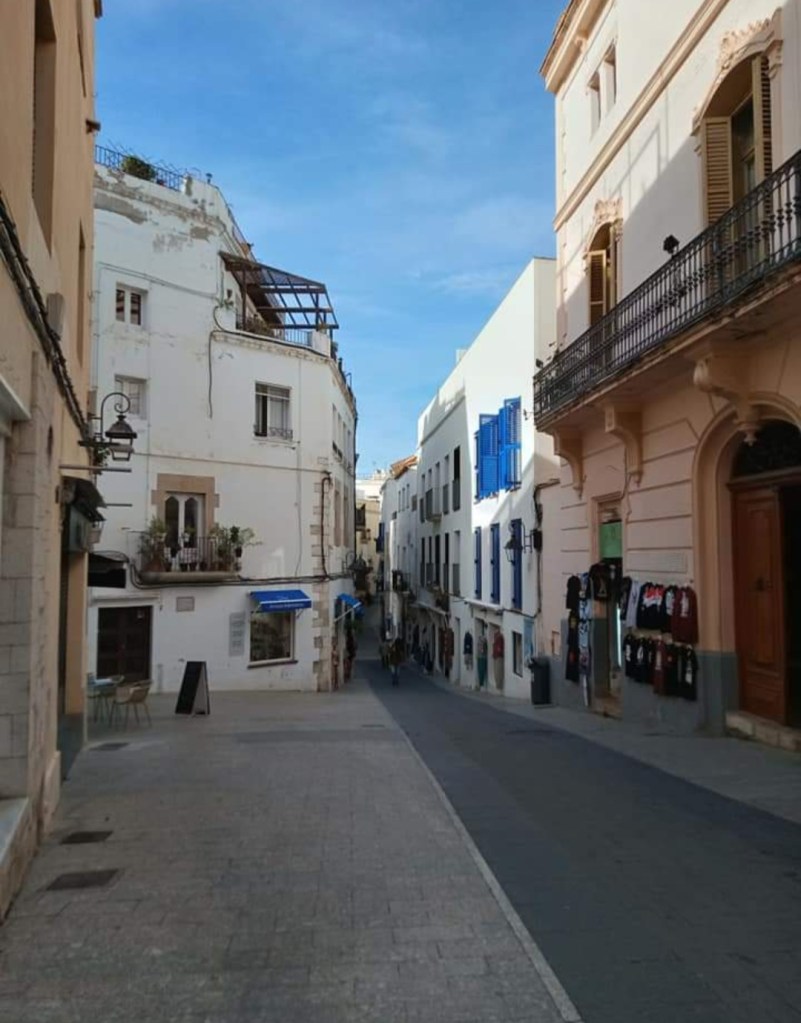
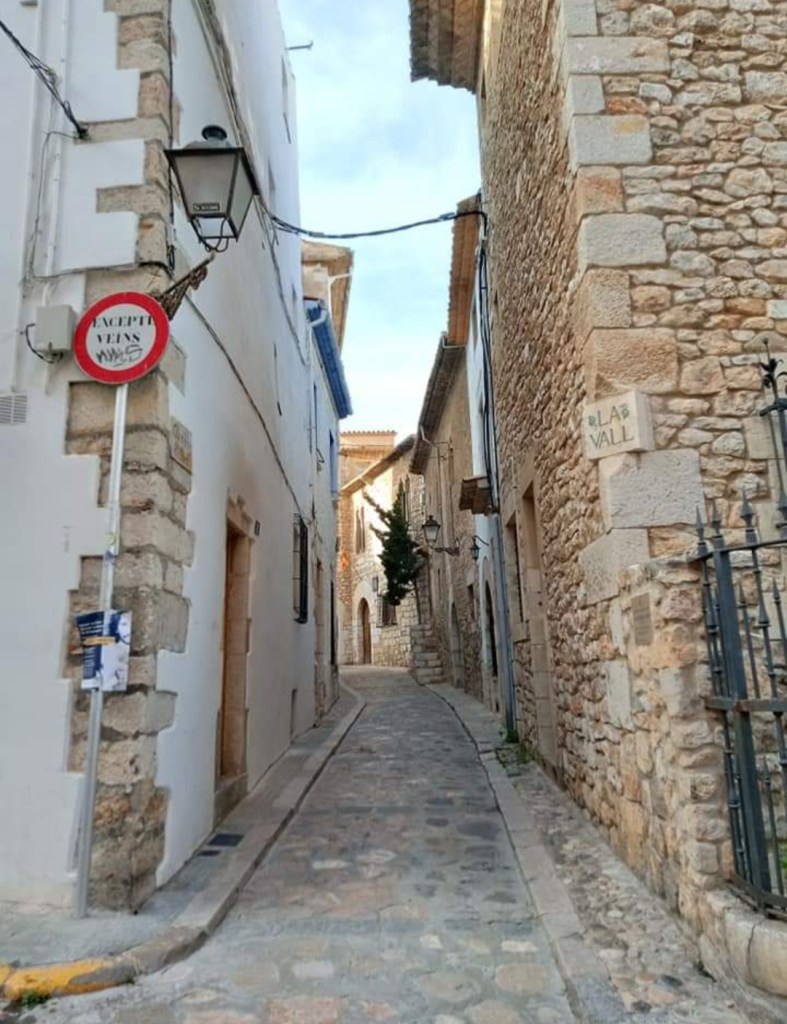
Today, Sitges continues to attract visitors seeking a unique blend of history, culture, and natural beauty. Its narrow streets, vibrant festivals, and a welcoming atmosphere make it a cherished destination on the Catalan coast. As Sitges looks to the future, it does so with a strong connection to its past, ensuring that its rich history remains an integral part of its identity.

PLACES: Sitges: The Jewel of Catalonia’s Coast: BARCELONA, SPAIN

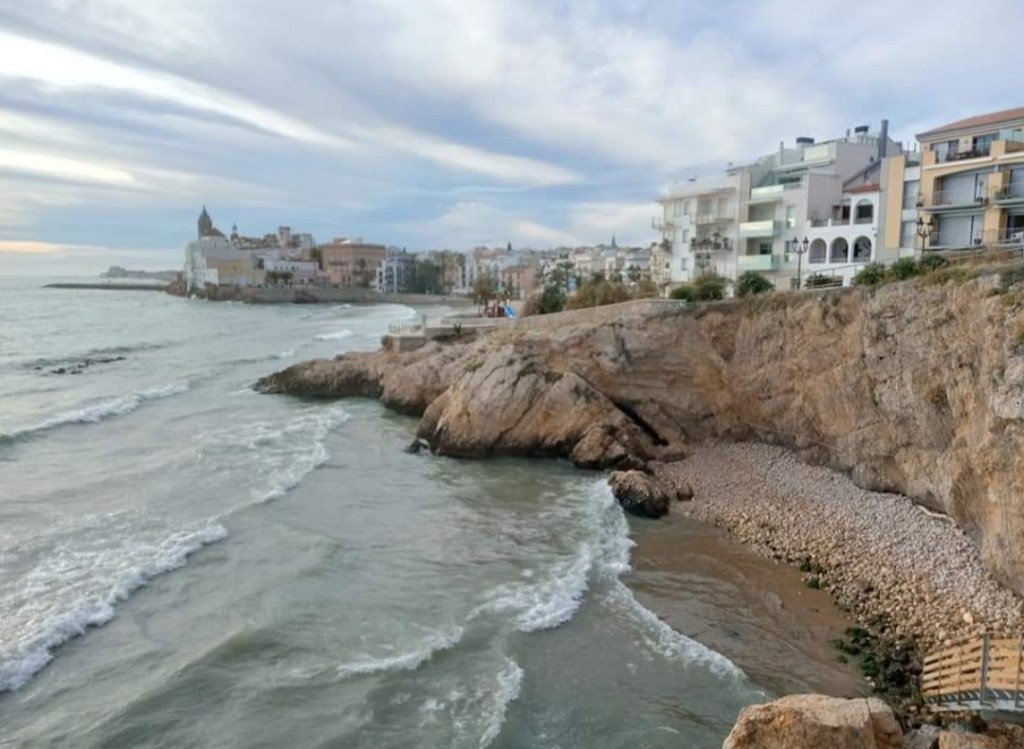
Nestled along the radiant coastline of Catalonia, Spain, lies the enchanting town of Sitges, renowned for its pristine beaches. This coastal gem, situated a mere 35 kilometers from Barcelona, boasts a unique combination of natural beauty, rich culture, and vibrant nightlife. Embark on a journey to explore the alluring beaches of Sitges and their pivotal role in shaping the town’s identity.

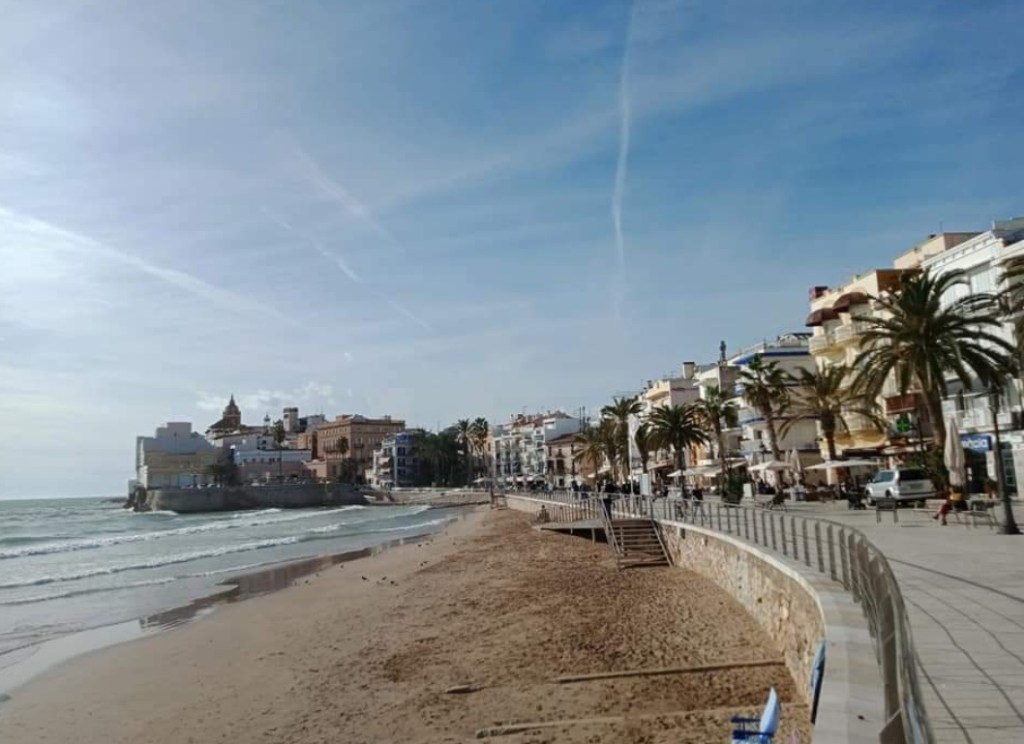
Sitges is graced with a total of 17 distinct beaches, each with its own charm and character, catering to a diverse range of preferences. Among these, the Playa de la Ribera, often referred to as the main beach, stands as a testament to Sitges’ seaside allure. With its golden sands and crystalline waters, it serves as a vibrant hub for sun-seekers and families alike. Lined with bustling promenades hosting an array of bars, restaurants, and shops, Playa de la Ribera exudes a lively atmosphere throughout the day.

For those in pursuit of tranquility and a more intimate setting, the Playa de Balmins offers a serene escape. Tucked away between fragrant pine trees and rocky formations, this beach is notable for its clothing-optional policy, attracting a mix of sunbathers and naturists. Its rustic charm and natural beauty create a peaceful ambiance that stands in delightful contrast to the energetic atmosphere of Playa de la Ribera.

Water sports enthusiasts will find their paradise at Playa de la Fragata. This beach offers excellent opportunities for windsurfing, paddleboarding, and kayaking, making it an ideal destination for adventure seekers. After an active day in the sun and surf, visitors can unwind at the beachside bars while relishing refreshing drinks and coastal views.

One of Sitges’ remarkable features is its commitment to accessibility. Playa de la Ribera, for instance, is thoughtfully equipped with facilities catering to people with disabilities, ensuring that everyone can savor the Mediterranean shores without hindrance.

The beaches of Sitges are not mere patches of sand; they are integral to the town’s cultural and social tapestry. During the summer months, they serve as open-air venues for a variety of events and festivals. Notably, the Sitges Film Festival hosts captivating outdoor screenings directly on the sands, merging cinema and the serene seaside setting in a truly unique experience.

Sitges is not just about its beaches; it boasts a rich historical legacy and a thriving arts scene, evident in the captivating architecture lining the beachfront promenade. Visitors can meander through museums, explore art galleries, and wander down quaint streets, creating a harmonious blend of coastal relaxation and cultural immersion.

The beaches of Sitges, Cataluña, Spain, transcend the ordinary. They are the heart of this captivating coastal town, weaving together natural splendor, cultural vibrancy, and recreational activities into a tapestry of seaside delight. A visit to Sitges is an invitation to immerse oneself in the allure of Catalonia’s coast, where the beauty of the beaches is just the beginning of an unforgettable journey.

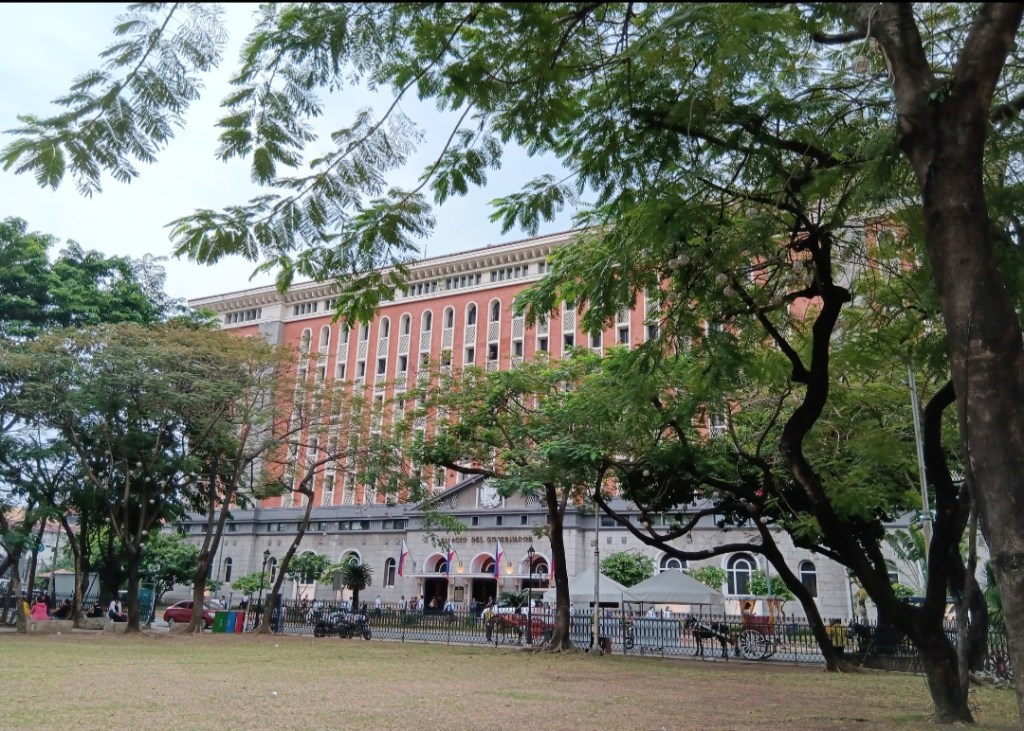
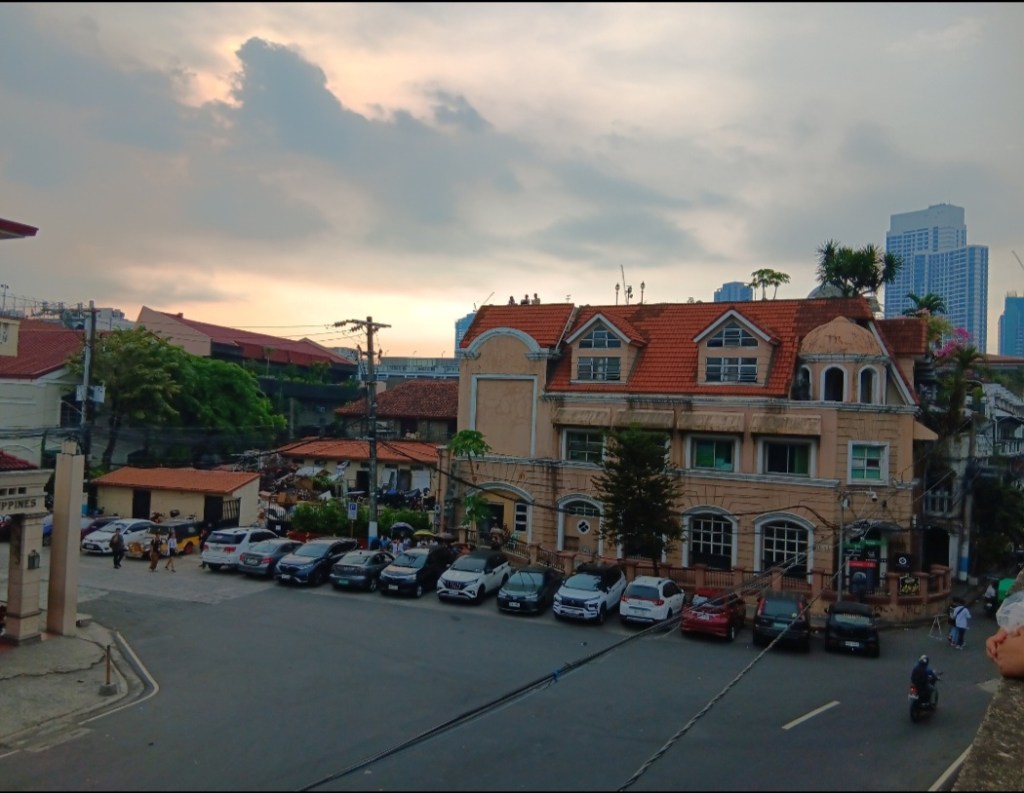
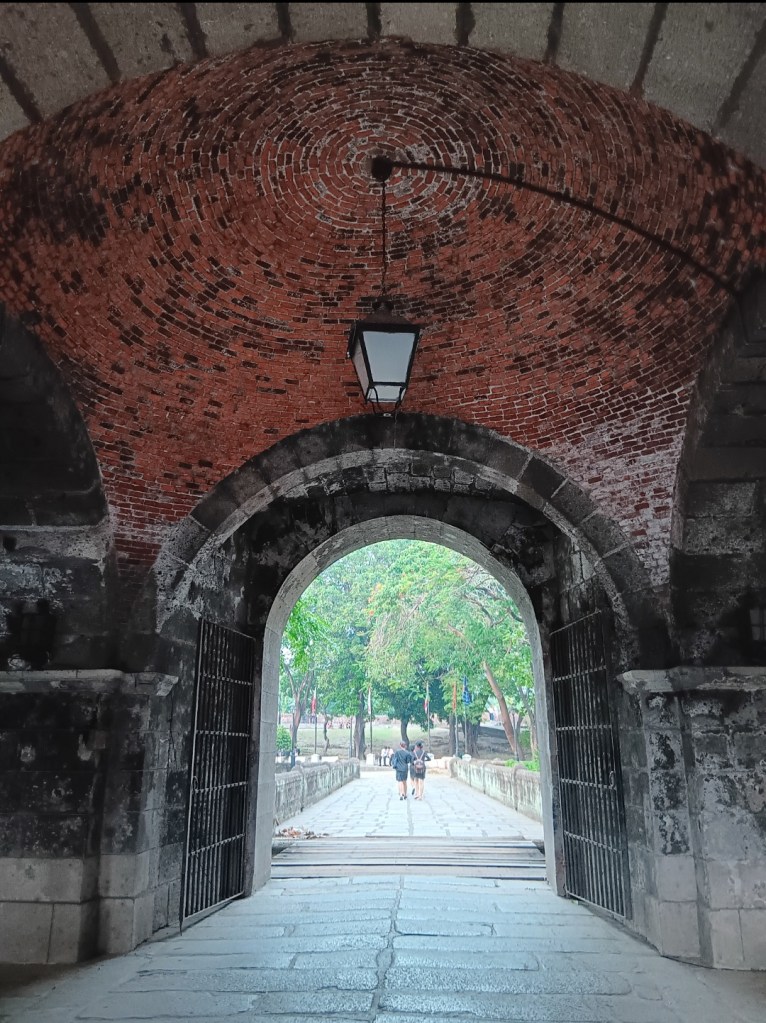
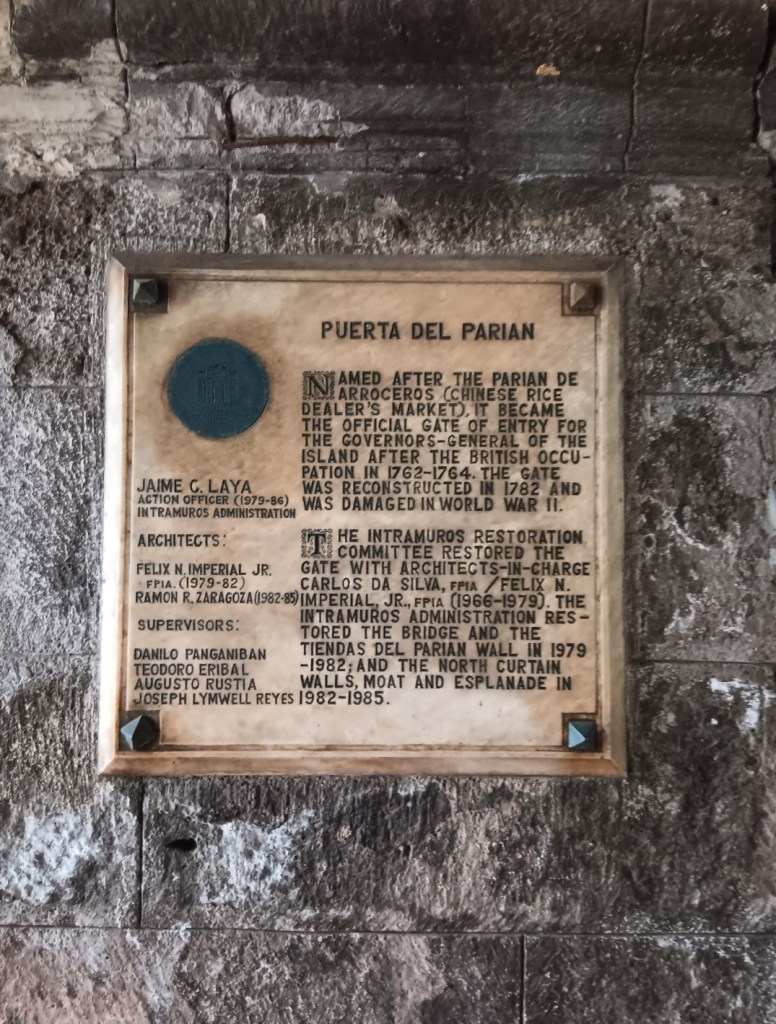
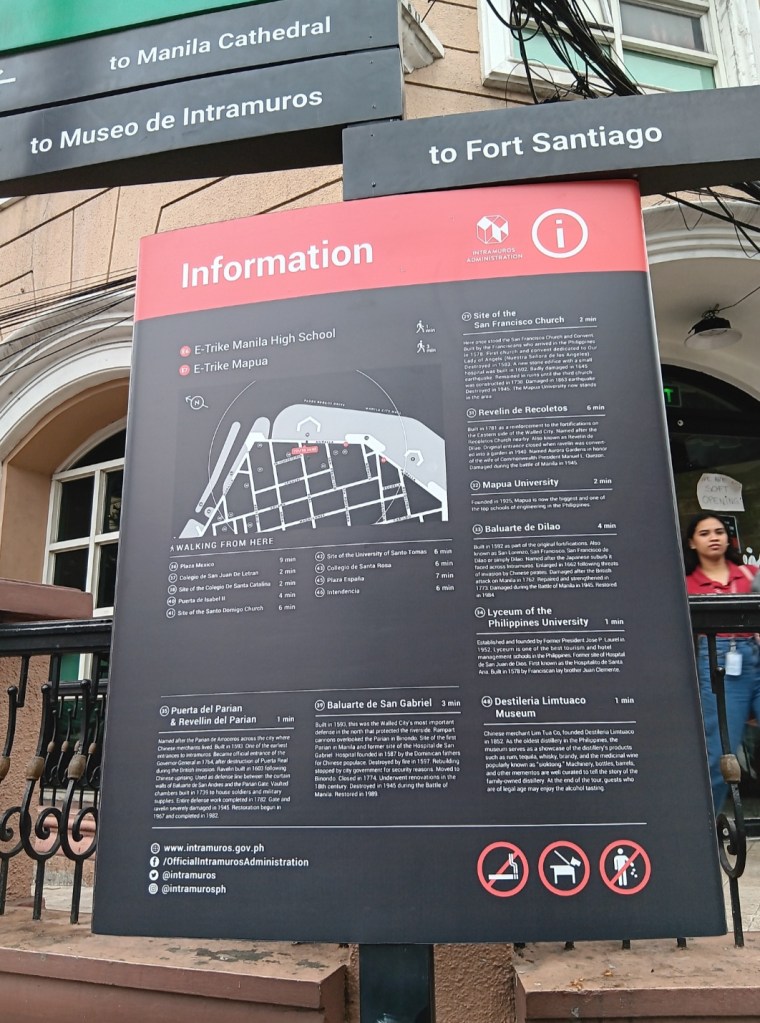
PLACES: Guide to Walking tour at Intramuros: PHILIPPINES

Certainly! Here’s a basic guide for a walking tour of Intramuros, Manila:

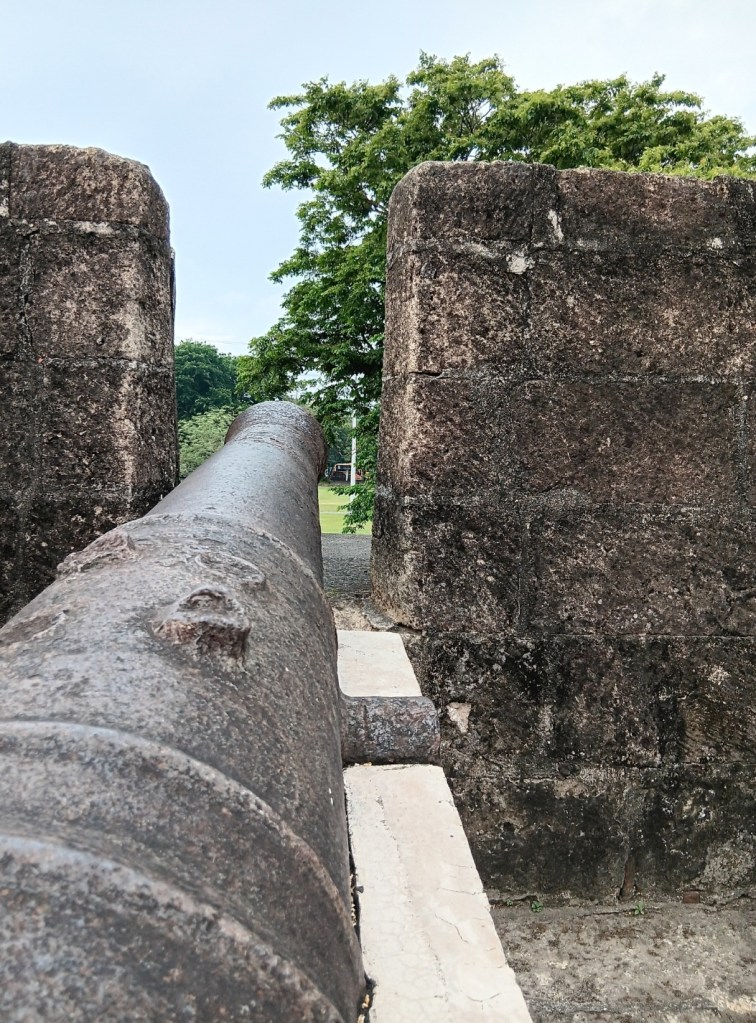
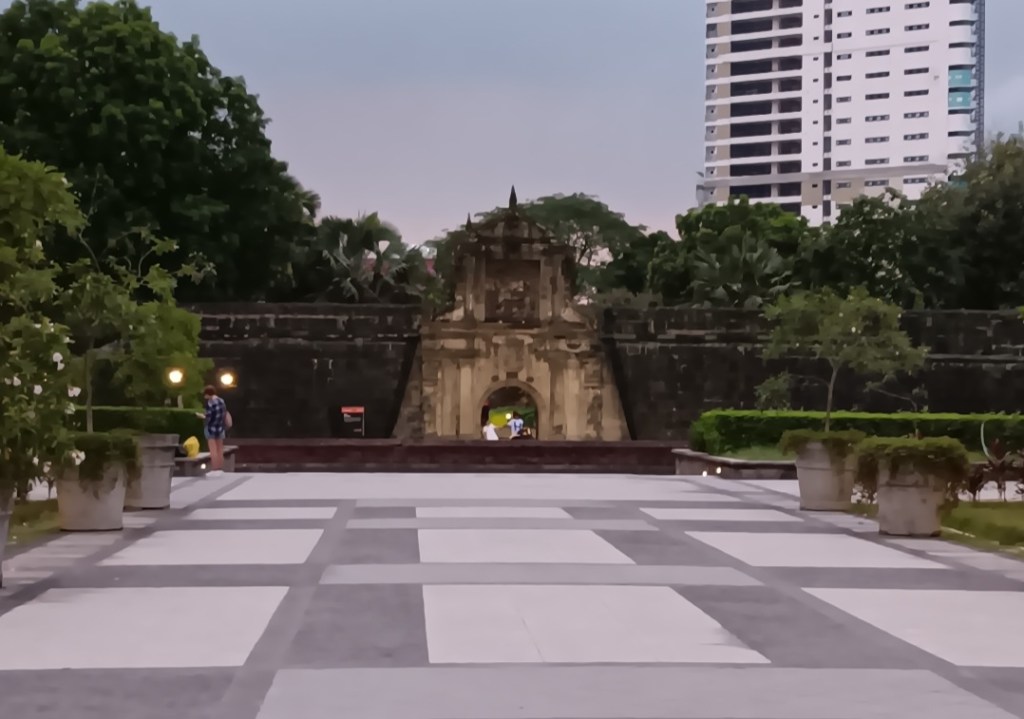
1. Start at Fort Santiago: Begin your tour at Fort Santiago, an iconic historical site. Explore the fort’s dungeons, gardens, and Rizal Shrine, which commemorates the life of Philippine national hero Jose Rizal.


2. Plaza de Armas: Walk to Plaza de Armas, a spacious square, and take in the open area surrounded by historical buildings. You’ll get a sense of the layout of Intramuros.

3. San Agustin Church: Visit San Agustin Church, a UNESCO World Heritage site, known for its stunning architecture and museum. It’s one of the oldest stone churches in the Philippines.

4. Casa Manila:Head to Casa Manila, a colonial-era house that provides insight into the lifestyle of the Spanish elite during the 19th century. The museum features period furniture and decorations.

5. Baluarte de San Diego: Explore Baluarte de San Diego, a well-preserved bastion and garden. It offers great photo opportunities and a glimpse of the fortification’s history.

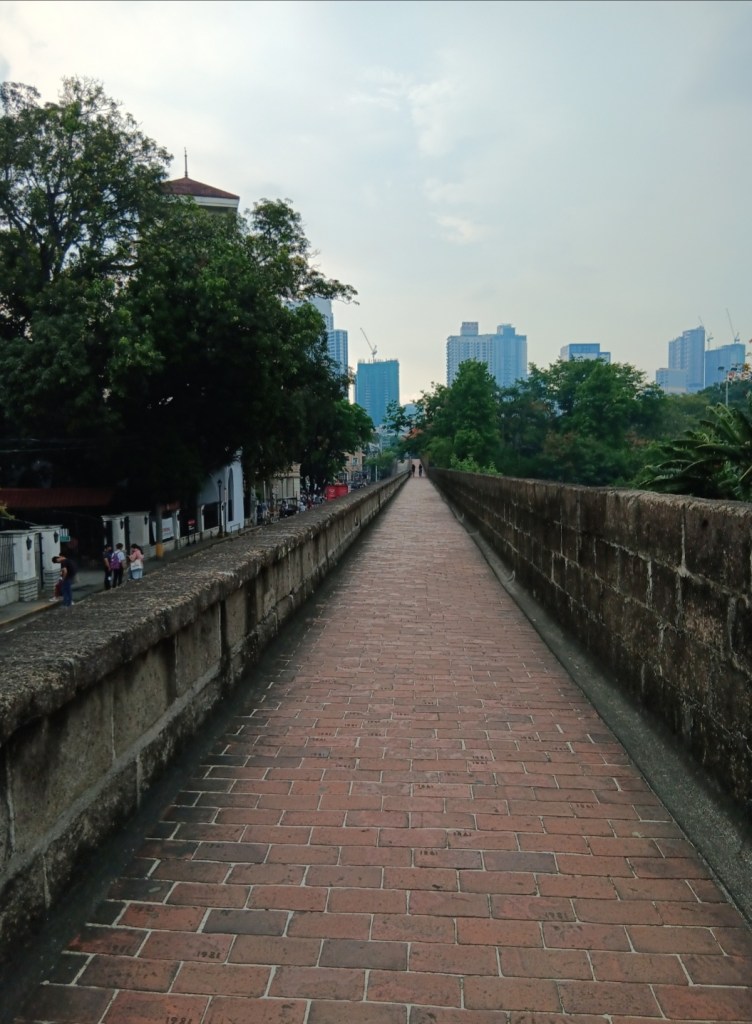
6. Walk the Walls: Walk along the fortified walls of Intramuros. You’ll get panoramic views of the city and the historic district. Don’t miss the beautiful Puerta Real Gardens along the way.

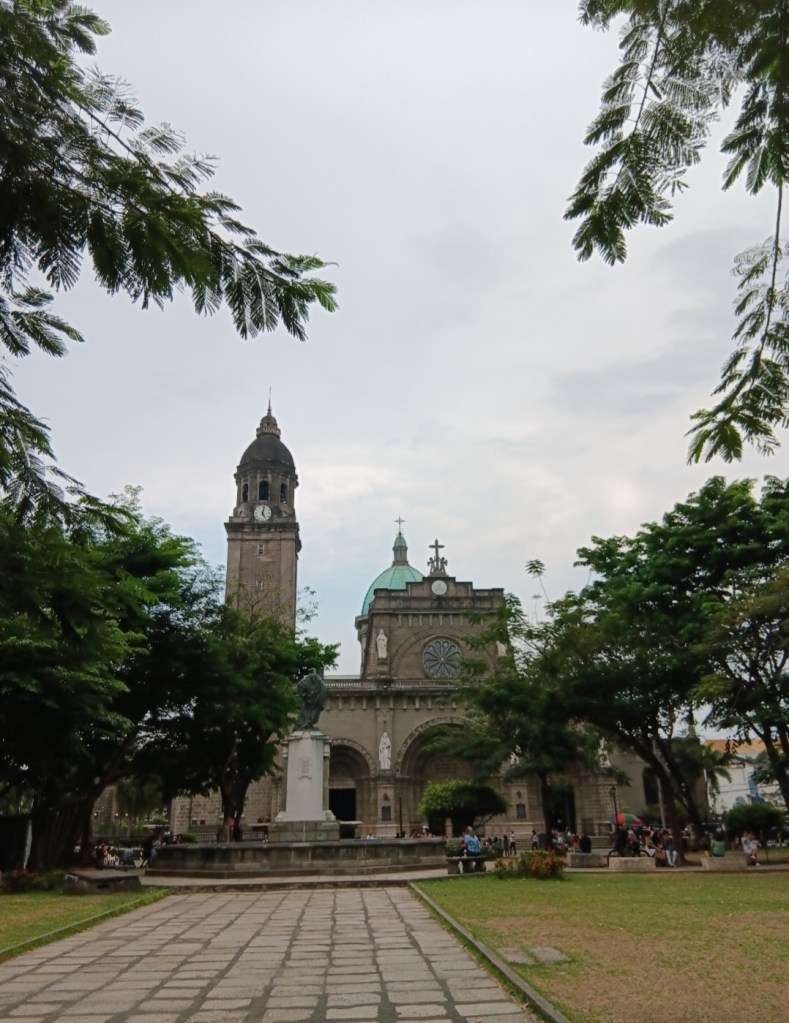
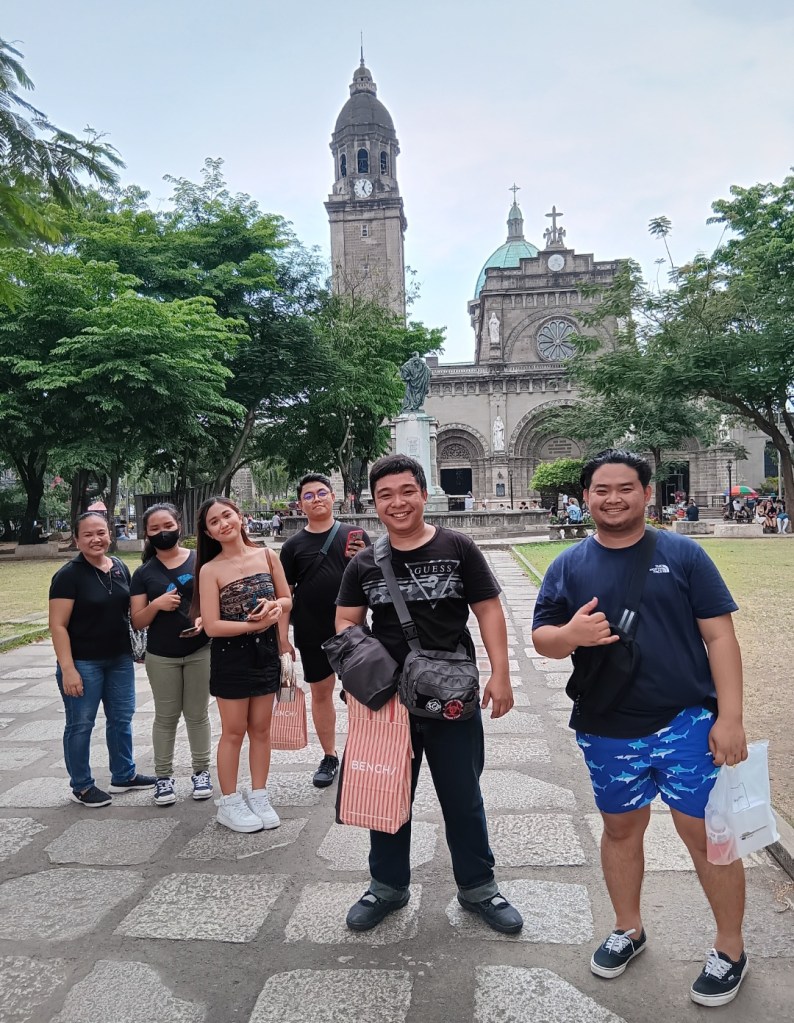
7. Manila Cathedral: Visit the Manila Cathedral, the seat of the Archdiocese of Manila. Admire its grand architecture and attend a mass if you’re interested.

8. Lunch: There are several charming cafes and restaurants within Intramuros where you can enjoy a meal.

9. St. Paul’s Ruins:Explore the ruins of St. Paul’s Church, which was destroyed during World War II. It’s a poignant reminder of the city’s history.

10. End at Puerta de Isabel II: Conclude your tour at Puerta de Isabel II, an ornate gate that leads out of Intramuros. It’s a great spot for photos.

Remember to wear comfortable shoes, stay hydrated, and bring sunscreen if you’re touring during the day. This itinerary covers some of the key attractions, but feel free to explore further and immerse yourself in the history and culture of Intramuros. Enjoy your walking tour!

FOOD: Tom Yum: The Flavorful Thai Soup. THAILAND

Tom Yum, often spelled as Tom Yam or Tom Yum, is a beloved Thai soup that has captured the hearts and taste buds of people worldwide. This spicy and sour concoction is a masterpiece of Thai cuisine, known for its bold flavors, aromatic herbs, and the perfect balance of heat and tanginess.

At its core, Tom Yum is a hot and sour soup made with a flavorful broth typically infused with lemongrass, kaffir lime leaves, galangal, and Thai bird’s eye chilies. These ingredients create a fragrant and zesty base that forms the foundation of the soup.

One of the most delightful aspects of Tom Yum is its versatility. It can be prepared with various proteins, including shrimp, chicken, or tofu, making it appealing to both meat-lovers and vegetarians alike. The addition of ingredients like mushrooms, tomatoes, and cilantro enhances its complexity and depth of flavor.

The interplay of flavors in Tom Yum is what makes it truly special. The sourness comes from the liberal use of lime juice or tamarind paste, creating a mouth-puckering sensation that is wonderfully balanced by the spicy kick of Thai chilies. The sweetness of palm sugar is sometimes added to round out the flavors, resulting in a harmonious blend that dances on the taste buds.

Tom Yum also offers a delightful array of textures, from the tender protein to the crunchy vegetables and the fragrant herbs. Each spoonful is a sensory experience, from the first inhale of its enticing aroma to the last satisfying slurp.

Beyond its incredible taste, Tom Yum has gained popularity for its perceived health benefits. The combination of herbs and spices used in the soup is believed to have medicinal properties, promoting digestion, boosting the immune system, and even providing relief from cold and flu symptoms. Whether or not these claims hold true, there’s no denying that a steaming bowl of Tom Yum is a comforting and rejuvenating treat.

Tom Yum is more than just a soup; it’s a culinary masterpiece that embodies the essence of Thai cuisine. Its vibrant flavors, aromatic ingredients, and enticing complexity have made it a global favorite. Whether enjoyed in a bustling Bangkok street market or a cozy home kitchen, Tom Yum is a testament to the rich and diverse world of food that continues to captivate our palates and connect us across borders.

FOOD: That Wagyu that melts in your mouth! JAPAN

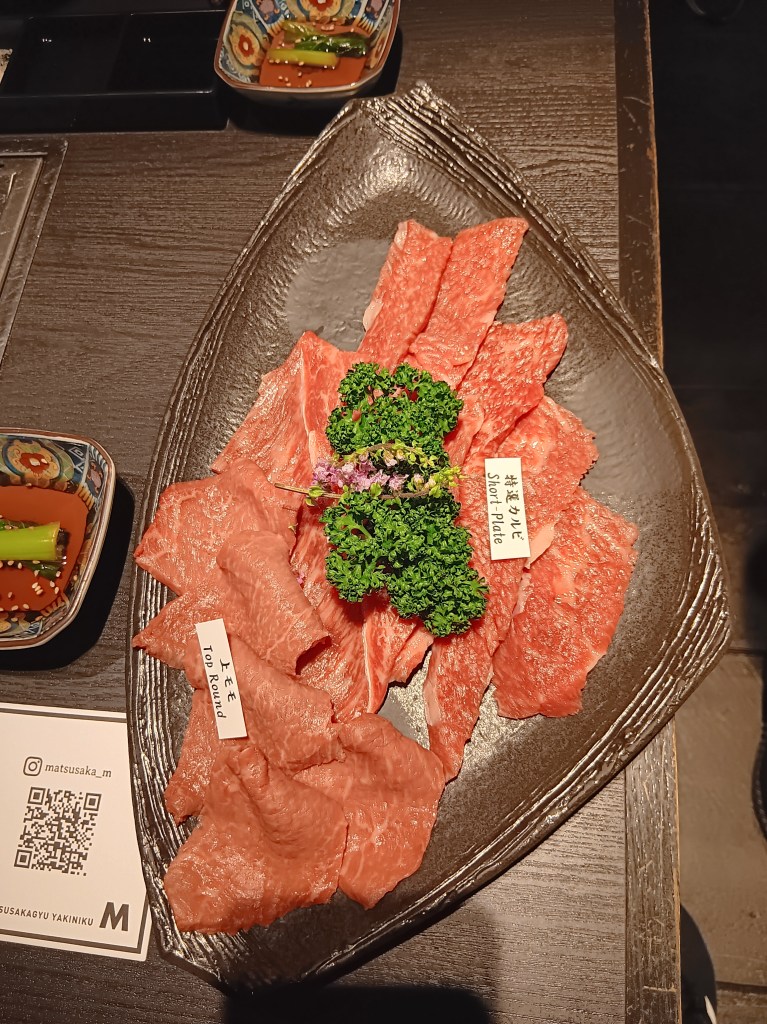
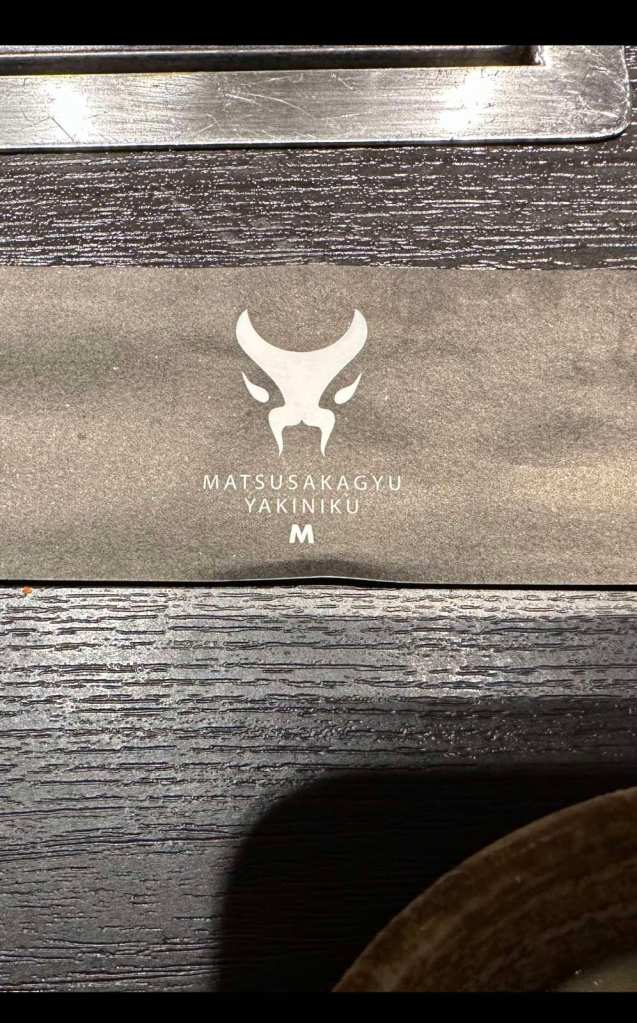
Wagyu beef, often hailed as the epitome of luxury in the culinary world, is a highly sought-after delicacy that has captured the hearts and palates of food enthusiasts worldwide. Known for its unparalleled tenderness and exquisite marbling, Wagyu beef stands as a testament to the meticulous craftsmanship of Japanese cattle farmers and the dedication to producing an exceptional dining experience. In this essay, we will explore the origins of Wagyu beef, its unique characteristics, and the culinary artistry it represents.

Originating in Japan, the term “Wagyu” translates to “Japanese cow” (Wa meaning Japan, and gyu meaning cow). The history of Wagyu beef dates back several centuries, and it was originally used for agricultural labor. Over time, Japanese farmers recognized the potential of these cattle, selectively breeding them to enhance their meat’s qualities. This painstaking breeding process resulted in the development of several Wagyu cattle breeds, each with its distinctive characteristics.

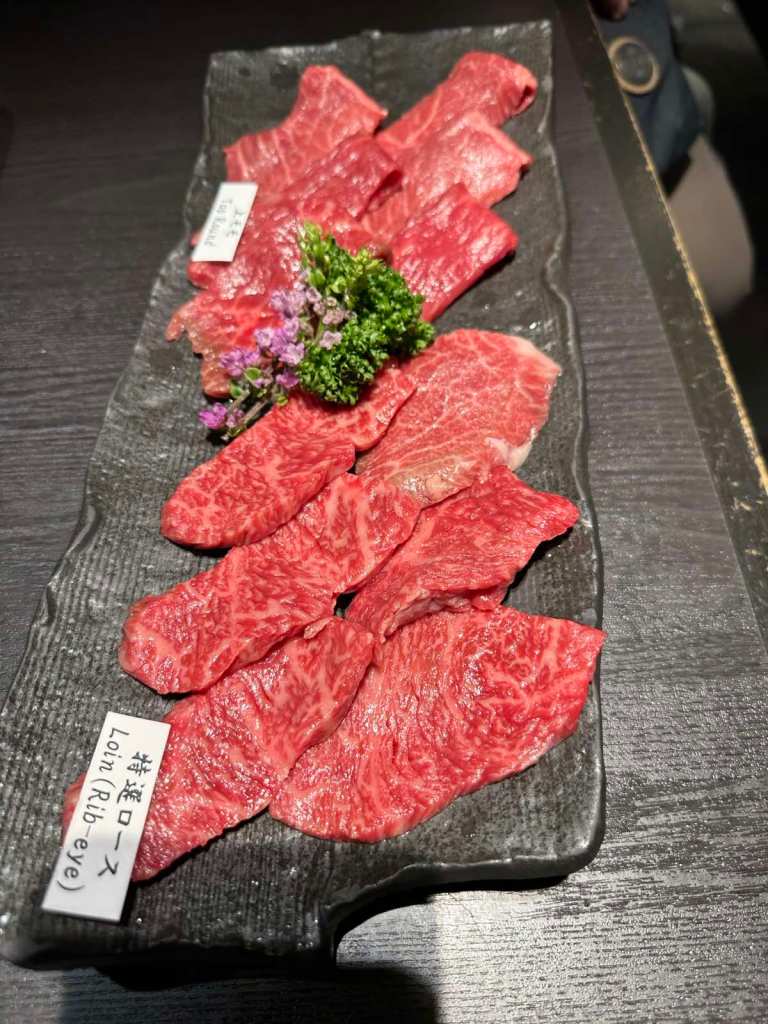
One of the hallmarks of Wagyu beef is its unparalleled marbling, the intricate webbing of fat interspersed within the meat. This marbling is a result of the slow, carefully controlled feeding process that Wagyu cattle undergo. Unlike their Western counterparts, which are often raised for rapid weight gain, Wagyu cattle are raised on a diet rich in grains and given ample time to mature. This combination of genetics and feeding results in meat that is incredibly tender, with a buttery texture and a melt-in-your-mouth sensation.

The unique composition of Wagyu fat contributes significantly to its appeal. The fat in Wagyu beef has a lower melting point compared to other beef varieties, allowing it to dissolve effortlessly when cooked. This leads to a luscious, succulent quality that distinguishes Wagyu from other meats. As a result, chefs worldwide have embraced Wagyu beef as a canvas for culinary creativity.

In recent years, Wagyu beef has transcended its Japanese origins and has gained international acclaim. It has become a staple on the menus of high-end restaurants across the globe, celebrated for its unmatched quality and flavor. Whether served as a beautifully marbled steak, in sushi rolls, or even as sashimi, Wagyu beef offers a diverse range of culinary possibilities.

The appreciation of Wagyu beef extends beyond its taste; it embodies a philosophy of dedication and perfectionism. Japanese Wagyu farmers take immense pride in their craft, employing age-old techniques and traditions that have been passed down through generations. Their commitment to raising cattle to the highest standards mirrors the broader Japanese cultural values of precision and excellence.

Wagyu beef is a culinary delight that melts in your mouth and represents the epitome of meat craftsmanship. Its origins in Japan, meticulous breeding, and unparalleled marbling make it a sought-after delicacy worldwide. The exquisite taste and texture of Wagyu beef, as well as the dedication of the farmers who produce it, elevate it to a place of honor in the world of gastronomy. Whether you savor it in a fine dining establishment or attempt to prepare it at home, Wagyu beef offers an unforgettable culinary experience that leaves a lasting impression on all who have the privilege of indulging in its extraordinary flavors.

PLACES: Horror that is Auschwitz: POLAND

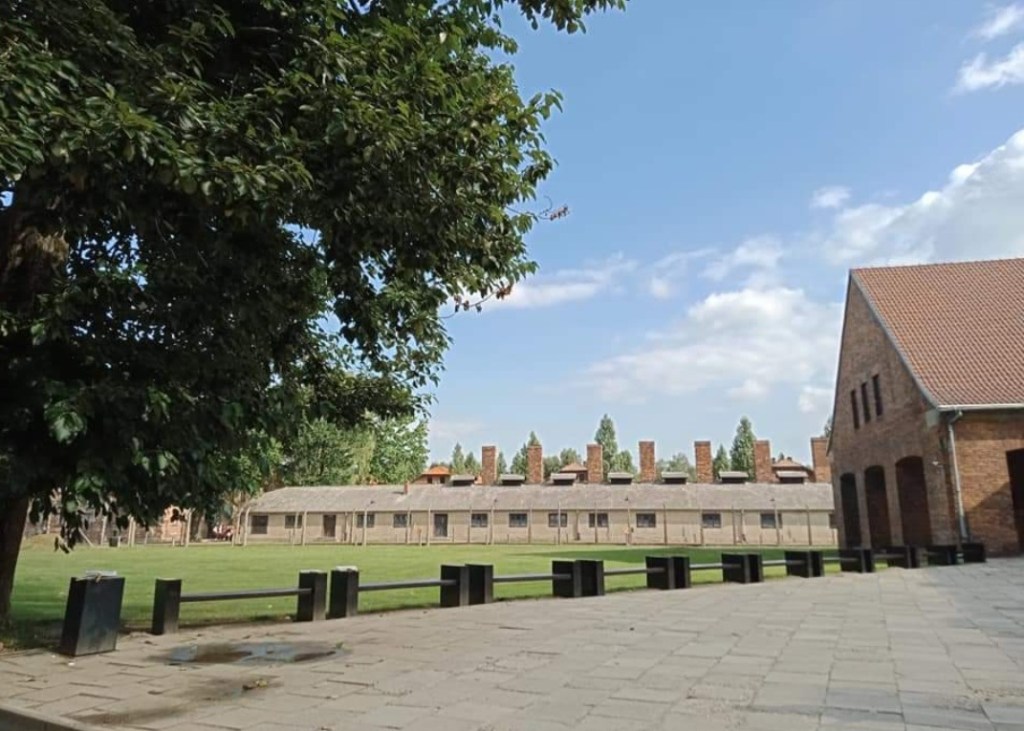
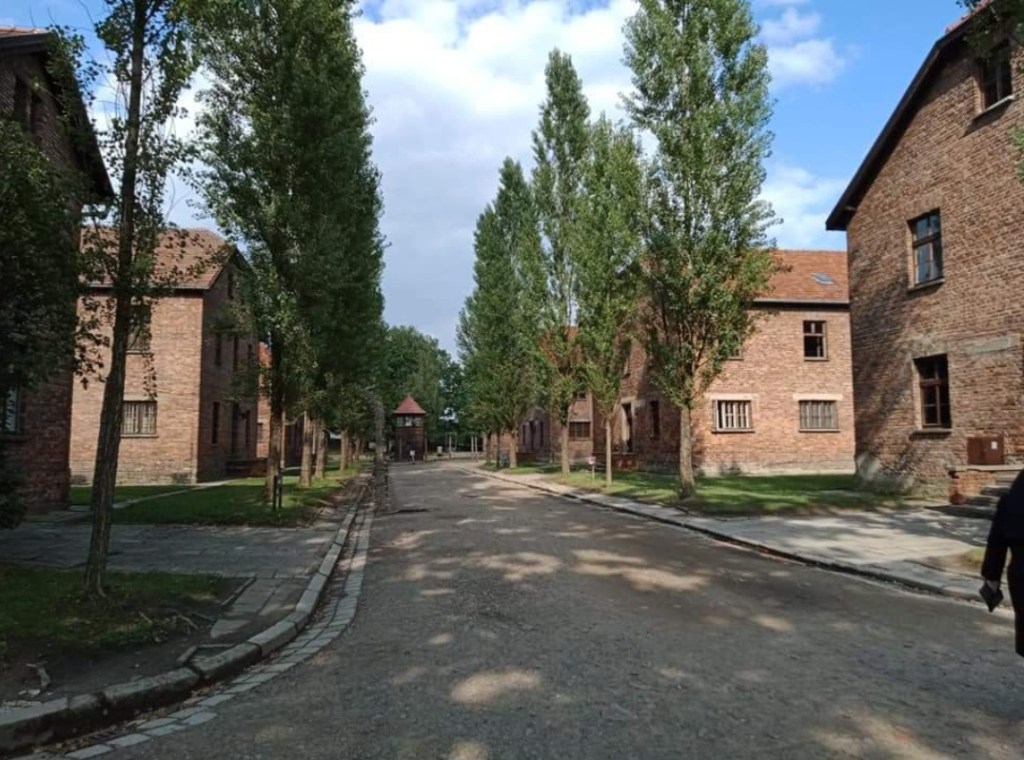
Auschwitz stands as one of the darkest reminders of humanity’s capacity for cruelty and evil. Located in Nazi-occupied Poland during World War II, Auschwitz was not just a concentration camp, but a symbol of horror, suffering, and the systematic extermination of millions of innocent lives.

Auschwitz was established by the Nazis in 1940 with the aim of imprisoning, enslaving, and ultimately exterminating those deemed undesirable by the regime. The camp was divided into three main sections: Auschwitz I, the administrative center, Auschwitz II-Birkenau, where mass exterminations occurred, and Auschwitz III-Monowitz, a labor camp. The sheer scale and organization of Auschwitz allowed for the efficient execution of Nazi policies.

Upon arrival at Auschwitz, prisoners were stripped of their possessions, dignity, and identity. Uniforms replaced personal clothing, and numbers were tattooed on their arms, reducing them to mere objects. Their heads were shaved, stripping them of individuality. This dehumanization played a pivotal role in the psychological torment endured by the camp’s inhabitants, as they were treated as disposable pawns.

Life within the camp was defined by constant hunger, disease, and overcrowding. Barracks were packed with hundreds of prisoners, leaving no room for privacy or comfort. Inadequate sanitation and hygiene led to the rapid spread of diseases, further exacerbating the already deplorable conditions. Prisoners were forced into hard labor, enduring brutal treatment from the guards while working under extreme physical and emotional strain.

Auschwitz became synonymous with the Holocaust’s horrors due to its role as an extermination camp. Gas chambers and crematoria were built in Auschwitz II-Birkenau to facilitate mass murder. Victims were deceived into believing they were going to take a shower, only to be locked in the gas chambers where they faced a horrifying death. The bodies were then burned en masse in the crematoria to eliminate any evidence of the crimes committed.

Survivors of Auschwitz and other concentration camps often suffered from severe psychological trauma for the rest of their lives. Witnessing the death and suffering of loved ones, enduring immense physical and mental torture, and living in constant fear forever scarred the survivors. The horror of Auschwitz continued to haunt and torment them, shaping their existence long after their release.
Auschwitz stands as a testament to the depths of human cruelty and the enduring legacy of the Holocaust. The horror witnessed within its confines is a stark reminder of the importance of never forgetting the atrocities committed there. Auschwitz serves as a chilling reminder of the potential for evil within humanity and the absolute necessity to foster understanding, compassion, and tolerance to prevent such horrors from ever happening again.

PLACES: Fushimi Inari Shrine: JAPAN

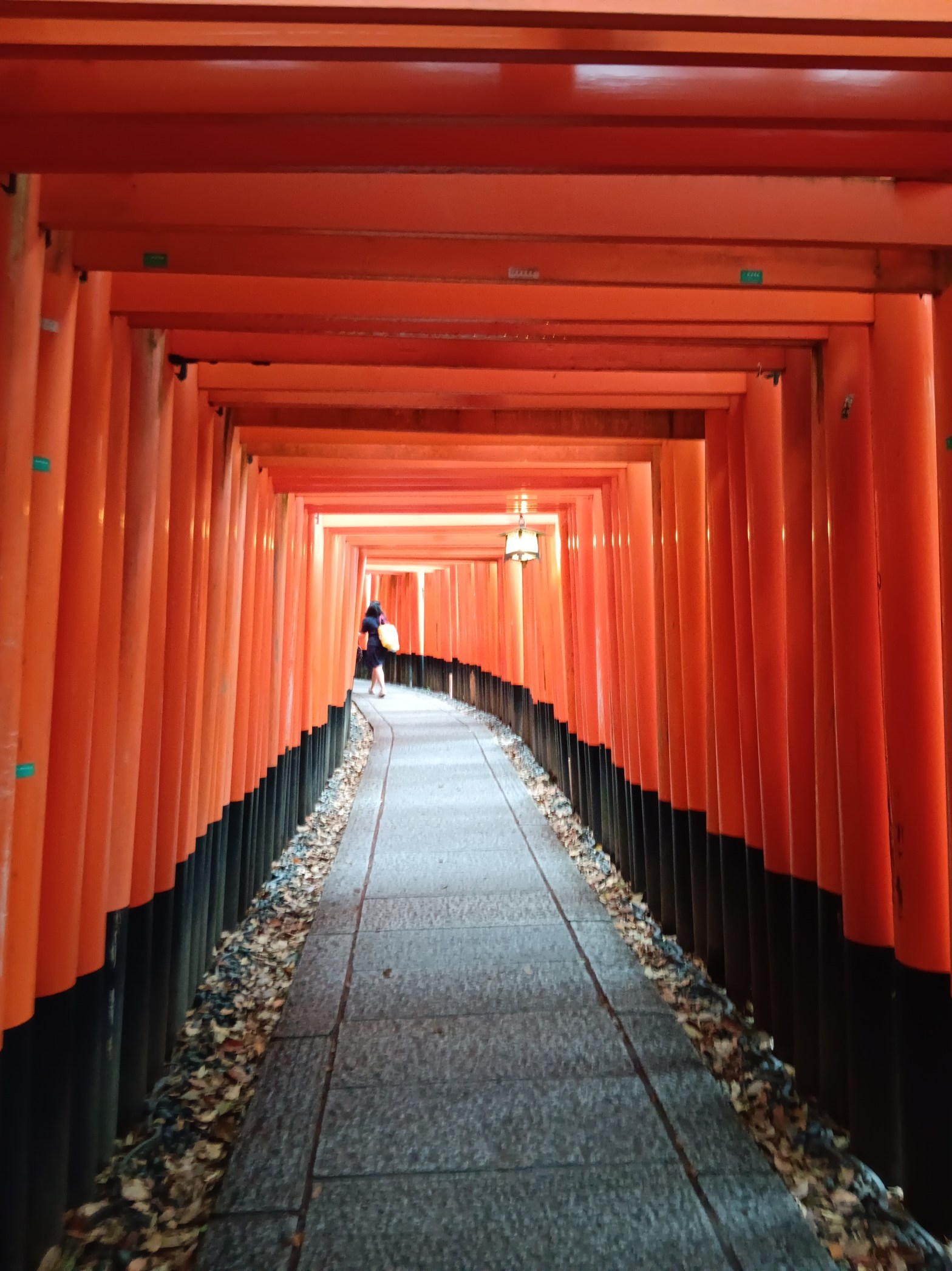
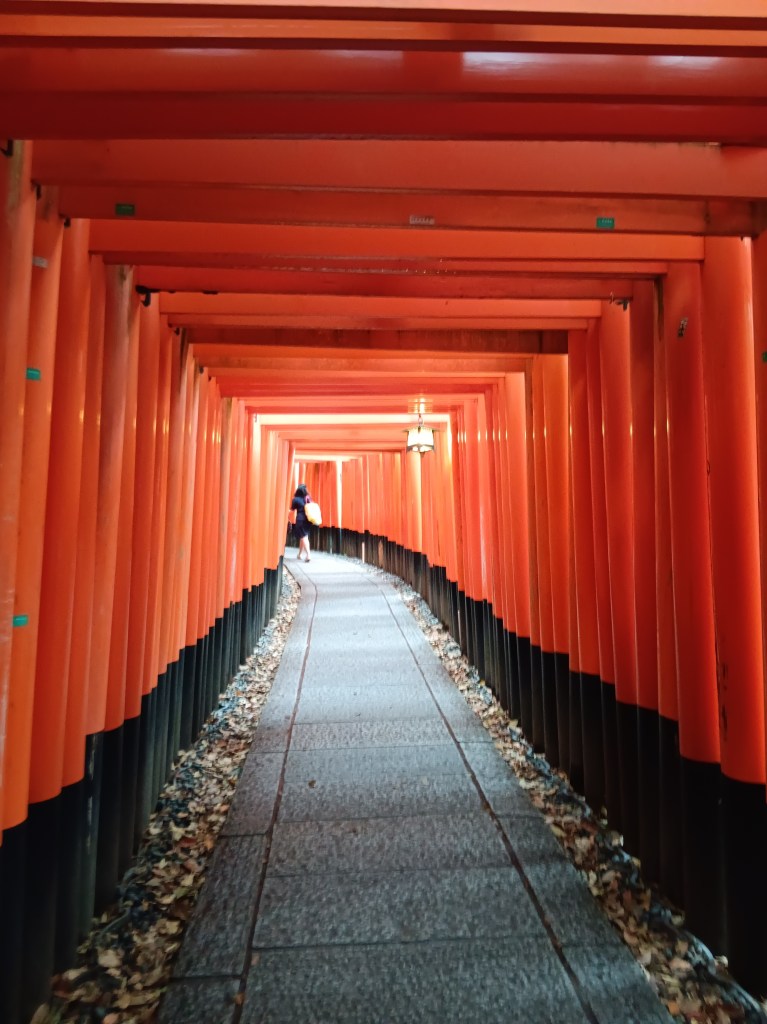
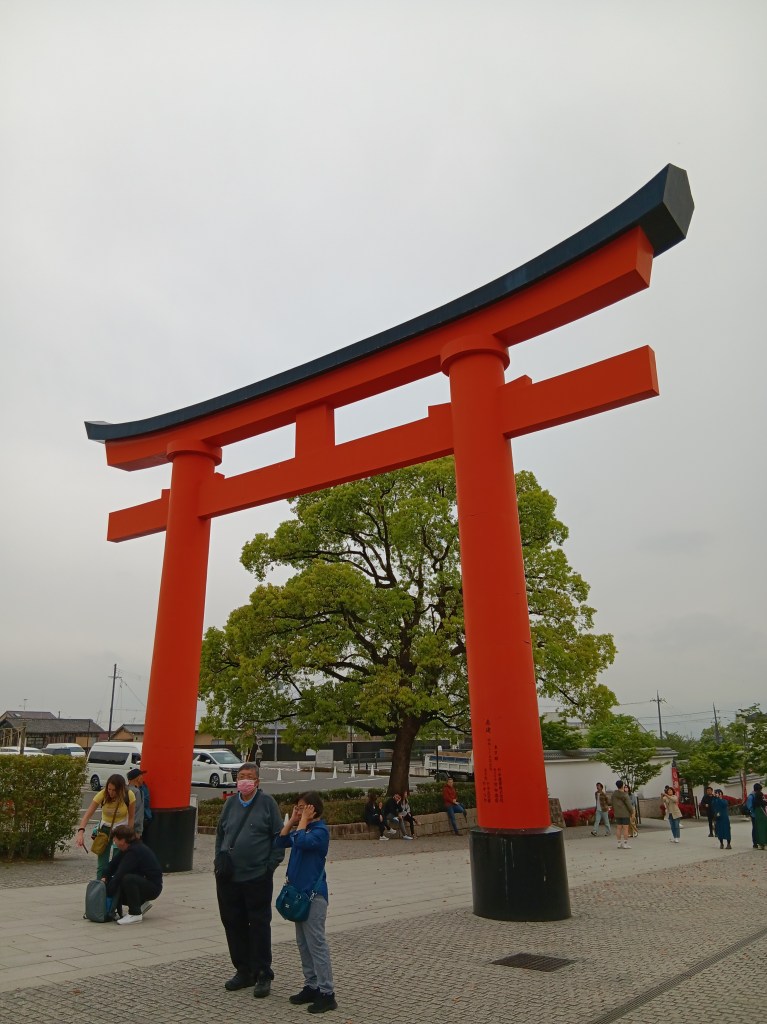
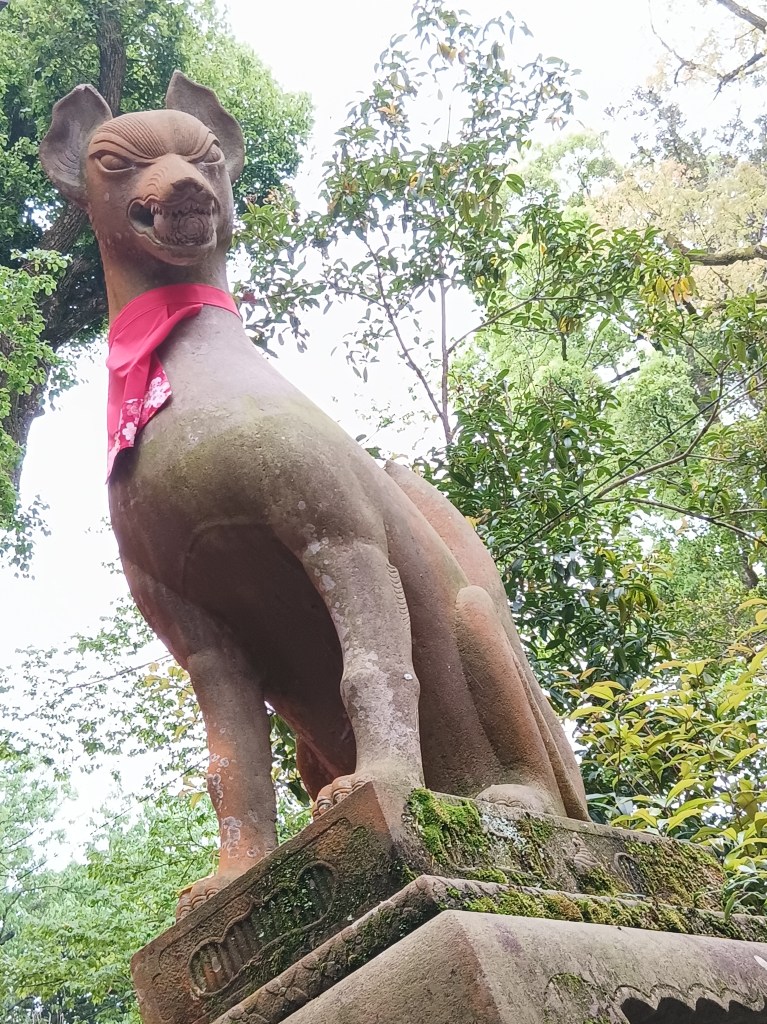
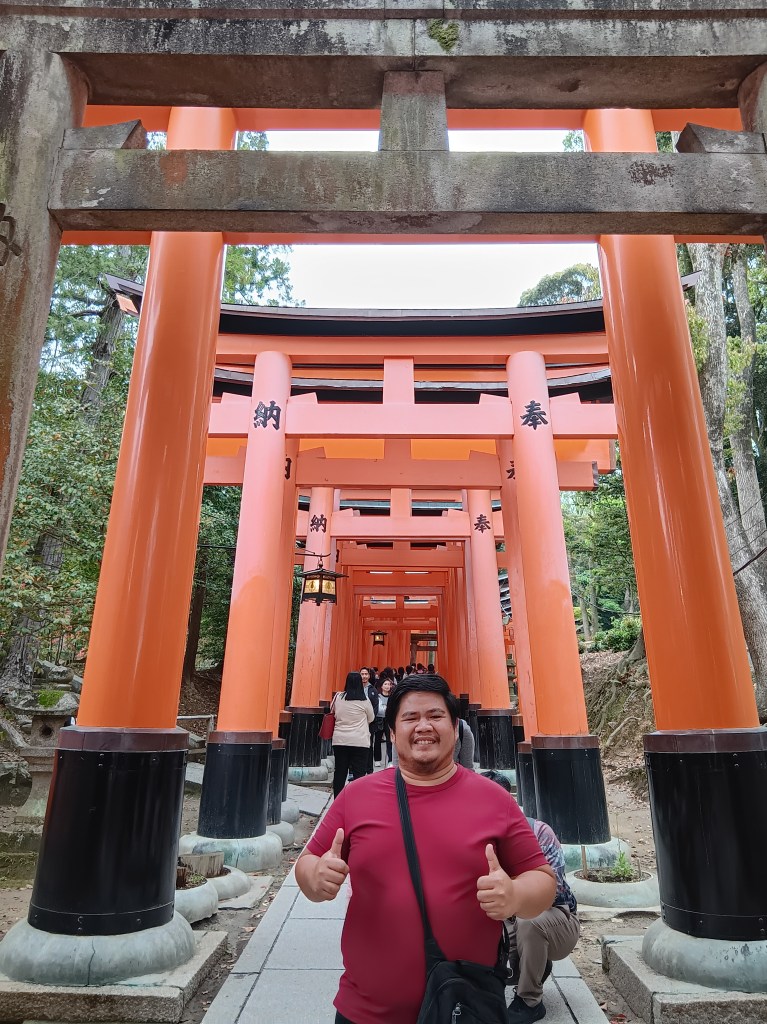
Guard foxes and vermillion colored Tori shrines numbering in a thousand; welcome to Fushimi Inari Shrine in Kyoto. Founded around 1,300 years ago, these structures were constructed by different individuals praying to the spirits (Kami) with multiple reasons. Such as business, health, travel, etc.

Tori Shrine

Tori Shrines, its origins are difficult to ascertain in history. Though its form was established by the 8th century. These structures are intended to divide between the casual and the sacred. The place beyond the shrine is considered to be a sacred ground. It is where the kami or spirits reside. Thus, devotees usually dont pass to the middle of the shrine rather than pass through the sides. Red in Shinto belief system wards of evil spirit as to white in Buddhism. There are other colours of Tori shrines. There are black, yellow, and blue depicting the geographical location they are placed. Pink Tori Shrines are purely decorations.

Foxes are considered messenger of the Kami (spirits) as well as guardian of sacred places.

These Shrine are heavily influenced by the Shinto religion. Such a belief system that primarily a nature religion with many deities. Believes that man is inherently good and should strive not to be contaminated by pollution of the world. They don’t have eschatology, and views that death one returns back to nature.

In the 8th century C.E., the Nihonshoki (Chronicle of Japan) and the Kojiki (Record of Ancient Matters) were written to legitimate the rule of the Yamato clan as descendants of the gods. Using elements of an earlier mythology, the Yamato rulers created a unified Japan, sanctified by their claims to divinity and supported by a system of shrines.

Such a belief system was taken from perceptions and observations.