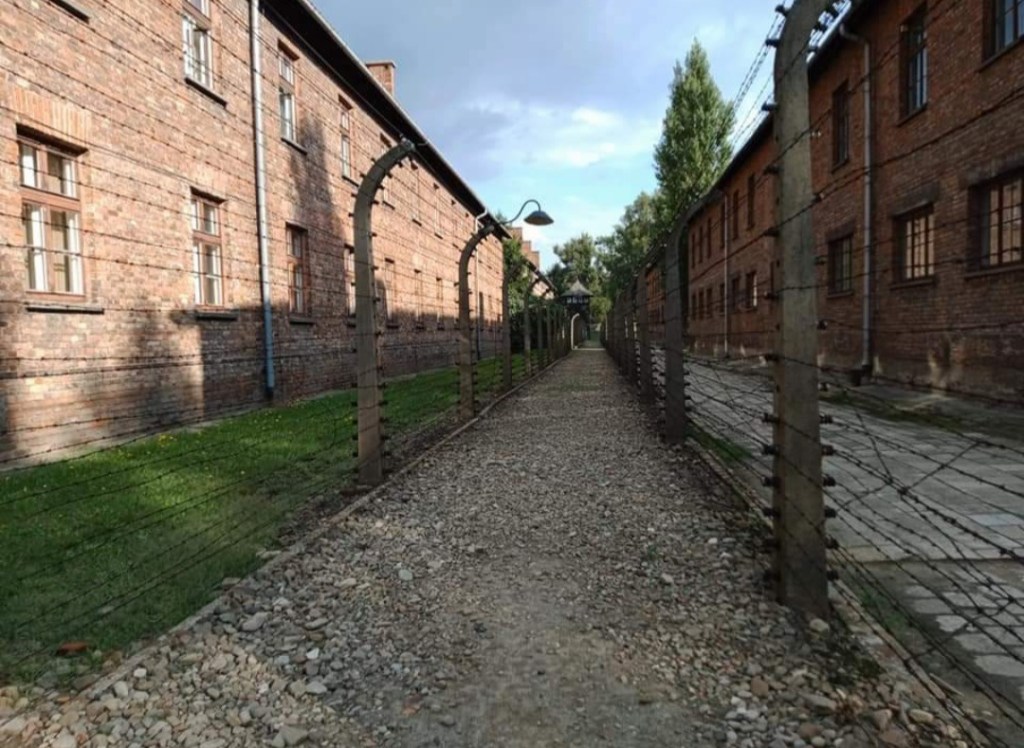
Auschwitz stands as one of the darkest reminders of humanity’s capacity for cruelty and evil. Located in Nazi-occupied Poland during World War II, Auschwitz was not just a concentration camp, but a symbol of horror, suffering, and the systematic extermination of millions of innocent lives.
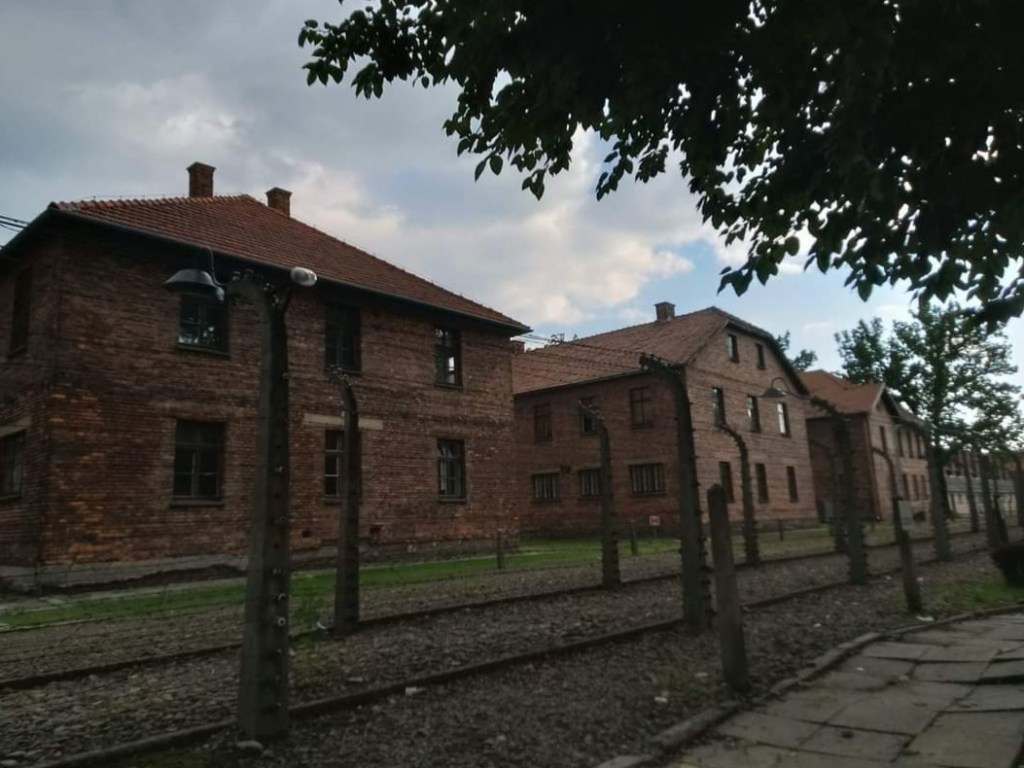
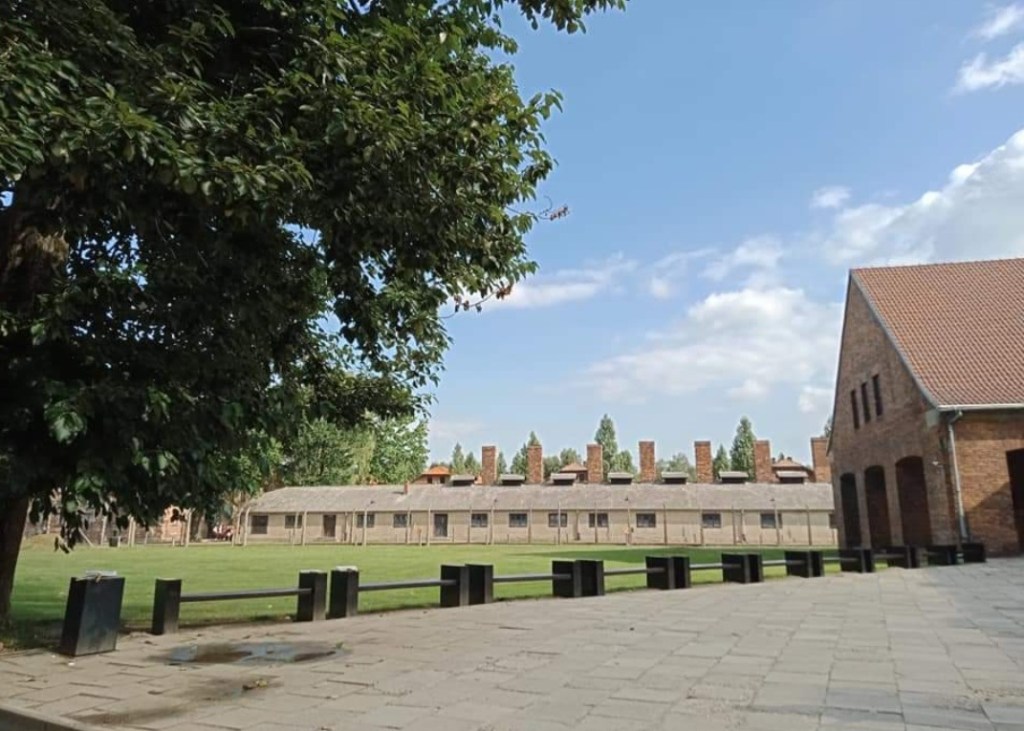
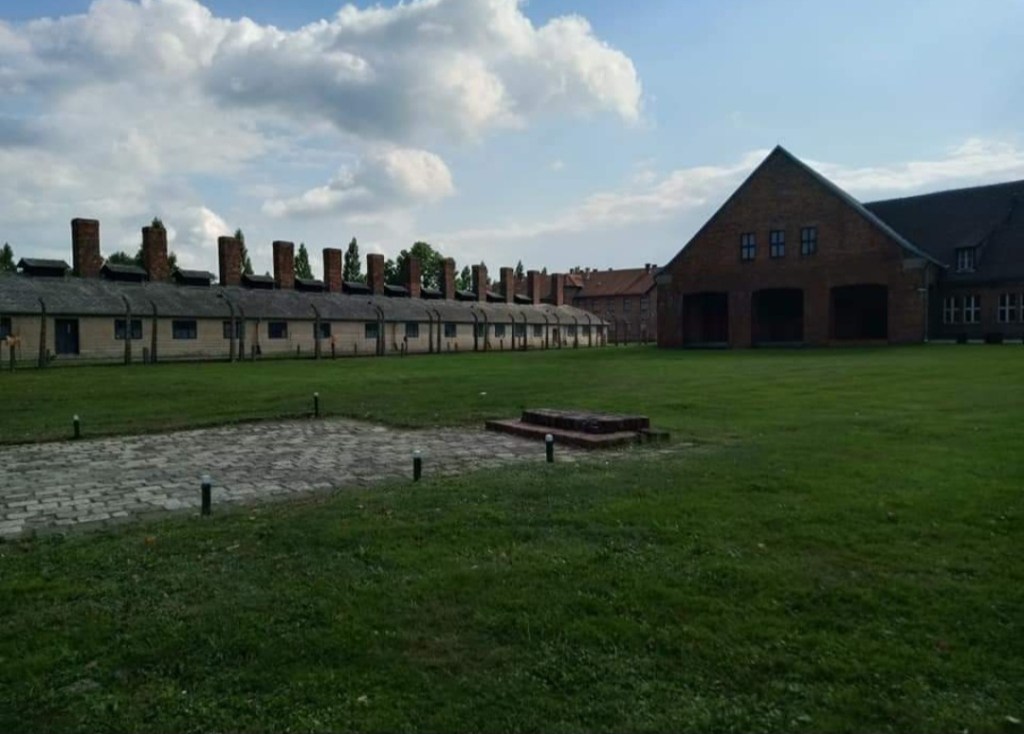
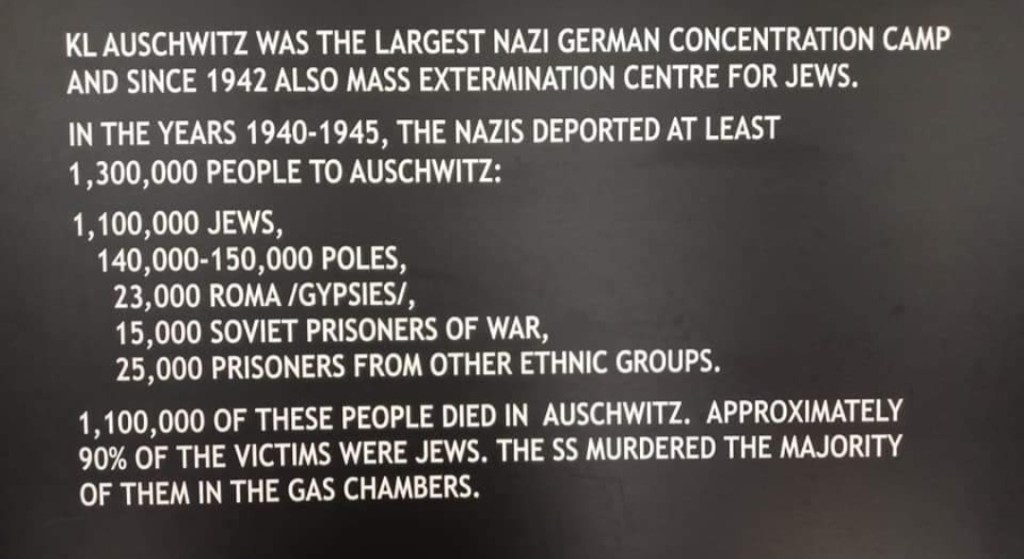
Auschwitz was established by the Nazis in 1940 with the aim of imprisoning, enslaving, and ultimately exterminating those deemed undesirable by the regime. The camp was divided into three main sections: Auschwitz I, the administrative center, Auschwitz II-Birkenau, where mass exterminations occurred, and Auschwitz III-Monowitz, a labor camp. The sheer scale and organization of Auschwitz allowed for the efficient execution of Nazi policies.


Upon arrival at Auschwitz, prisoners were stripped of their possessions, dignity, and identity. Uniforms replaced personal clothing, and numbers were tattooed on their arms, reducing them to mere objects. Their heads were shaved, stripping them of individuality. This dehumanization played a pivotal role in the psychological torment endured by the camp’s inhabitants, as they were treated as disposable pawns.
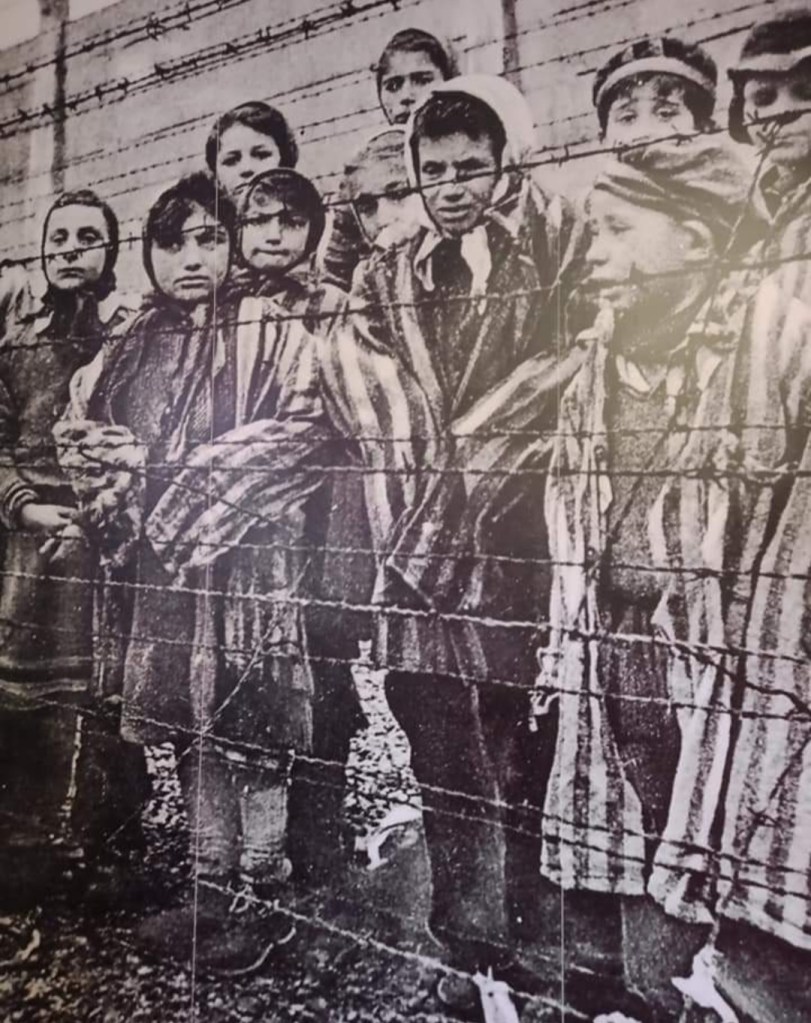
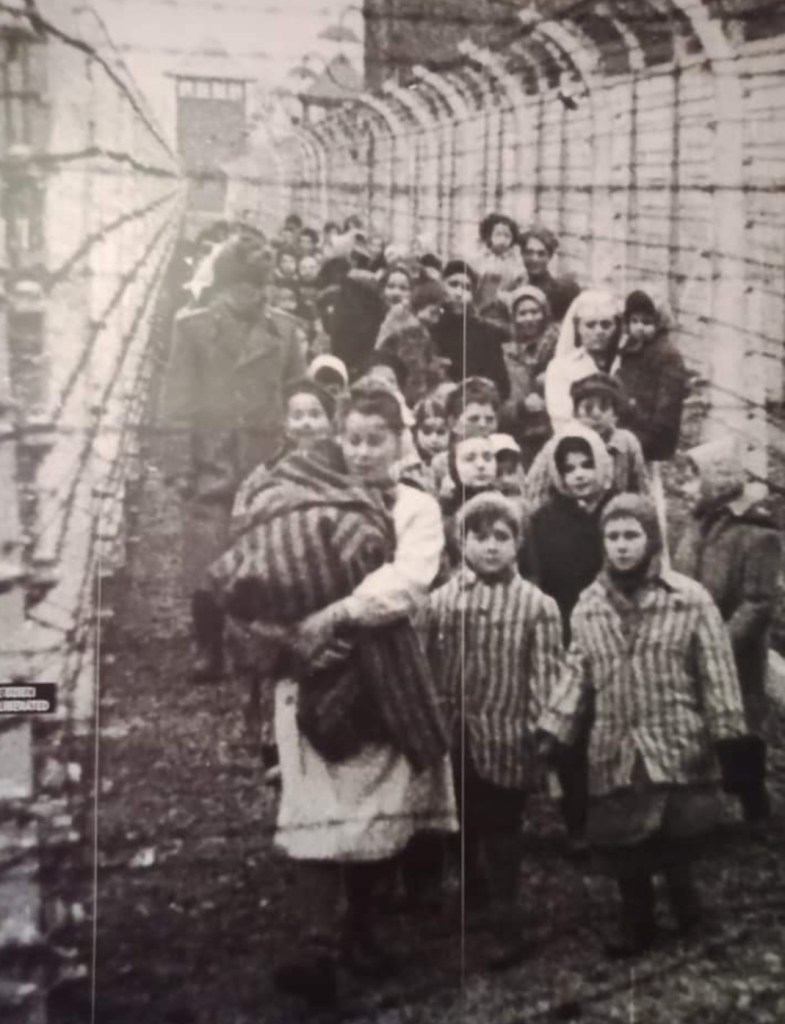
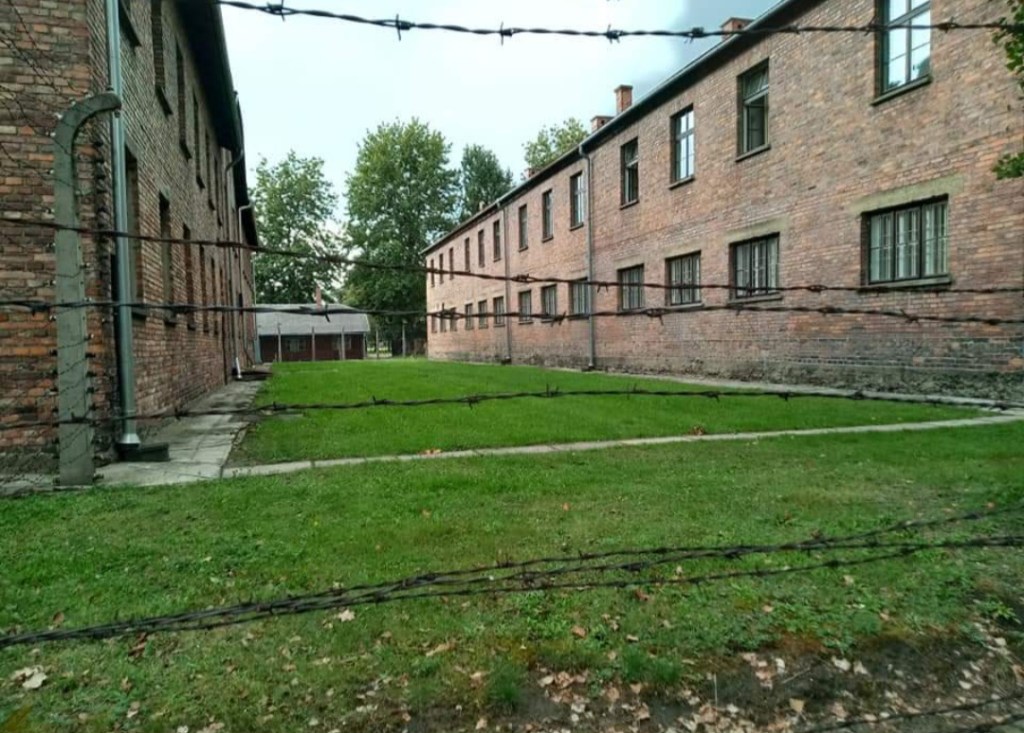
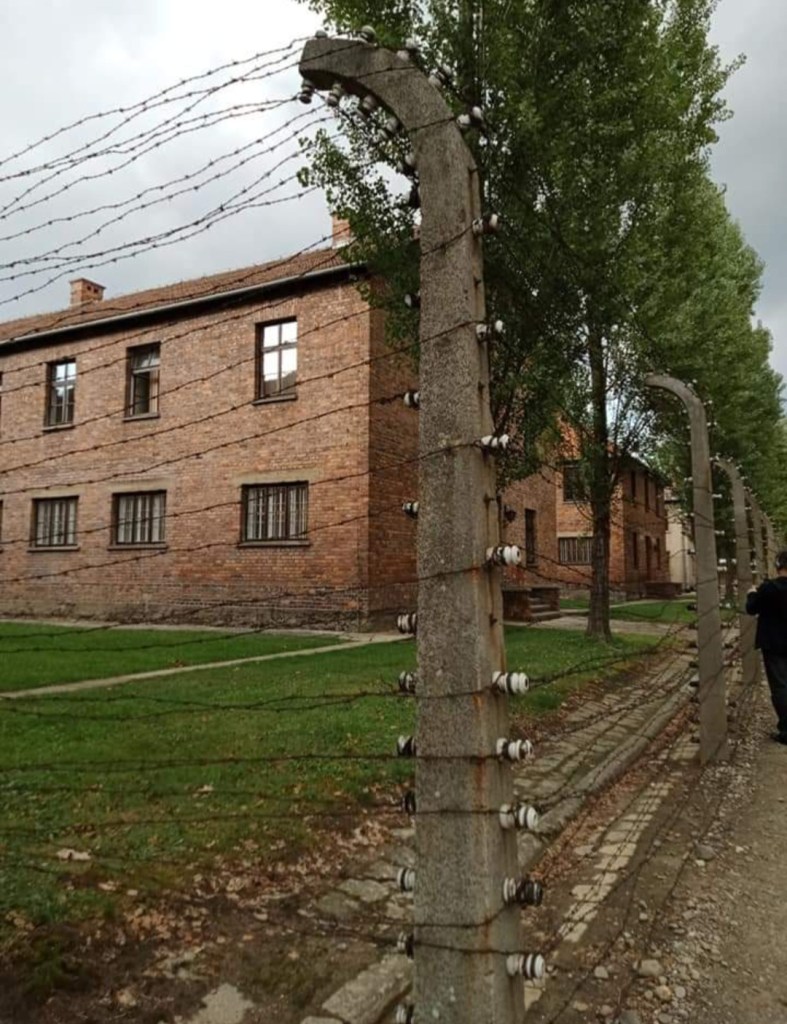
Life within the camp was defined by constant hunger, disease, and overcrowding. Barracks were packed with hundreds of prisoners, leaving no room for privacy or comfort. Inadequate sanitation and hygiene led to the rapid spread of diseases, further exacerbating the already deplorable conditions. Prisoners were forced into hard labor, enduring brutal treatment from the guards while working under extreme physical and emotional strain.

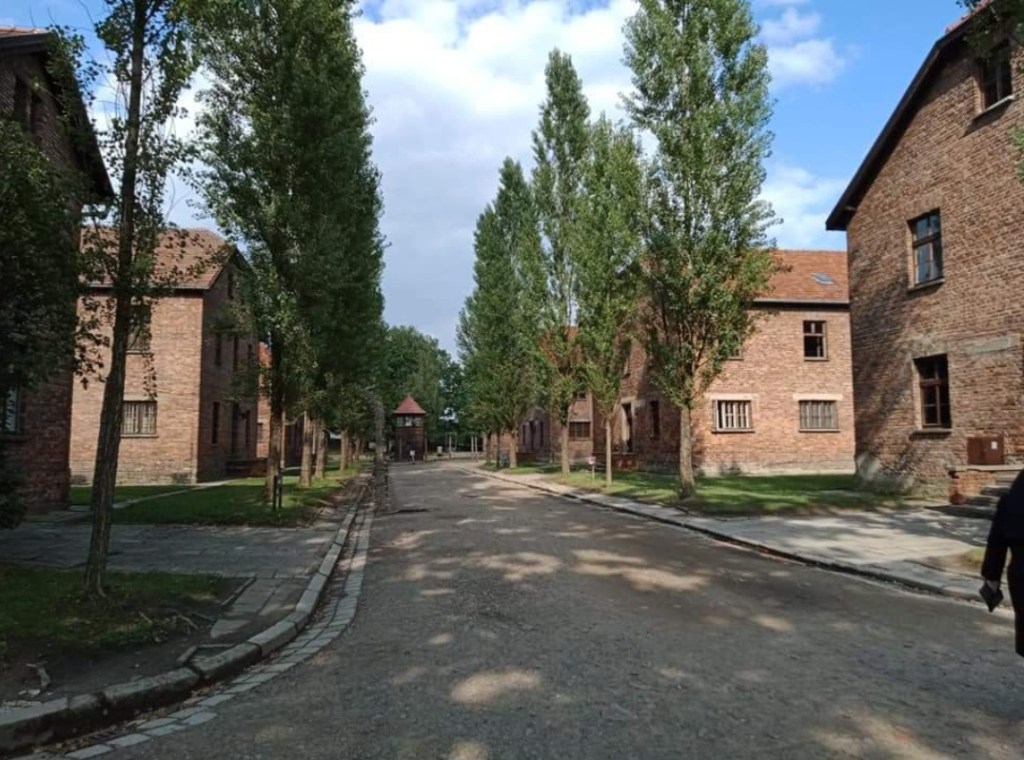
Auschwitz became synonymous with the Holocaust’s horrors due to its role as an extermination camp. Gas chambers and crematoria were built in Auschwitz II-Birkenau to facilitate mass murder. Victims were deceived into believing they were going to take a shower, only to be locked in the gas chambers where they faced a horrifying death. The bodies were then burned en masse in the crematoria to eliminate any evidence of the crimes committed.
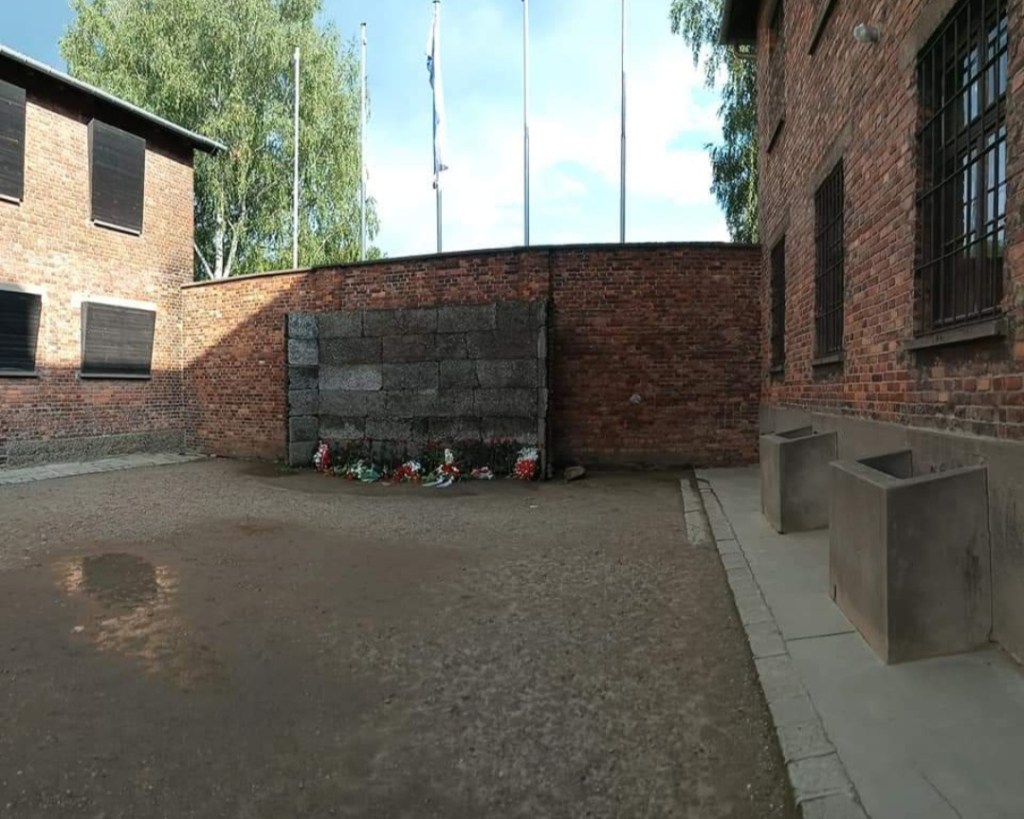
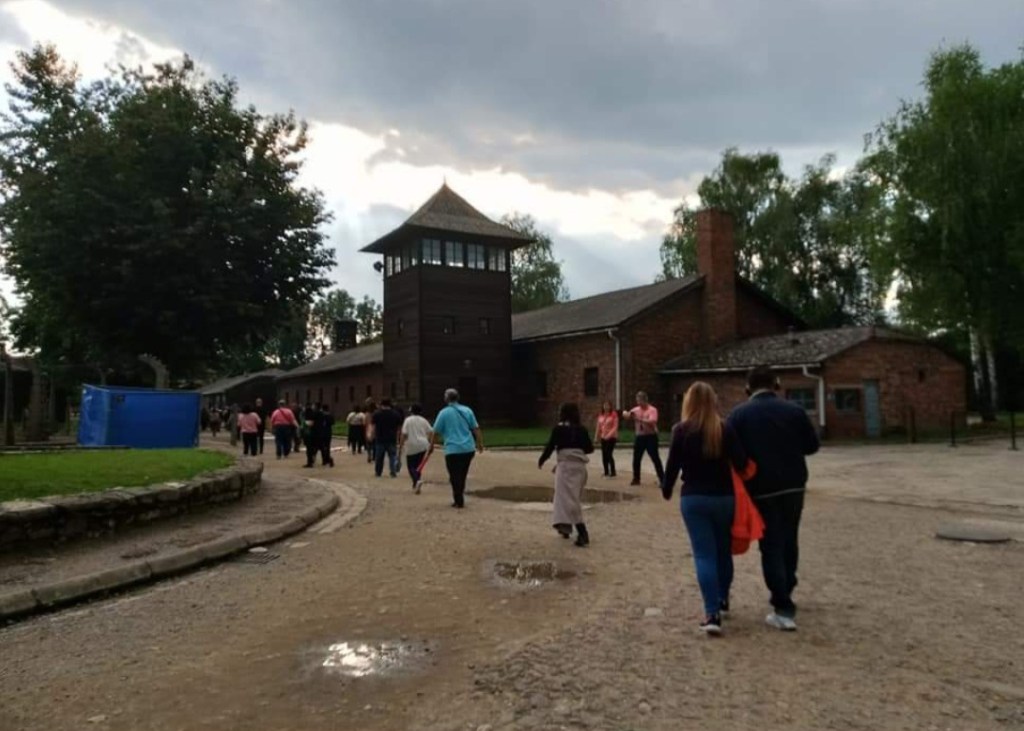
Survivors of Auschwitz and other concentration camps often suffered from severe psychological trauma for the rest of their lives. Witnessing the death and suffering of loved ones, enduring immense physical and mental torture, and living in constant fear forever scarred the survivors. The horror of Auschwitz continued to haunt and torment them, shaping their existence long after their release.
Auschwitz stands as a testament to the depths of human cruelty and the enduring legacy of the Holocaust. The horror witnessed within its confines is a stark reminder of the importance of never forgetting the atrocities committed there. Auschwitz serves as a chilling reminder of the potential for evil within humanity and the absolute necessity to foster understanding, compassion, and tolerance to prevent such horrors from ever happening again.



 Doc John's Travel History