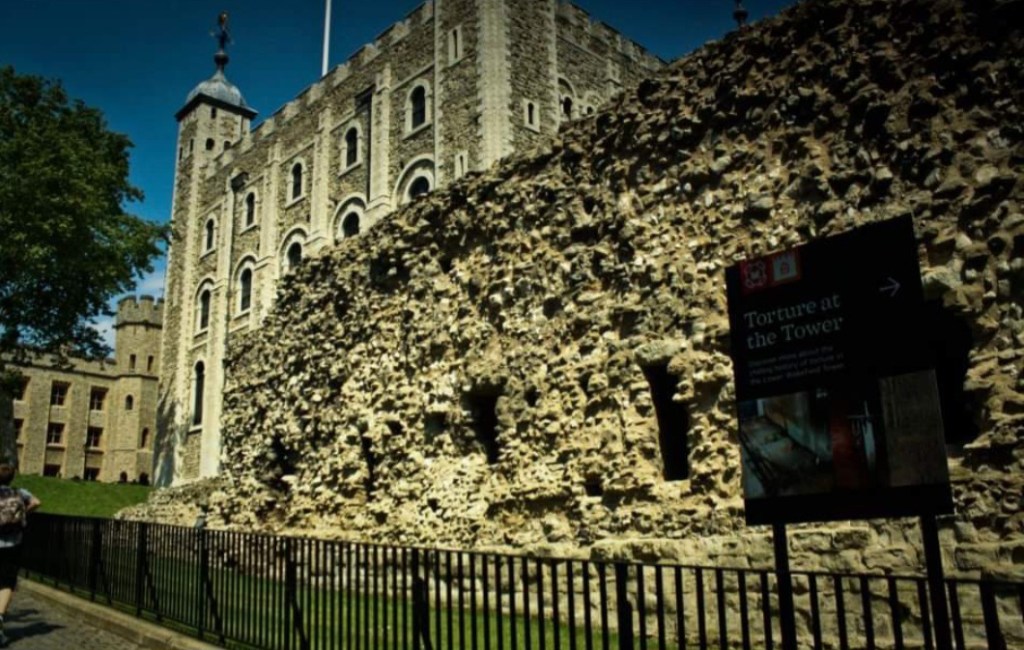
The Tower of London, located on the north bank of the River Thames in central London, stands as a timeless symbol of history, power, and intrigue. With a rich and multifaceted past, this iconic structure has played numerous roles throughout the centuries, evolving from a royal palace to a notorious prison, a treasury, and a museum. Its enduring presence and historical significance make it a captivating and enduring landmark.

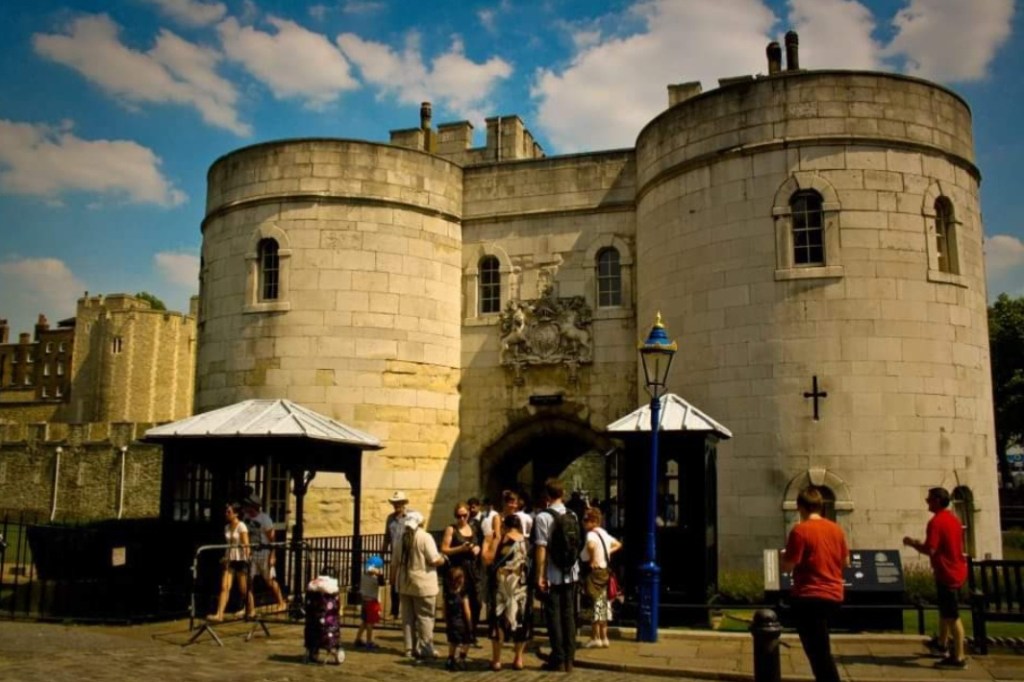
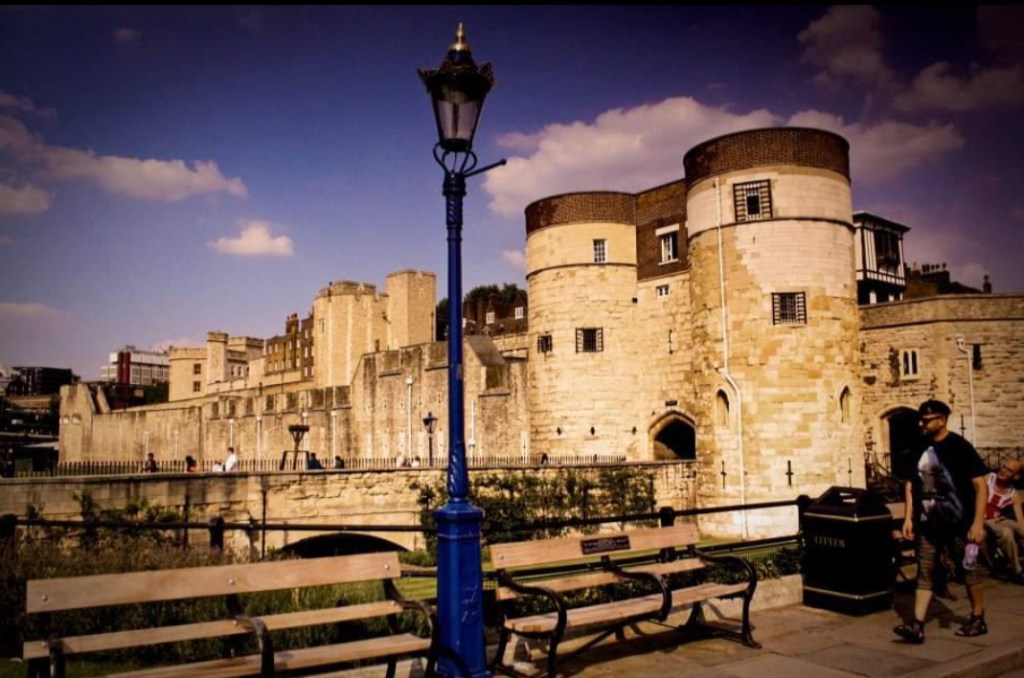
Constructed in 1066 by William the Conqueror, the Tower of London was initially established as a symbol of Norman power and authority over England. Its primary function was to serve as a royal residence, protecting the monarch and governing the kingdom. Over time, it also served as a fortified stronghold, safeguarding precious treasures and documents.


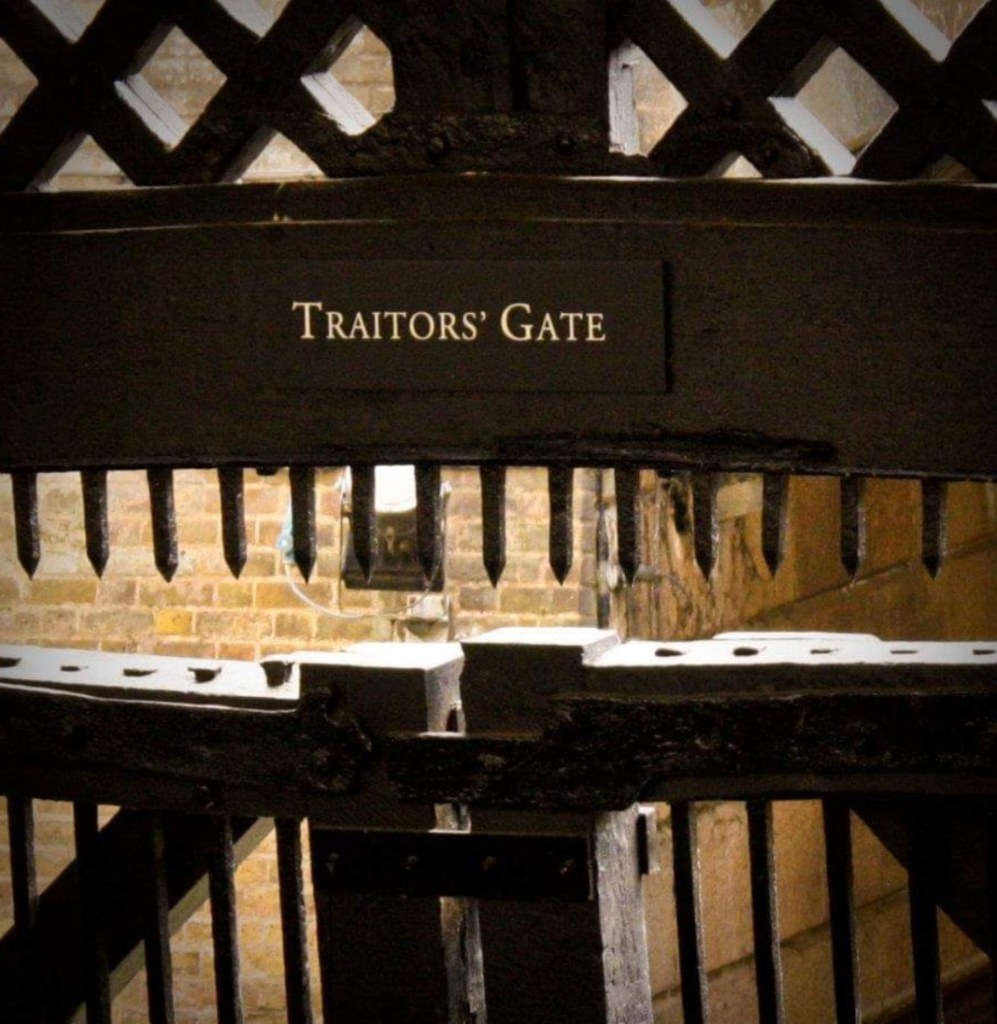
Perhaps its most infamous role was as a prison, where some of the most renowned historical figures were held captive. Notable inmates included Anne Boleyn, the second wife of King Henry VIII, who was executed within its walls. The Tower became synonymous with political intrigue, torture, and executions, earning its reputation as a grim and foreboding place.
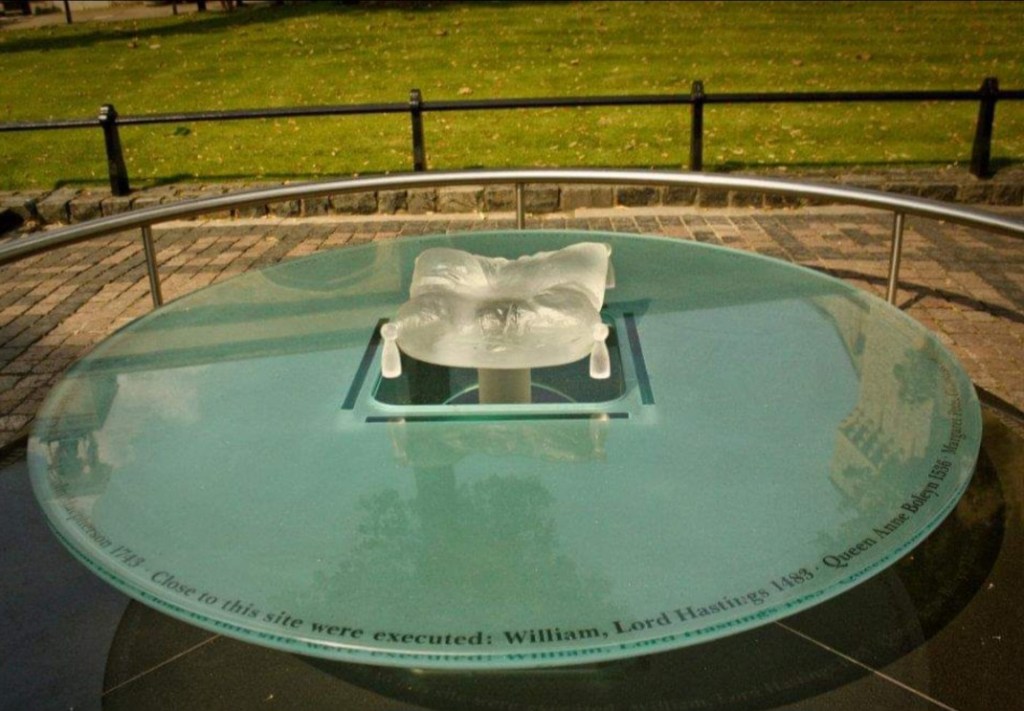
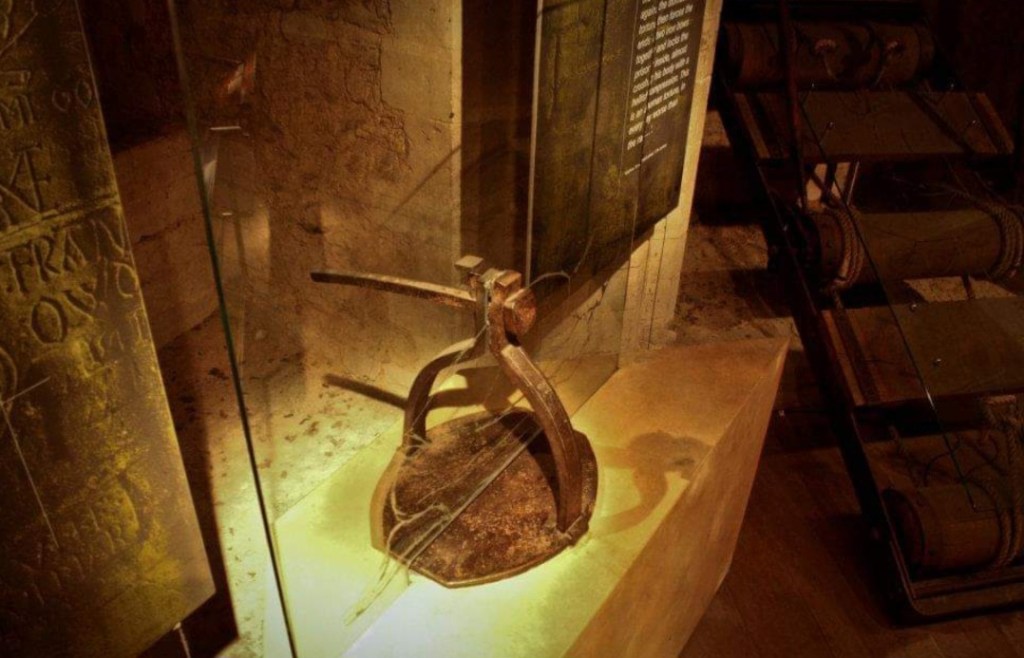
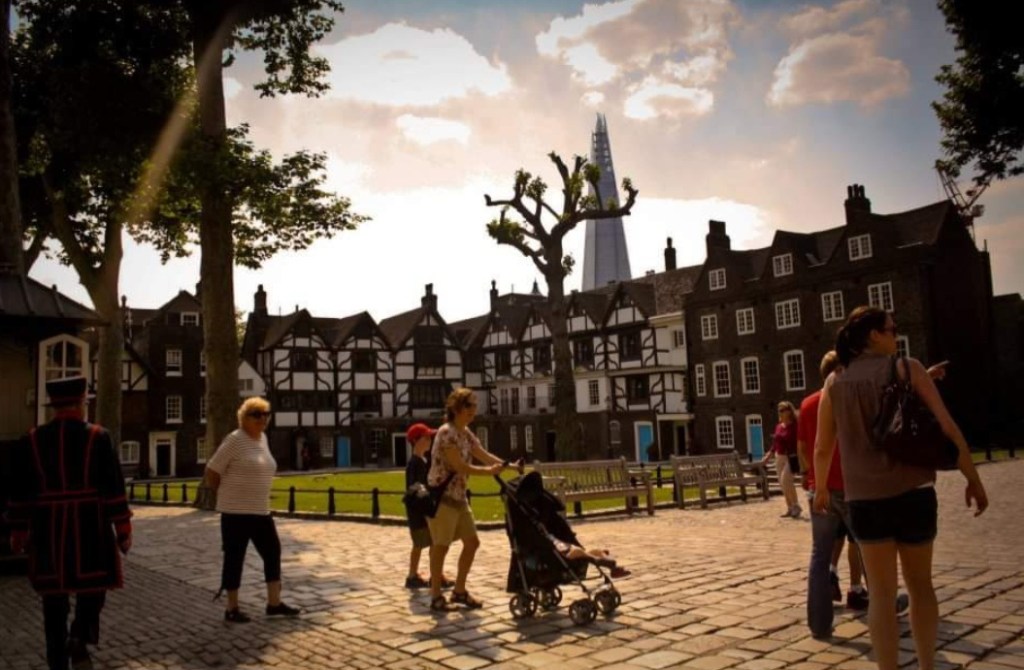
he Tower’s White Tower, an imposing central keep, is a remarkable example of Norman military architecture, showcasing its historical significance. Over the centuries, various monarchs expanded and modified the Tower complex, leading to a unique blend of architectural styles and a living testament to the evolving tastes and needs of the ruling elites.
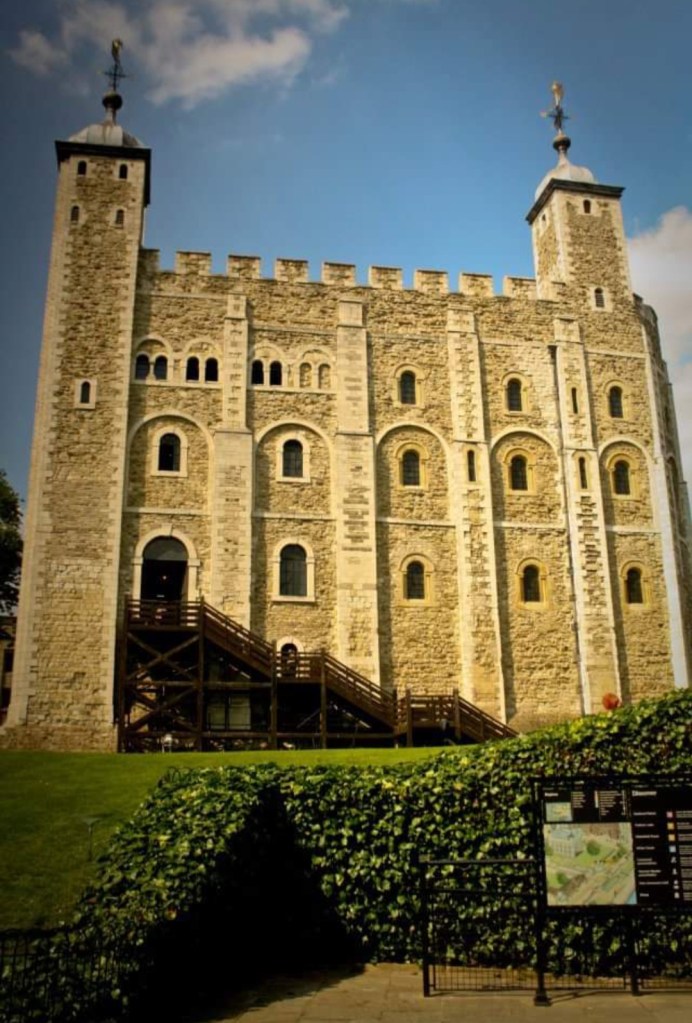
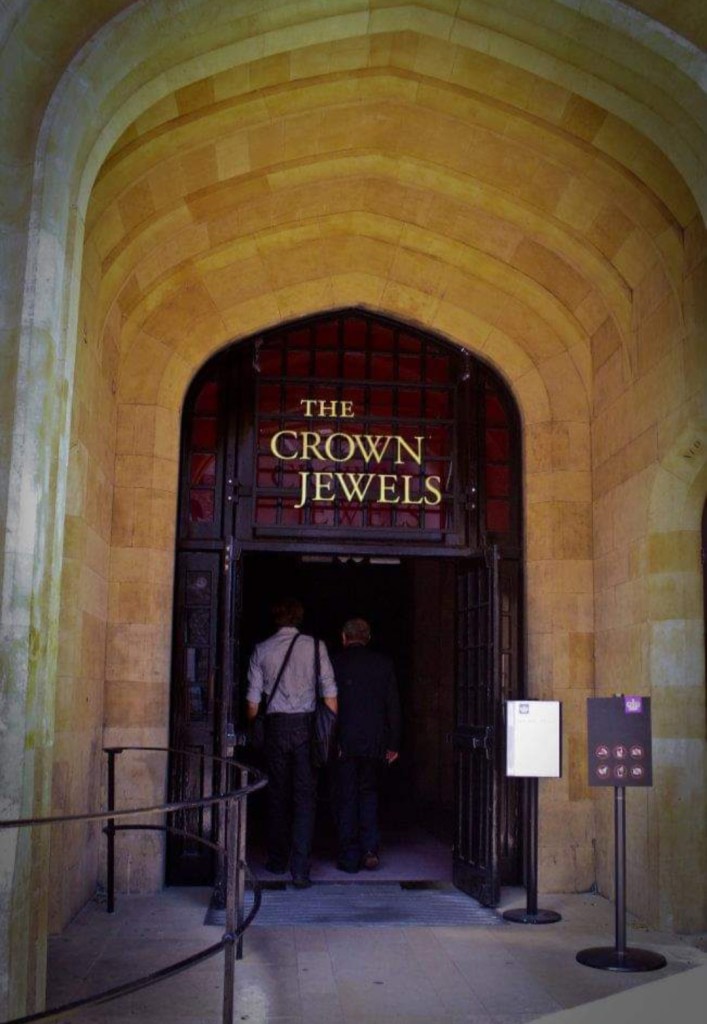
In the 19th century, the Tower’s significance shifted from being a place of power and punishment to a public museum and tourist attraction. Today, the Tower of London is a UNESCO World Heritage Site, drawing millions of visitors each year to explore its history and the Crown Jewels, which are on display within the Jewel House.
The Tower of London’s history is a tapestry woven with threads of power, intrigue, and change. It has witnessed the rise and fall of monarchs, the shaping of England’s destiny, and the evolution of its role from fortress to museum. As a living relic of centuries past, the Tower stands as an enduring icon, connecting the present to a rich and complex history that continues to captivate and educate generations of visitors from around the world.


 Doc John's Travel History