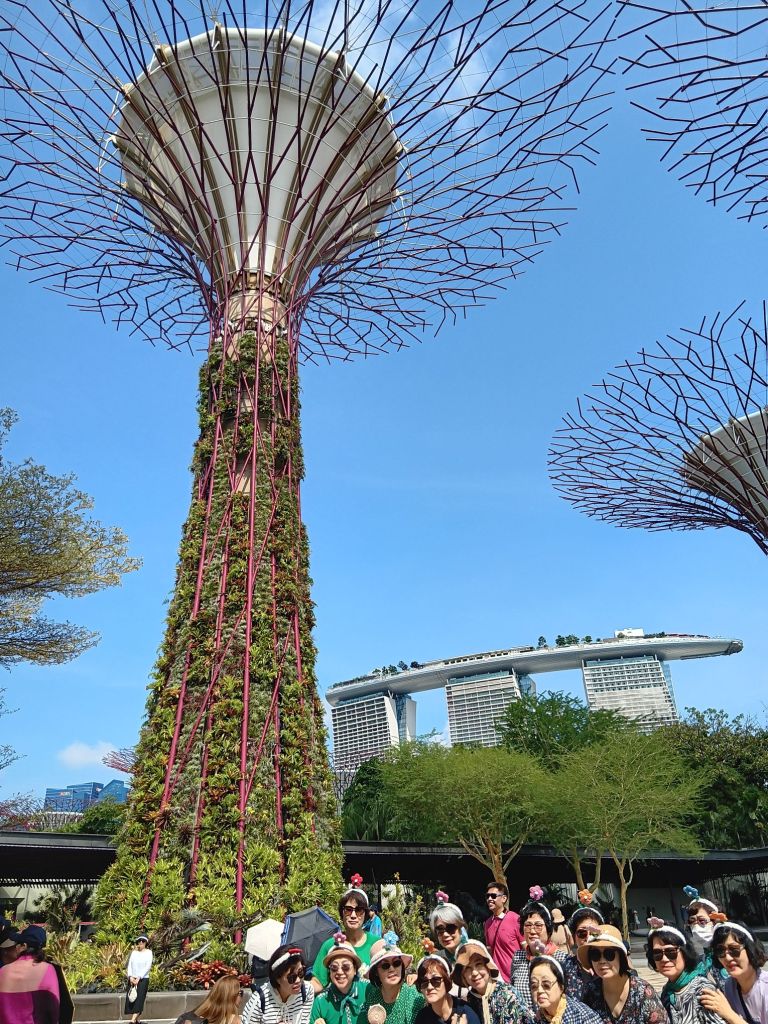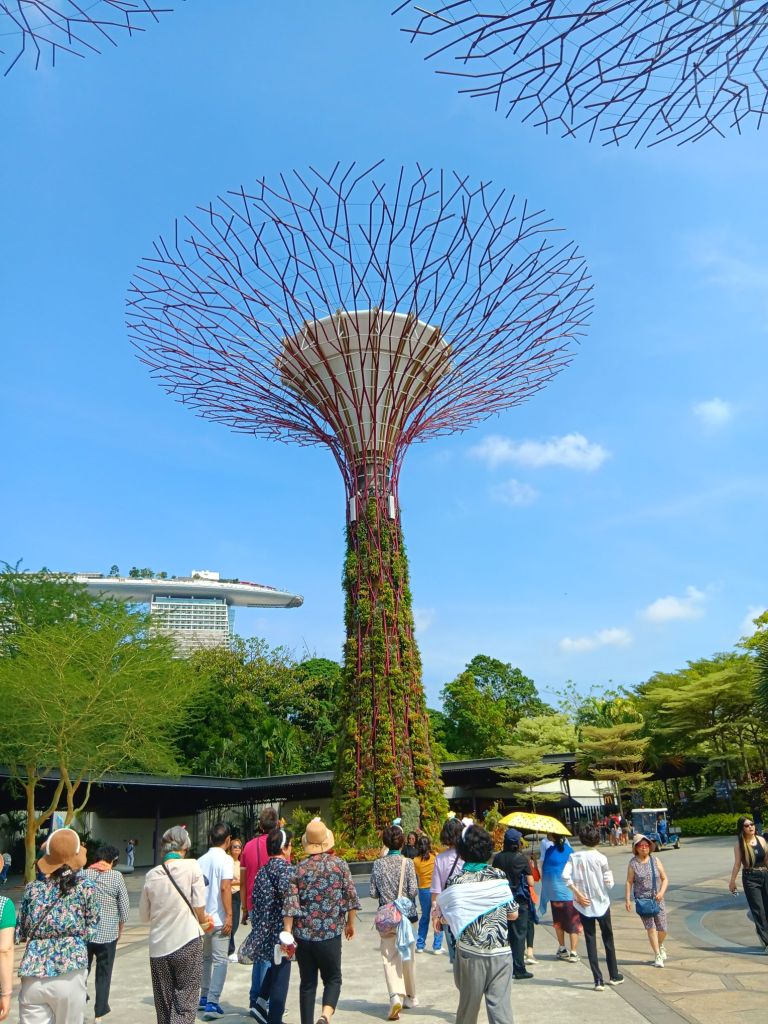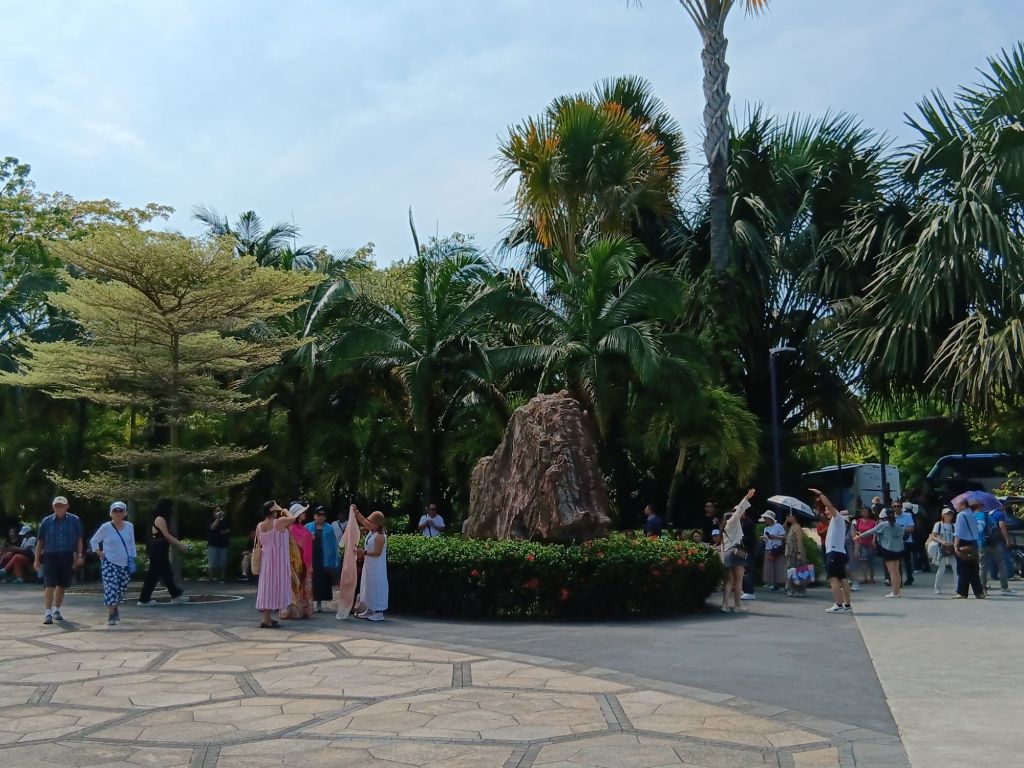
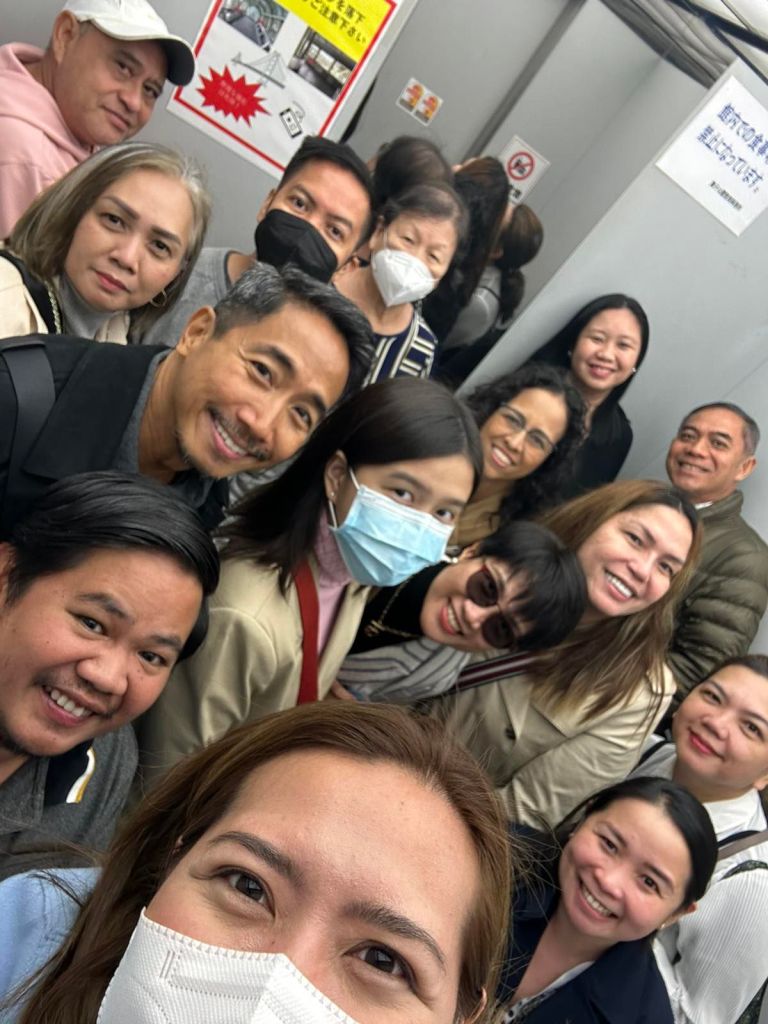
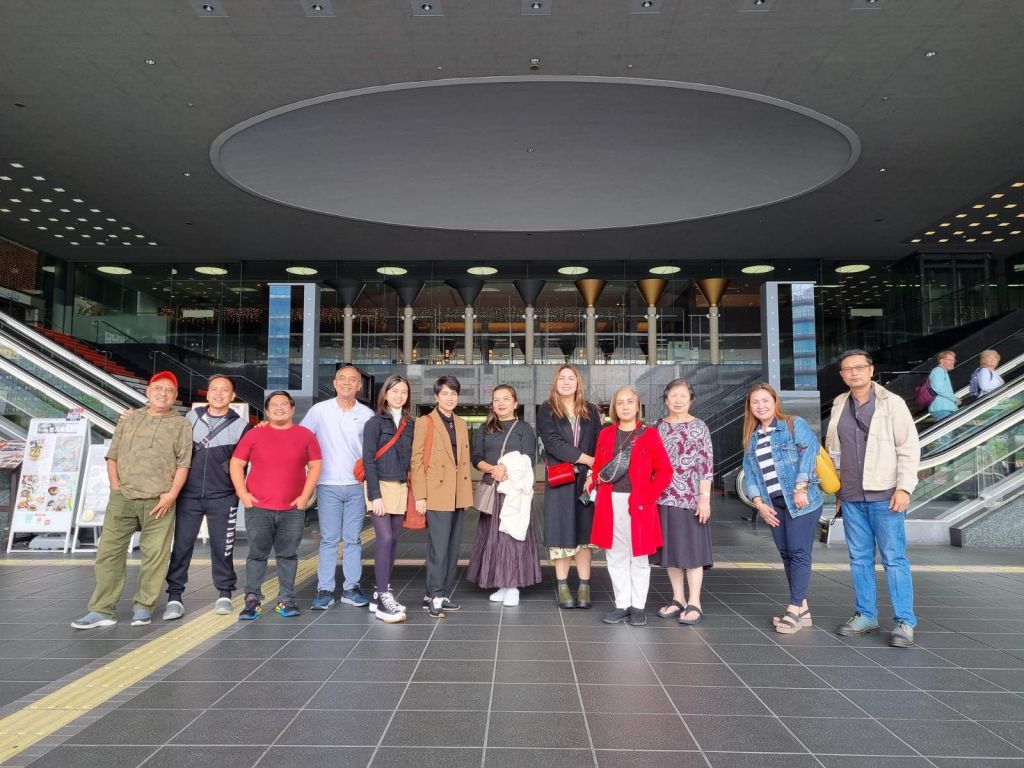
Travel Tips: 10 Travel Etiquette When Travelling with a Mixed Group Travel Agency Arranged Short Tour.

Navigating group travel, especially when organized through a travel agency, requires a delicate balance of consideration, cooperation, and respect for everyone involved. Here are ten essential travel etiquette tips to ensure a smooth and enjoyable journey for everyone in the group:

1. Communication Skills Count:  Stay in touch with your travel companions and the travel agency throughout the planning process. Clearly communicate your preferences, concerns, and any special requirements to ensure everyone’s needs are accommodated.

During conversations avoid talking about personal things. Most of agency arranged travel packages, people only met at the first time. And each has his or her own agenda. You might feel very friendly but its prudent to keep the conversations general. Your new travel mates might not be interested with your latest career development or your children’s awards or your new property or stuff. They might accomodate you and be pleasant about but remember they are there for THEIR vacation and not your biographical party. So keep conversations things that you see and is doing on that trip. For example, talk about how good and flavorful the food during meals. Talk about the view, the climate. Talk about the place history, but keep it minimal that you would end up a lecturer or the tour guide yourself! 
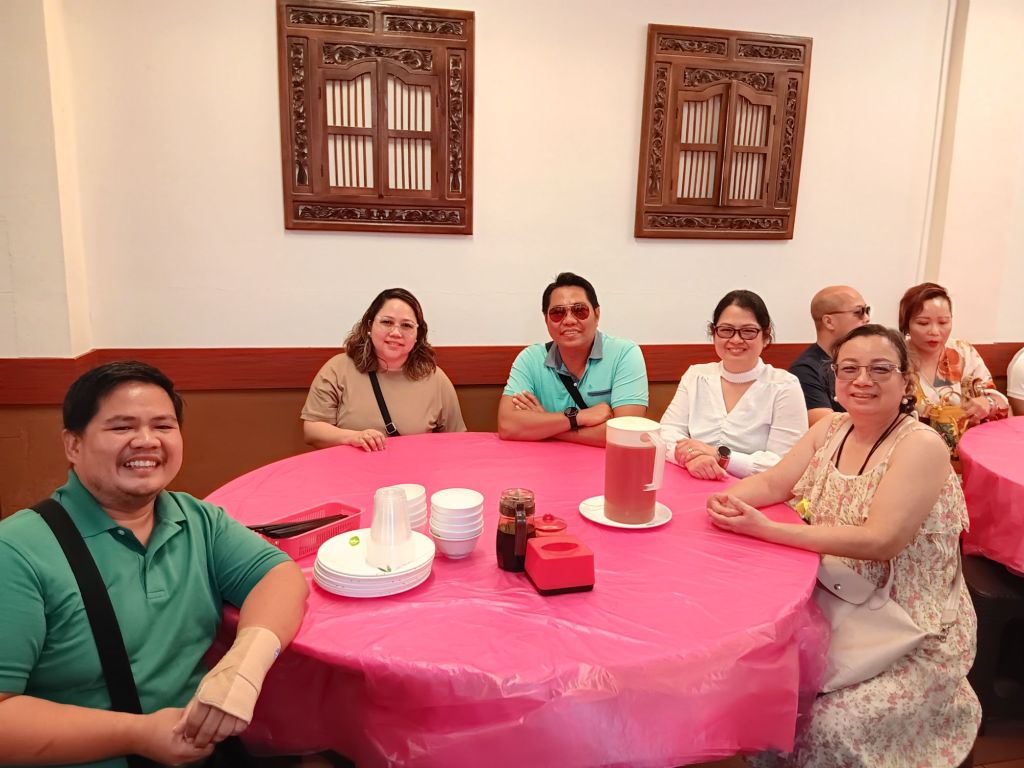
Refrain from mentioning your other trips. They generally are not interested, really.

What I recently discovered is that you sit with the tour guide. This would led the conversation topic in line with the place customs and local experience. Tour guides are usually bubbly. That’s their job and they get paid for it. So start a chat with the tour guide and let him or her direct the conversation. This is one of the reason we travel. We would like to learn new cultures and good stories. In reality nobody likes to listen to ONE story during the entire trip. 
Also, avoid words that are not helpful or outright evil and bad. People go to a vacation to chill and to unwind and to be away for a short time from their world. And the last thing these people would like to hear are harsh words and bad conversation and swearings. If you cant hold your bad tongue, dont go group tour, especially agency arranged group tour. You would be spoiling other peoples vacations and ruining your reputation as well. 

Lastly, if you dont have anything good to say. Keep you mouth closed. Better not engage in new people that you get acquianted with for the first time or occassionally, on a bad conversation and annoying them with your self centered stories. Just be silent, enjoy the moment, smell the fresh air or just do facebook or social media than being a proud, insensitive travel mate. 


2. Respect the Itinerary: While unexpected changes may arise, try to adhere to the planned itinerary as much as possible. Punctuality is key to ensuring that the group stays on schedule and maximizes the travel experience for everyone.
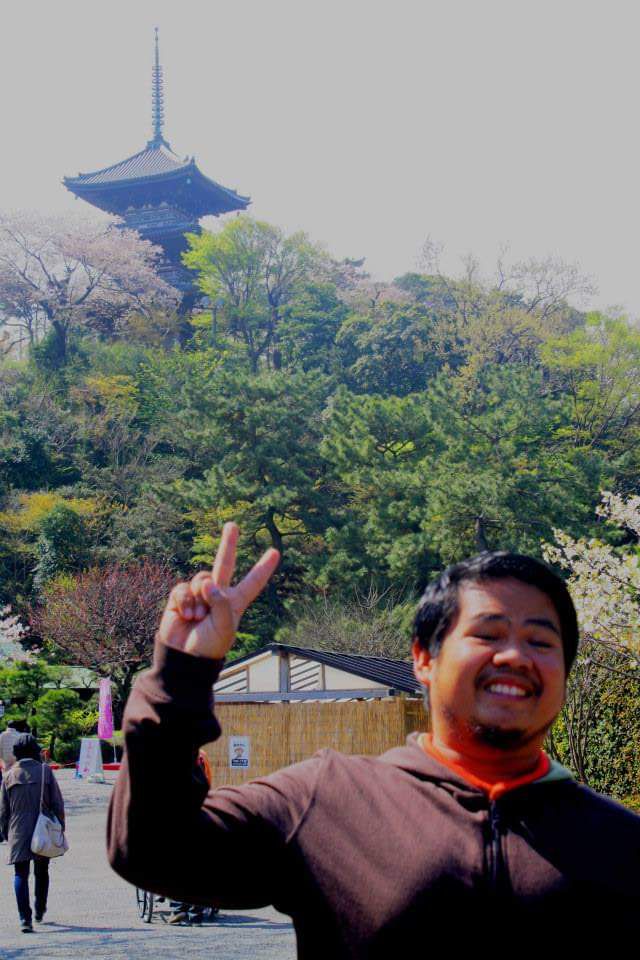
A Japan trip exemplifies thw point when an old tour guide scold us when we arrived late at the bus on our first day. We have a significant lecture there considering that we are all doctors. Then we observed that as he pass through somw police or traffic enforcers they bow at him. Eventually we knew that he was an ex-ambassador of Japan to South East Asian countries, Philippines included! It sobering to realized that we get a good old lesson from a honorable man himself about time keeping. Ofcourse, we arrive early the next day! But not too early as he taught us.

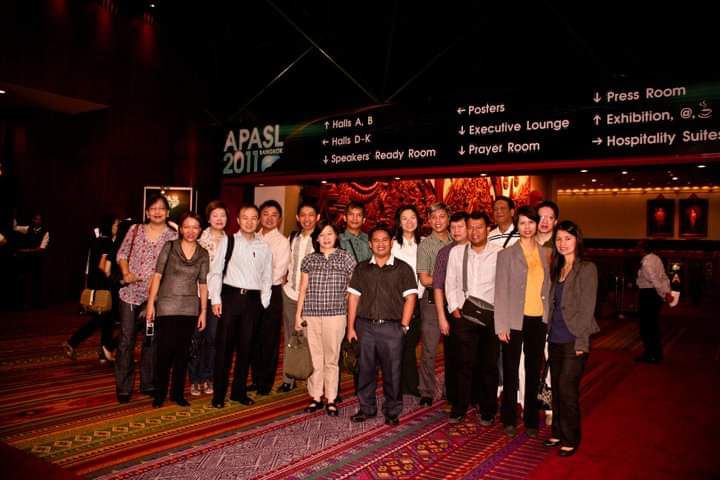
3. Be Flexible: Flexibility is essential in group travel. Understand that compromises may need to be made to accommodate the preferences of the majority. Embrace the opportunity to try new experiences and explore destinations together.

It is common in a mixed group agency arranged tours that some people wants shopping, some wants to try local delicacies while other would like to experience local culture and some would just like to sleep. The best way to resolve this is to talk with the travel agent and if it would be safe and acceptable to the locality, let them just do what they want in a particular fixed time! Ask for a lot of free time if your agendas are different. After all your not family or even friends. Your just acquiantances that had book the same agency, on a same convinient schedule and trying to have a good vacation for yourselves. So yes, there is no need for that group spirit or “were family” stuff. Its your vacation after all, so if it is with in the agencies capacity and the locality permits it, just go do what you want in your vacation without annoying or causing discomfort to your travel mates. Always maintain a good pleasant relationship. But your not family.

4. Respect Personal Space: While group travel often involves spending a lot of time together, it’s important to respect each other’s personal space. Avoid monopolizing conversations or activities and be mindful of boundaries.

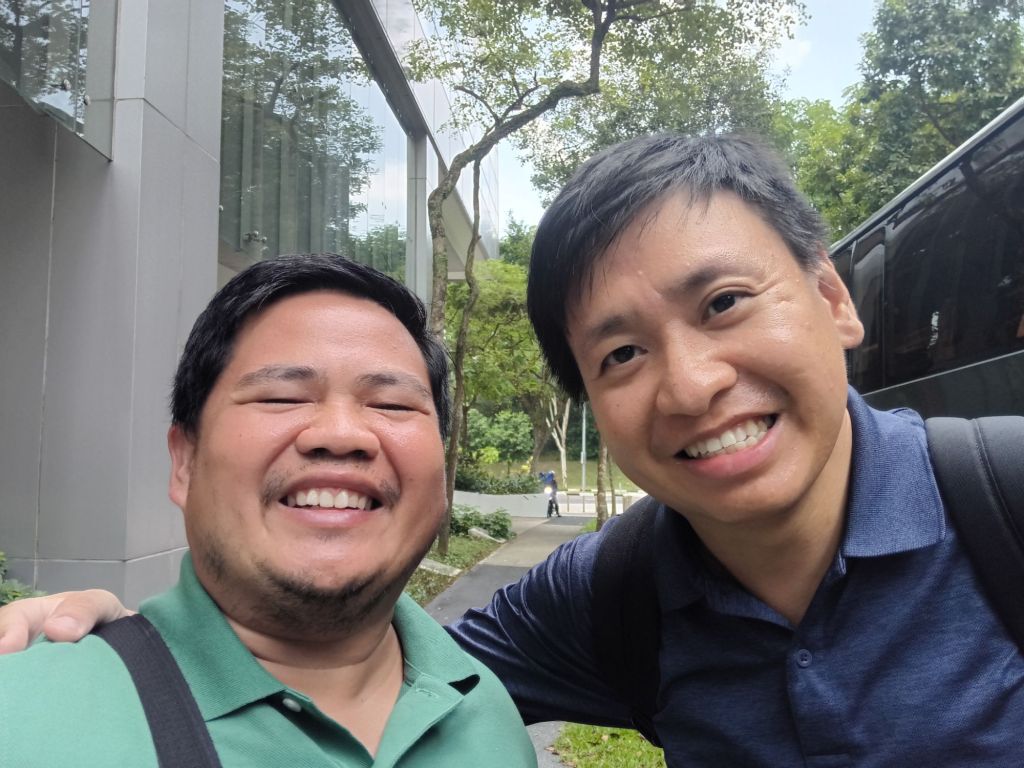
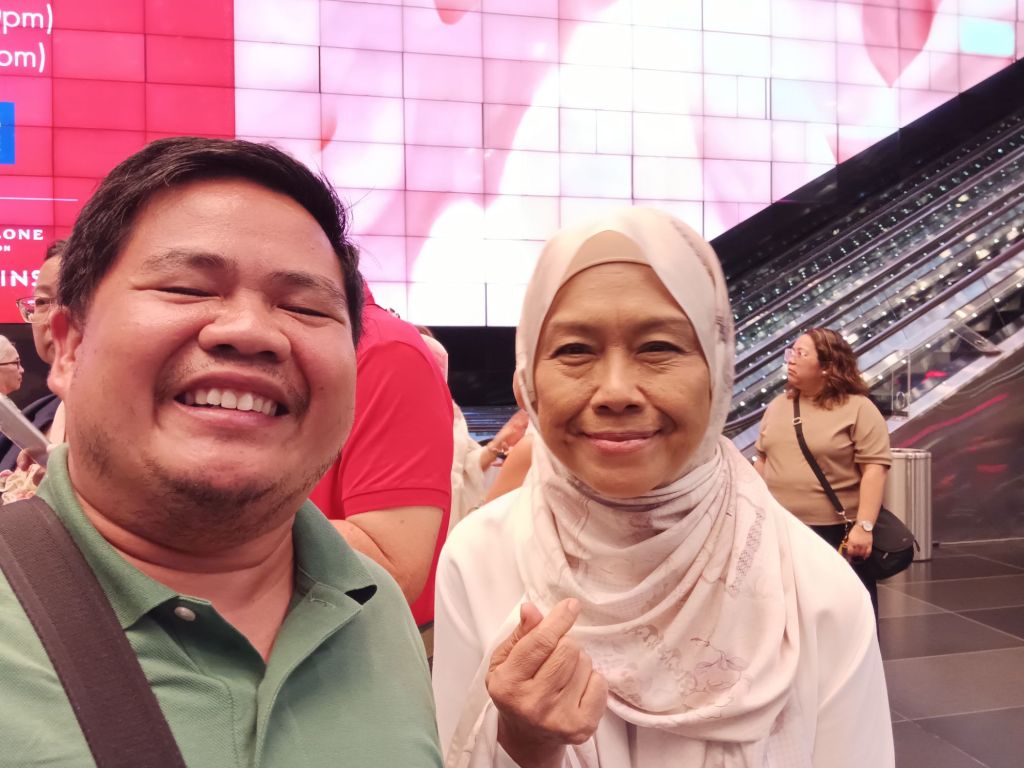
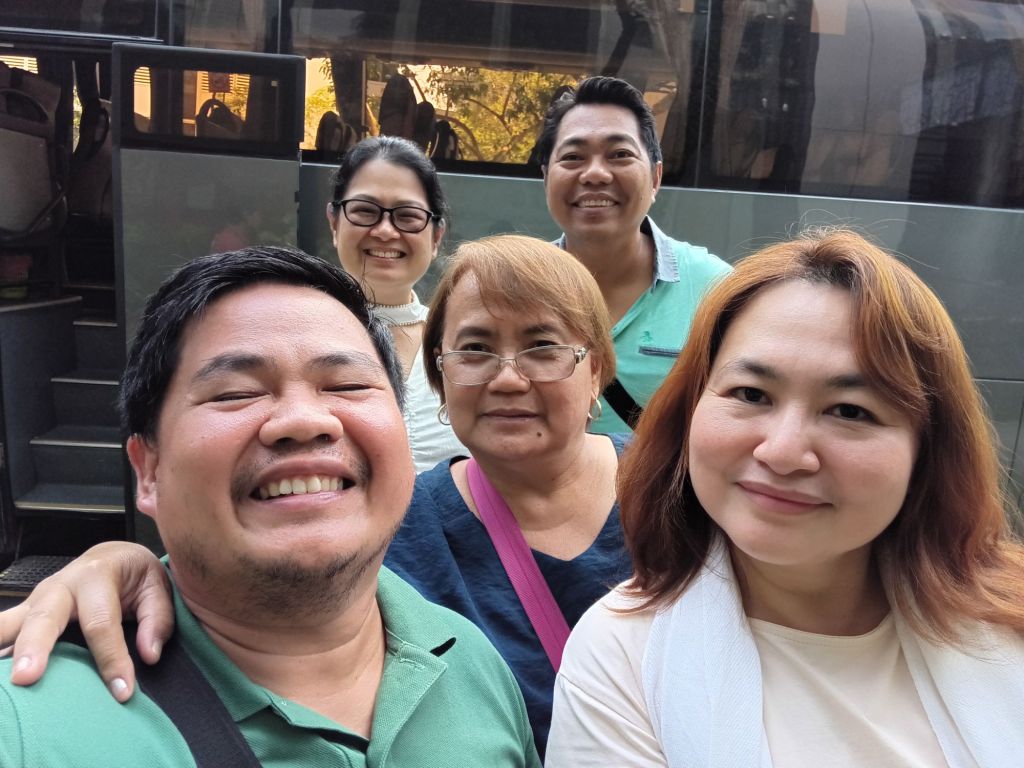
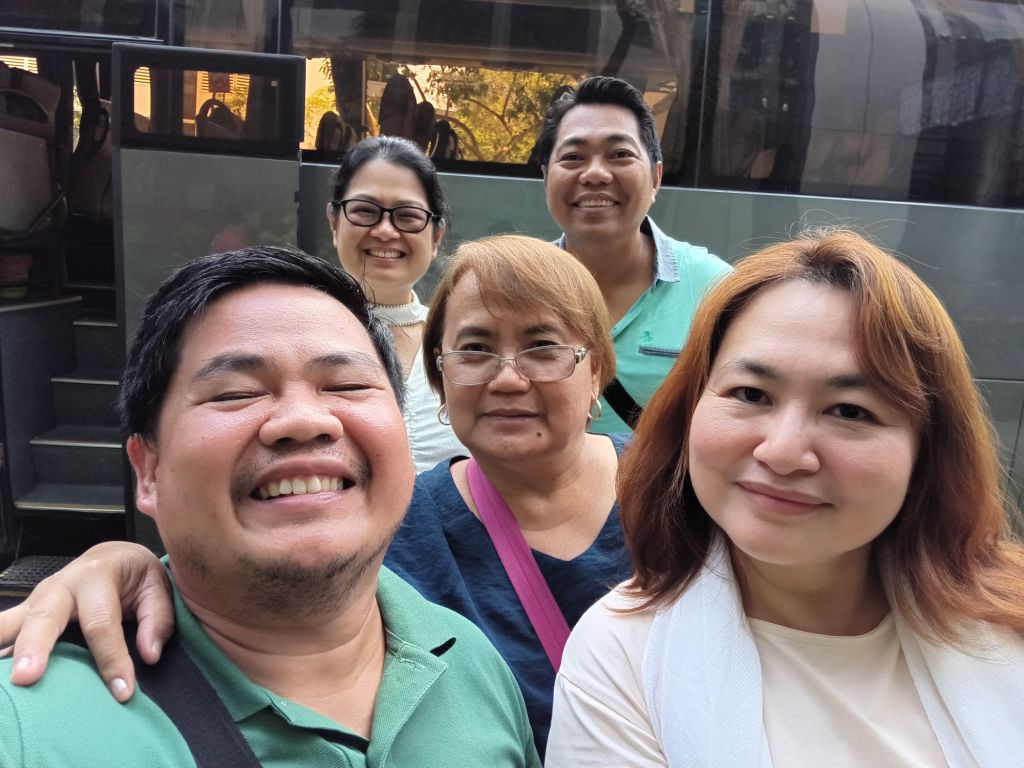
To mention, avoid physically touching people you just knew within hours. Personally, im affectionate to those who a close to me. I usually tap on the shoulder, make beso beso with friends and do some hugs. But i dont want it with a complete stranger i knew 2 hours ago to be my travel mates! This might be a very annoying or even assulting experience to some. So keep your dealing with your 5 days vacation agency arranged travel mates to words only policy. Definitely no touching. If ever they extend hands for a shake that’s it.
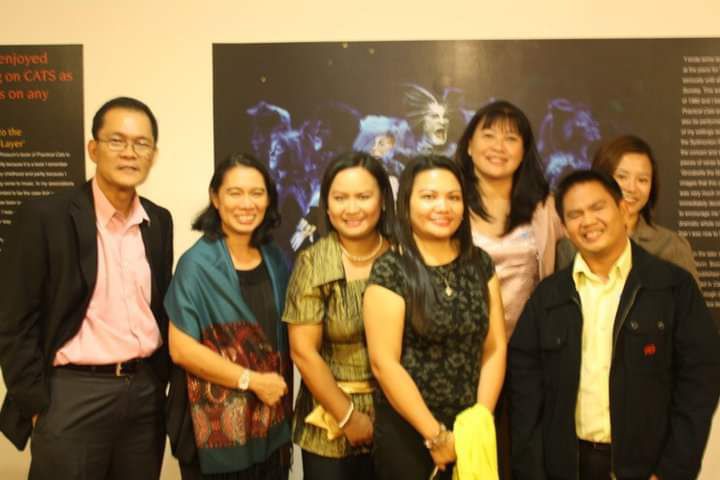


5. Practice Patience and Tolerance: Group dynamics can be challenging, especially when individuals come from different backgrounds and cultures. Practice patience, tolerance, and empathy towards your fellow travelers, especially during stressful situations.
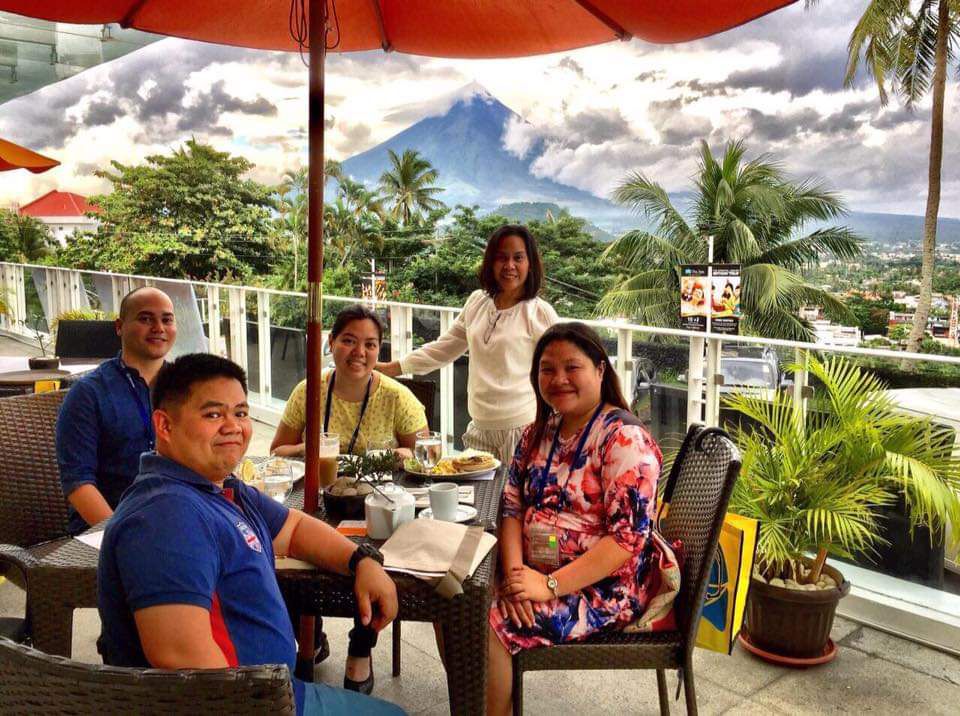
6. Share Responsibilities: Help lighten the load for your fellow travelers and the travel agency by sharing responsibilities. Offer to assist with tasks such as carrying luggage, navigating directions, or organizing group activities.

Especially with Senior travels mates and those with personal disability. Be considerate of them. Now , lets be honest there are times where we would like to do some things and on a mixed group agency arranged travel there are Seniors and PWDs. If you feel that you need to do somethings during a particular schedule such as a hike or a city tour, you can communicate with the travel agent representative or tour guide to help these people out. You may have them sit of a coffee shop or a bench to wait until everybody is done. Dont neglect them. Entrust them and take care of them. For all you know time will come that you would be the Senior traveller or a traveller with PWD.
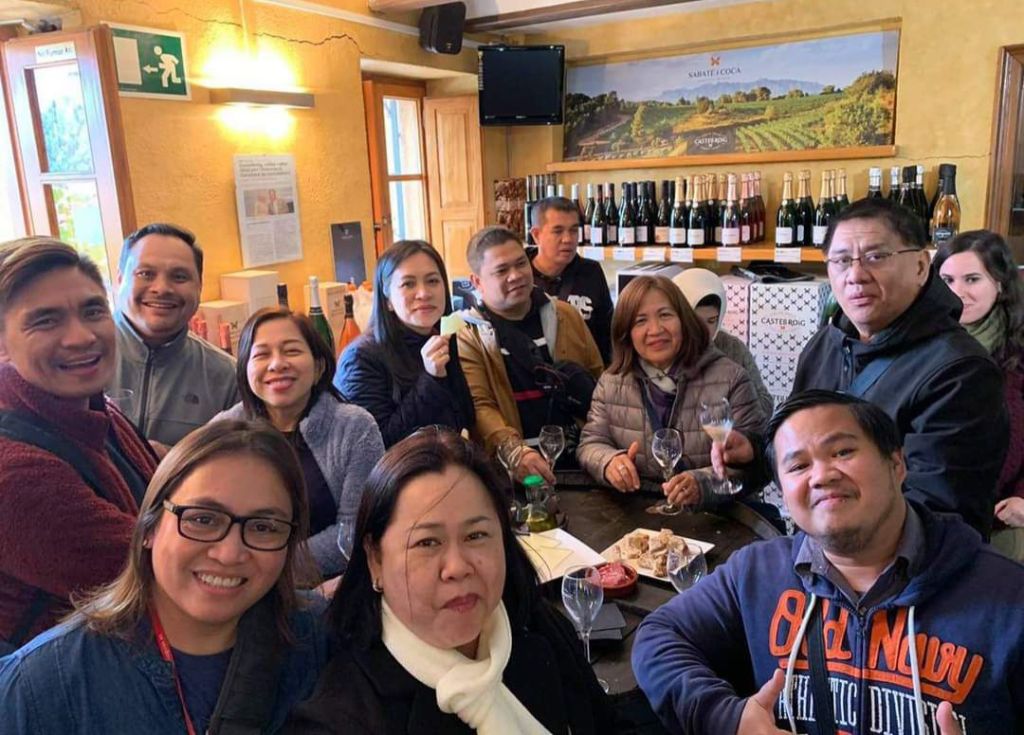

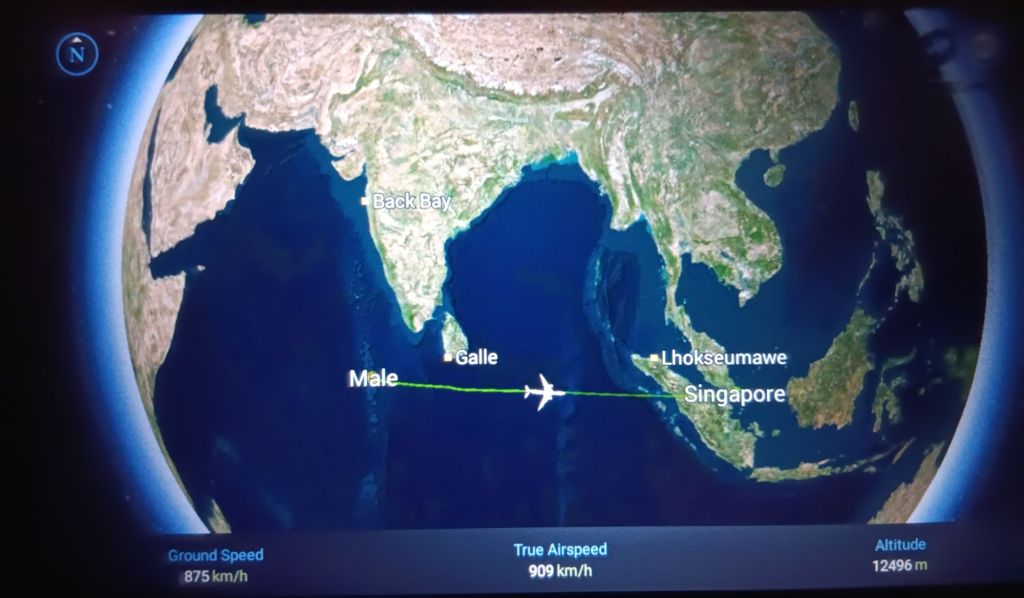
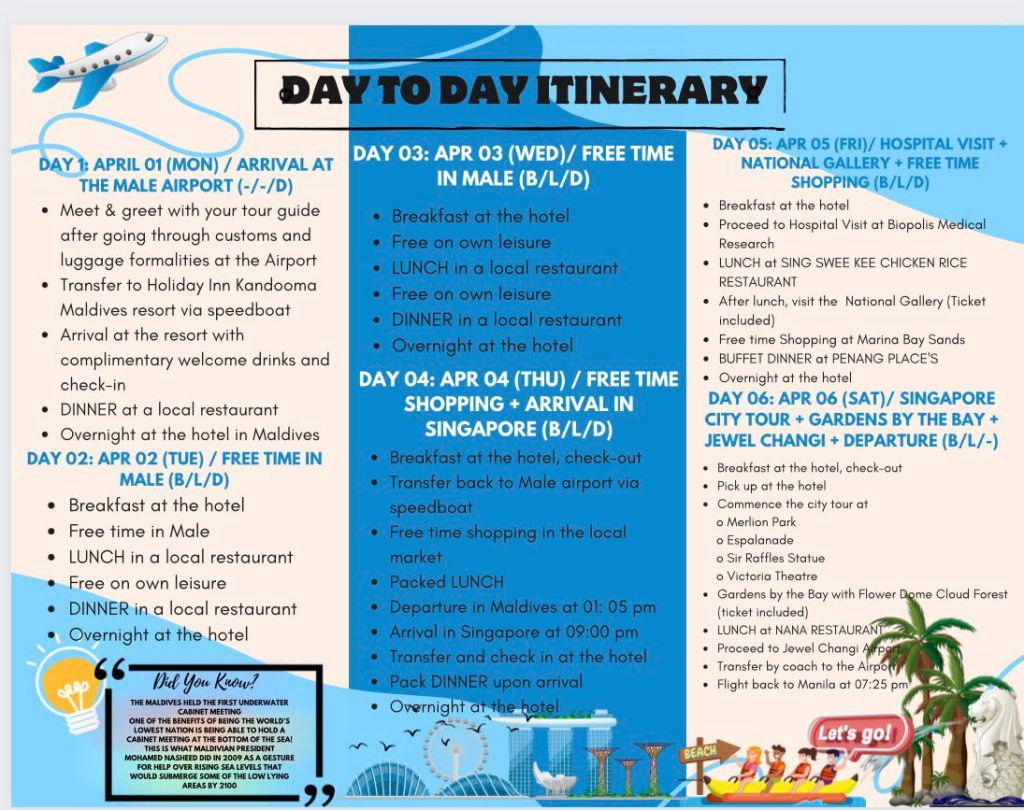
Had a wrist fracture 6 weeks prior to a travel in Maldives and Singapore. Its not easy to travel with a healing fracture and I appreciate every individual who assisted me on this trip. Madamo na salamat

7. Follow Local Customs and Laws: Familiarize yourself with the customs, traditions, and laws of the destinations you’ll be visiting. Show respect for the local culture and abide by any rules or regulations to avoid causing offense or getting into trouble.

8. Be Considerate in Shared Spaces: Whether it’s the hotel lobby, tour bus, or dining area, be considerate of others in shared spaces. Keep noise levels down, clean up after yourself, and respect the property and belongings of others.

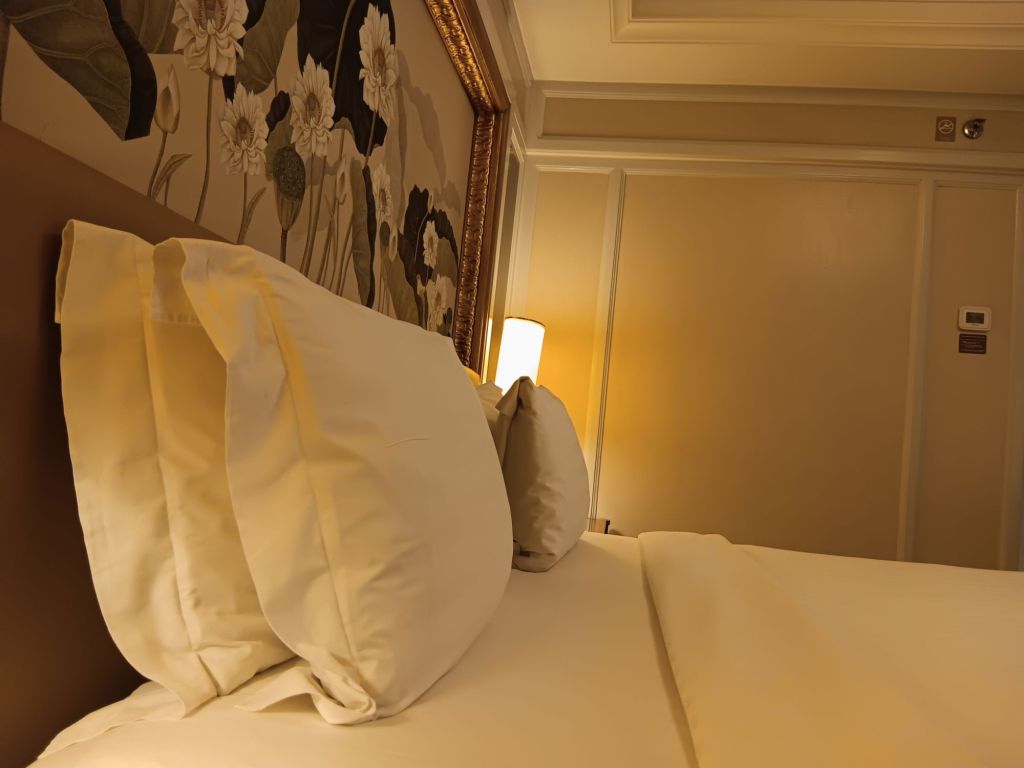
Agency arranged trips the room is for sharing for individual clients. My usual rule of thumb if I would have a chance to know my room mate prior to the actual trip. I had a bad set of experience on such a having a room mate that does not jive with me. So if you would know the person you would be sleeping with the same room for 5 days to a week or more that would be great. Also I tell my room mate I snore loudly. For a proper disclaimer prior. Because if a room mate cant tolerate such a loud nocturnal concert better have it arranged prior or at the onset of the tour.
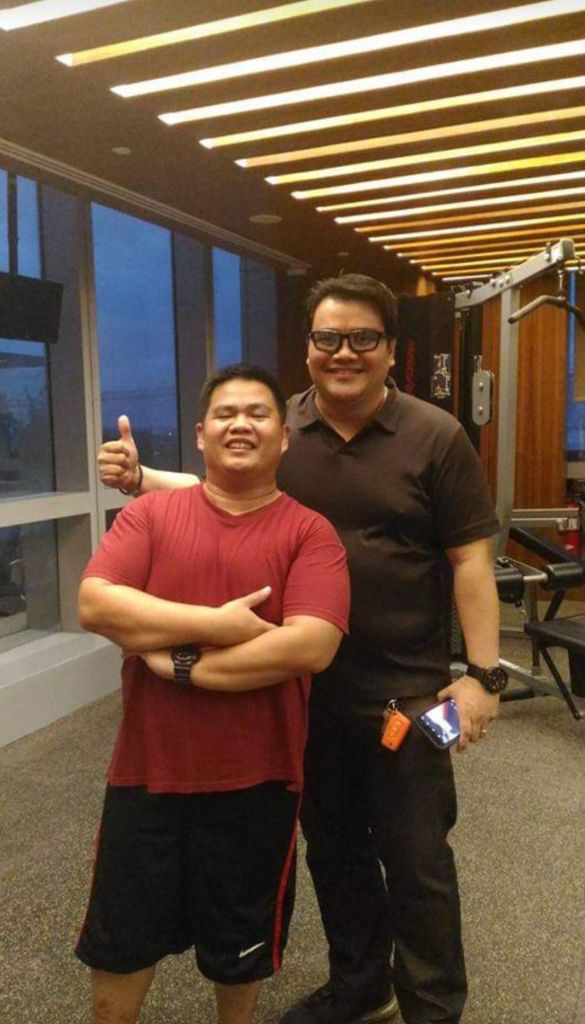
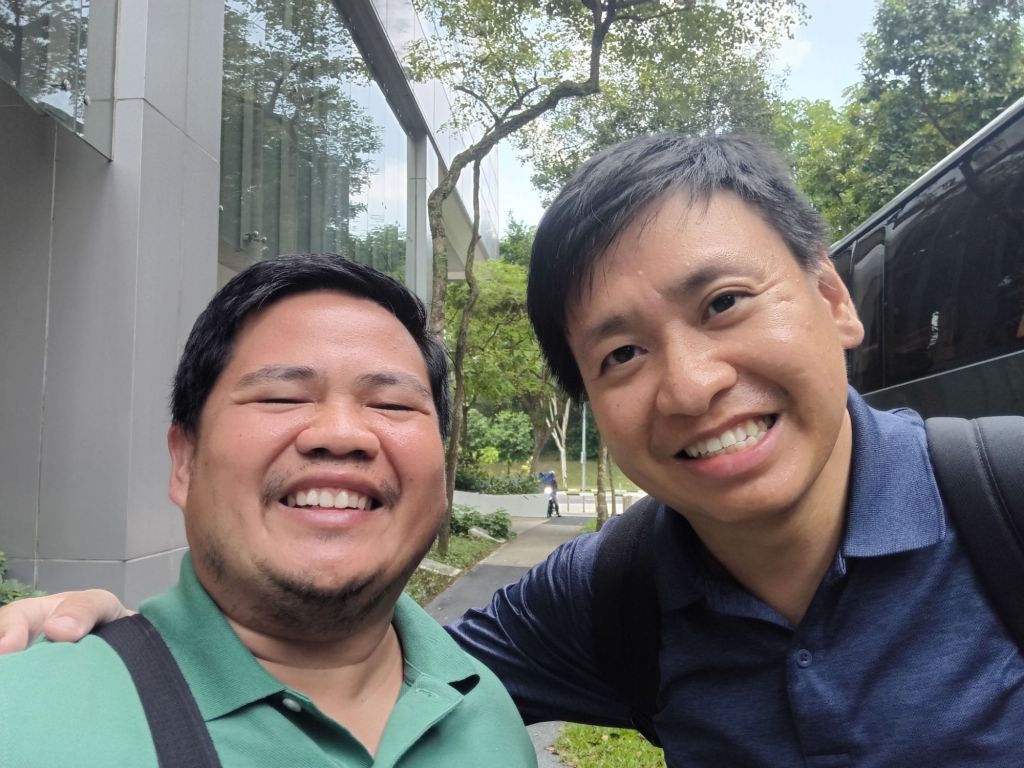
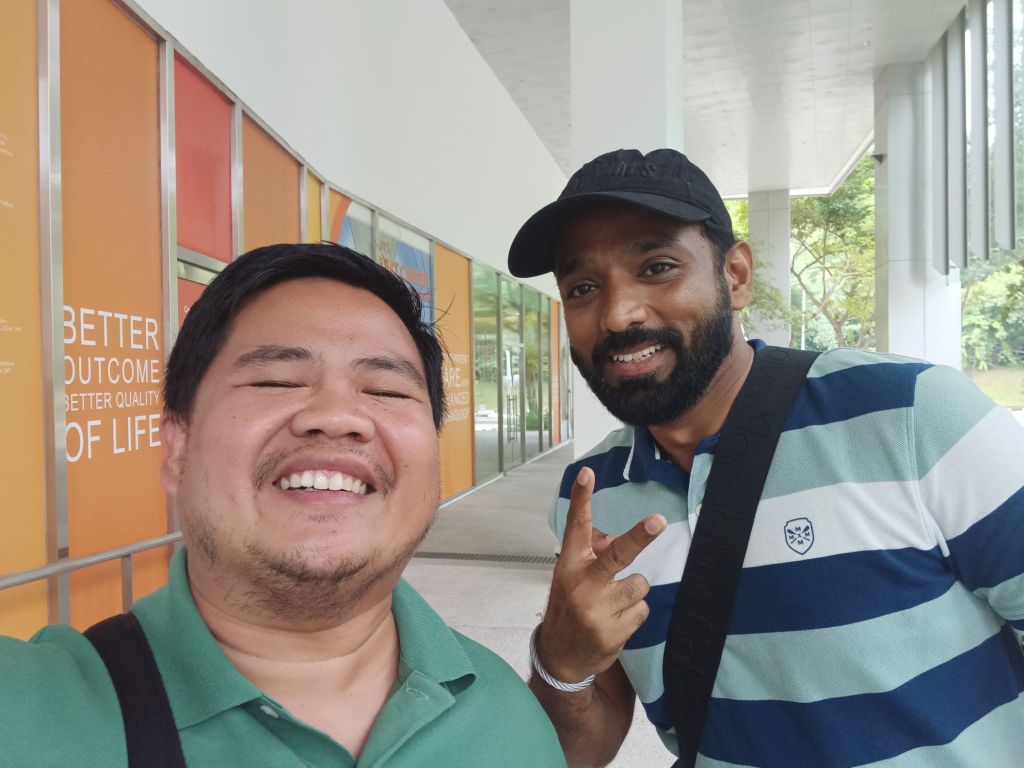
Dr Mike Belonio had been my room mate during our LEAD PH training. And indeed he had a front seat during my nocturnal concerts. 😂😂😂


9. Resolve Conflicts Amicably: Conflicts may arise during group travel, but it’s important to address them calmly and respectfully. Instead of escalating disagreements, strive to find compromises and solutions that satisfy everyone involved.

My advise, have the travel agency representative or the tour guide handle the issue resolution. You have just known each other hours or days. You definitely have millions of differences. Remember such diffrences should only be settled on a social level. It should not be level on a personal level. If an agency arranged travel mate have a issue with your snoring, you dont need to definitely settle it during the trip or even be ashamed of it. Just have that travel mate be assigned with another room. Thats it. If a travel mate has an issue of some companions smoking or going out every evening, just let the agency arrange that these travel mates be assigned on a different bus or room or sitting arrangement and etc. You dont need to be enligthened spiritual leader to tell them and “fix” their “issues.” Agency arranged travel mates does not concern themselves with what political view, religious belief or customs of the home. Your just a 5 days acquiantance having book at the same time, always remember that. And you will have less stress with your travel mates.
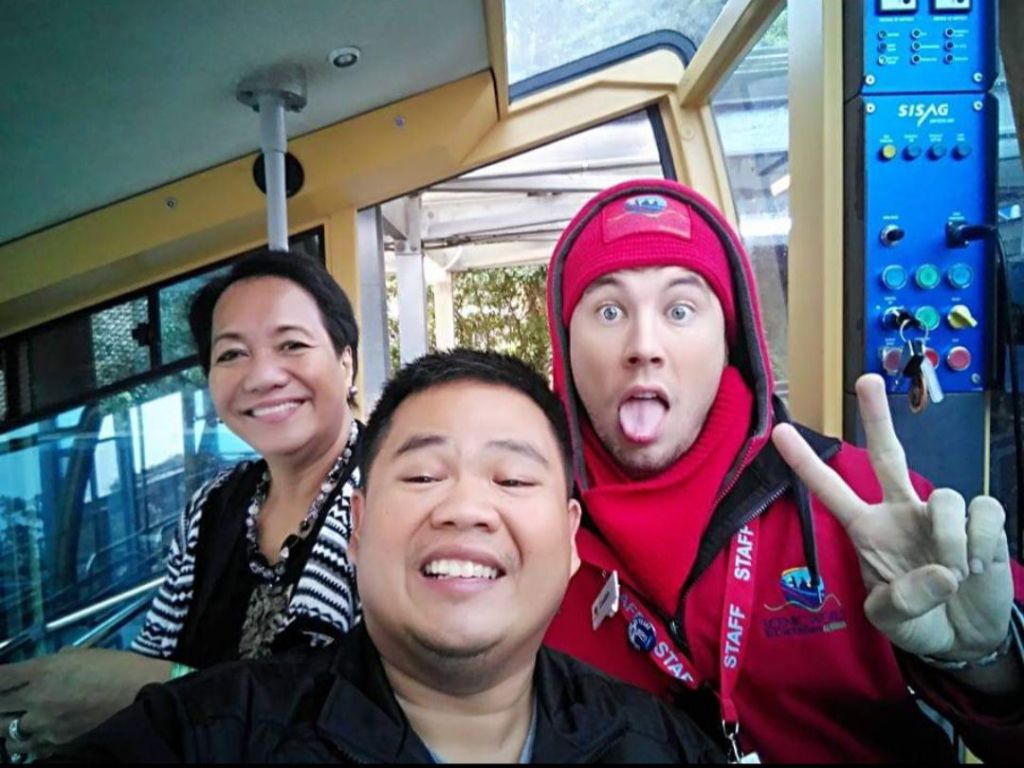
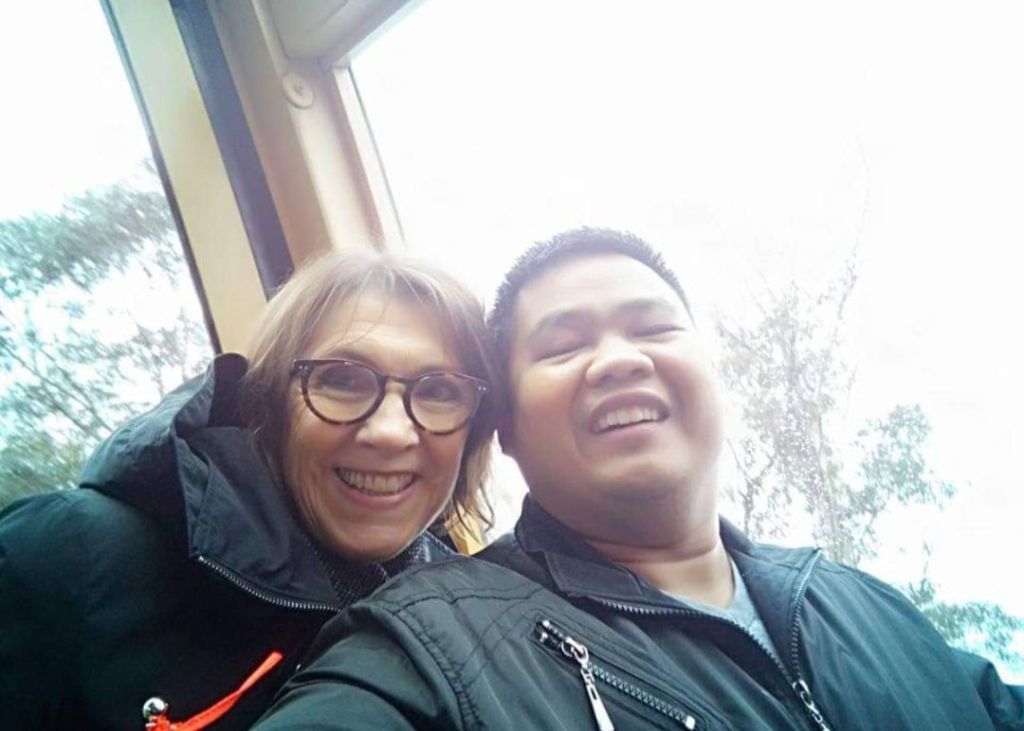
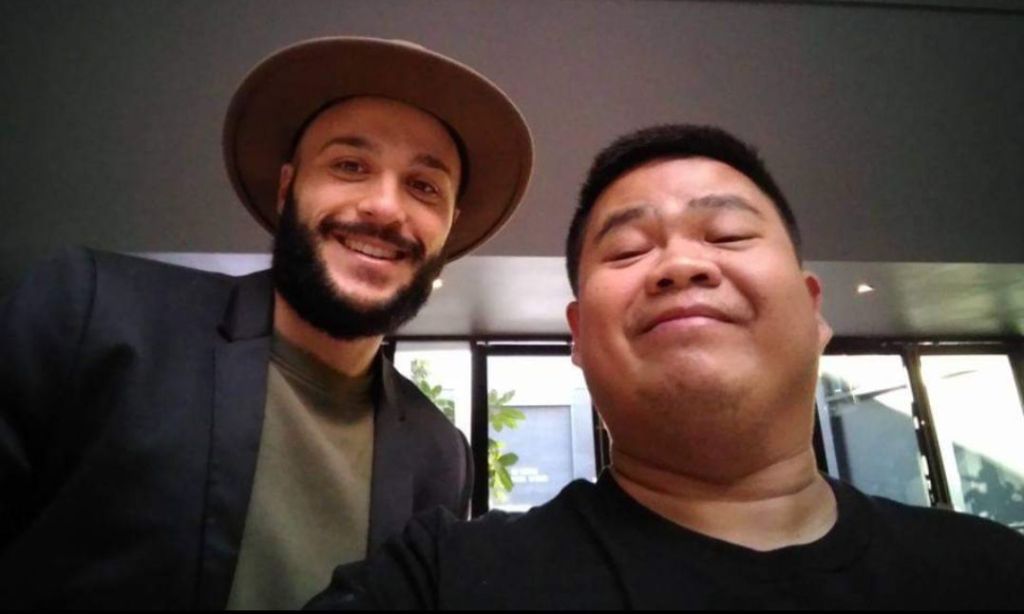
10. Express Gratitude: Show appreciation for the efforts of your travel companions and the travel agency throughout the trip. A simple thank you goes a long way in fostering positive relationships and creating lasting memories together.
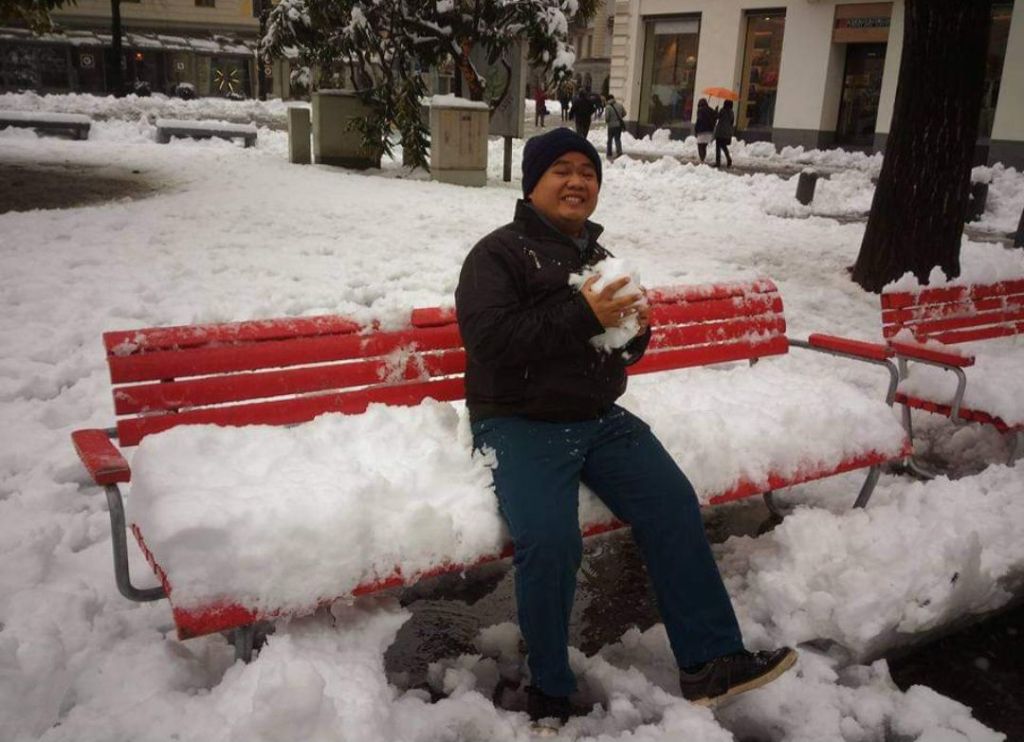
By adhering to these travel etiquette guidelines, you can contribute to a harmonious and memorable group travel experience for everyone involved.
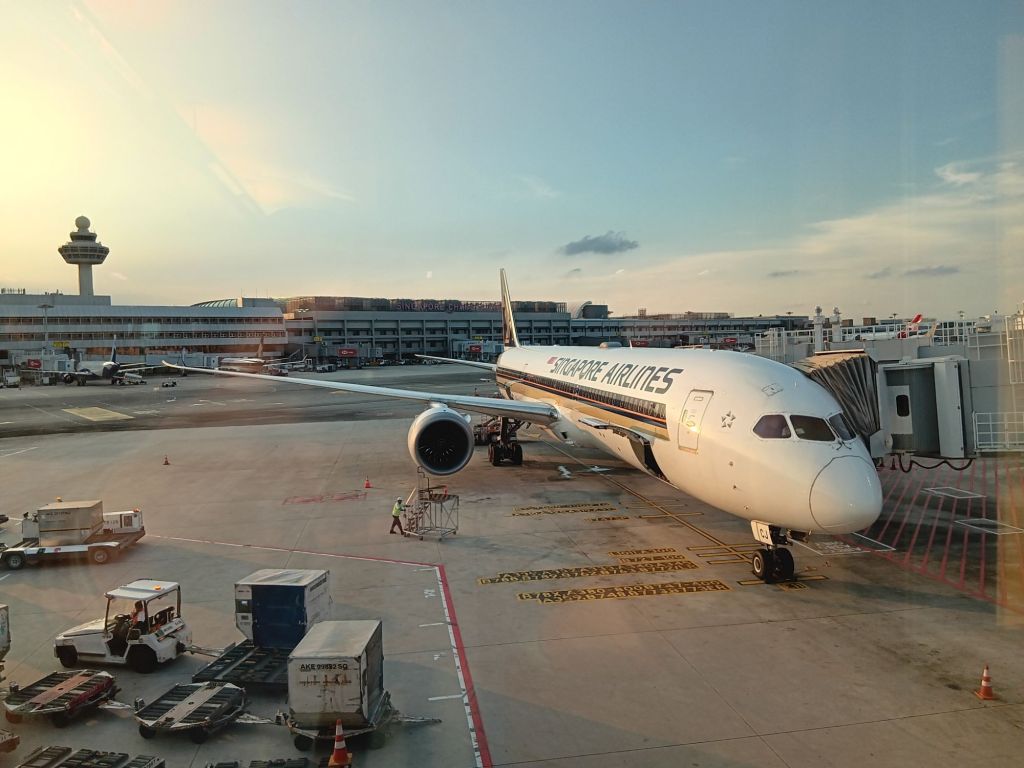
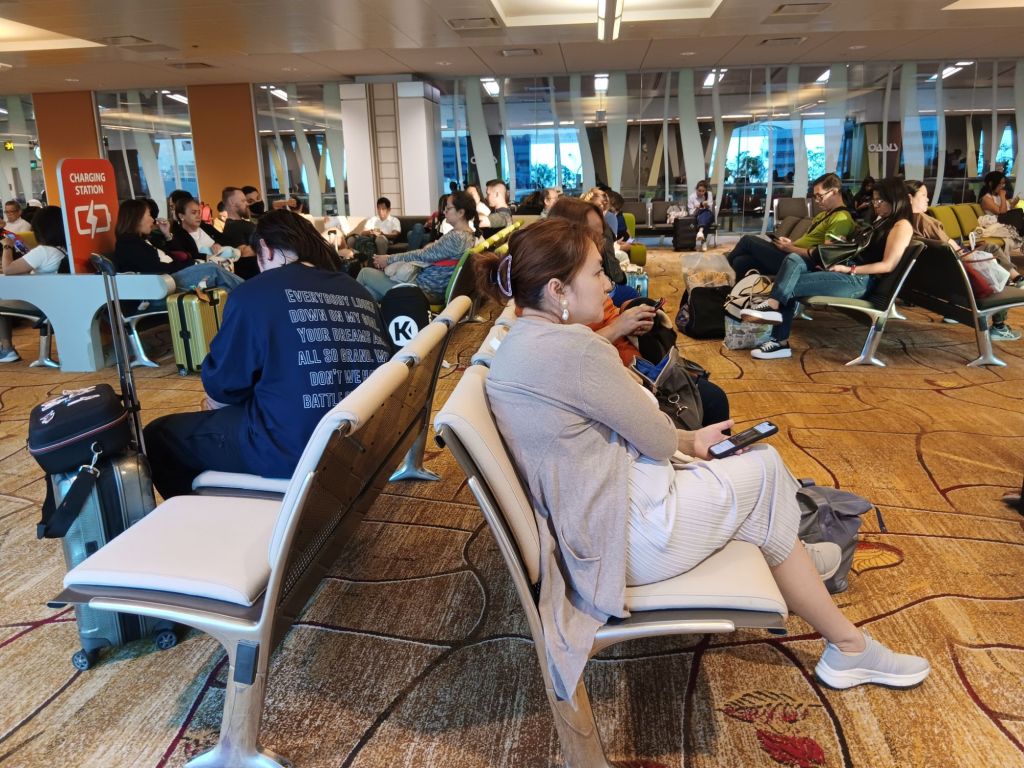
Why Do I Travel With: Singapore Airlines

Flying with Singapore Airlines: A Journey Beyond Expectations

Here’s why I choose to soar with them time and time again.

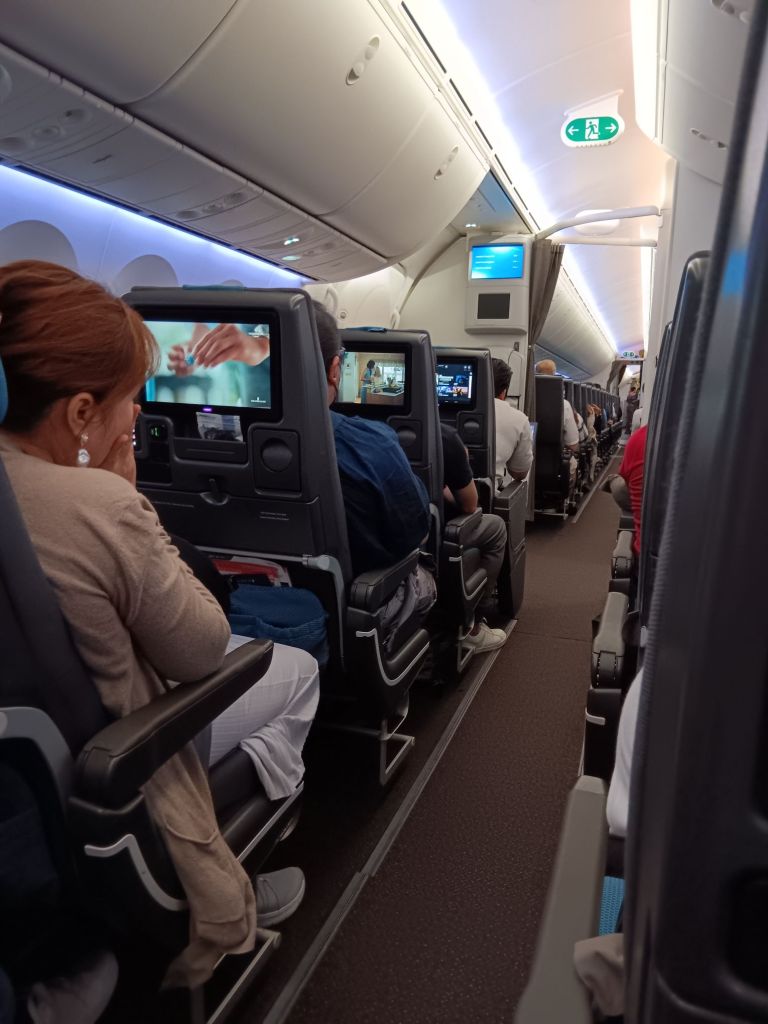
1. Service Excellence: From the moment you step aboard, you’re enveloped in an atmosphere of warmth and hospitality. The cabin crew, meticulously trained to anticipate your needs, go above and beyond to ensure your journey is nothing short of exceptional. It’s not just about getting from point A to point B; it’s about the experience along the way.

Im glad that I dont have to touch a button to flush the toilet


2. Culinary Delights at 30,000 Feet: Forget about bland, uninspired airplane food. Singapore Airlines takes in-flight dining to new heights, quite literally. With an array of gourmet dishes crafted by celebrated chefs, every meal is a culinary adventure. Whether you’re craving local delicacies or international fare, their menu caters to every palate with finesse.


3. Unparalleled Comfort: Long-haul flights can be grueling, but Singapore Airlines transforms them into a haven of comfort. From spacious seats that recline into cozy beds to luxurious amenities that pamper you throughout the journey, every detail is thoughtfully designed to ensure you arrive at your destination feeling refreshed and rejuvenated.
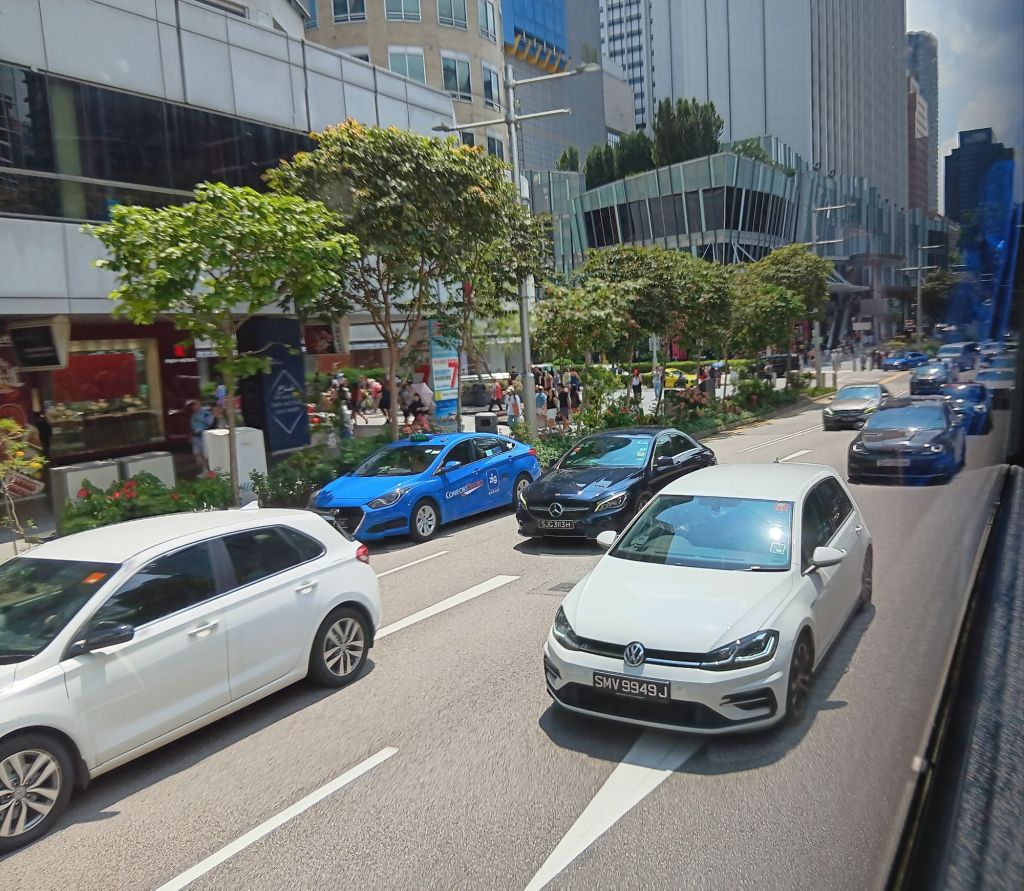


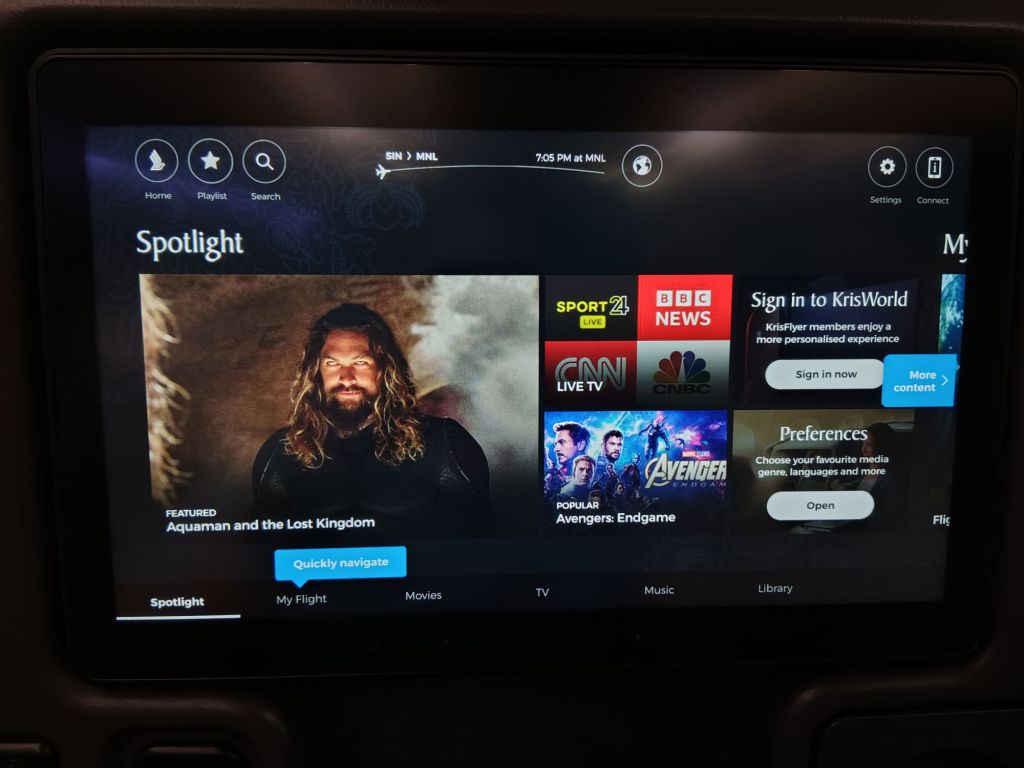
4. Cutting-Edge Entertainment: Bid farewell to boredom with Singapore Airlines’ extensive selection of entertainment options. From blockbuster movies to immersive games to curated playlists, there’s something to keep passengers of all ages entertained throughout the flight. With high-definition screens and noise-canceling headphones, the in-flight entertainment experience is truly unparalleled.
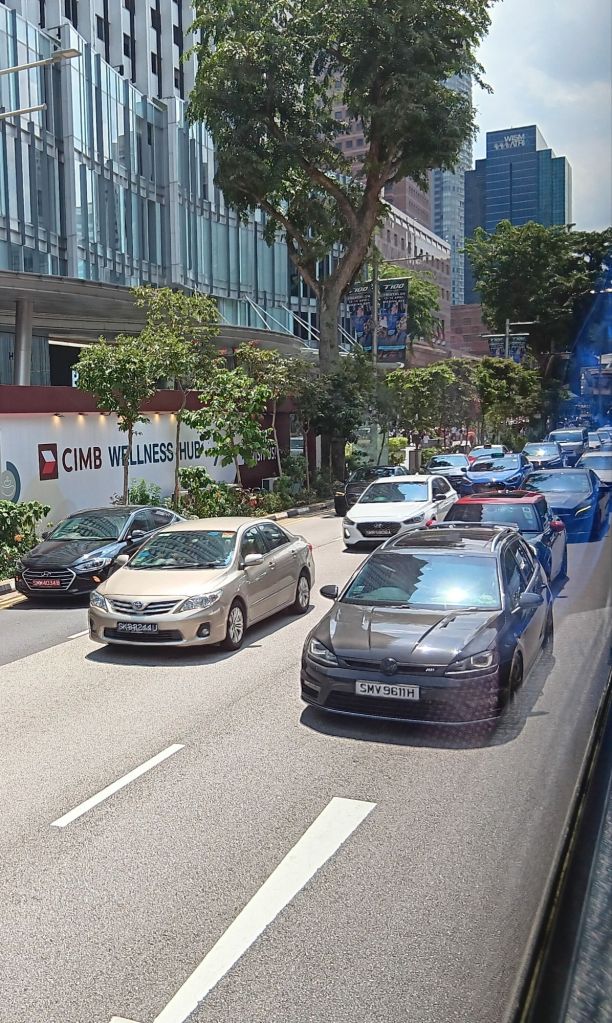
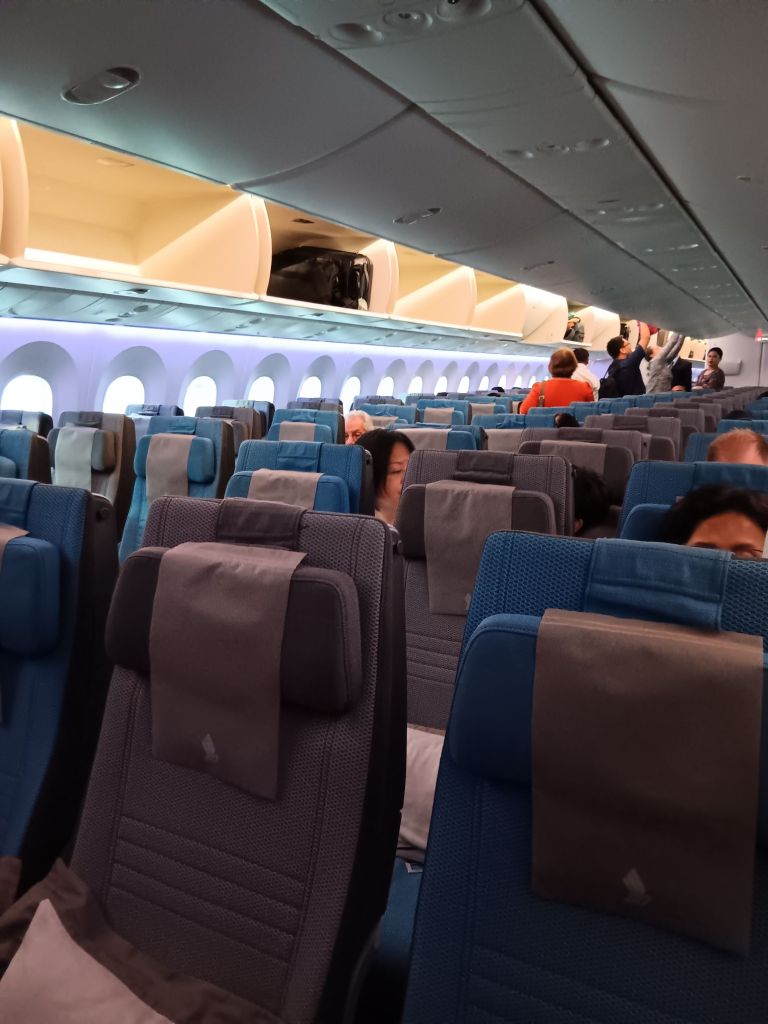
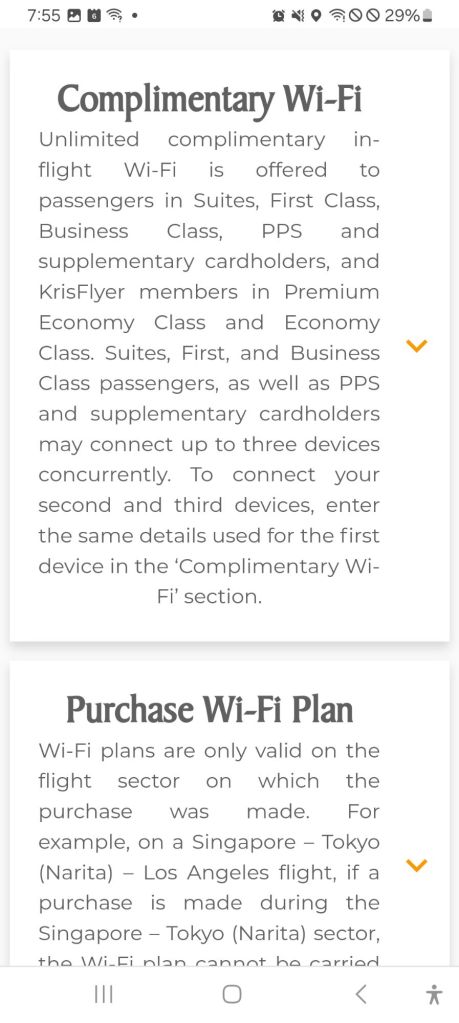
Singapore airlines have wifi services in flight it may be complimentary on business class and members or you may purchase using yoir credit card

5. Commitment to Sustainability: As a responsible global citizen, Singapore Airlines is committed to minimizing its environmental footprint. From investing in fuel-efficient aircraft to implementing eco-friendly practices onboard, they strive to make air travel more sustainable without compromising on quality or comfort.
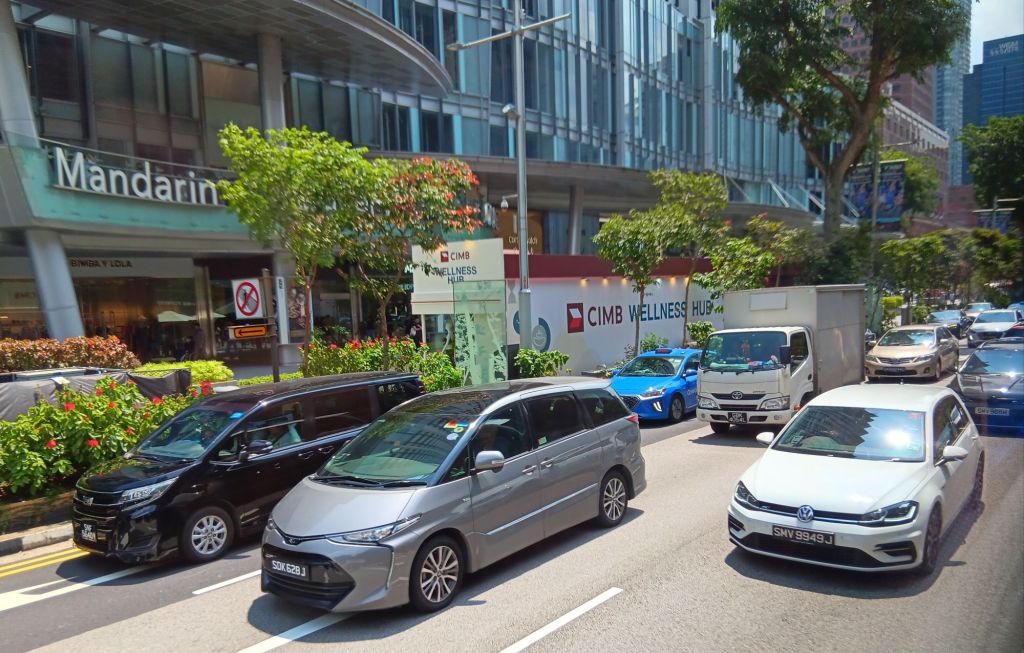
6. Seamless Connectivity: With an extensive network of routes spanning the globe, Singapore Airlines connects you to your desired destination with ease. Whether you’re jetting off for business or leisure, their seamless connectivity ensures a hassle-free travel experience from start to finish.


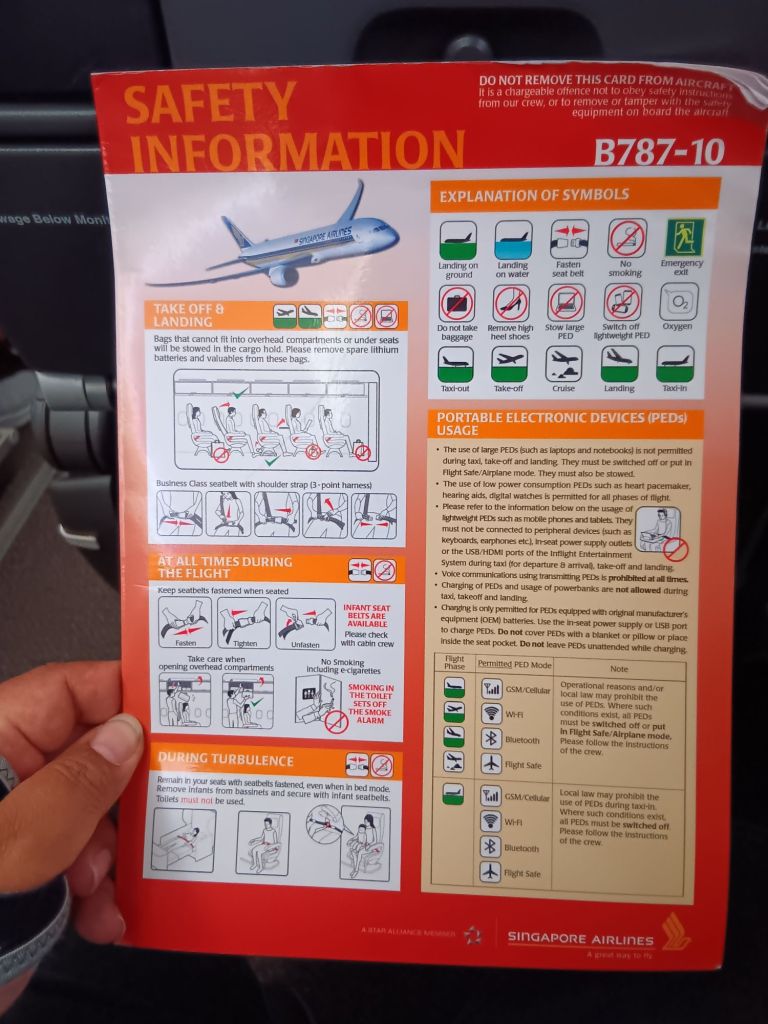
7. Safety First: Above all, Singapore Airlines prioritizes the safety and well-being of its passengers. With rigorous safety protocols, state-of-the-art technology, and a highly trained crew, you can rest assured knowing you’re in good hands every step of the way.


In a world where travel has become more about getting there quickly than enjoying the journey, Singapore Airlines stands out as a beacon of excellence. From their unparalleled service and culinary delights to their commitment to sustainability and safety, every aspect of the Singapore Airlines experience is crafted with the passenger in mind. So the next time you take to the skies, why settle for anything less than extraordinary? Choose Singapore Airlines and embark on a journey beyond expectations.

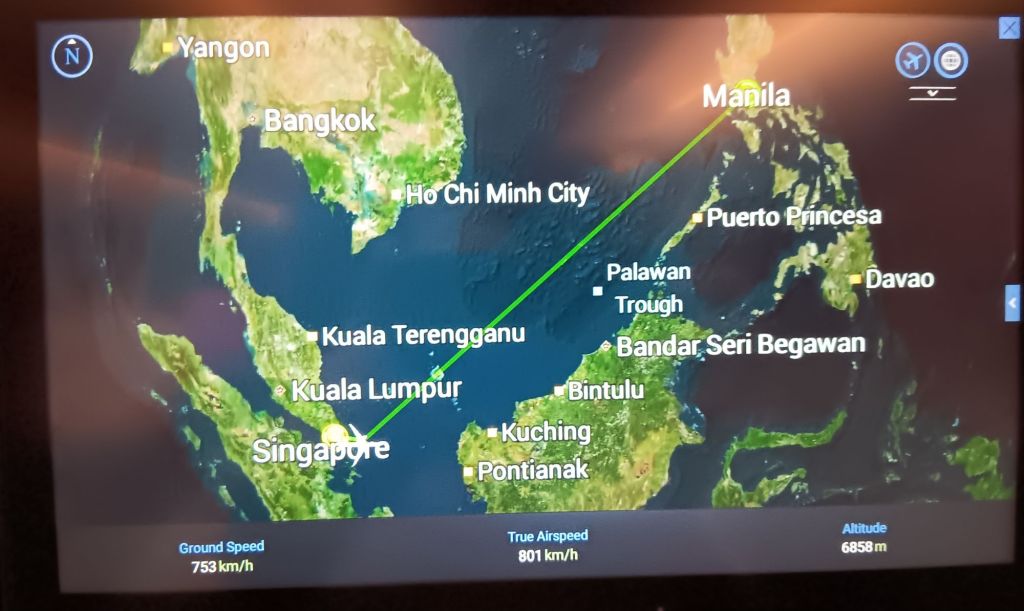
Finally arrived back in the Philippines 😀❤️

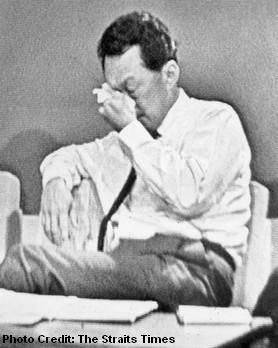
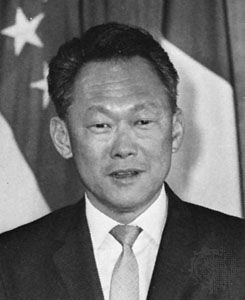
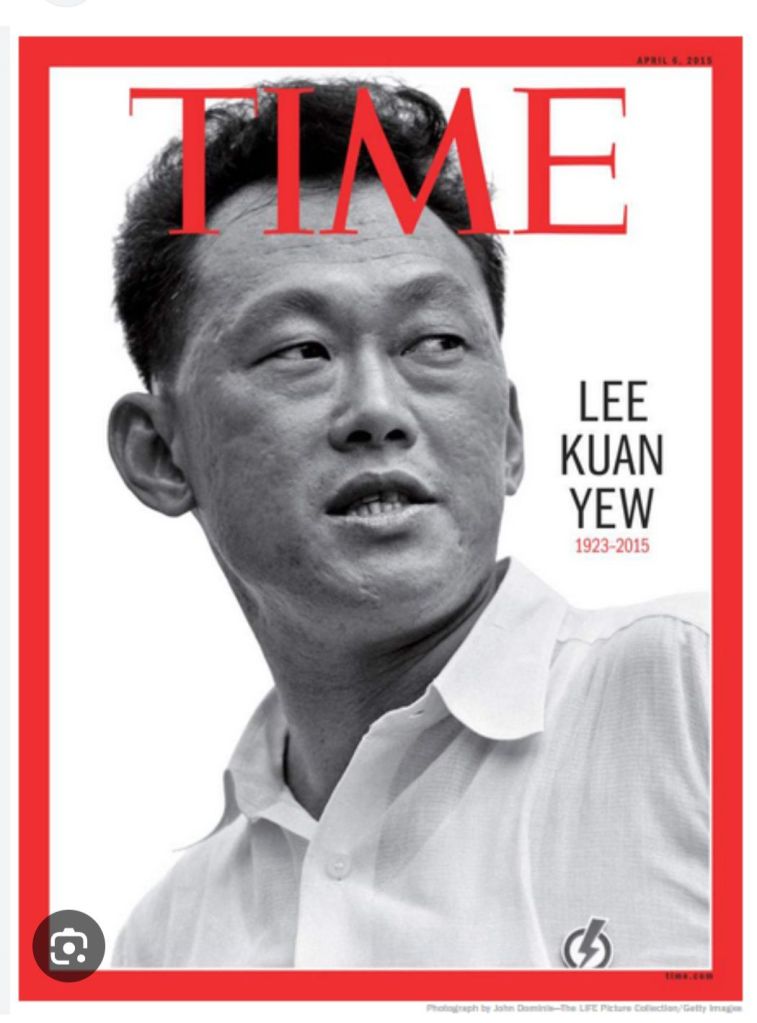
People: Mr. Lee Kuan Yew: Architect of Modern Singapore


Mr. Lee Kuan Yew, born on September 16, 1923, in Singapore, emerged as a towering figure in the history of Singapore and global politics. Here’s a brief biography of this remarkable leader

Early Life and Education

Lee Kuan Yew grew up in a middle-class family, the eldest son of Lee Chin Koon, a prominent businessman, and Chua Jim Neo. He attended Raffles Institution, where his academic excellence and leadership skills were evident. Later, he pursued law studies at Fitzwilliam College, University of Cambridge, where he was exposed to ideas of governance and political philosophy.


Political Career

1. Founding of the People’s Action Party (PAP): In 1954, Lee co-founded the PAP, advocating for self-governance and independence from British colonial rule. His vision for a united, prosperous Singapore resonated with the populace, propelling the PAP to prominence.


2. Road to Independence:  Lee played a pivotal role in negotiating Singapore’s separation from Malaysia in 1965, leading to Singapore’s independence as a sovereign nation. Despite facing daunting challenges, including racial tensions and economic uncertainty, Lee’s steadfast leadership steered Singapore towards stability and progress.


3. Nation-Building and Economic Development: As Singapore’s first Prime Minister, Lee implemented bold policies to transform the fledgling nation into a global economic powerhouse. His pragmatic approach prioritized economic growth, education, and meritocracy, laying the groundwork for Singapore’s rapid development.

Legacy and Impact

1. Architect of Modern Singapore: Lee’s visionary leadership and unwavering commitment to nation-building shaped Singapore’s trajectory, earning him admiration worldwide. Under his stewardship, Singapore achieved remarkable economic success, boasting one of the highest standards of living and economic competitiveness globally.


2. Authoritarianism vs. Pragmatism: Critics often debated Lee’s leadership style, characterized by strict governance and restrictions on political dissent. However, supporters argue that his pragmatic policies were necessary for Singapore’s survival and prosperity in a volatile region.

3. Global Statesman: Beyond Singapore, Lee’s influence extended to international affairs, where he was revered as a strategic thinker and respected voice on geopolitics and economic development.

Later Years and Passing

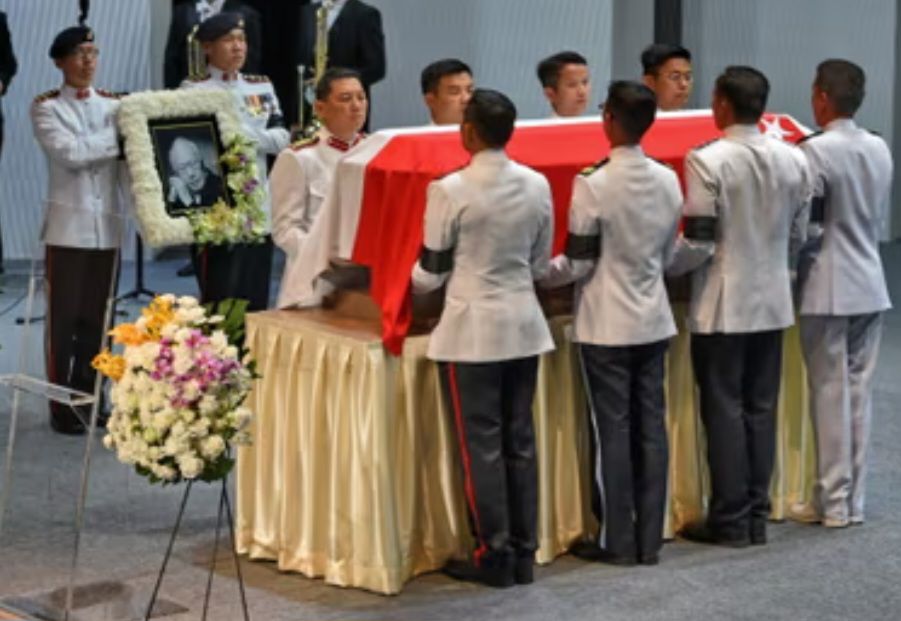
In his later years, Lee remained active in public life, serving in advisory roles and sharing his insights on governance and global affairs. He passed away on March 23, 2015, leaving behind a legacy of visionary leadership and enduring impact on Singapore and the world.

Mr. Lee Kuan Yew’s life and legacy serve as a testament to the transformative power of leadership, resilience, and foresight in shaping the destiny of nations.

10 of the most famous quotes by Mr. Lee Kuan Yew:

1. “Even from my sick bed, even if you are going to lower me into the grave and I feel something is going wrong, I will get up.” – Lee Kuan Yew

2. “I’m not saying that everything I did was right, but everything I did was for an honourable purpose.” – Lee Kuan Yew

3. “I am often accused of interfering in the private lives of citizens. Yes, if I did not, had I not done that, we wouldn’t be here today. And I say without the slightest remorse, that we wouldn’t be here, we would not have made economic progress, if we had not intervened on very personal matters – who your neighbour is, how you live, the noise you make, how you spit, or what language you use. We decide what is right. Never mind what the people think.” – Lee Kuan Yew

4. “To straddle the middle road to keep out of trouble, not to be too contentious, to be conciliatory, to compromise, is the easier way, but it is not a way that will solve the problem of the human condition.” – Lee Kuan Yew

5. “At the end of the day, what have I got? A successful Singapore. What have I given up? My life.” – Lee Kuan Yew

6. “Singaporeans, if I can chose an analogy, we are the hard disk of a computer. We can retain what we see, hear and experience.” – Lee Kuan Yew

7. “I am not given to making senseless and dangerous statements because I am not a village idiot. I am the Prime Minister.” – Lee Kuan Yew

8. “I have never been overconcerned or obsessed with opinion polls or popularity polls. I think a leader who is, is a weak leader. Between being loved and feared, I have always believed Machiavelli was right. If nobody is afraid of me, I’m meaningless.” – Lee Kuan Yew

9. “In multiracial societies, you don’t vote in accordance with your economic interests and social interests, you vote in accordance with race and religion.” – Lee Kuan Yew

10. “If you can select a population and they’re educated and they’re properly brought up, then you don’t have to use too much of the stick because they would already have been trained. It’s like with dogs.” – Lee Kuan Yew
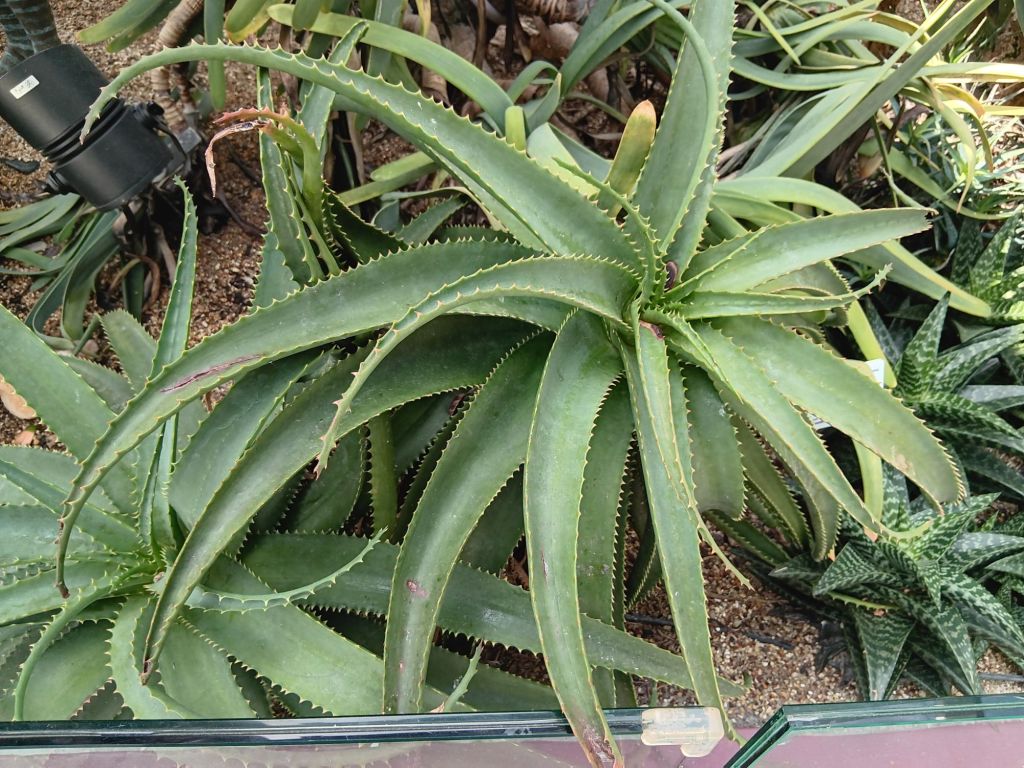
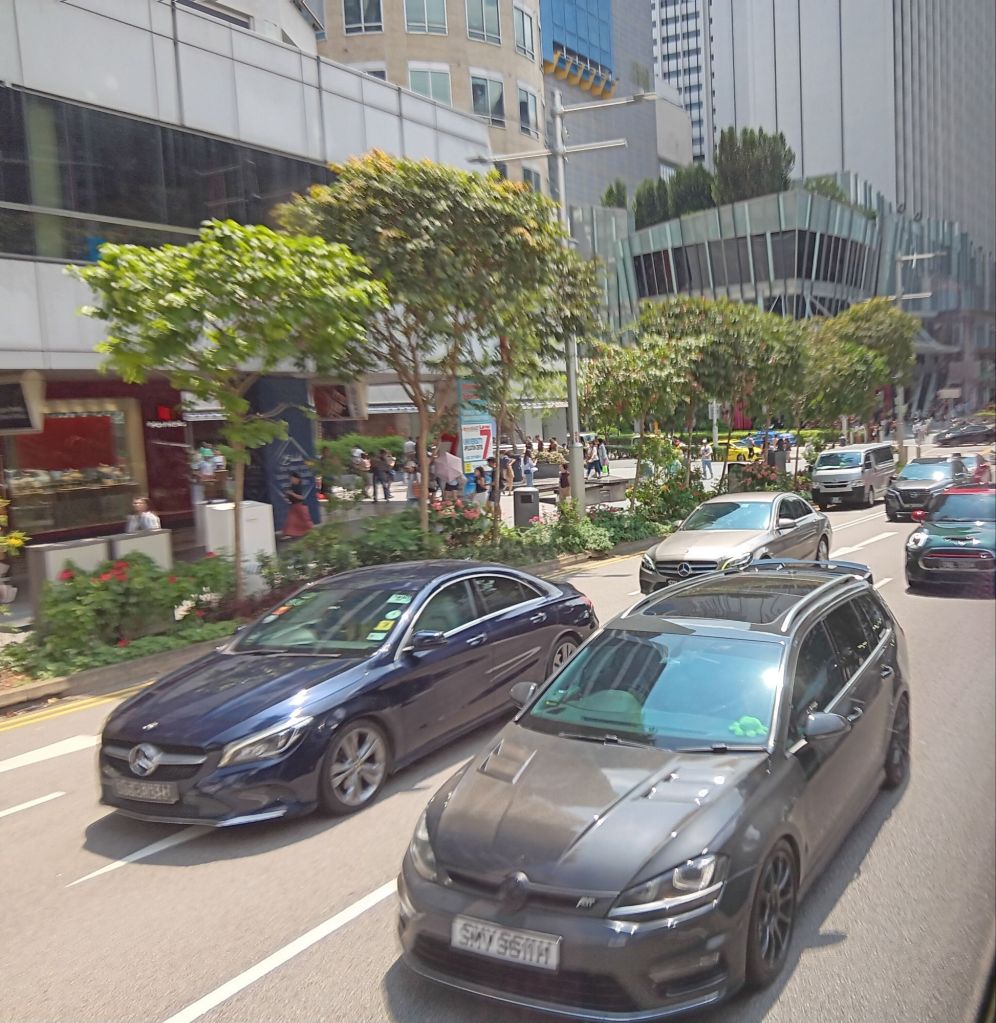
Lifestyle:  Navigating Singapore’s Certificate of Entitlement (COE) System: A Guide for Drivers


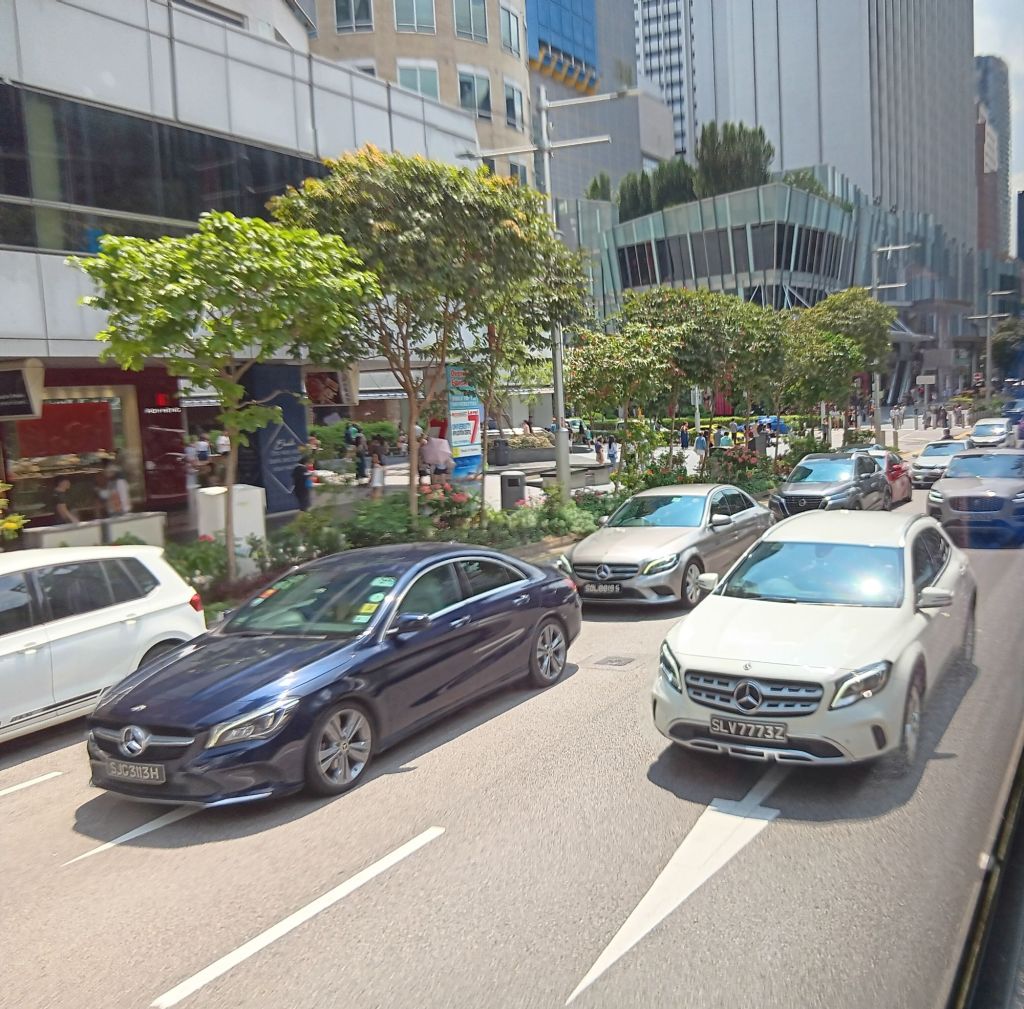
In the bustling city-state of Singapore, where space is limited and traffic congestion is a daily challenge, owning a vehicle is a privilege tightly regulated by the government through the Certificate of Entitlement (COE) system. This blog aims to unravel the intricacies of the COE system, providing insights for both residents and visitors alike.


Understanding the COE System

1. Purpose and Functionality: The COE system was introduced in 1990 as a measure to control the burgeoning number of vehicles on Singapore’s roads. It aims to regulate vehicle population growth and curb traffic congestion by imposing a limit on the number of vehicles allowed for registration.

2. COE Categories: There are five categories of COEs, each corresponding to a specific vehicle type: Category A (passenger cars up to 1600cc and 97kW), Category B (passenger cars above 1600cc or 97kW), Category C (goods vehicles and buses), Category D (motorcycles), and Category E (open category for any vehicle type).

3. Bidding Process: COEs are obtained through a bidding process conducted by the Land Transport Authority (LTA). Bidders specify the maximum amount they are willing to pay for a COE in their chosen category. Bids are accepted during specified bidding periods, and successful bidders are determined based on the bid amount and prevailing quota.

Factors Affecting COE Prices

1. Supply and Demand Dynamics: COE prices are highly influenced by supply and demand dynamics. Factors such as economic conditions, population growth, and changes in vehicle ownership policies can impact the number of COEs available and the demand for them.

2. Economic Conditions: During periods of economic prosperity, COE prices tend to rise as consumers have greater purchasing power. Conversely, during economic downturns, COE prices may decrease due to reduced consumer spending.

3. Government Policies: Changes in government policies, such as adjustments to vehicle taxes or incentives for public transportation use, can affect COE prices. For example, incentives for electric vehicles may lead to higher demand for Category A COEs, driving up their prices.

Implications for Drivers

1. Financial Considerations: COE prices can constitute a significant portion of the overall cost of owning a vehicle in Singapore. Prospective buyers should factor in COE expenses when budgeting for a vehicle purchase.

2. Alternative Transportation Options: Given the high cost of vehicle ownership, residents may opt for alternative transportation options such as public transit, cycling, or car-sharing services to mitigate expenses.

3. Planning and Strategy: For individuals planning to purchase a vehicle, it’s essential to strategize and monitor COE trends to identify favorable bidding opportunities and optimize costs.

Conclusion

In Singapore’s dynamic urban landscape, the COE system plays a crucial role in managing vehicle population growth and traffic congestion. Understanding how the COE system operates and its implications for drivers is essential for navigating the complexities of vehicle ownership in the city-state. By staying informed and adapting to changing market conditions, drivers can make informed decisions that align with their transportation needs and financial goals.

People: The Multicultural People of Singapore

Singapore is a multicultural society with citizens from various racial backgrounds. The main racial groups recognized in Singapore are:

Chinese: The Chinese ethnic group forms the majority of the population in Singapore, making up around 74% of the citizen population. They have a rich cultural heritage and contribute significantly to Singapore’s economy and society.

Malay: Malays are one of the indigenous ethnic groups in Singapore and account for about 13% of the citizen population. They have their own unique culture, language (Malay), and traditions that enrich Singapore’s diversity

Indian: The Indian community in Singapore is diverse, consisting of various ethnic groups such as Tamils, Punjabis, and Gujaratis. They make up around 9% of the citizen population and have made significant contributions to Singapore’s cultural, social, and economic landscape

Others: Besides the major racial groups, there are also smaller minority groups in Singapore, including Eurasians, Caucasians, Arabs, and others. These groups contribute to Singapore’s multicultural identity and enrich its diversity.

Singapore embraces its multicultural heritage and promotes racial harmony and integration through policies and initiatives aimed at fostering understanding, respect, and unity among its citizens of different races and ethnicities.

PLACES: Jewel Changi: Where Nature and Innovation Converge

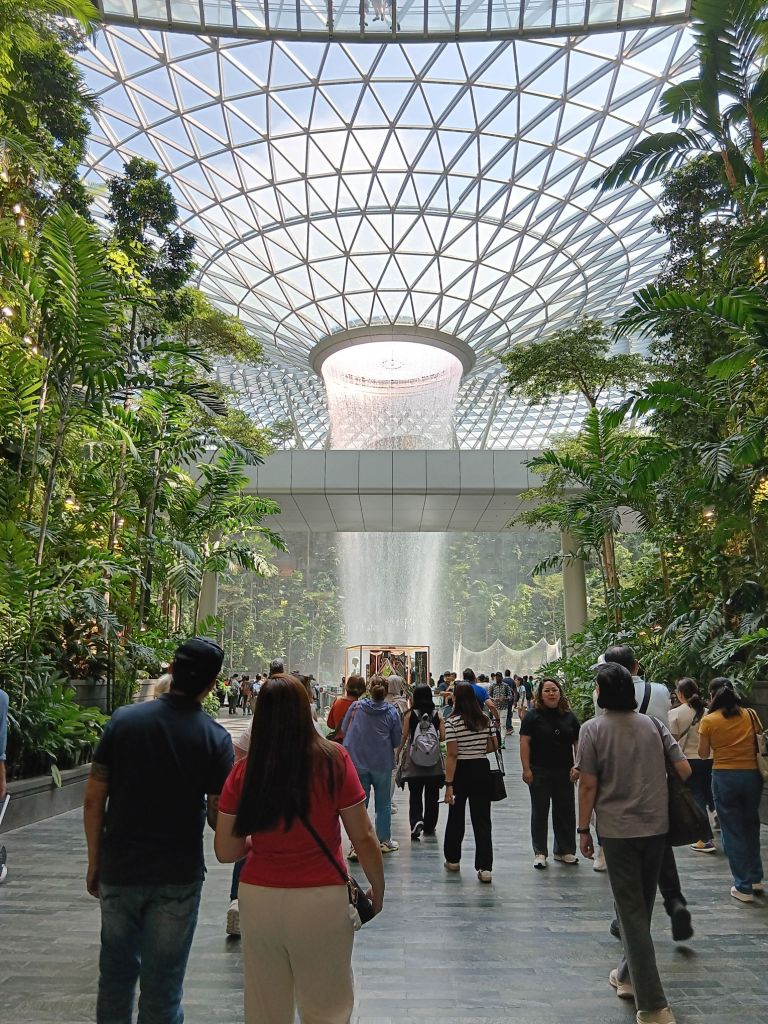
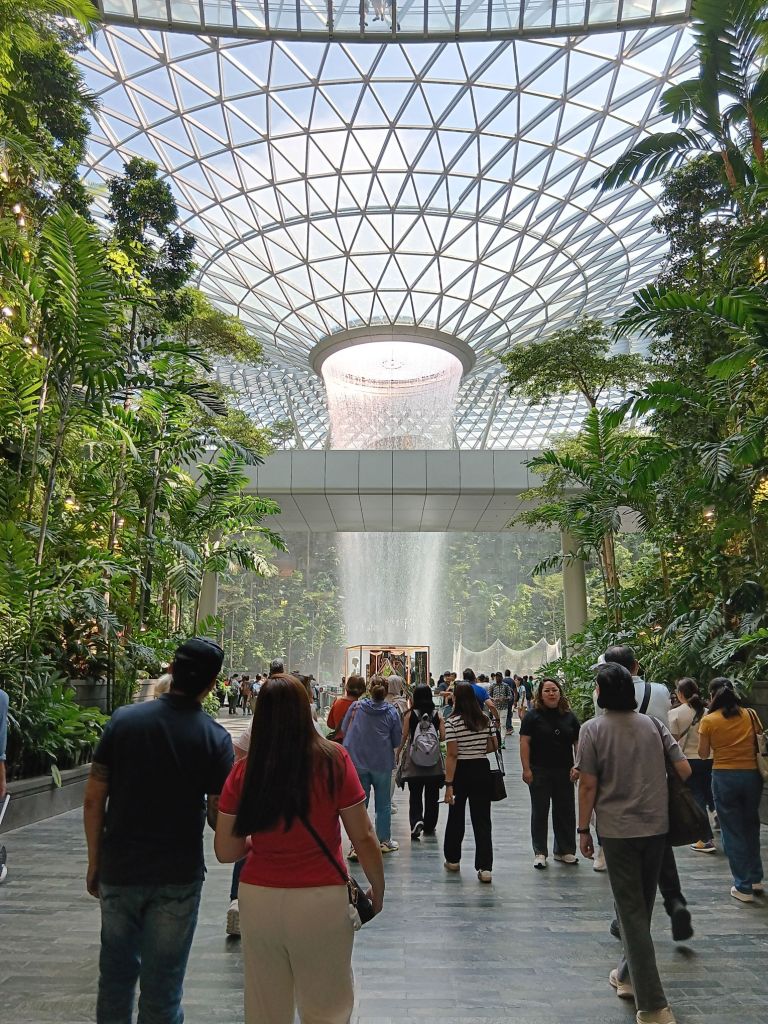
Nestled at the heart of Singapore’s iconic Changi Airport lies a breathtaking marvel that transcends the boundaries of architecture and imagination: Jewel Changi. This architectural masterpiece seamlessly integrates nature, entertainment, and retail, offering visitors an unparalleled sensory experience that delights and inspires.


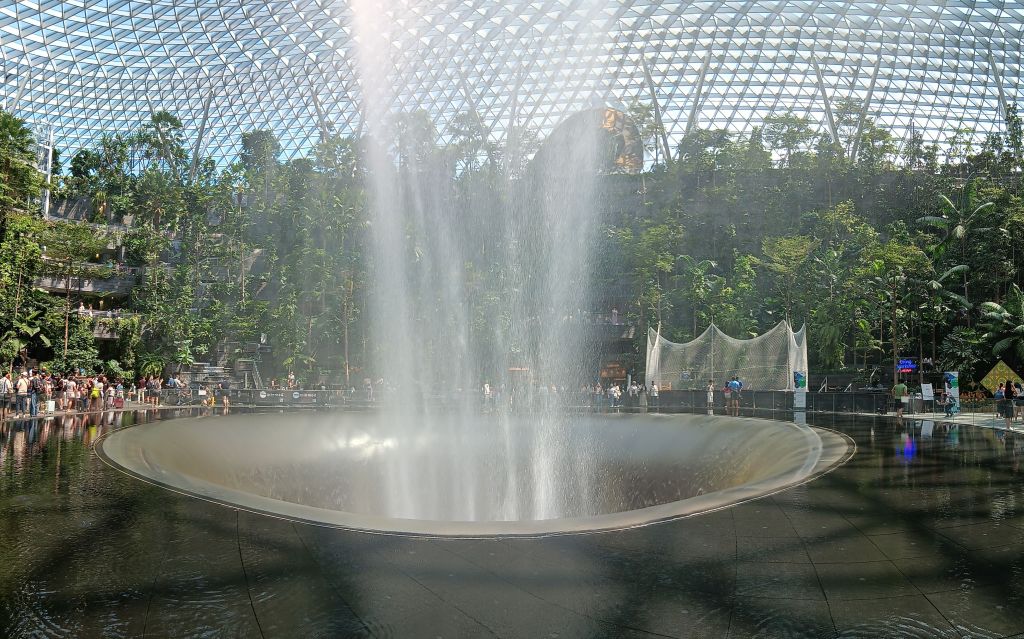
At the core of Jewel Changi’s allure is the stunning Rain Vortex, the world’s tallest indoor waterfall. Cascading gracefully from a height of 40 meters, this awe-inspiring spectacle mesmerizes visitors with its sheer grandeur and elegance. Illuminated by a mesmerizing light and sound show at night, the Rain Vortex transforms into a dazzling kaleidoscope of colors, evoking a sense of wonder and enchantment.


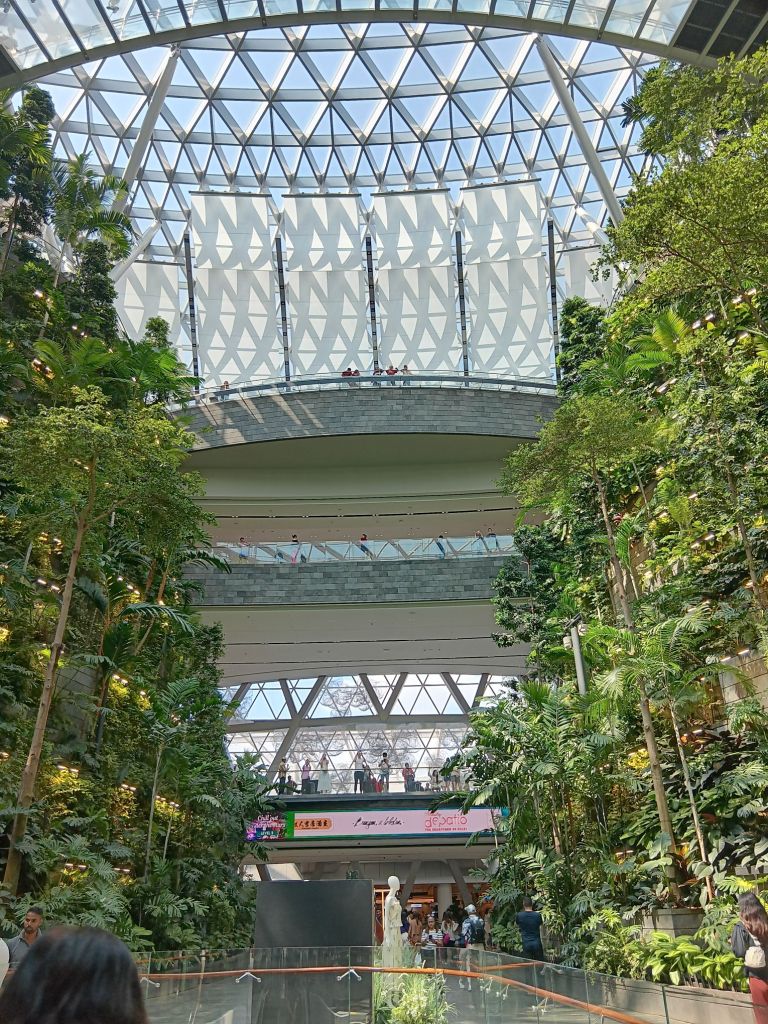
Surrounding the Rain Vortex is the verdant Forest Valley, a lush oasis teeming with thousands of exotic plants and trees from around the world. Meandering pathways and suspended walkways invite visitors to explore this urban jungle, where the sights and sounds of nature offer a tranquil respite from the hustle and bustle of airport life.


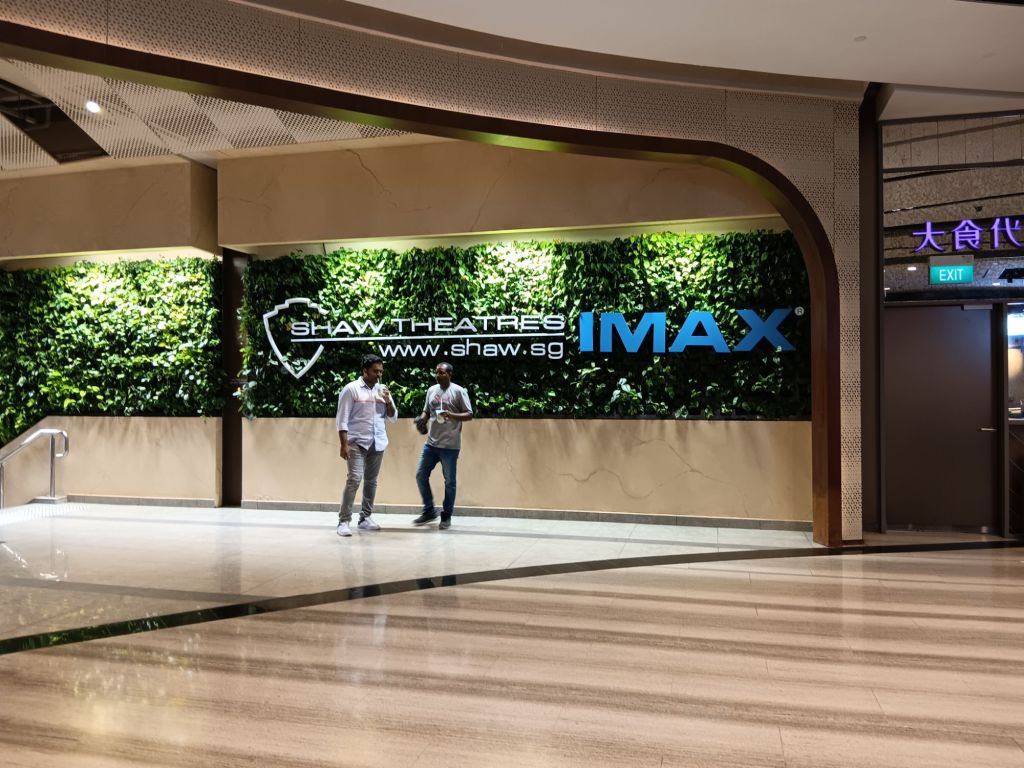
Venturing further into Jewel Changi reveals a world of culinary delights and retail indulgence. From gourmet restaurants and trendy cafes to luxury boutiques and local artisans, the shopping and dining options are as diverse as they are enticing. Whether savoring a delectable meal overlooking the Rain Vortex or indulging in a spot of retail therapy amidst lush greenery, every moment at Jewel Changi is a feast for the senses.

For those seeking thrills and excitement, Jewel Changi offers a range of entertainment options guaranteed to delight visitors of all ages. Test your agility at the Canopy Park, where suspended nets and mazes await, or embark on a virtual adventure at the Changi Experience Studio, where interactive exhibits and immersive technology bring Singapore’s aviation history to life.


Beyond its architectural splendor and entertainment offerings, Jewel Changi embodies a commitment to sustainability and environmental stewardship. From its energy-efficient design to its extensive use of natural light and greenery, every aspect of the development is a testament to the importance of sustainable living in a rapidly urbanizing world.

In essence, Jewel Changi is more than just a shopping and entertainment destination; it is a testament to Singapore’s spirit of innovation and ingenuity. By seamlessly blending nature, technology, and culture, Jewel Changi offers a glimpse into the future of urban living, where sustainability and creativity converge to create a truly immersive and unforgettable experience for all who visit.

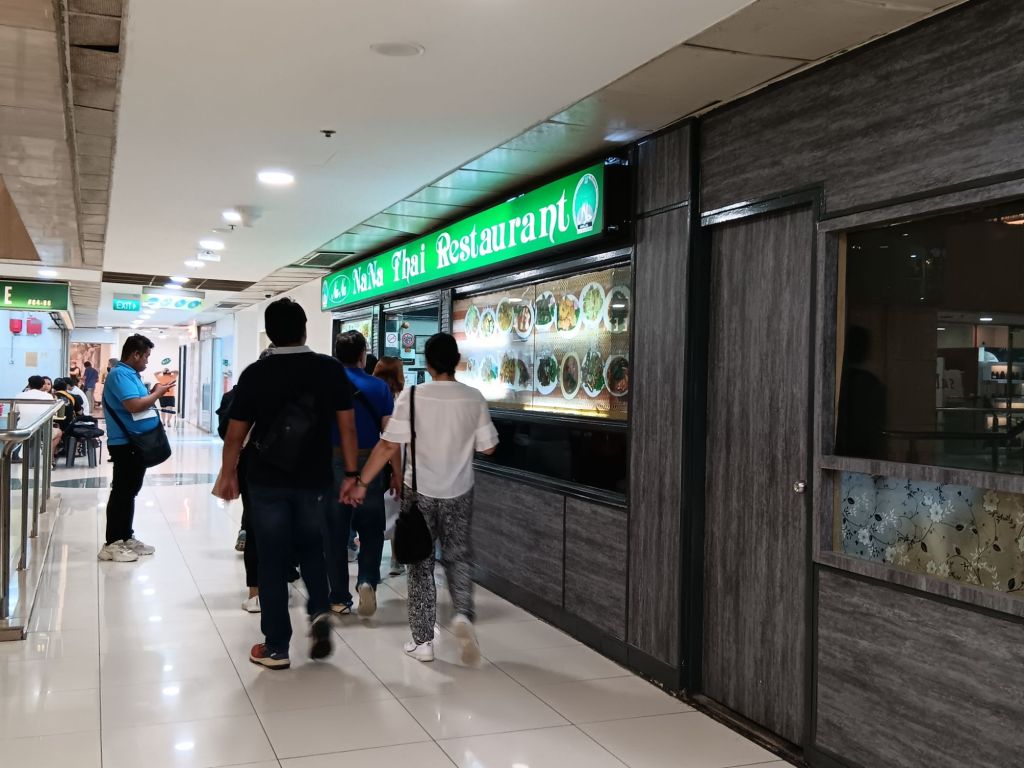
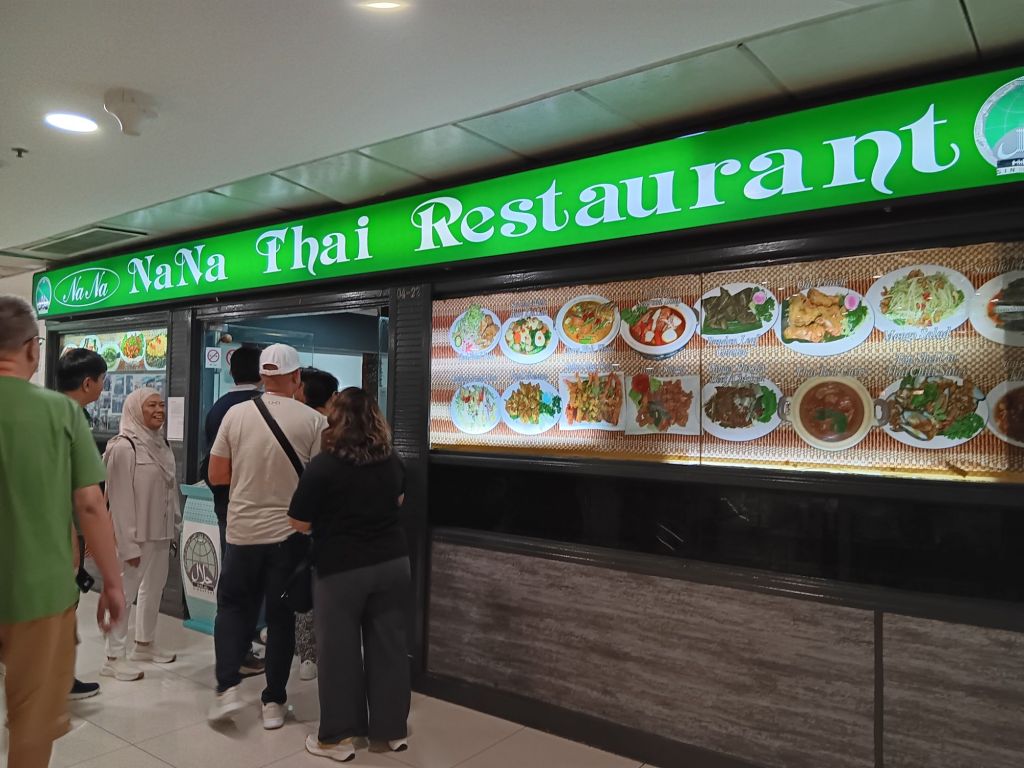
FOOD: Exquisite Thai Flavors at Nana Thai: A Culinary Journey in Singapore

Nestled amidst the vibrant culinary scene of Singapore lies a hidden gem that transports diners to the bustling streets of Thailand: Nana Thai. Tucked away in the heart of the city, this charming restaurant offers an authentic taste of Thai cuisine, tantalizing the taste buds with its bold flavors and aromatic spices.


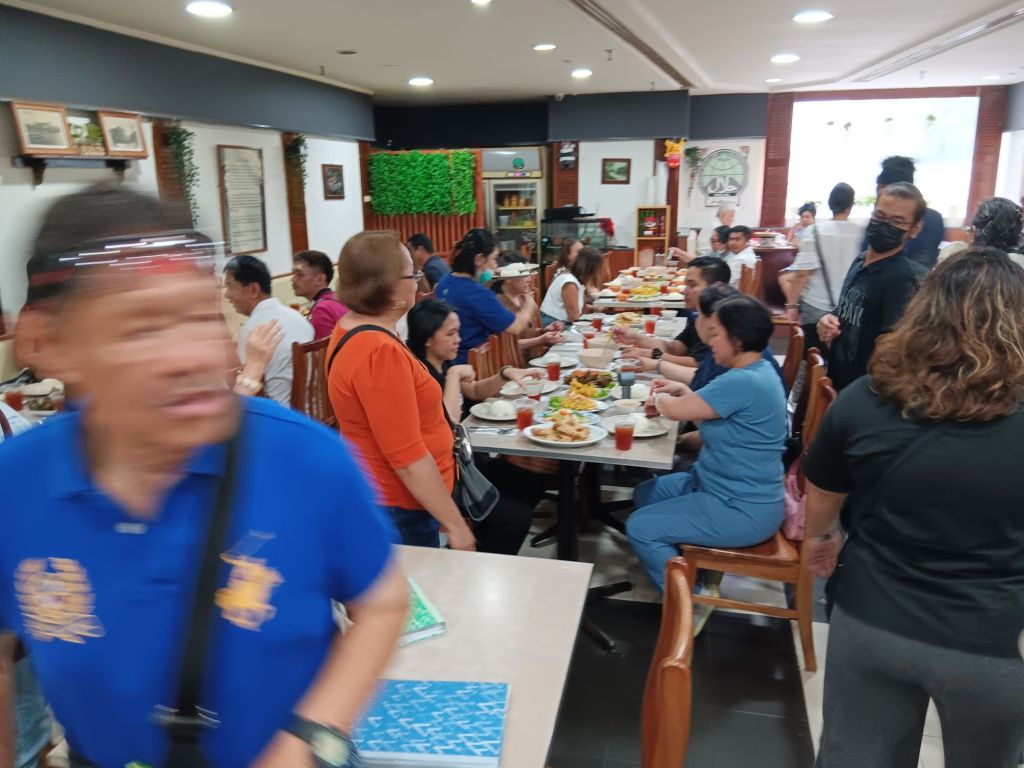
As you step through the doors of Nana Thai, you are greeted by warm hospitality and a cozy ambiance that sets the stage for an unforgettable dining experience. The restaurant’s elegant decor, adorned with traditional Thai artwork and intricate wooden furnishings, creates an inviting atmosphere that beckons you to unwind and savor every moment.


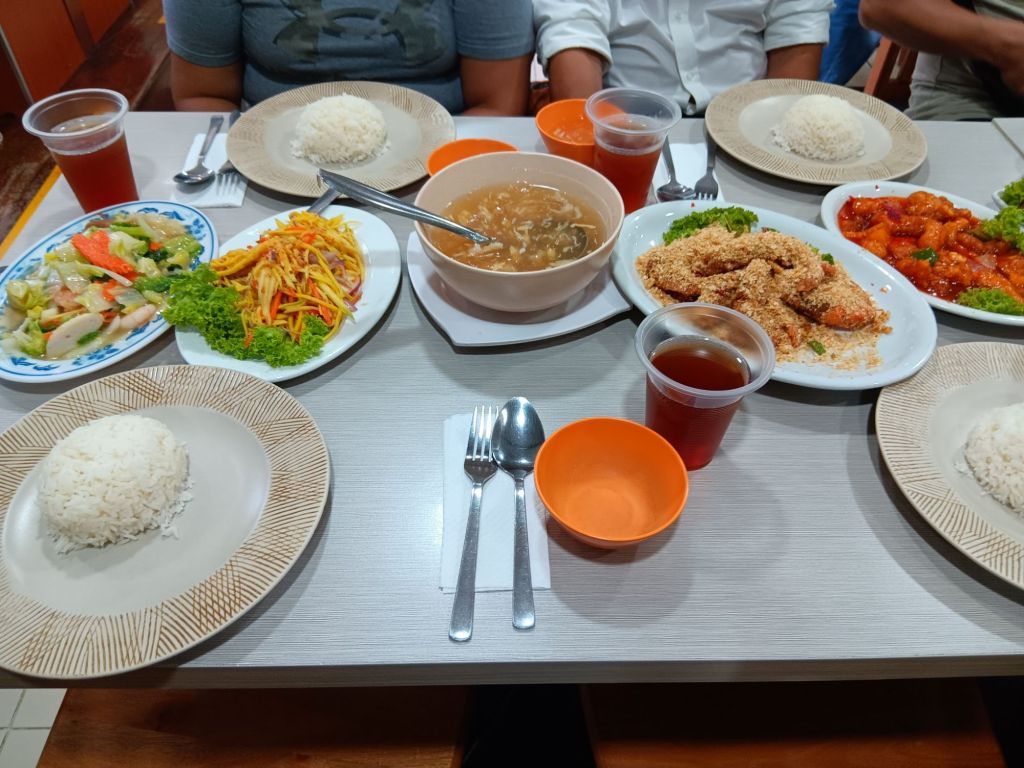
The menu at Nana Thai is a culinary masterpiece, showcasing a diverse array of dishes that celebrate the rich tapestry of Thai flavors. From fragrant curries and spicy stir-fries to tangy salads and hearty soups, each dish is crafted with care and precision, using only the freshest ingredients and authentic Thai spices.

One of the highlights of dining at Nana Thai is the opportunity to indulge in classic Thai street food favorites, reimagined with a modern twist. Sample the iconic Pad Thai, a fragrant stir-fry of rice noodles, shrimp, and tofu, infused with the subtle sweetness of tamarind and palm sugar. Or delight your senses with the fiery flavors of Tom Yum Soup, a tangy broth brimming with shrimp, lemongrass, and chili.

For those with a penchant for spice, Nana Thai’s signature curries are not to be missed. Whether you prefer the creamy richness of Massaman Curry or the fiery kick of Green Curry, each dish is a symphony of flavors that dance on the palate, leaving you craving for more.

No Thai meal is complete without a refreshing beverage to wash it down, and Nana Thai offers an extensive selection of cocktails, mocktails, and traditional Thai beverages to complement your dining experience. Sip on a refreshing Thai Iced Tea or indulge in a zesty Lemongrass Mojito, perfectly crafted to refresh and invigorate.


As you savor the last bite of your meal and reflect on the culinary journey you’ve just embarked on, one thing becomes clear: Nana Thai is more than just a restaurant; it’s a celebration of Thai culture, hospitality, and the art of gastronomy. So, whether you’re a seasoned food enthusiast or a curious traveler eager to explore new flavors, Nana Thai promises an unforgettable culinary adventure that will leave you longing to return time and time again.

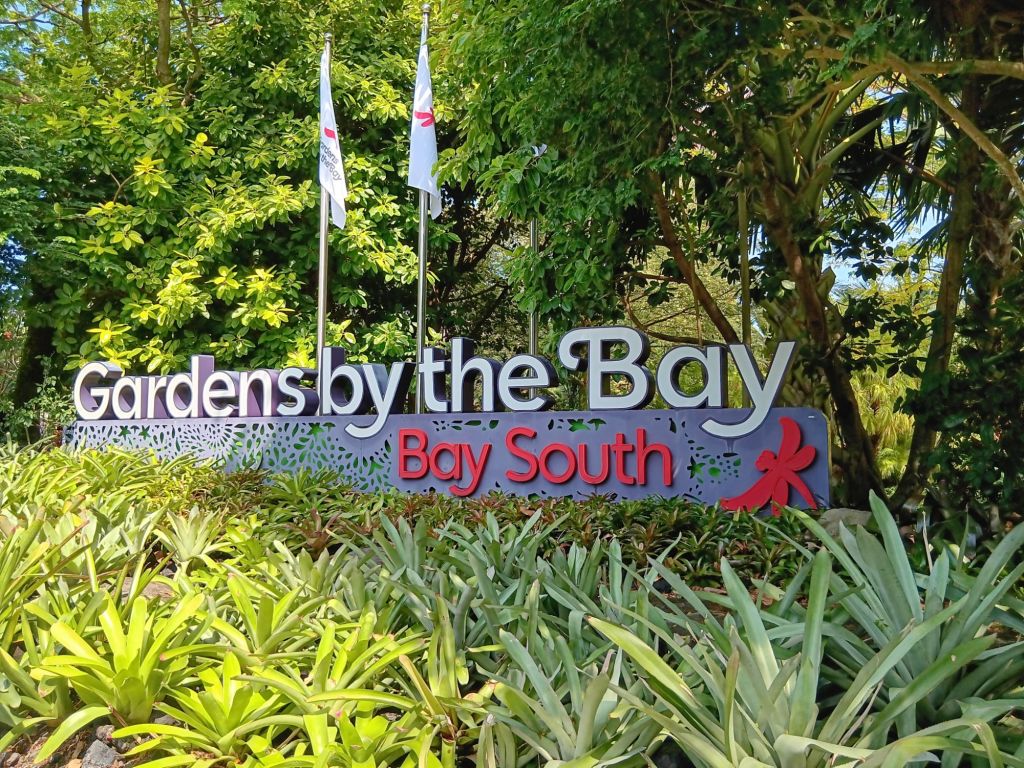
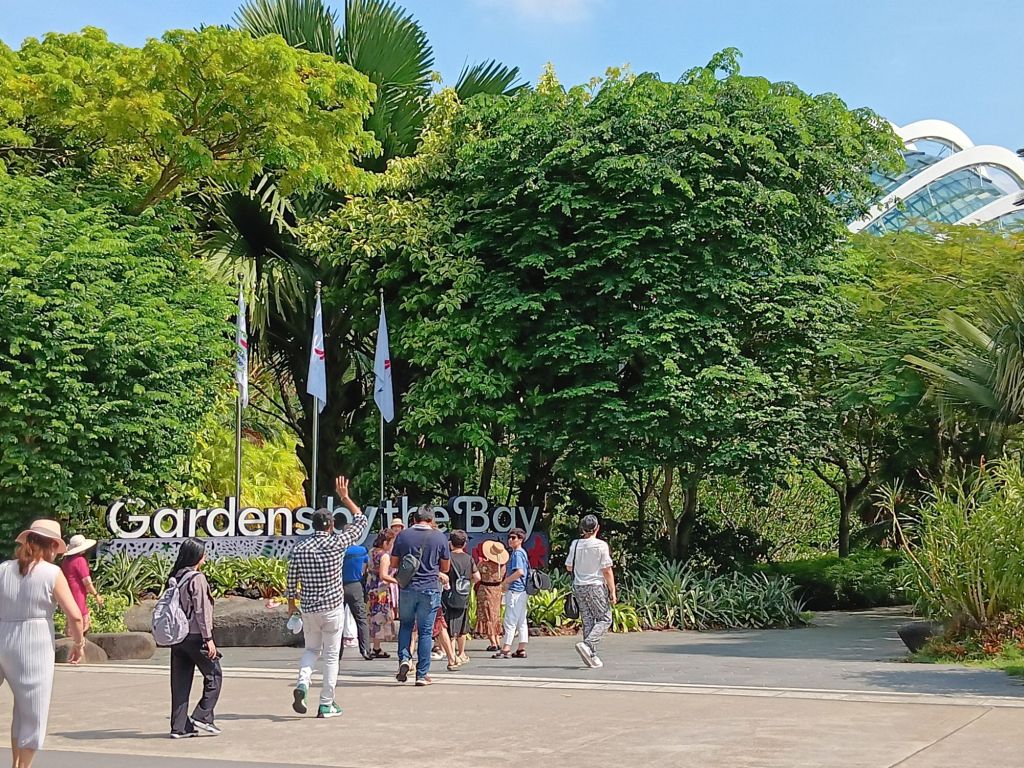
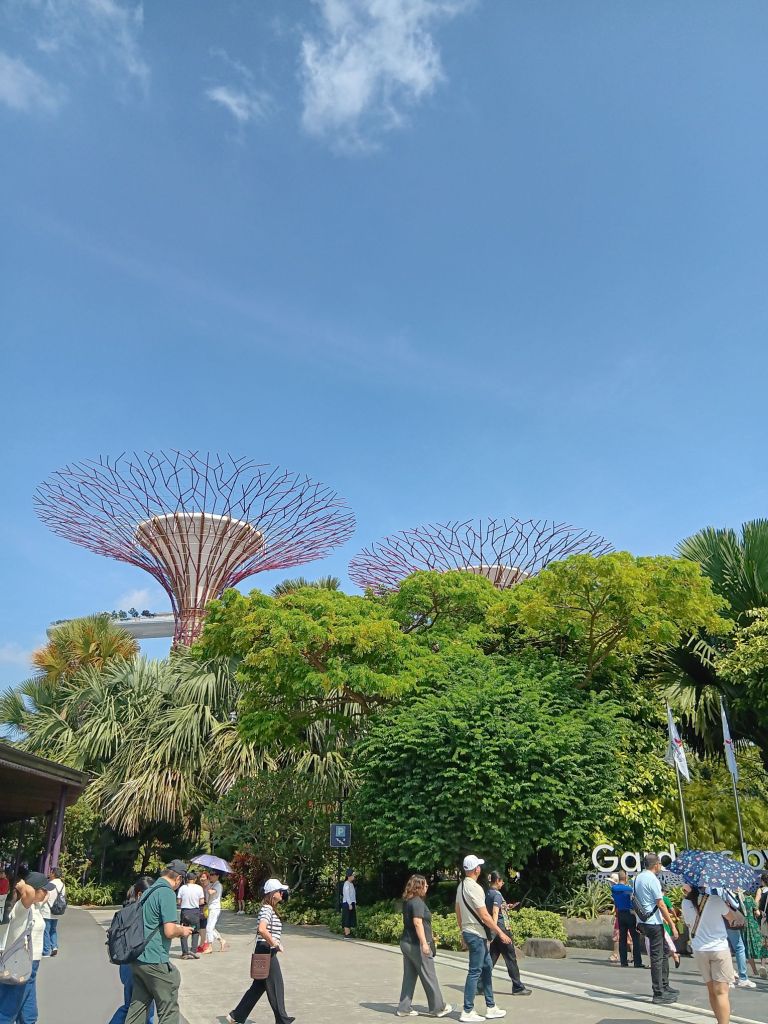
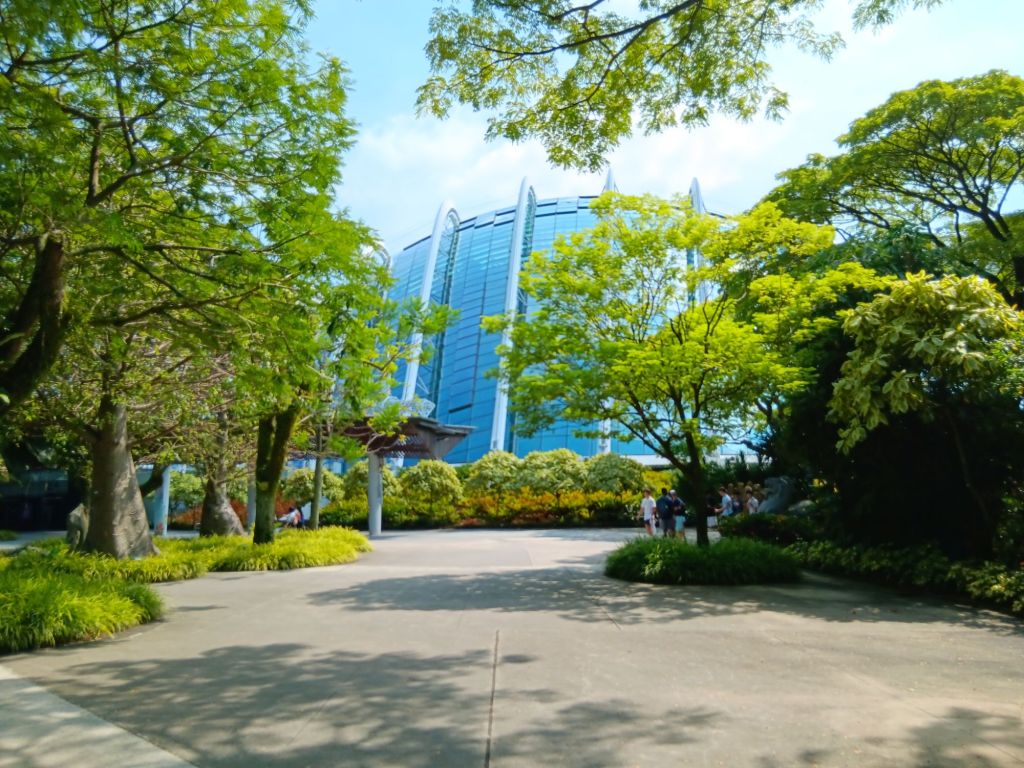
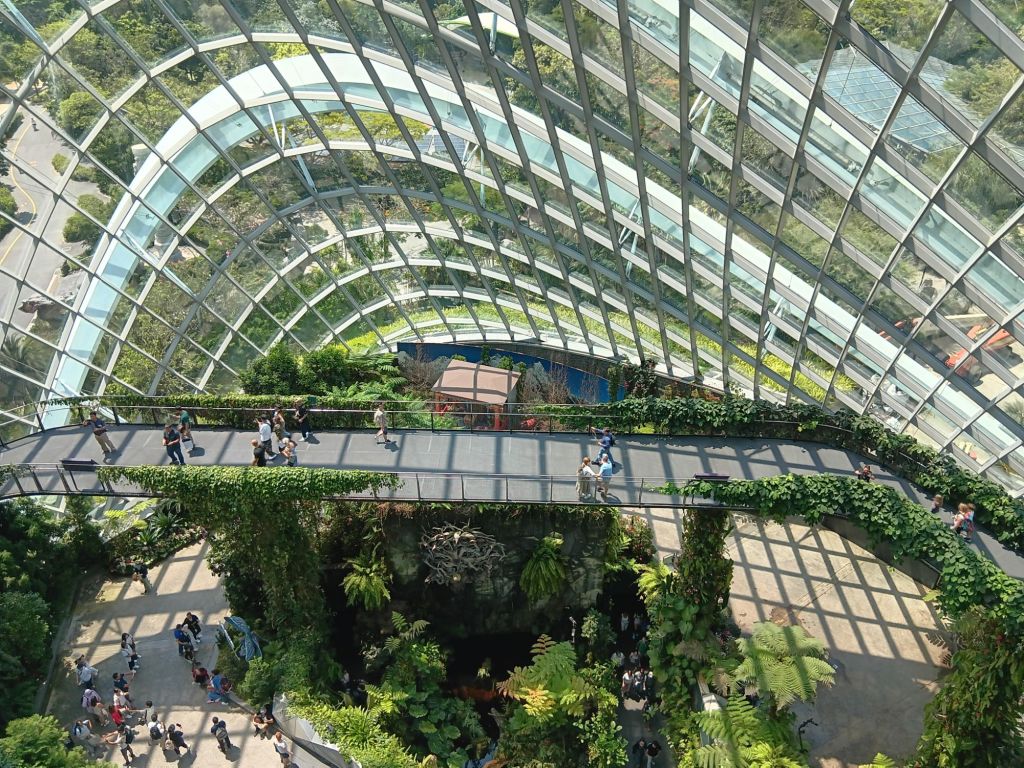
PLACES: Exploring Nature’s Marvels: The Two Domes of Gardens by the Bay

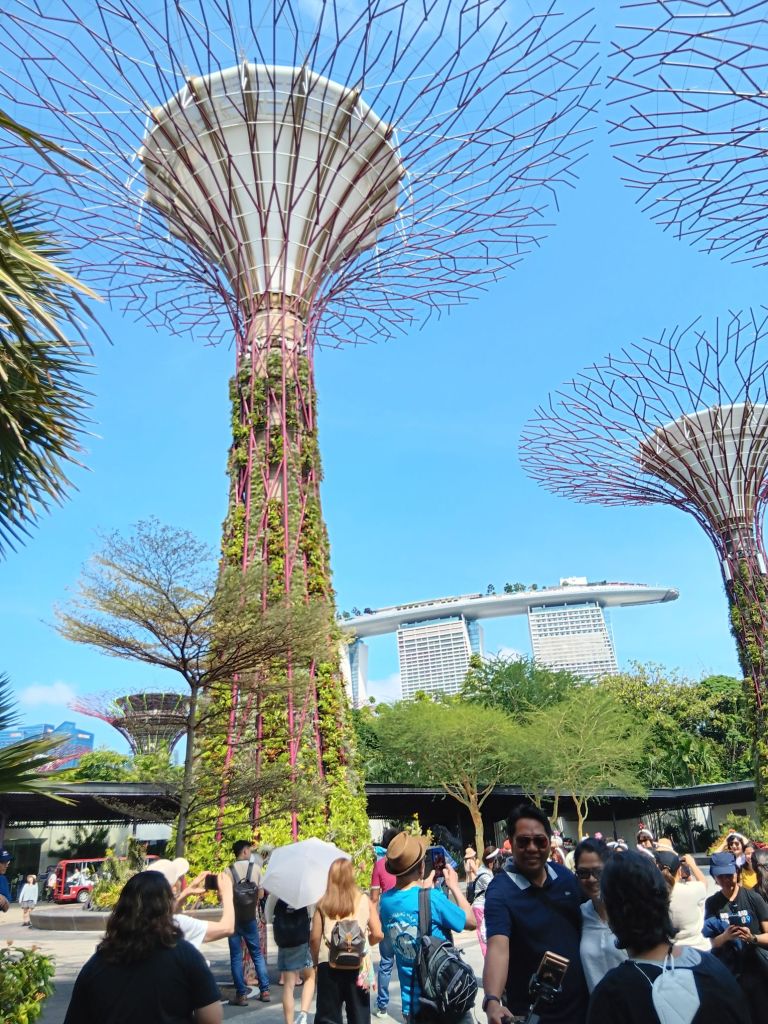
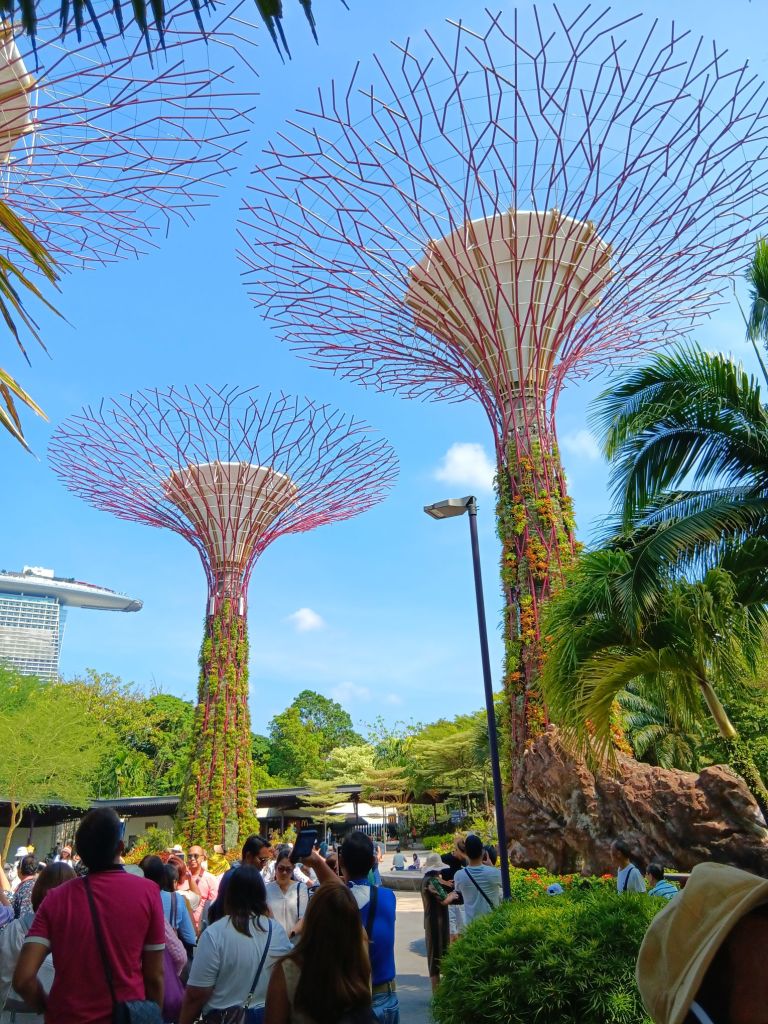
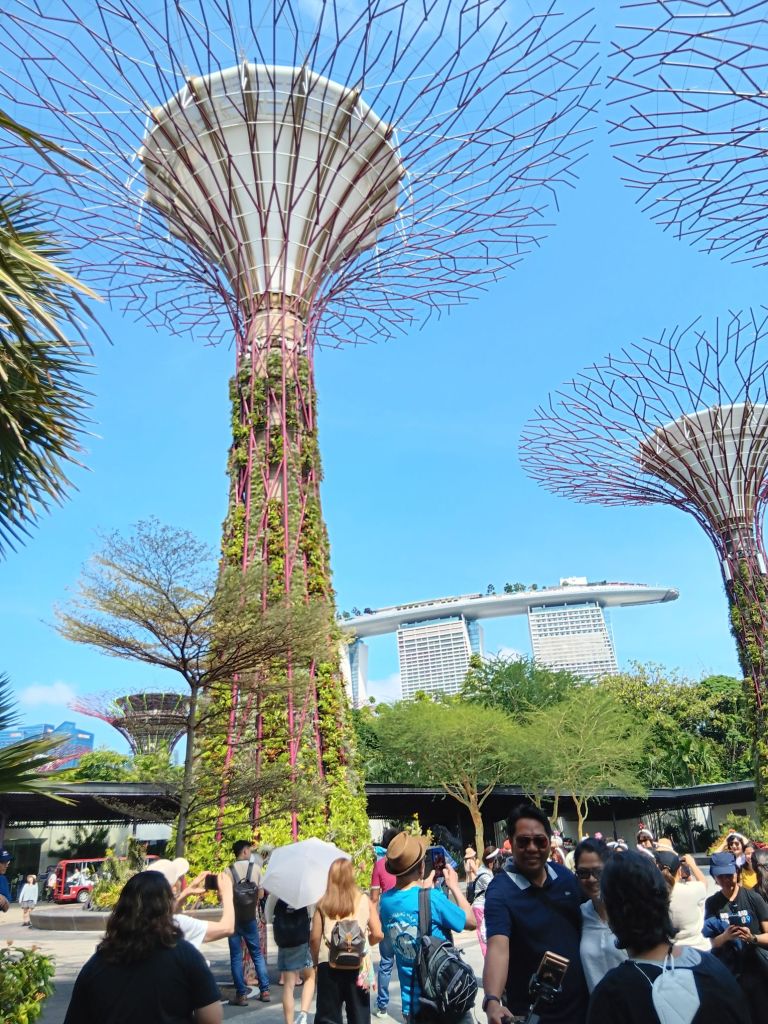
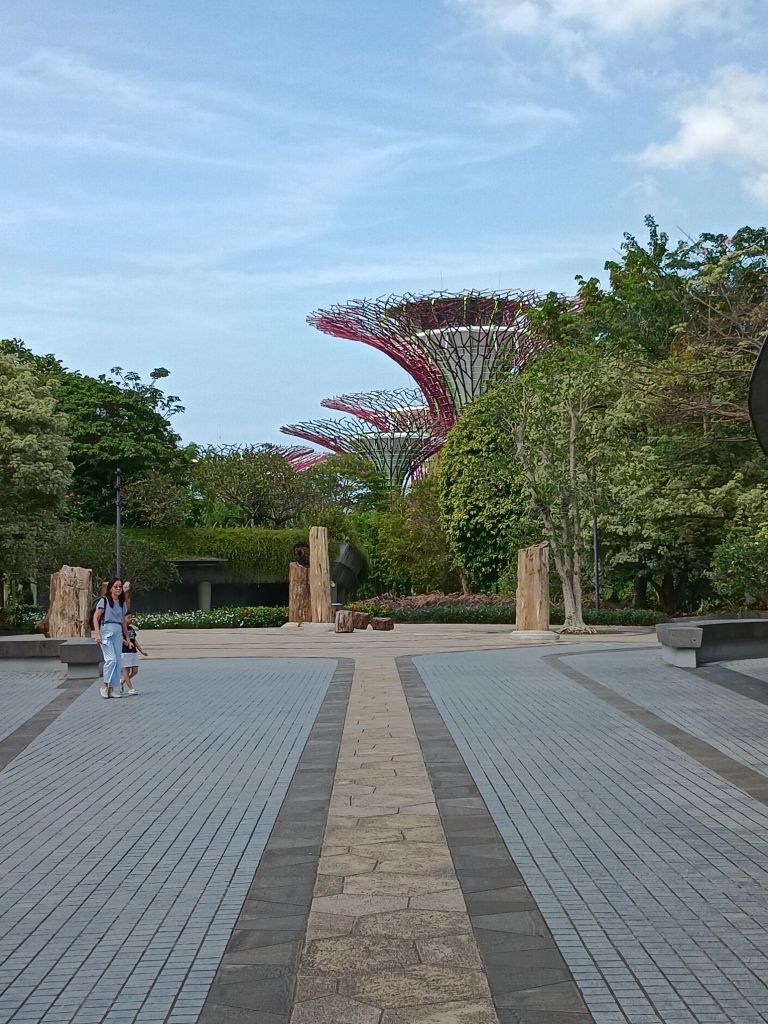
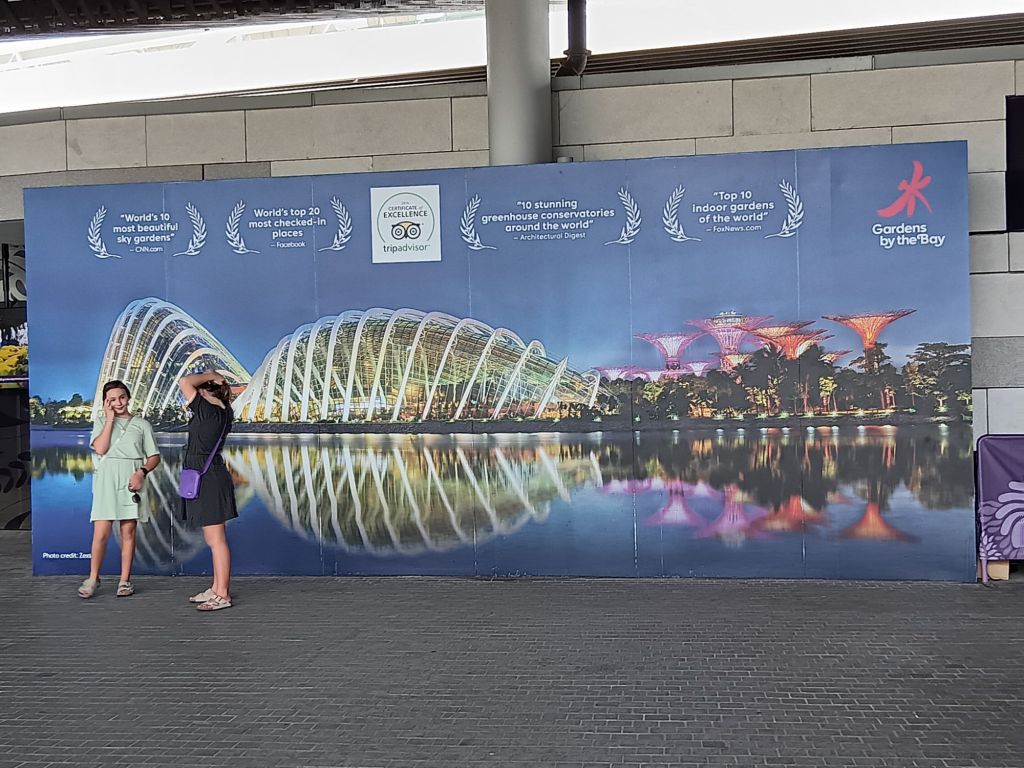
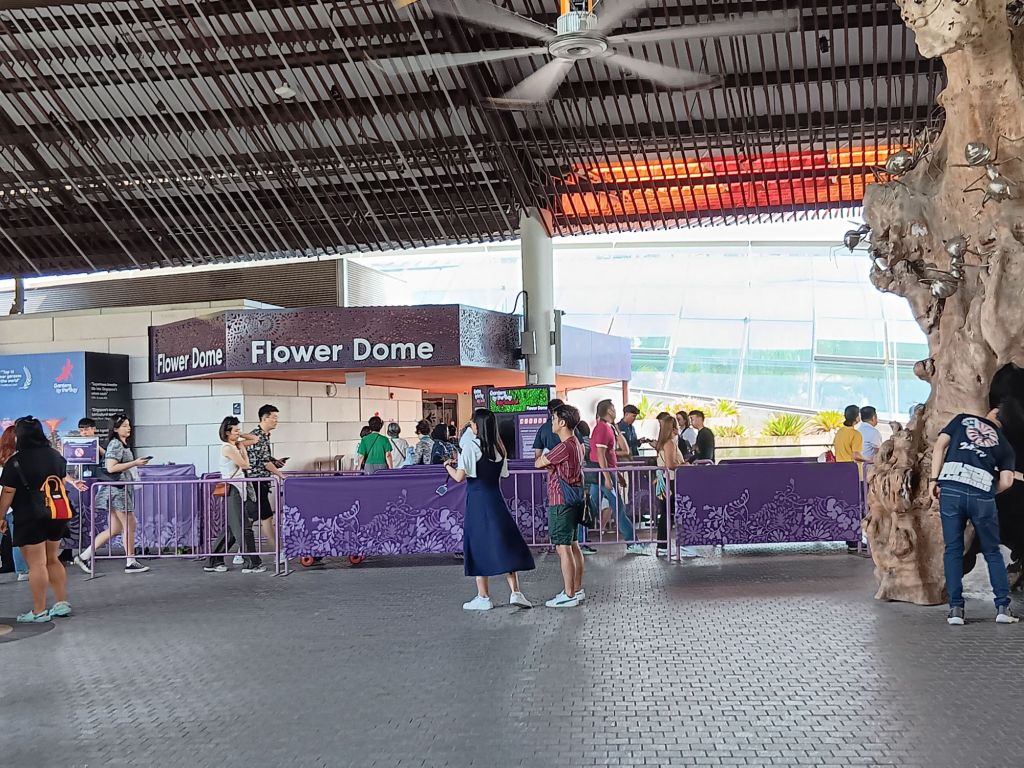
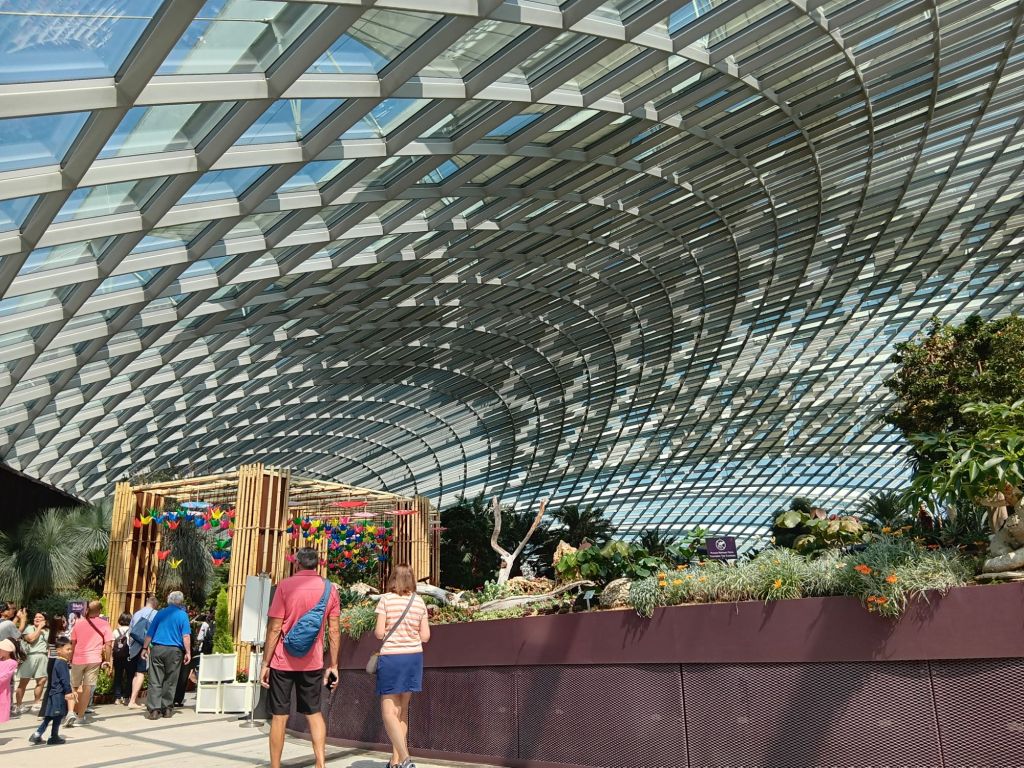
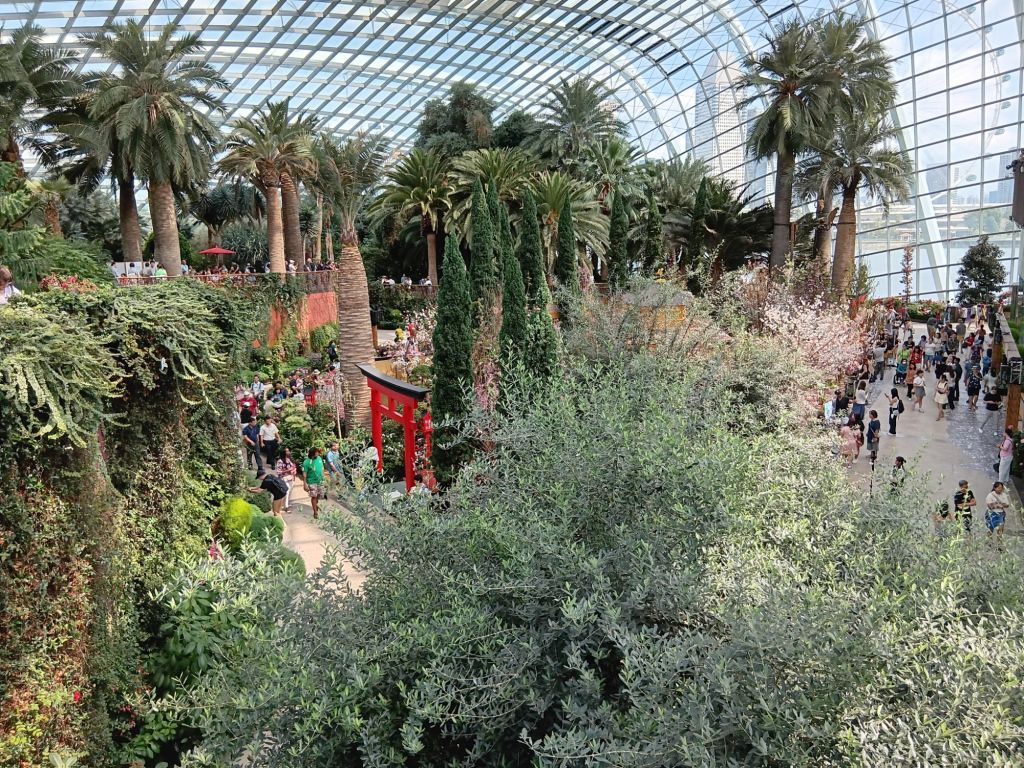
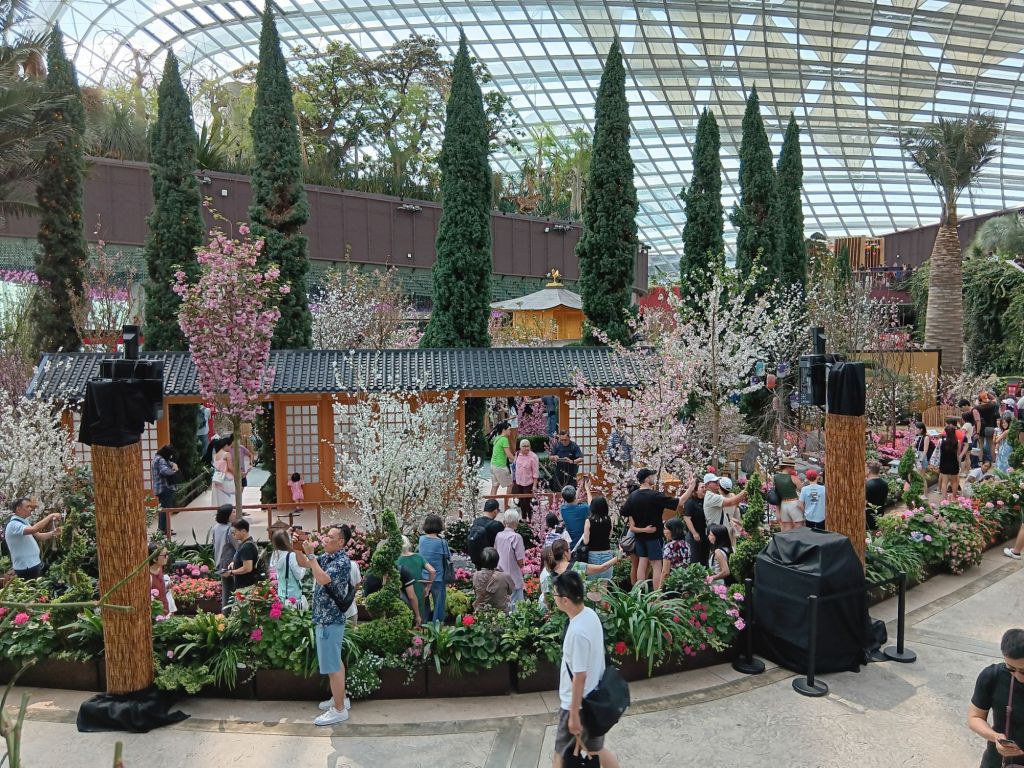
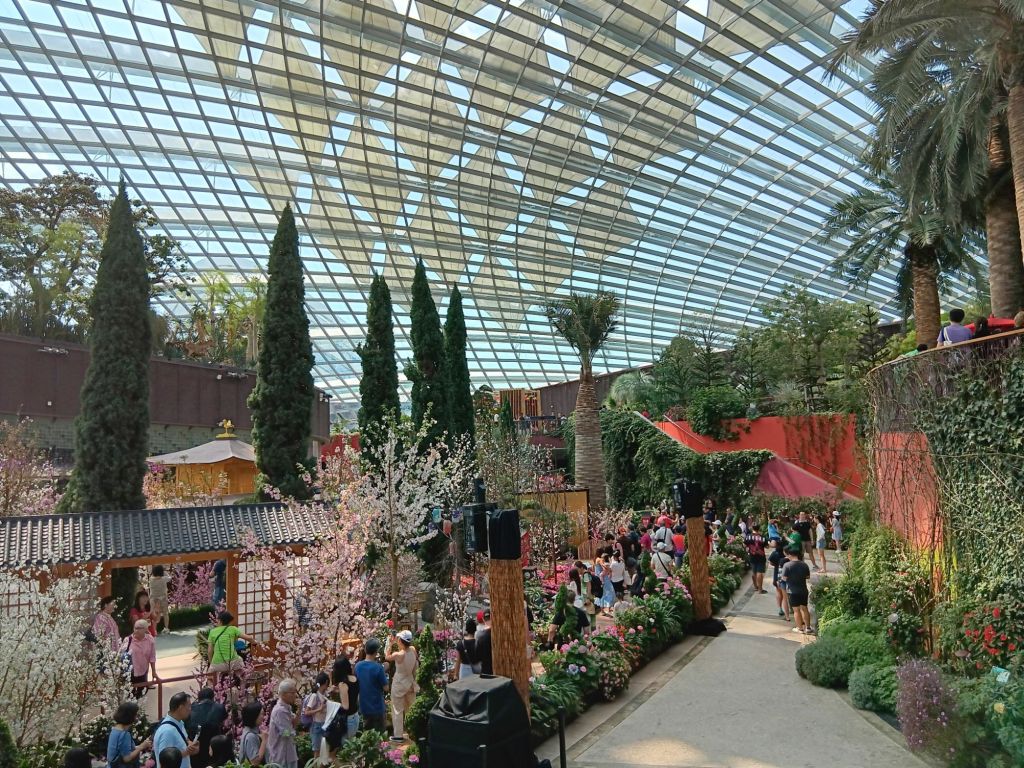
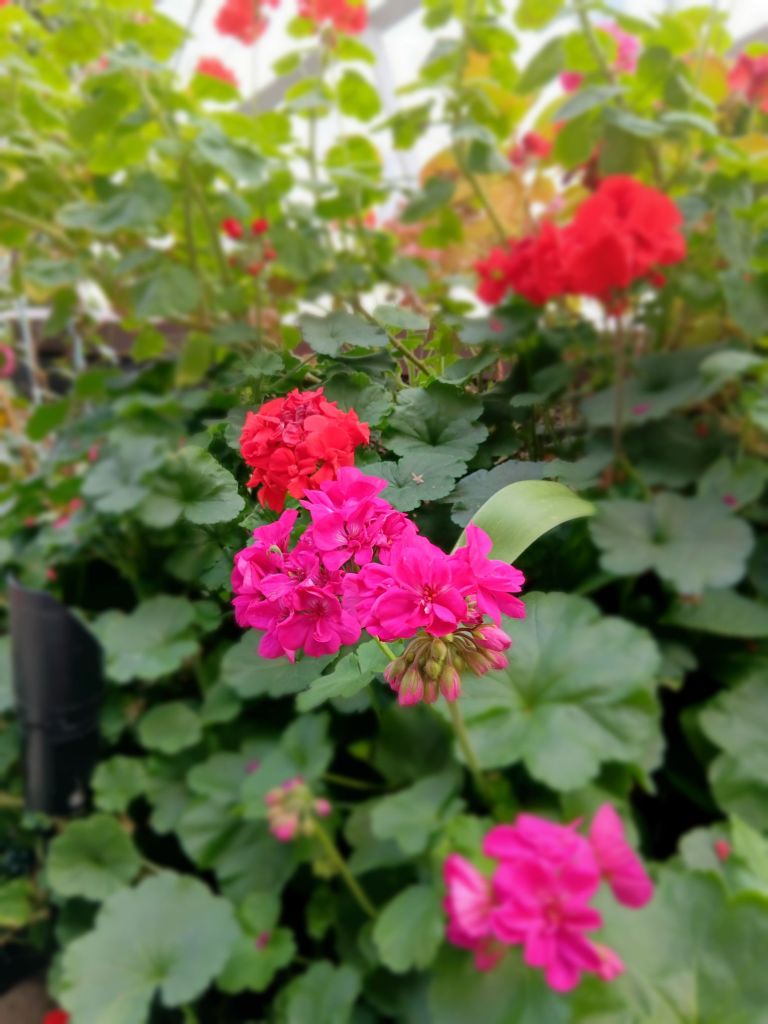
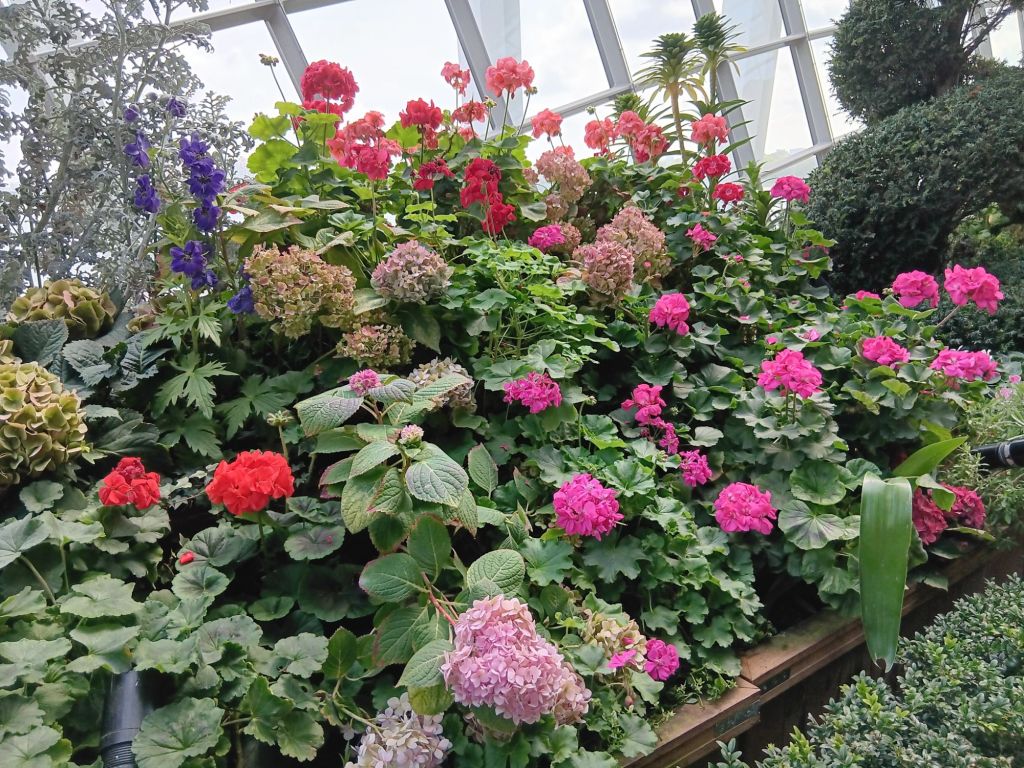
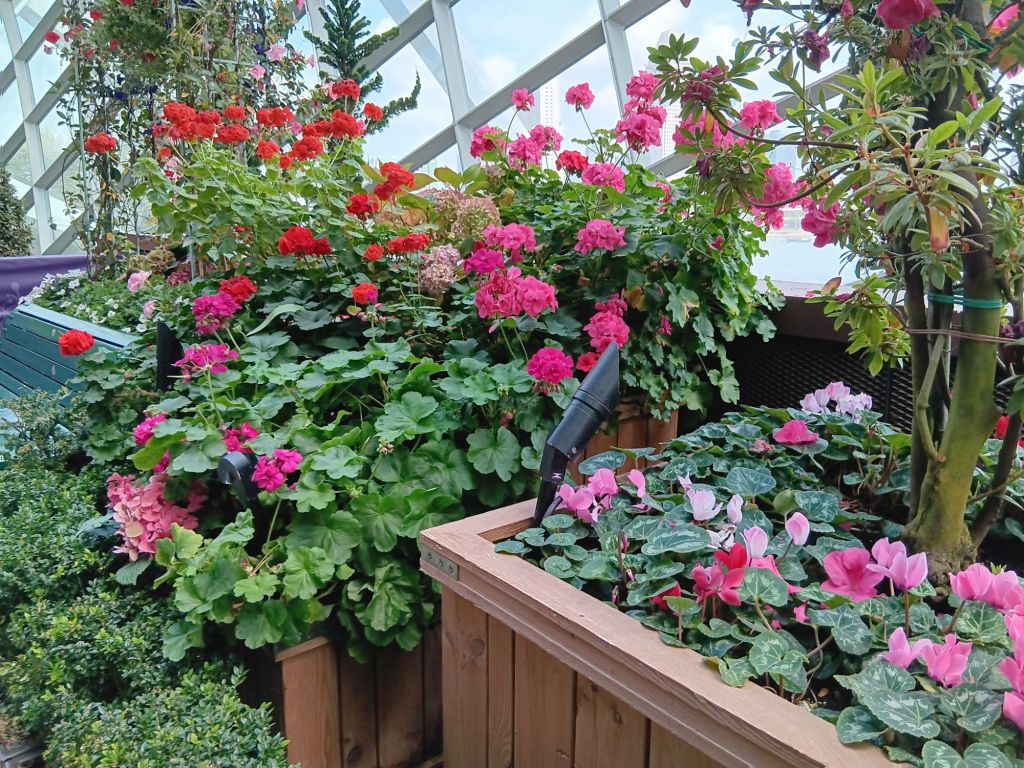
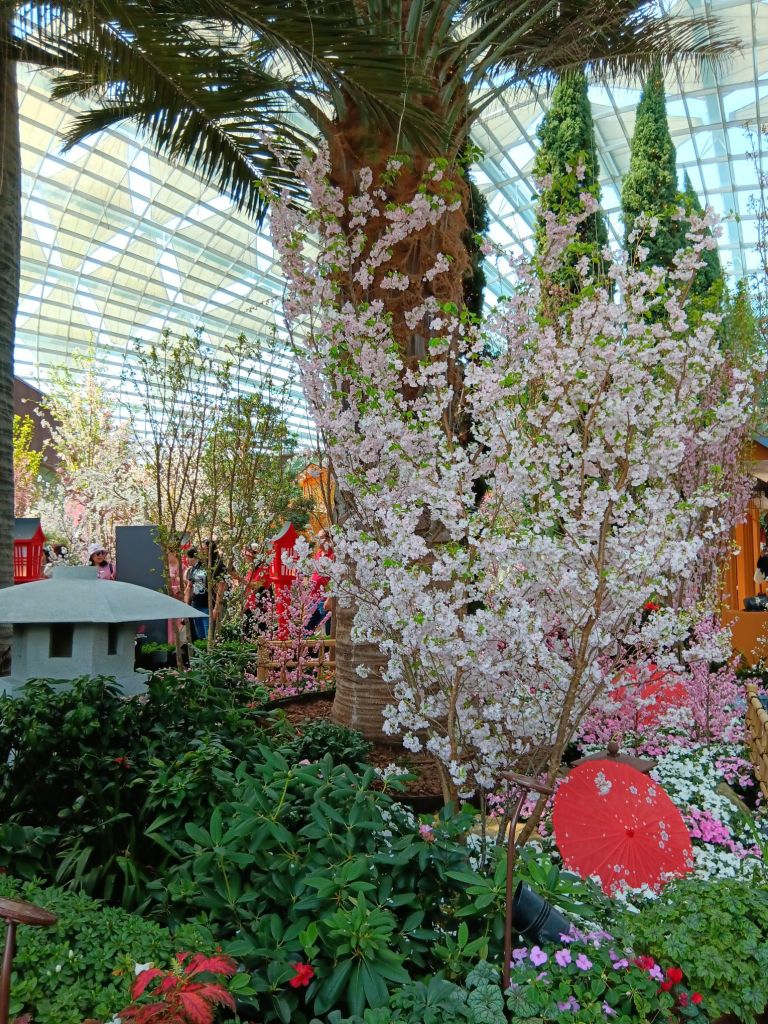
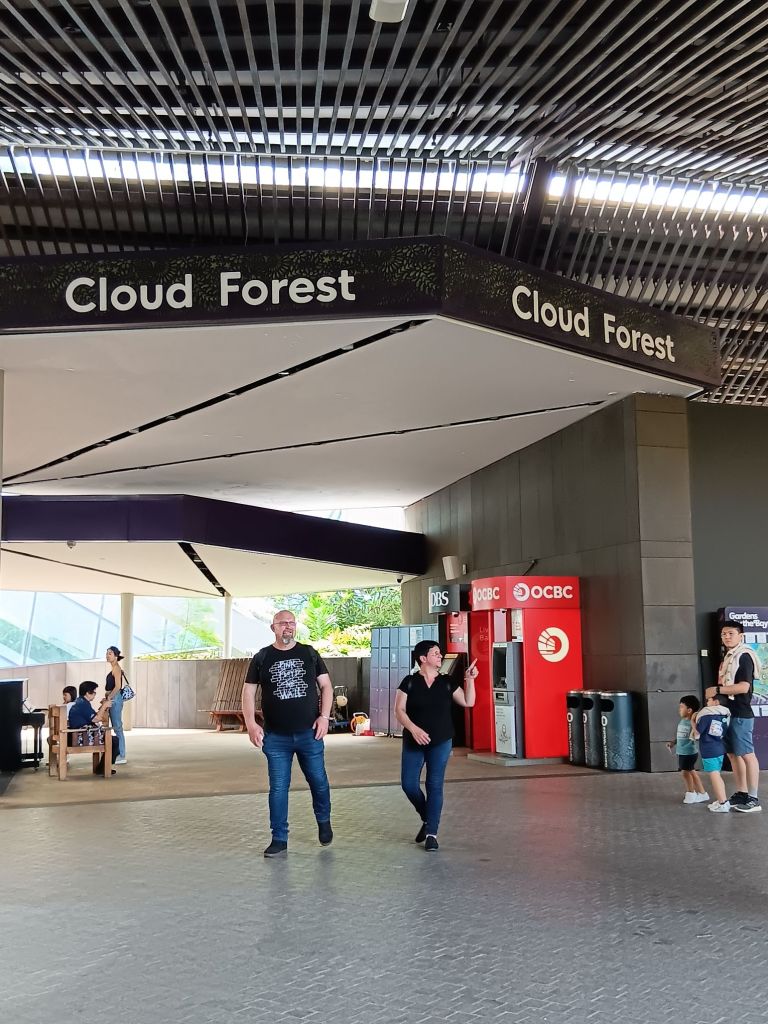
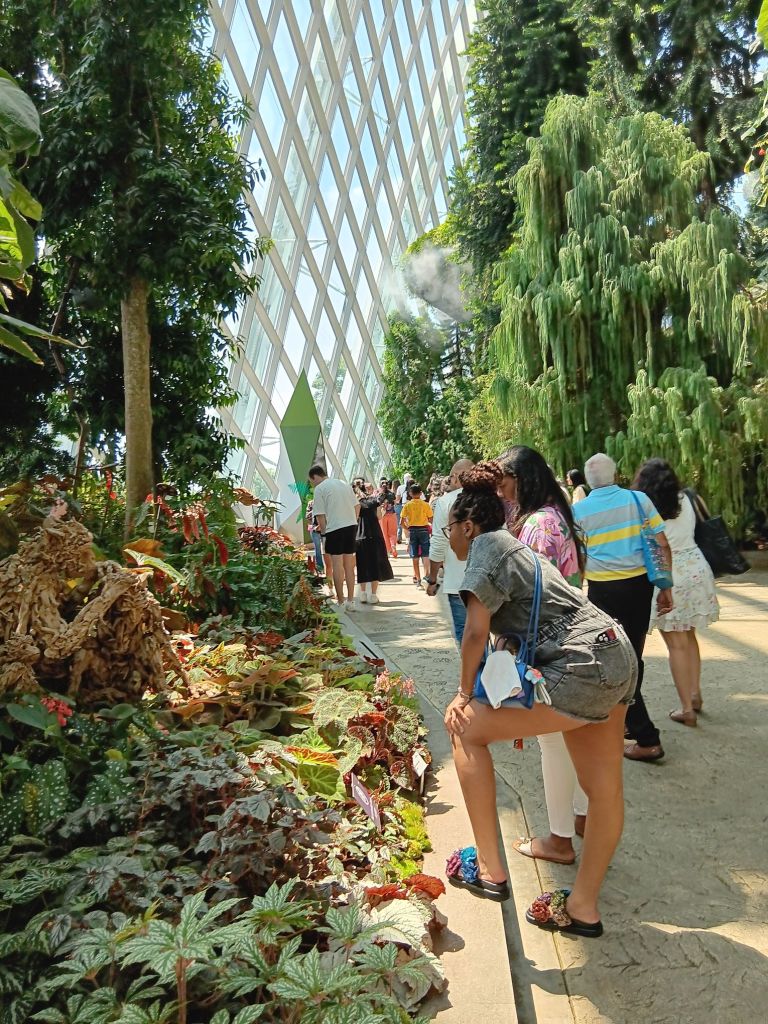
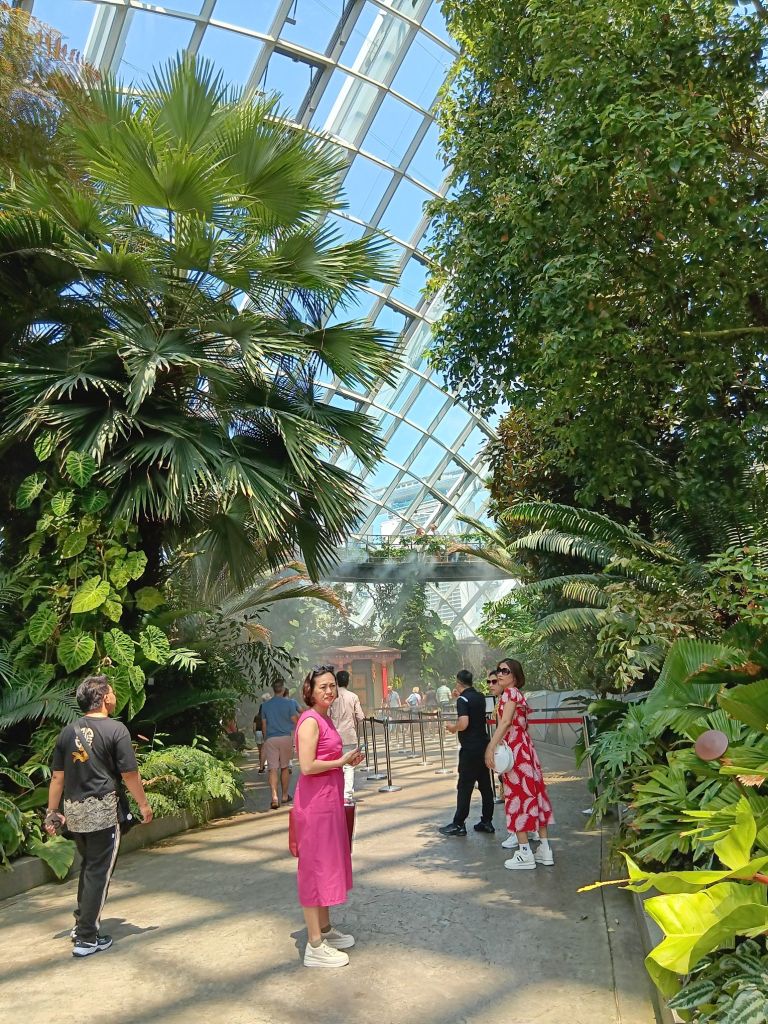
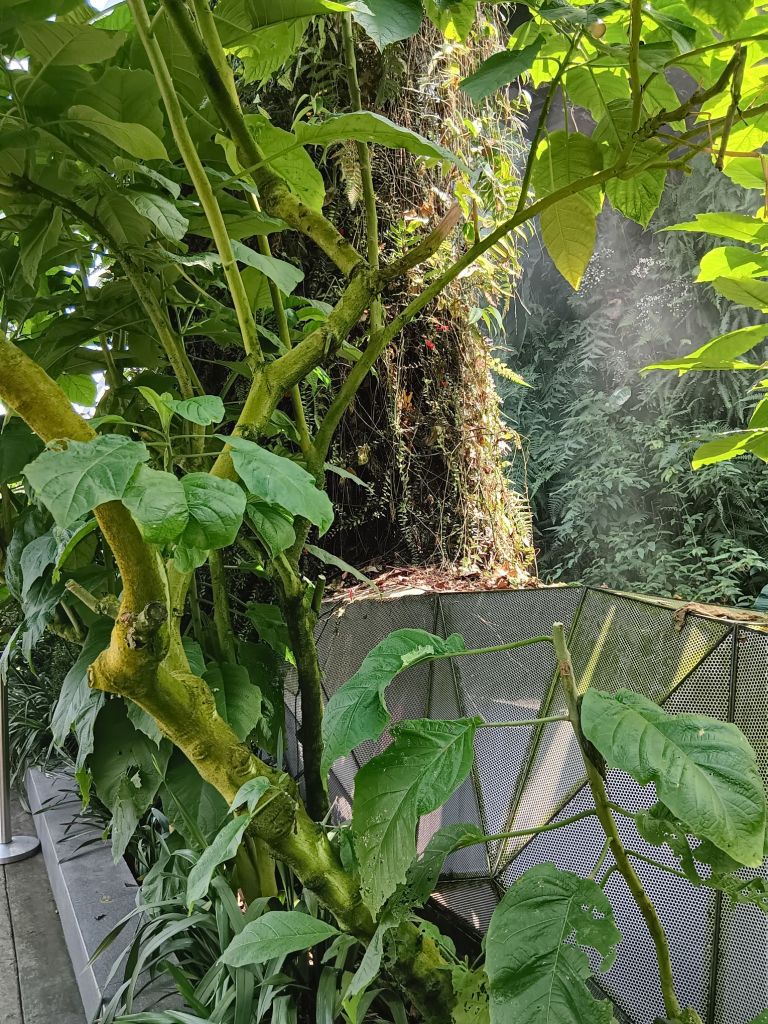
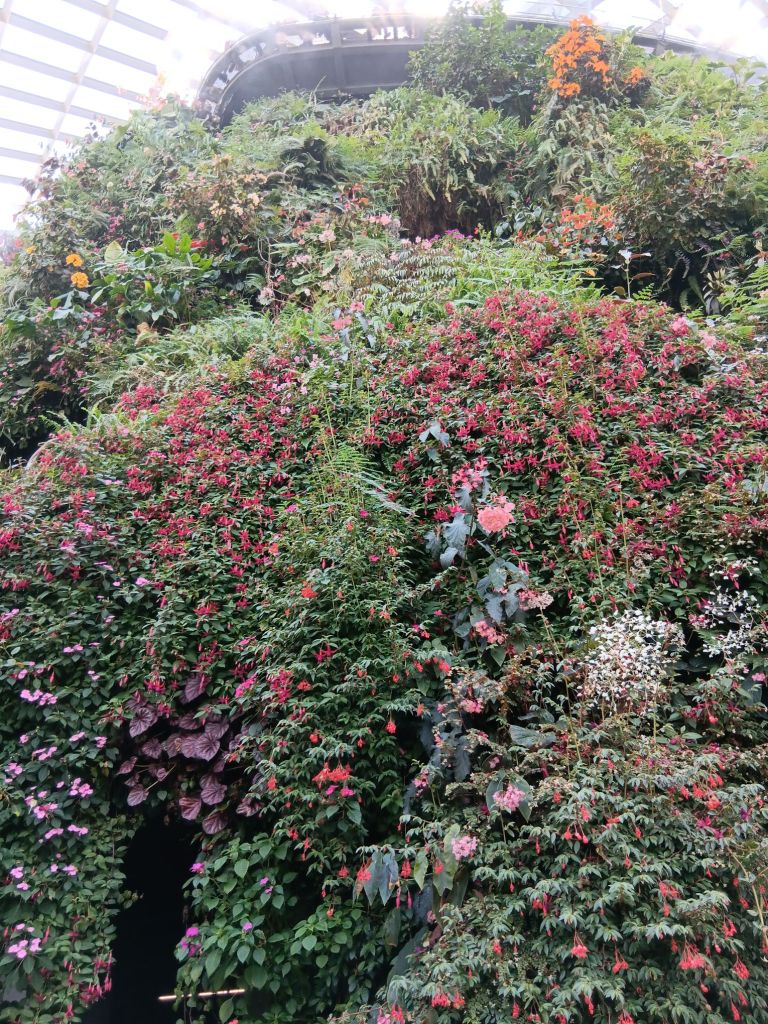
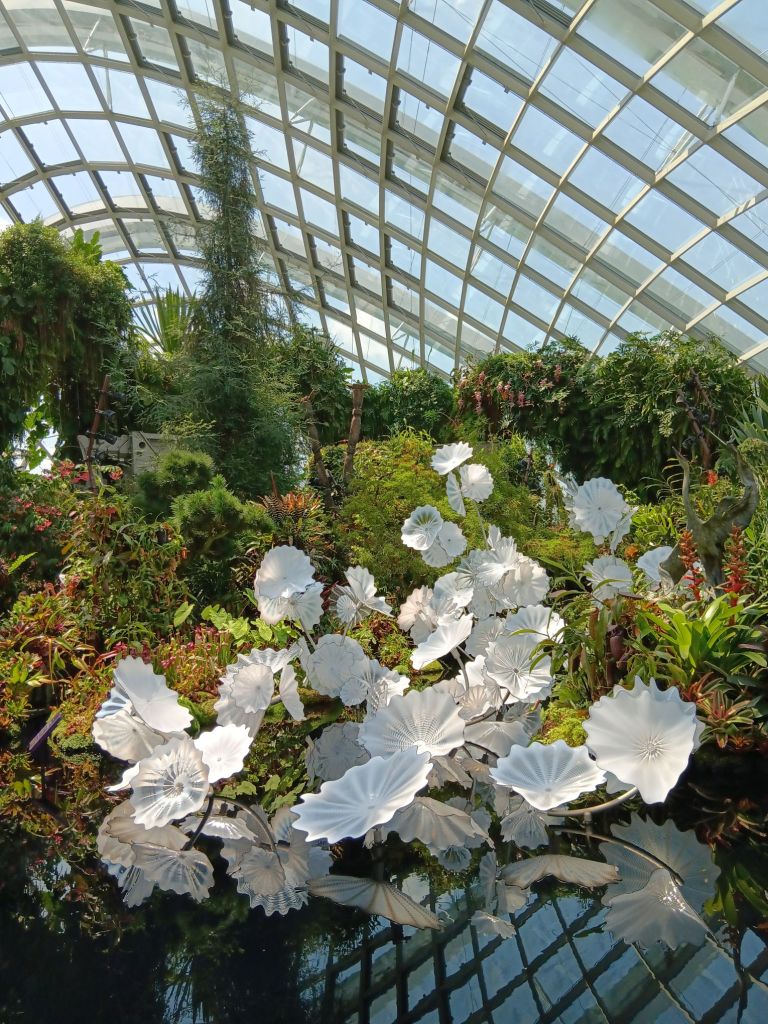
Nestled amidst the vibrant skyline of Singapore lies a verdant oasis that captivates the imagination and celebrates the wonders of nature: Gardens by the Bay. At the heart of this urban sanctuary stand two iconic structures – the Flower Dome and the Cloud Forest – each offering a unique journey through diverse ecosystems and botanical marvels.


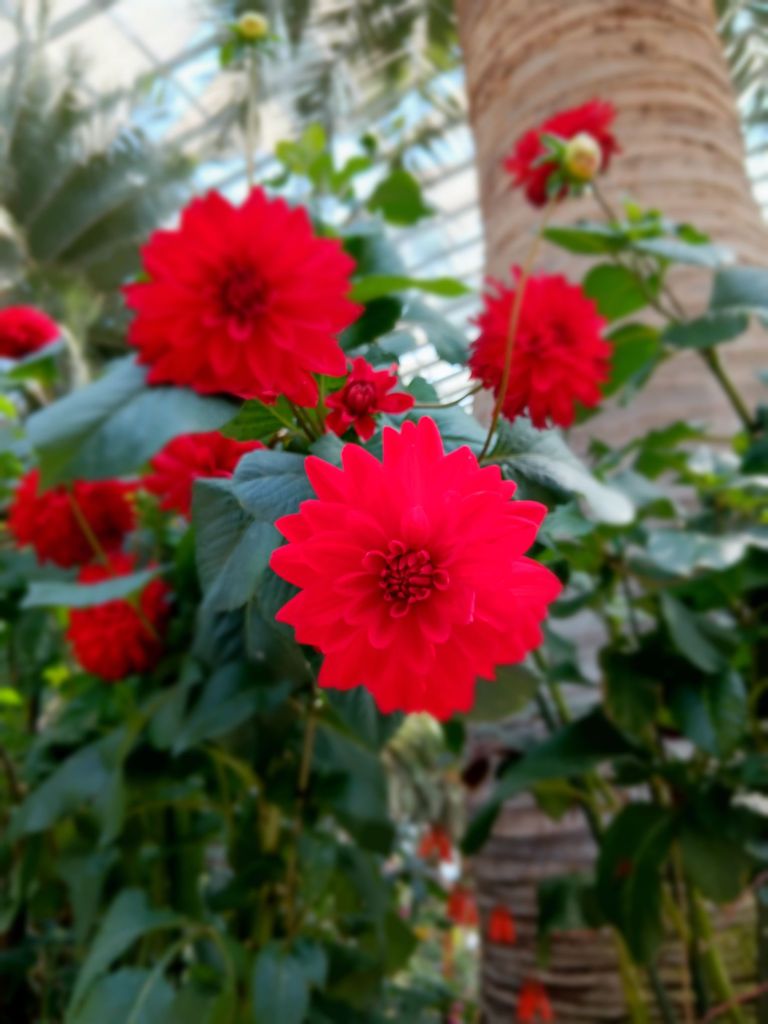
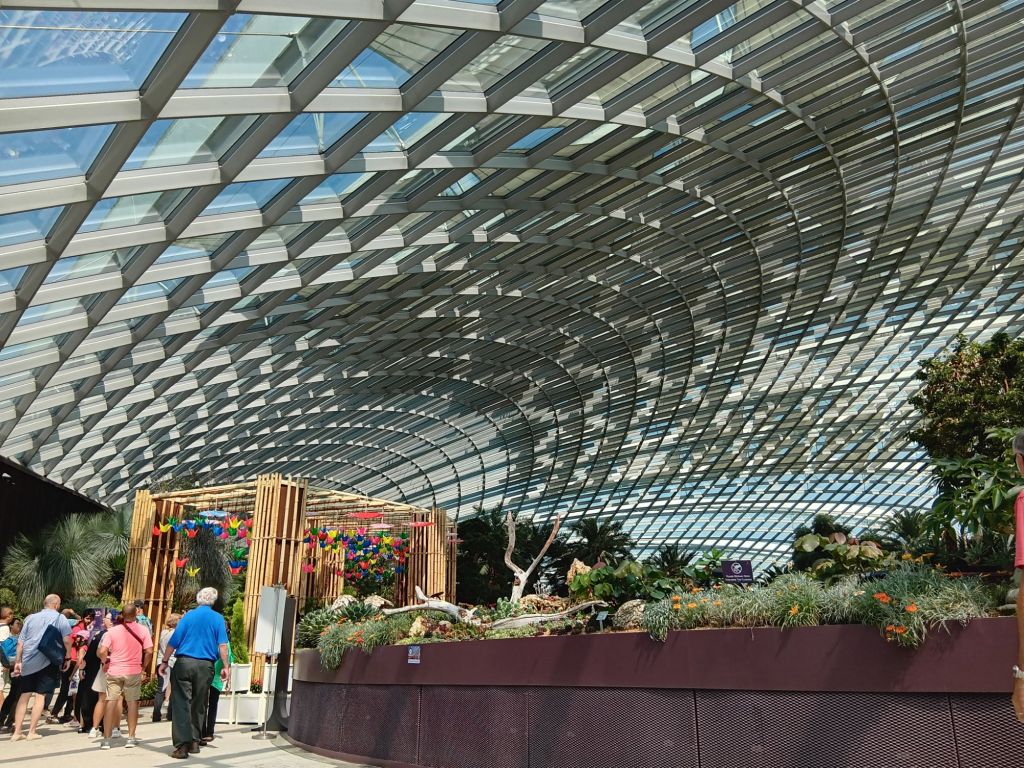
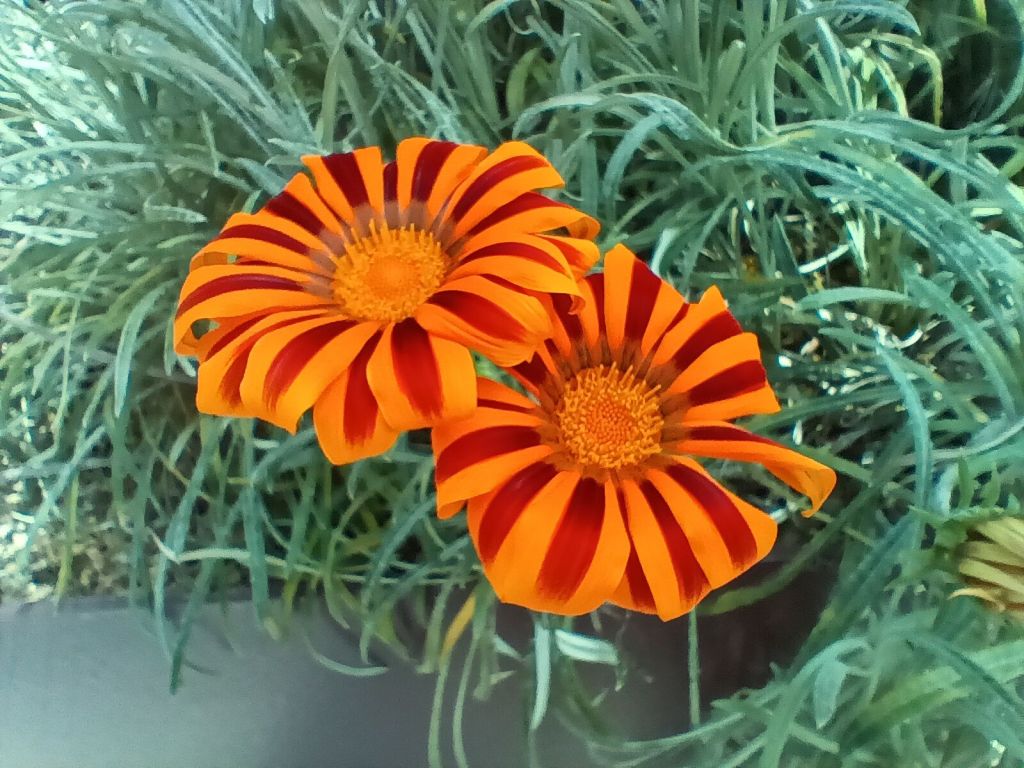
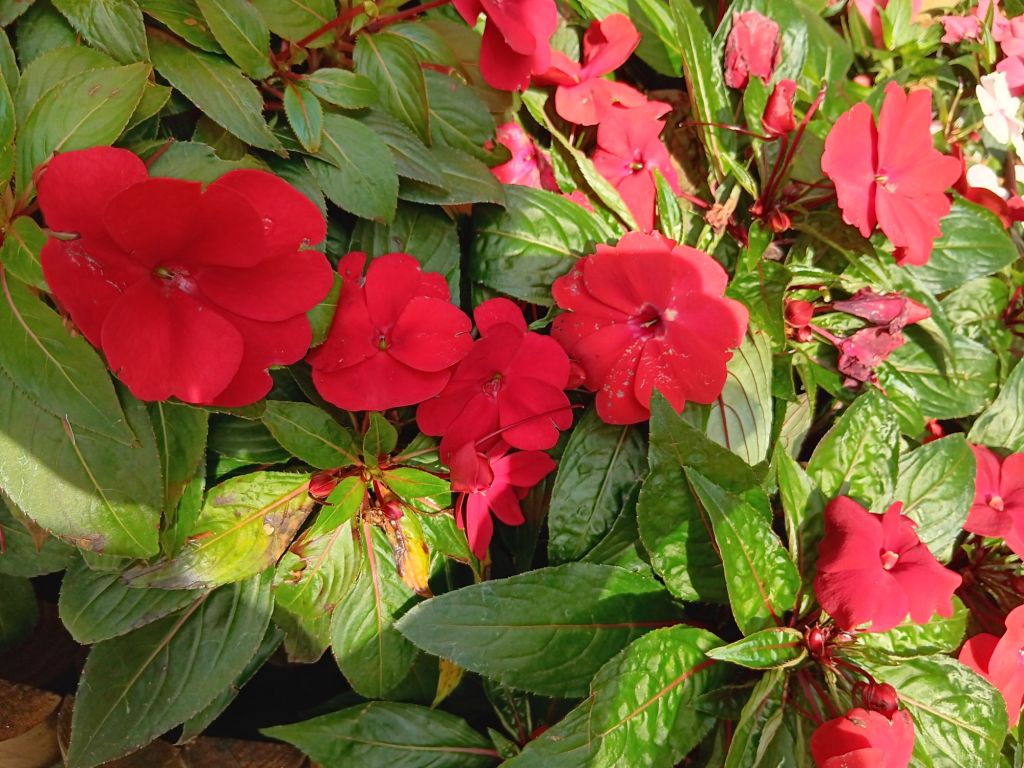
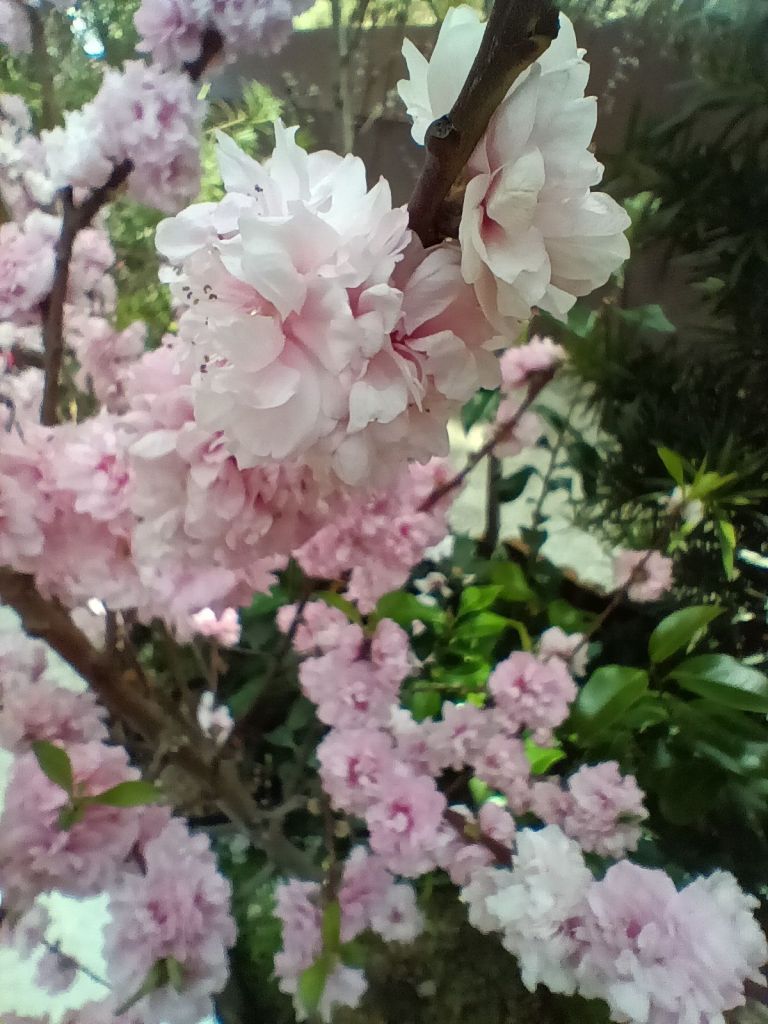
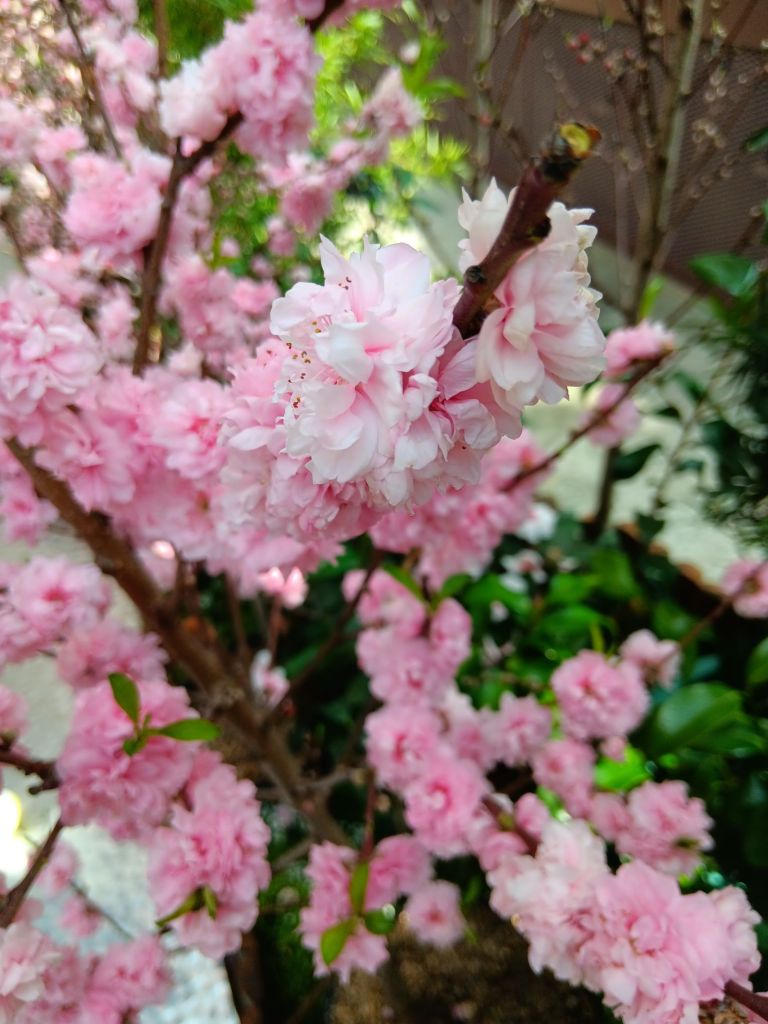
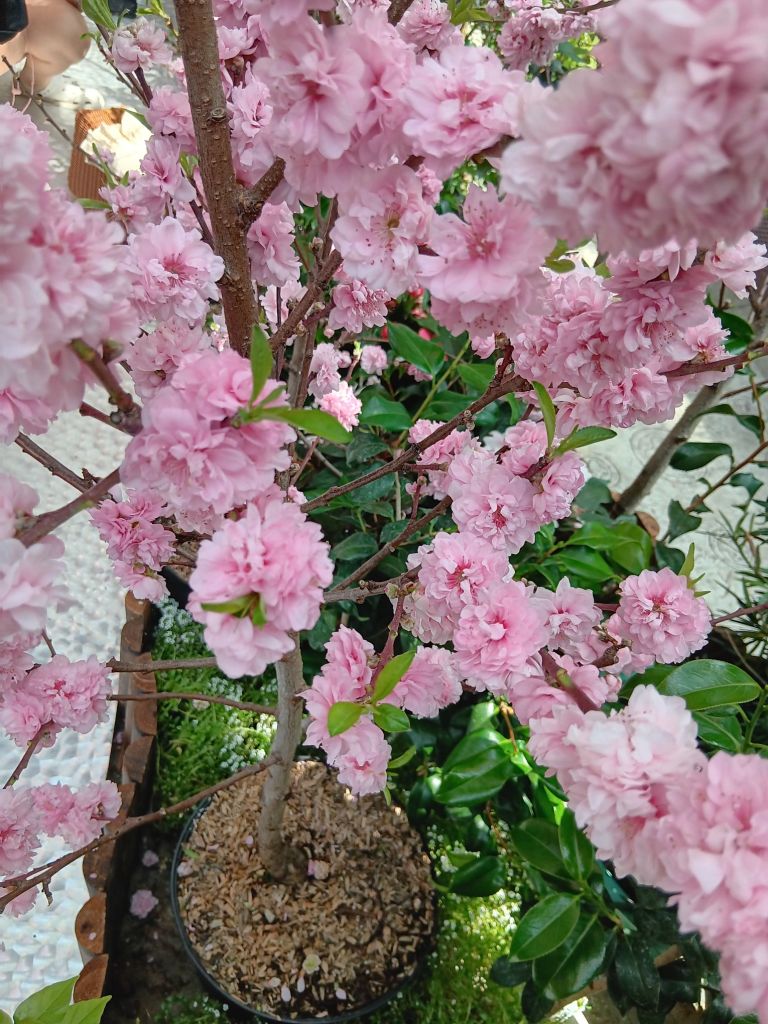
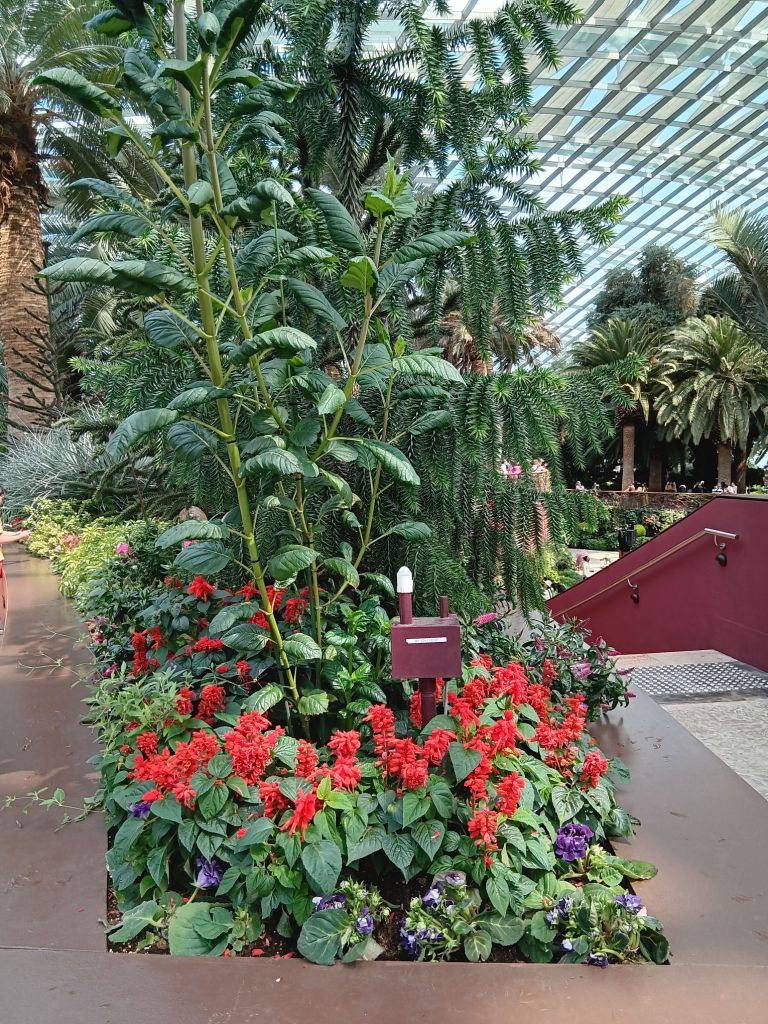
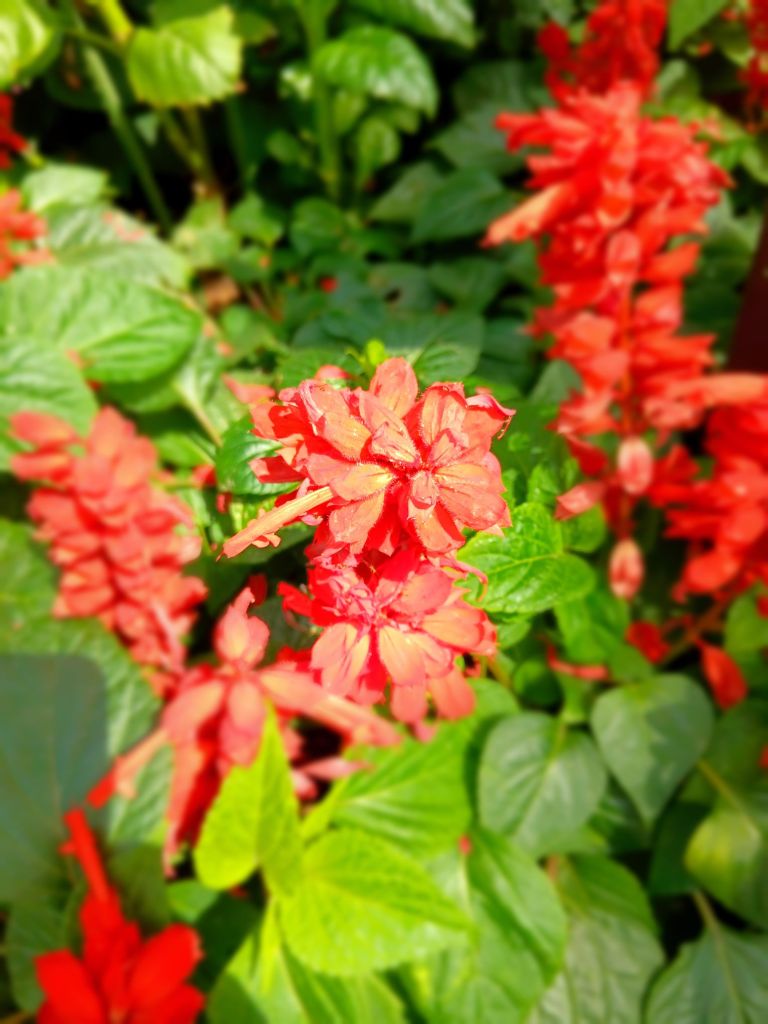
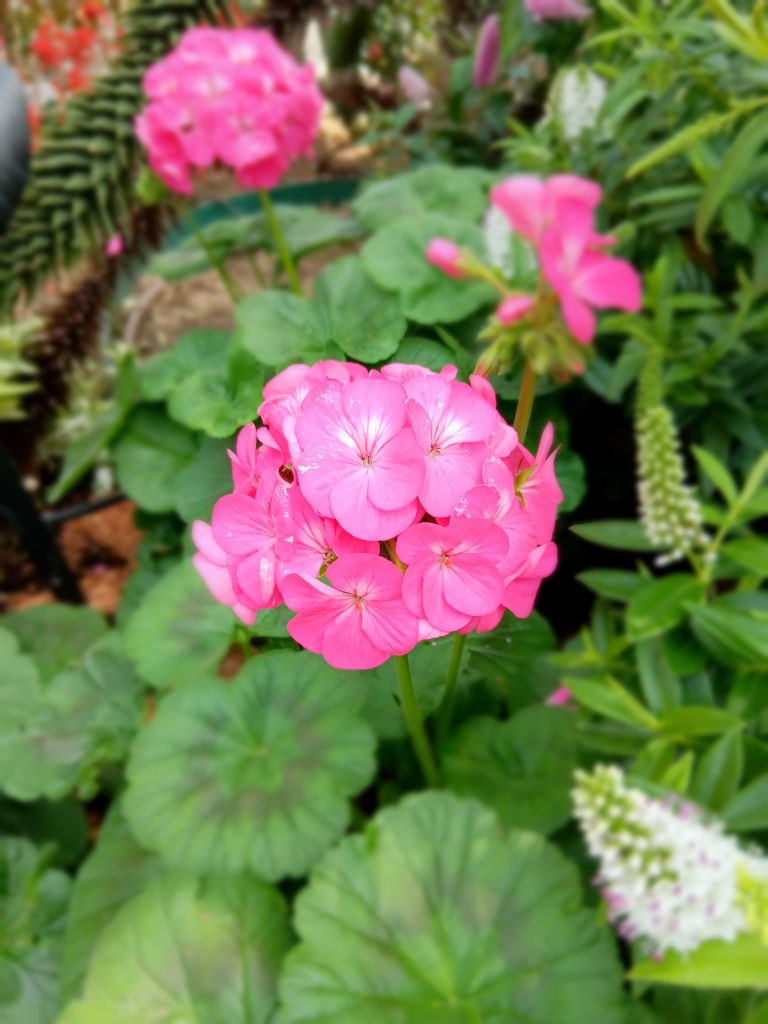
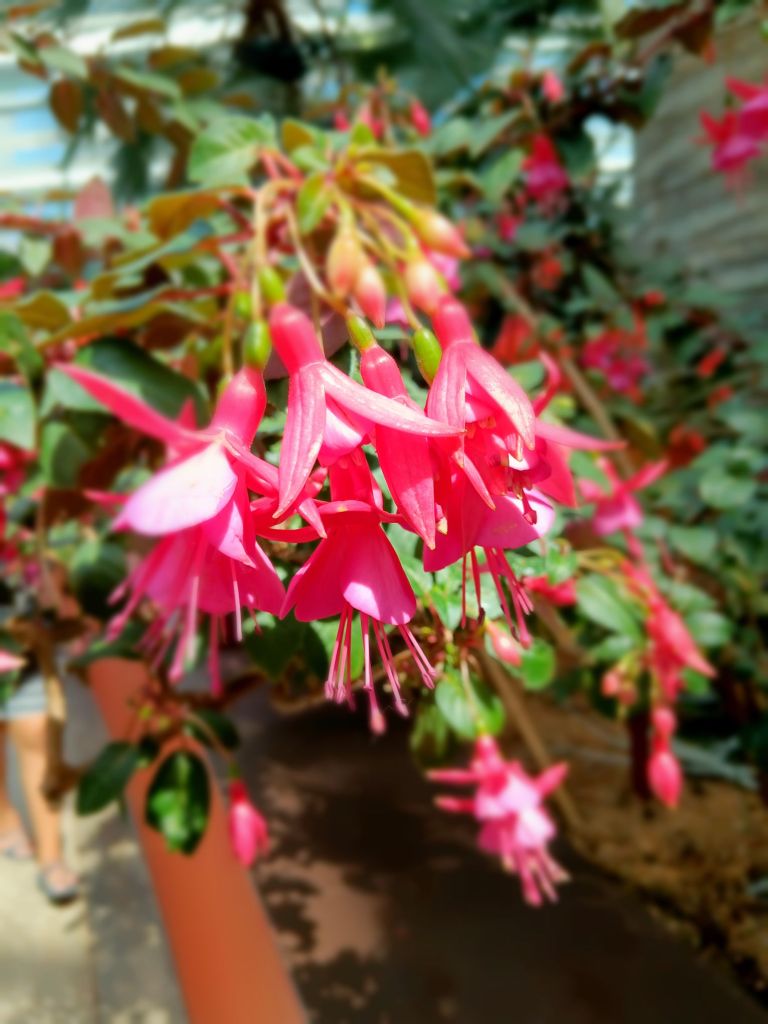
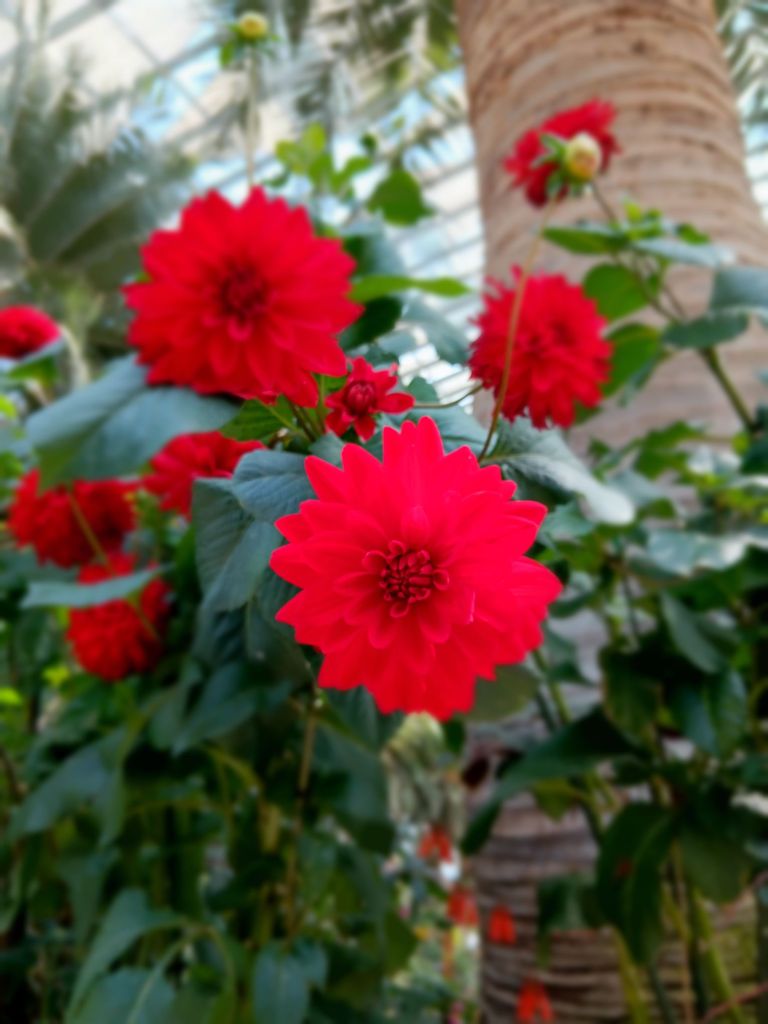
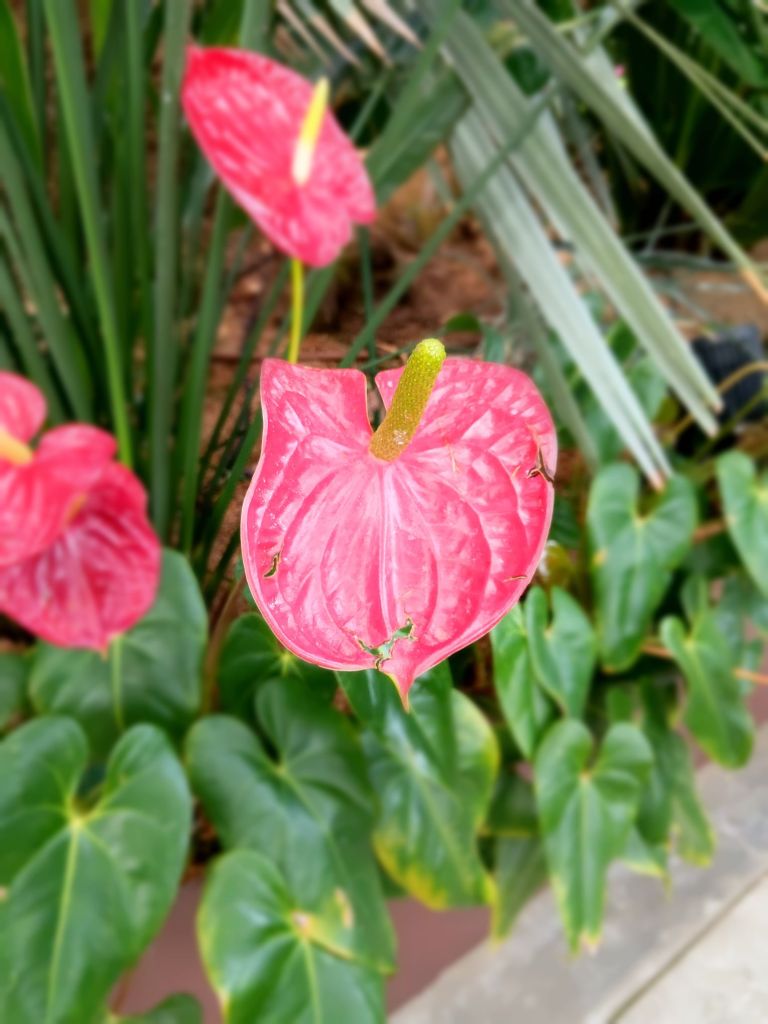
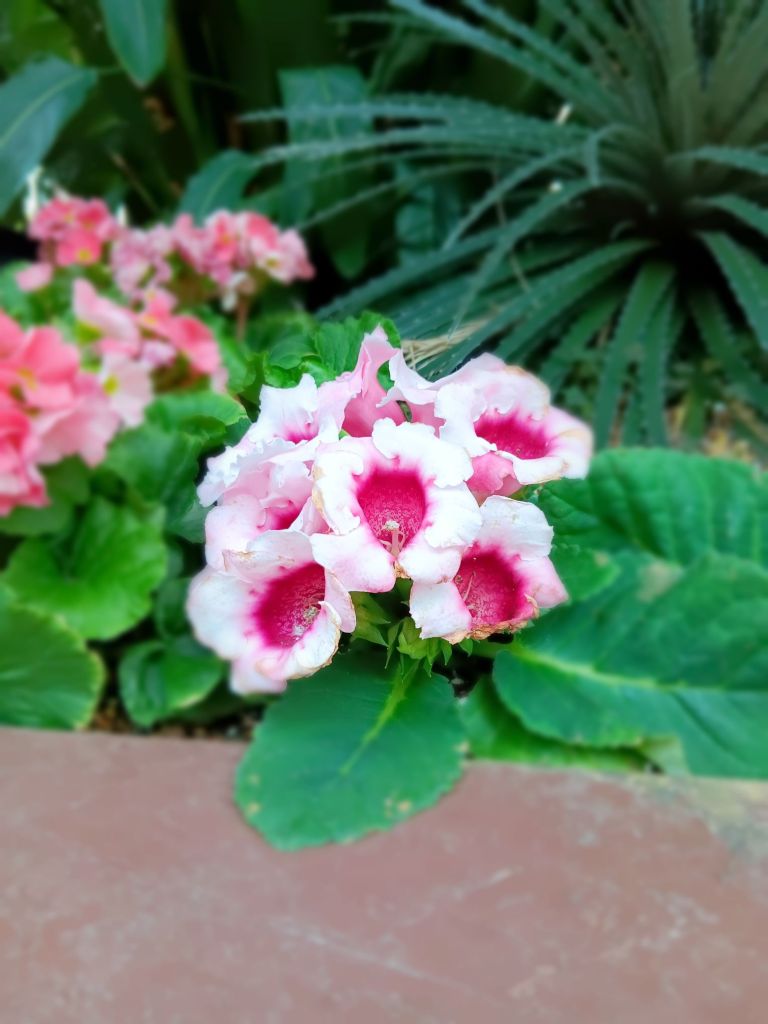
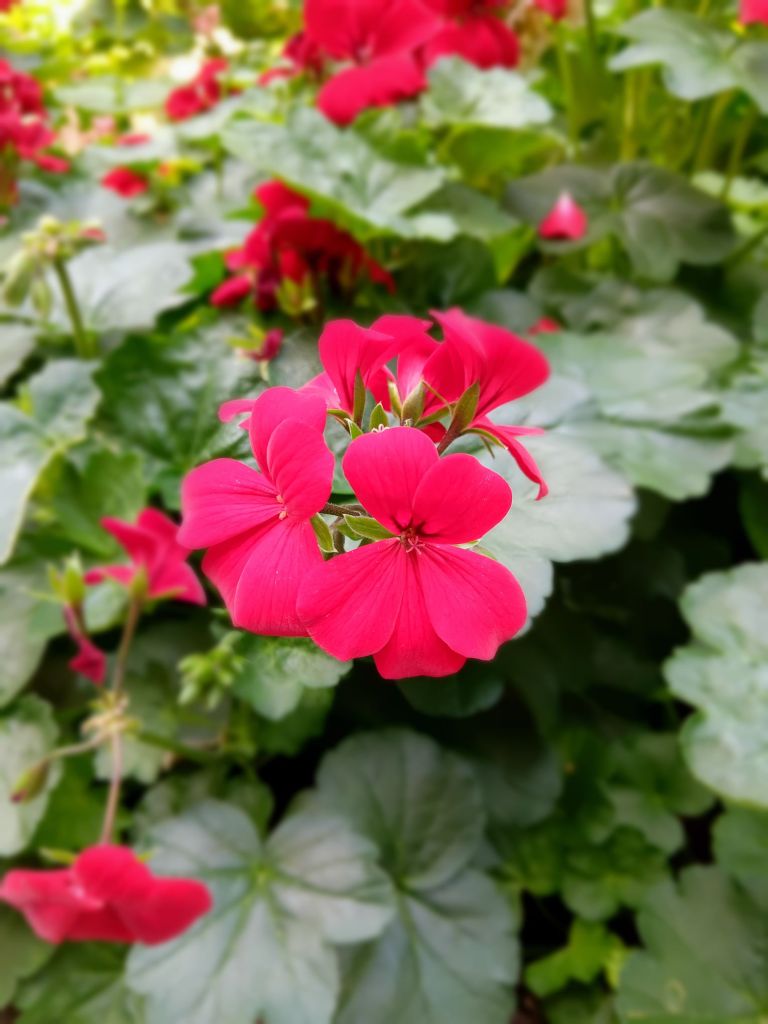
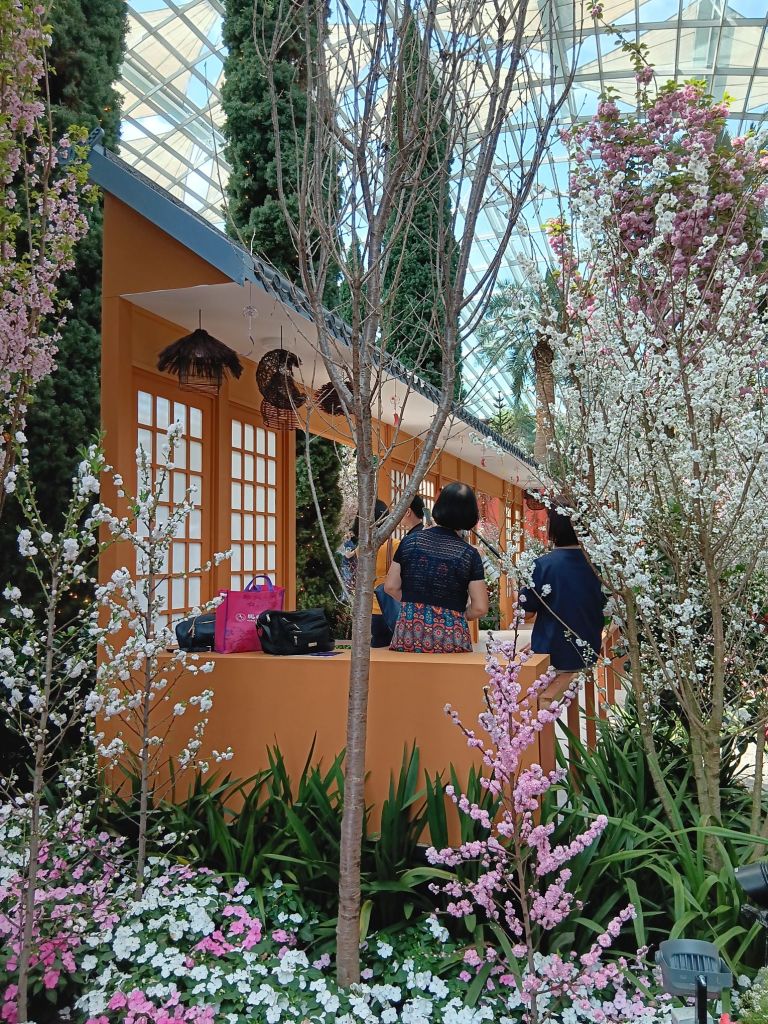
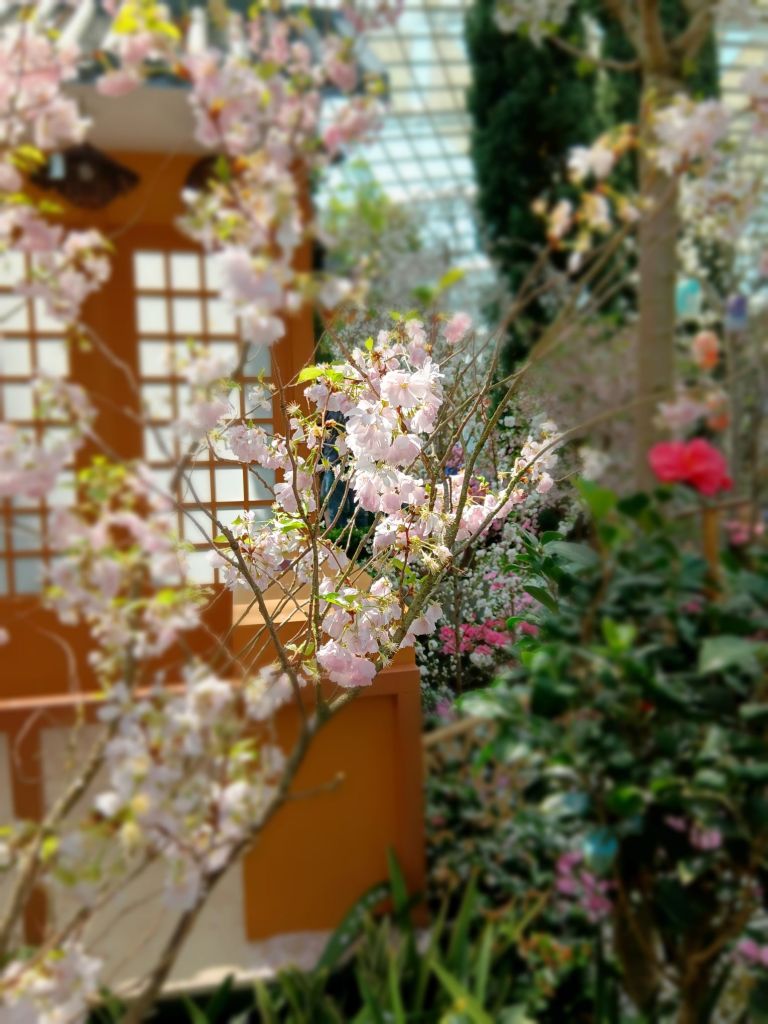
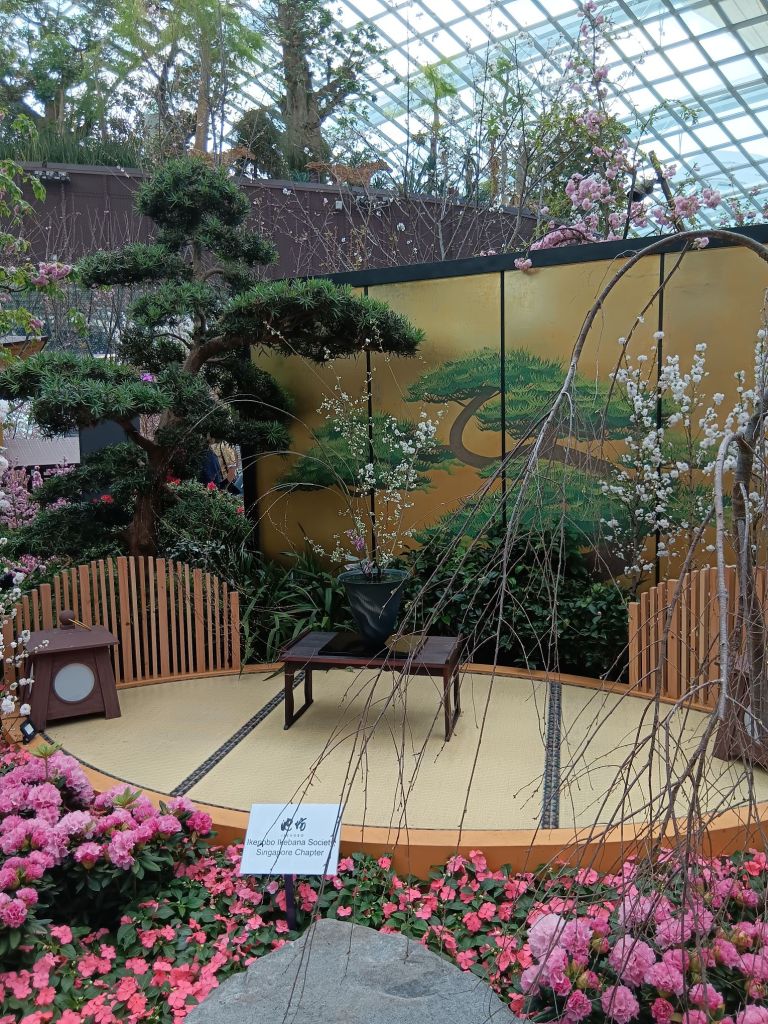
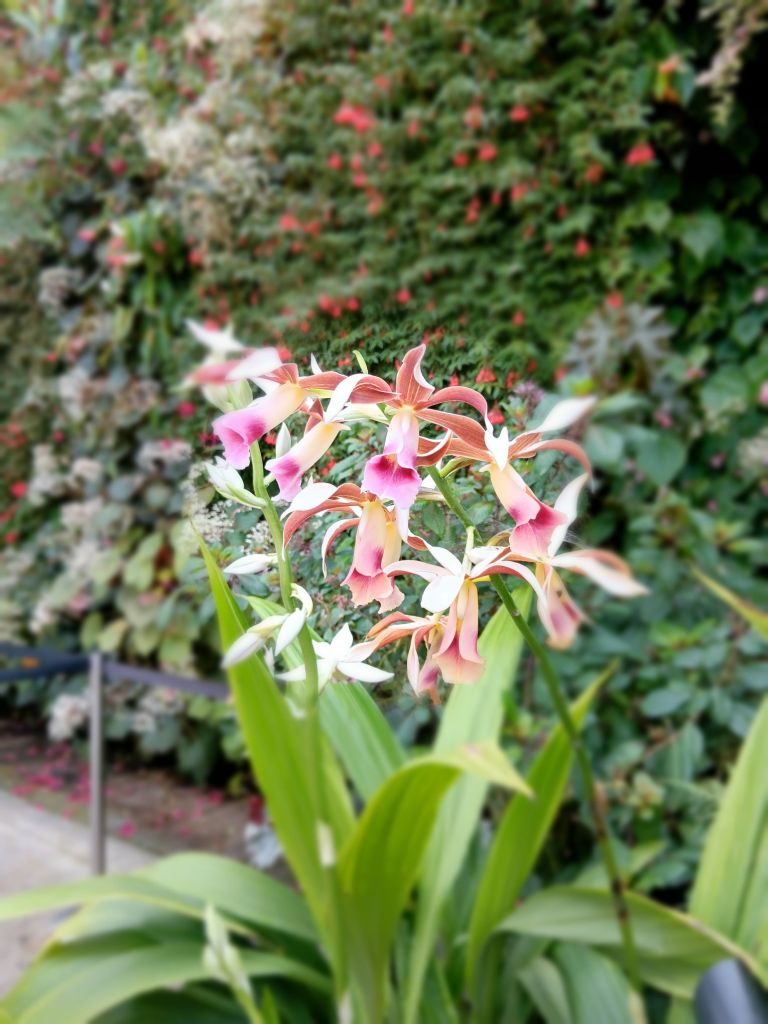
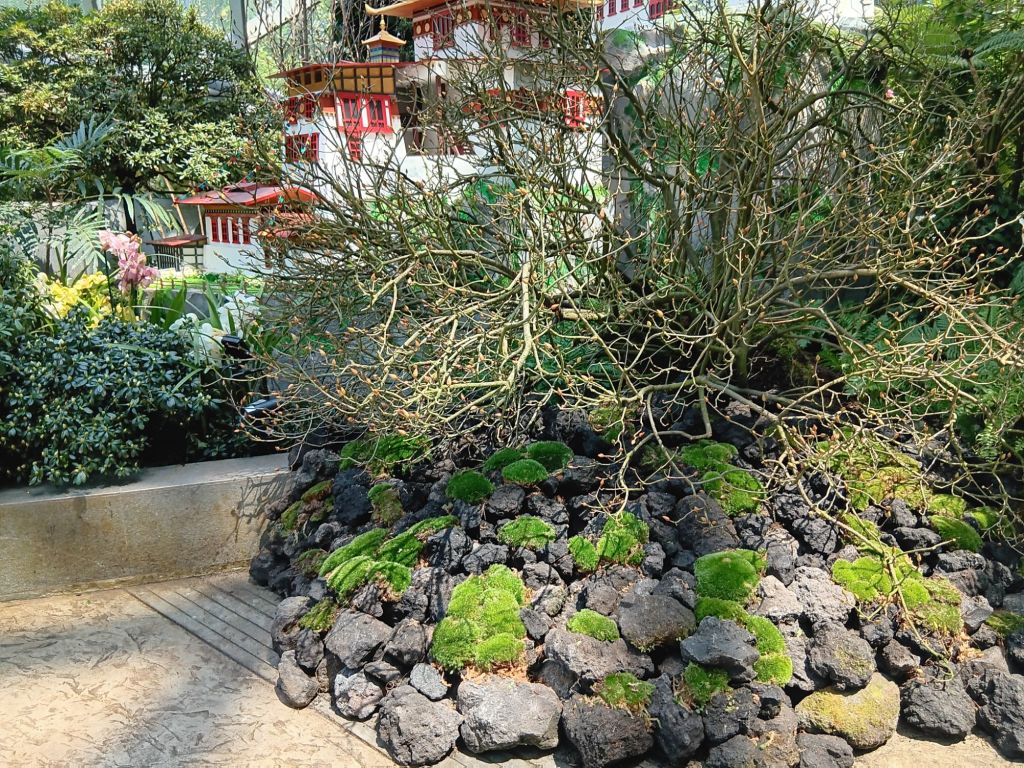
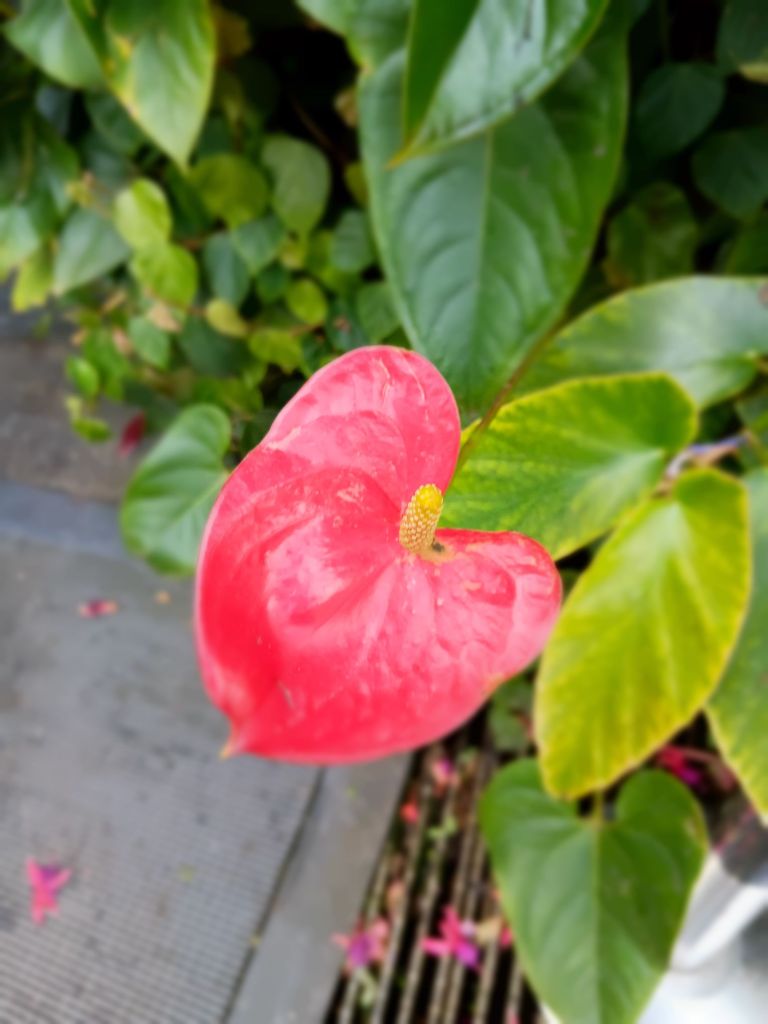
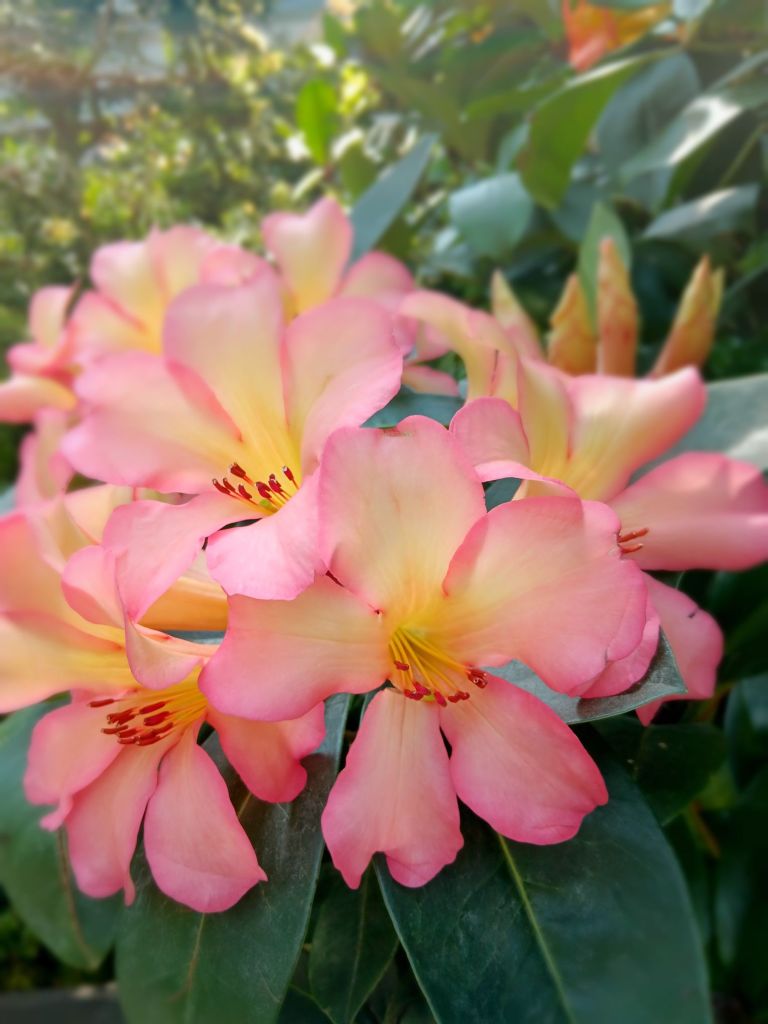
The Flower Dome, with its striking glass facade and graceful curves, beckons visitors into a world of perpetual spring. Step inside and be enveloped by a kaleidoscope of colors and fragrances, as thousands of exotic flowers and plants from around the globe bloom in harmonious splendor. From the arid landscapes of the Mediterranean to the cool temperate regions of Australia, each corner of the dome showcases the rich diversity of flora that thrives in different climatic zones.

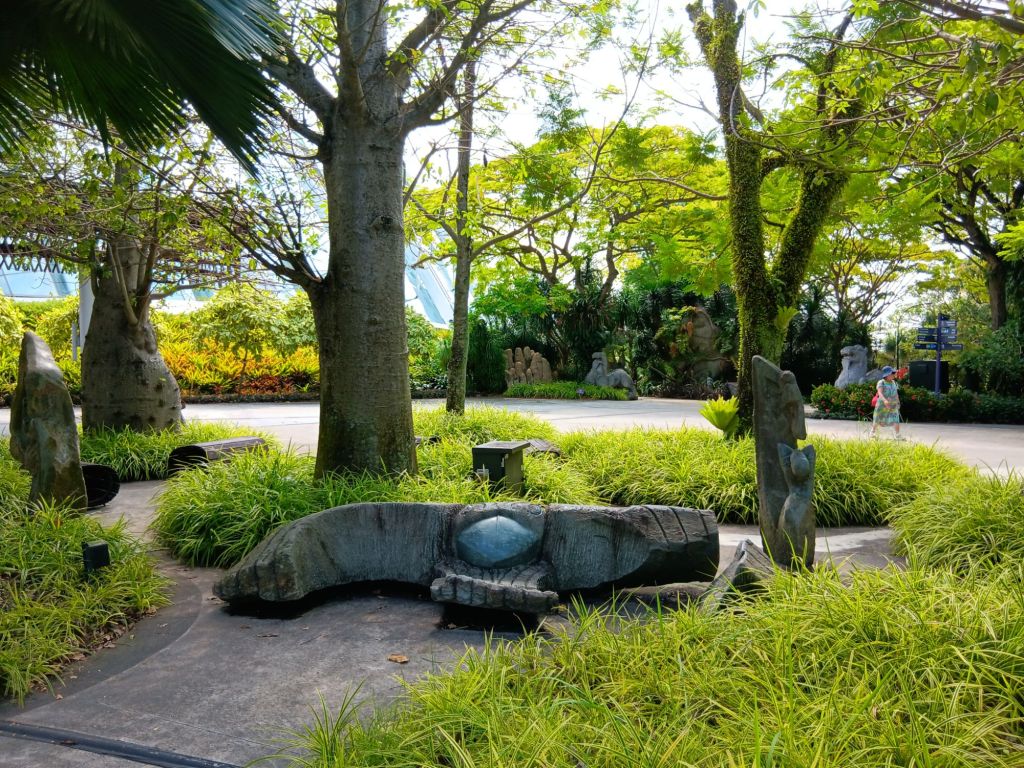
As visitors wander through the Flower Dome’s winding pathways, they encounter towering baobabs, majestic olive trees, and delicate orchids, each a testament to nature’s beauty and resilience. Whether admiring the intricate patterns of a succulent or marveling at the vibrant hues of a blooming tulip, every moment spent in this botanical paradise is a feast for the senses.


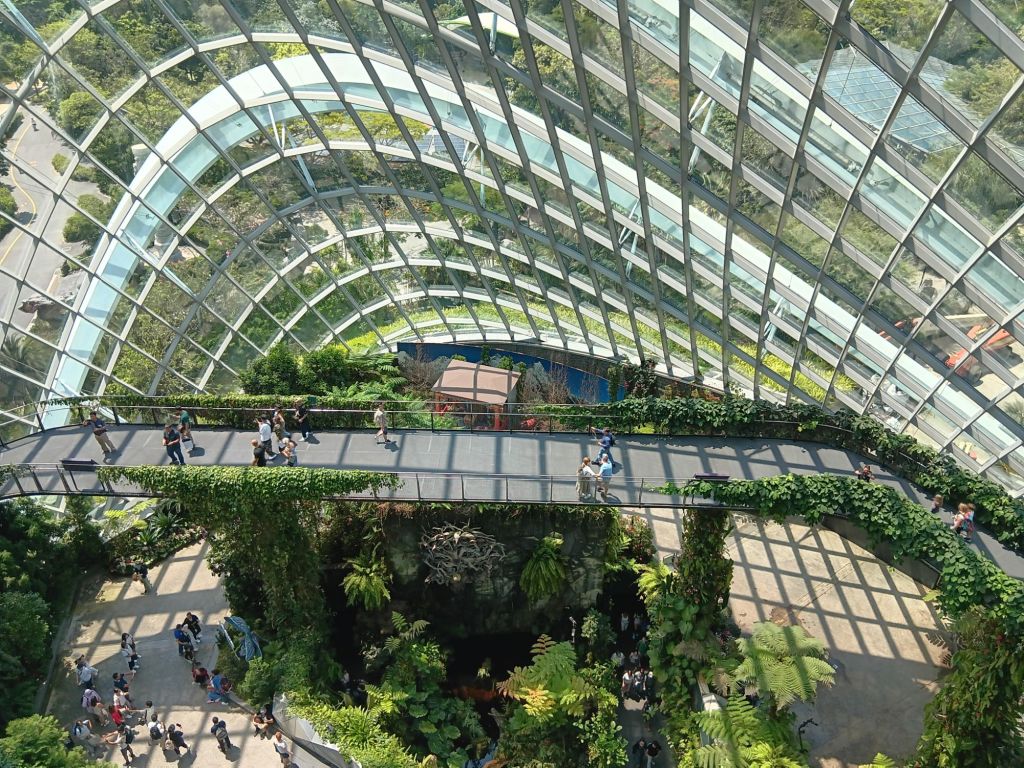
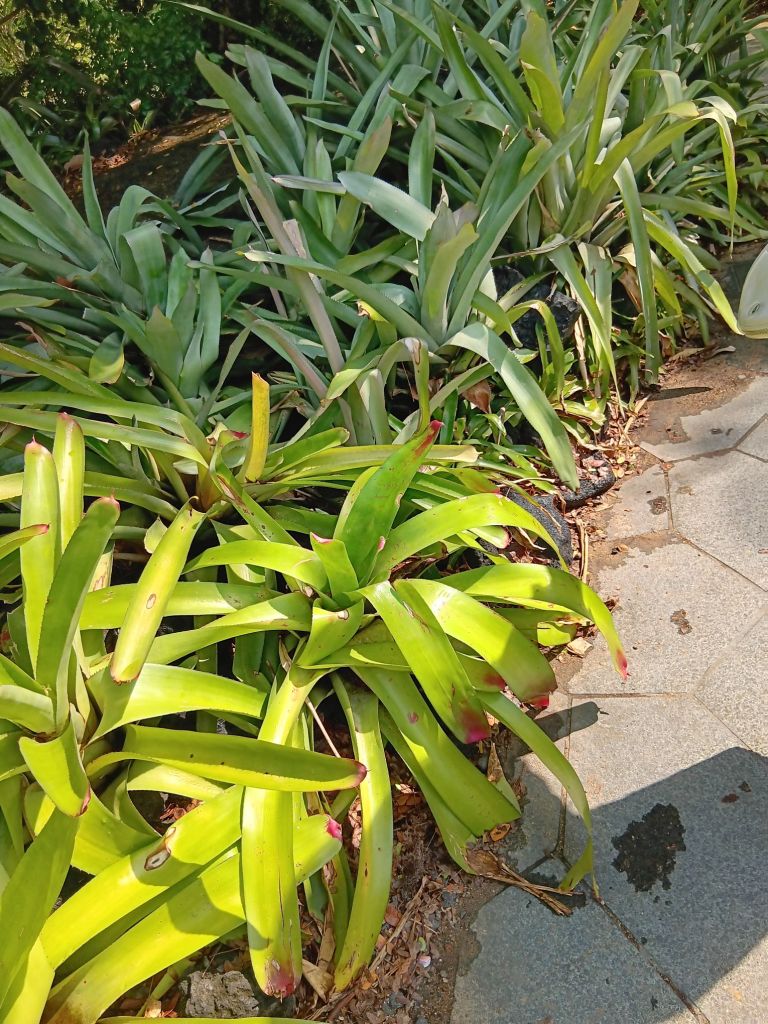
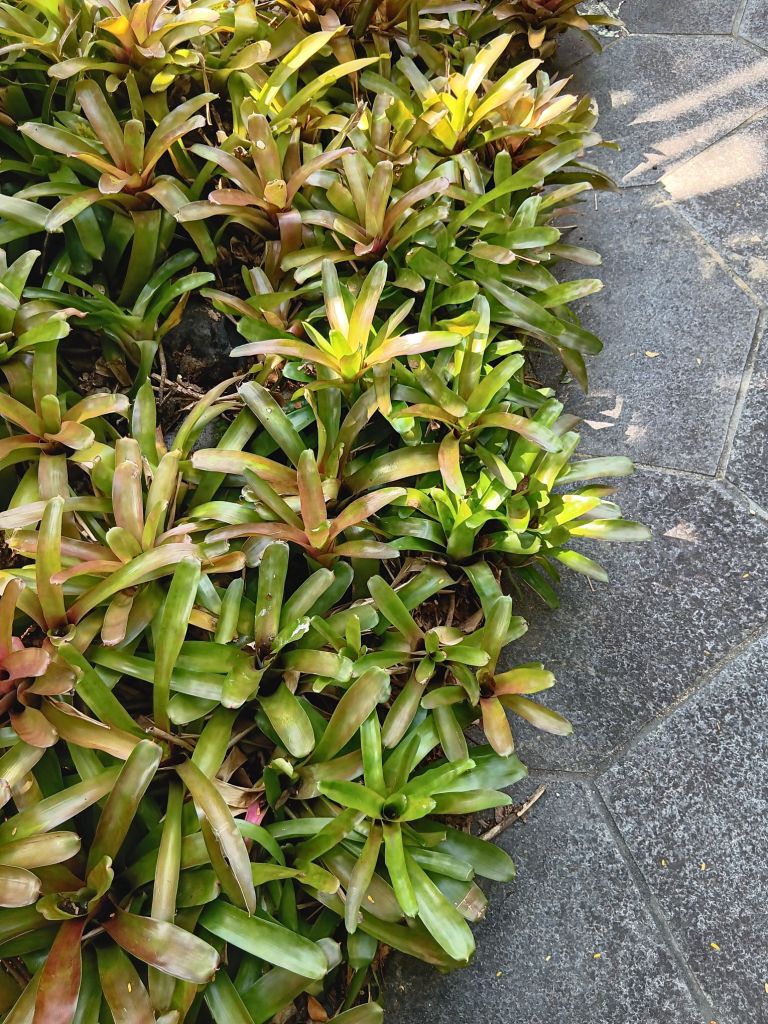
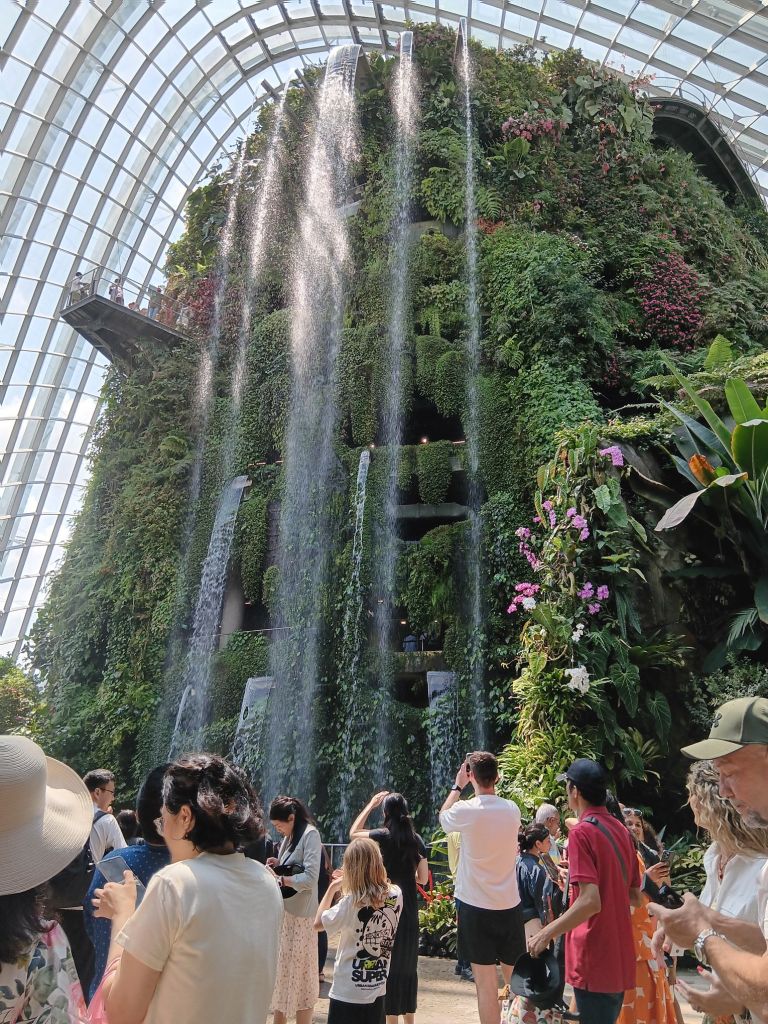
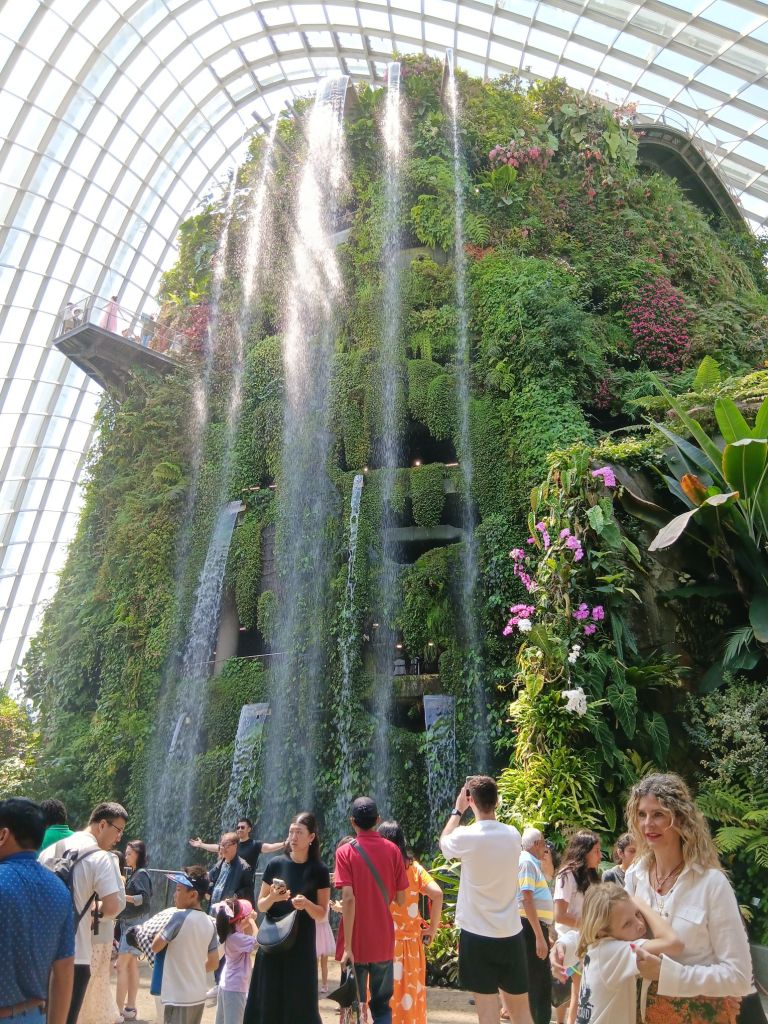
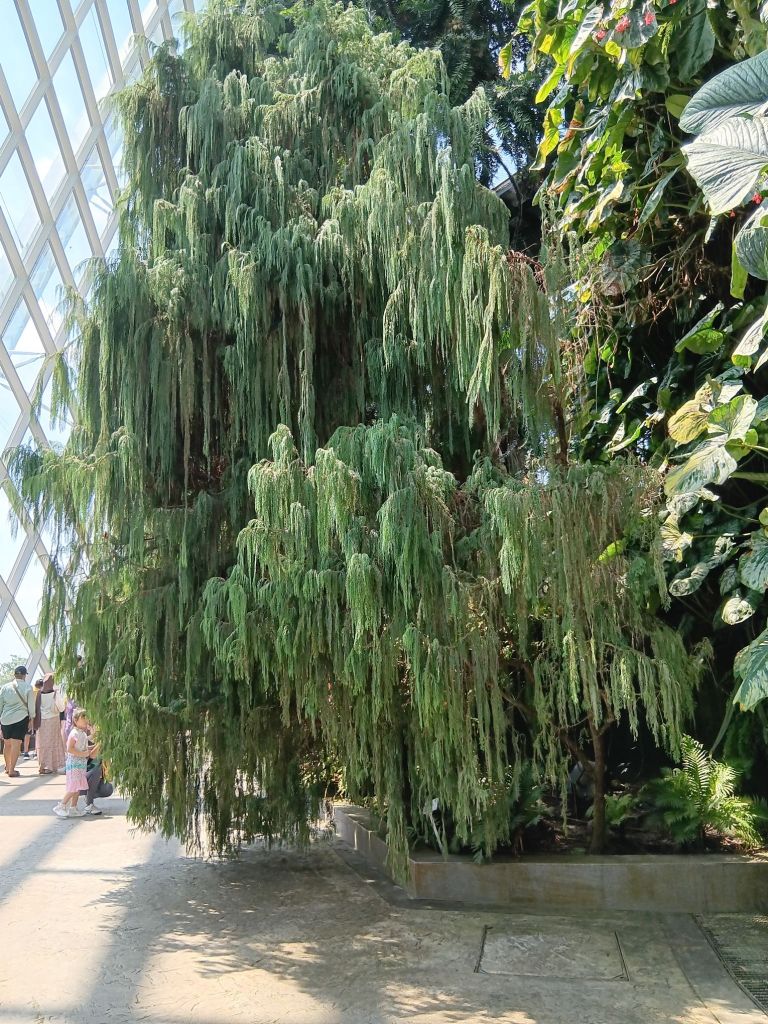
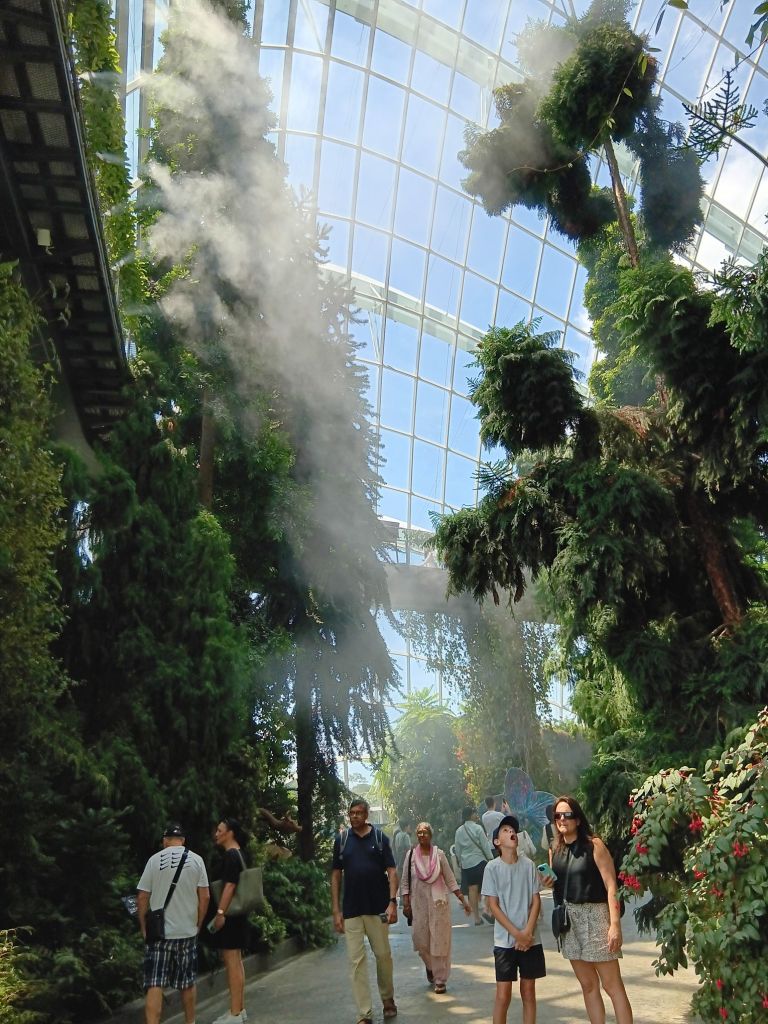
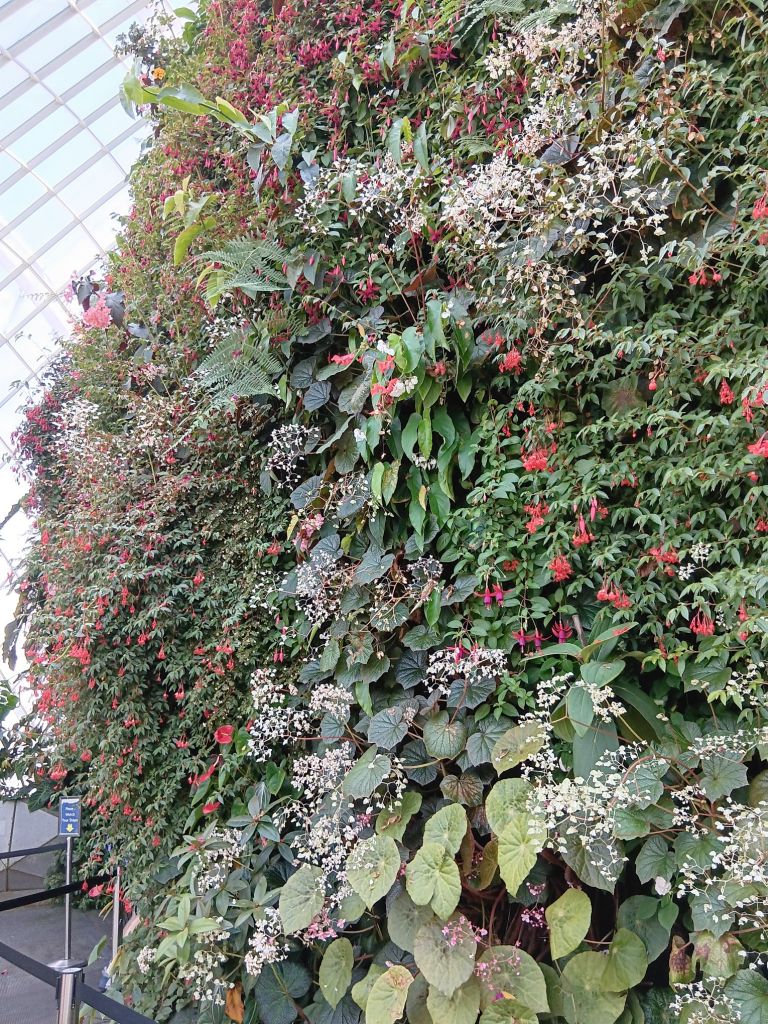
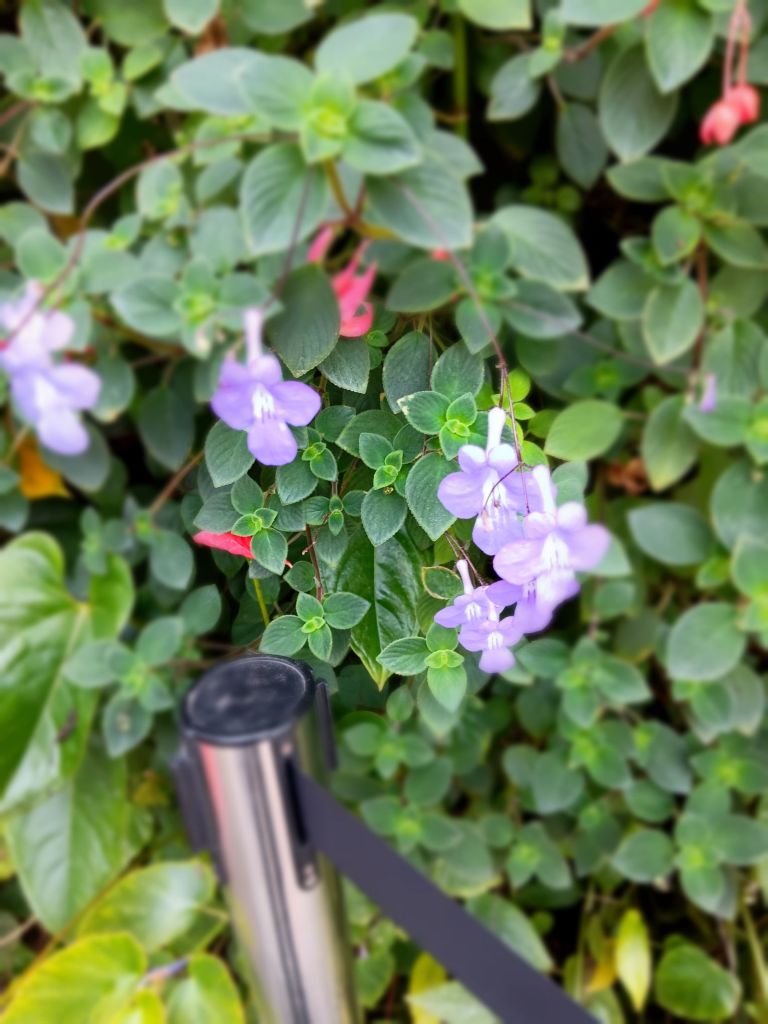
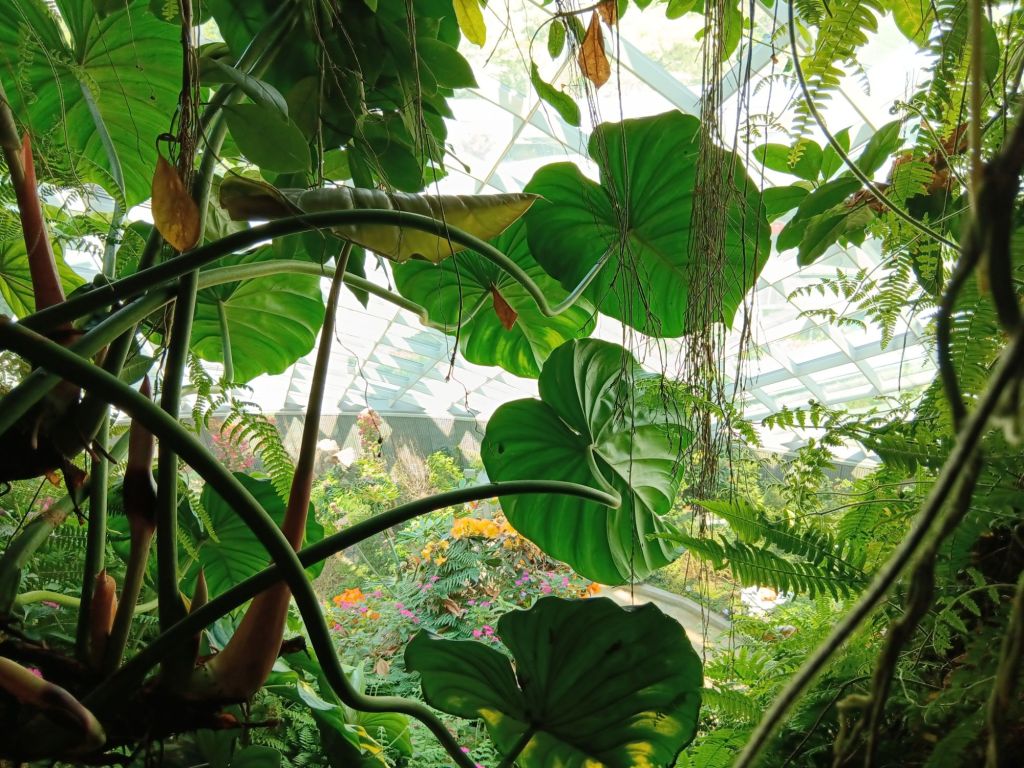
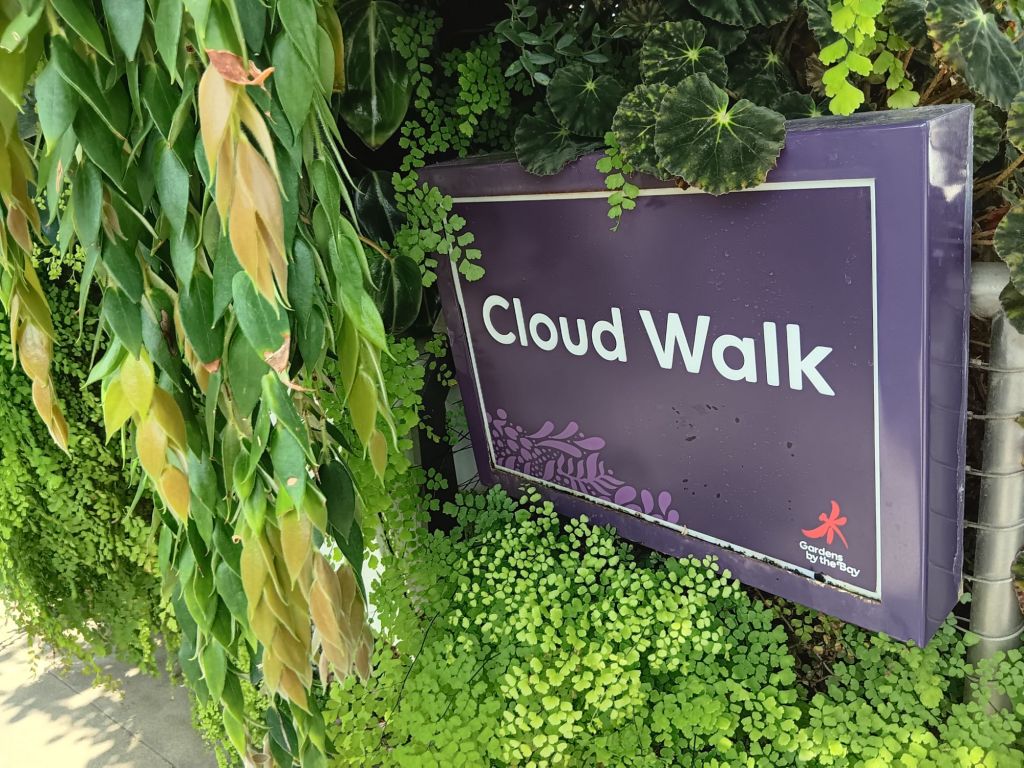
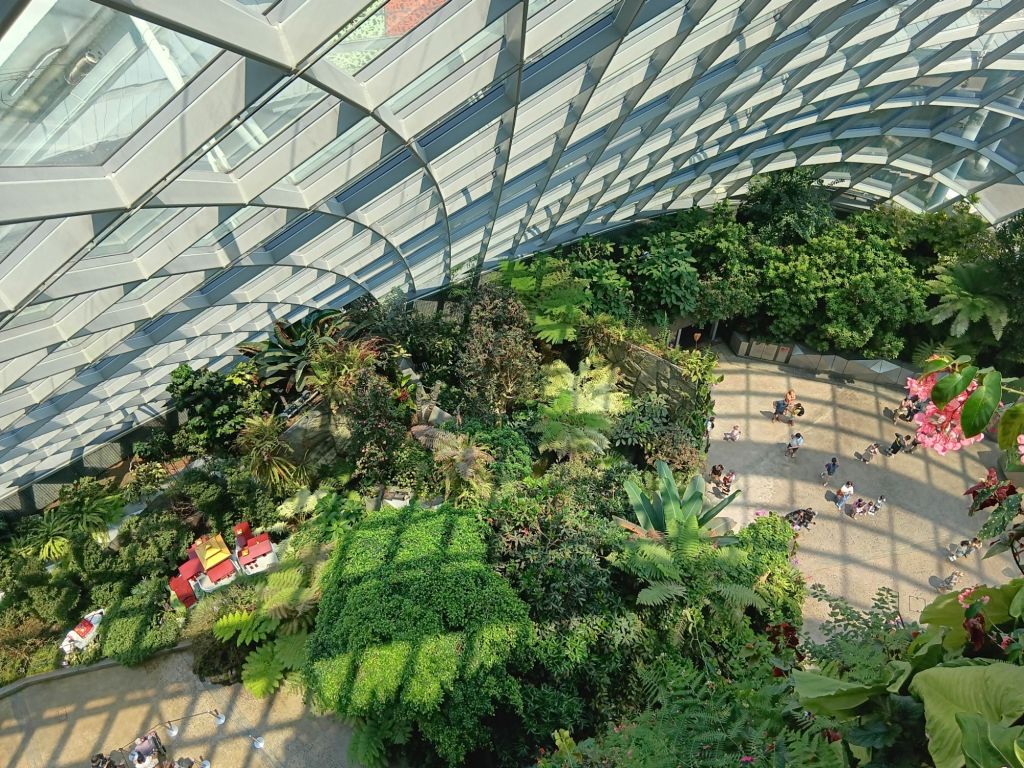
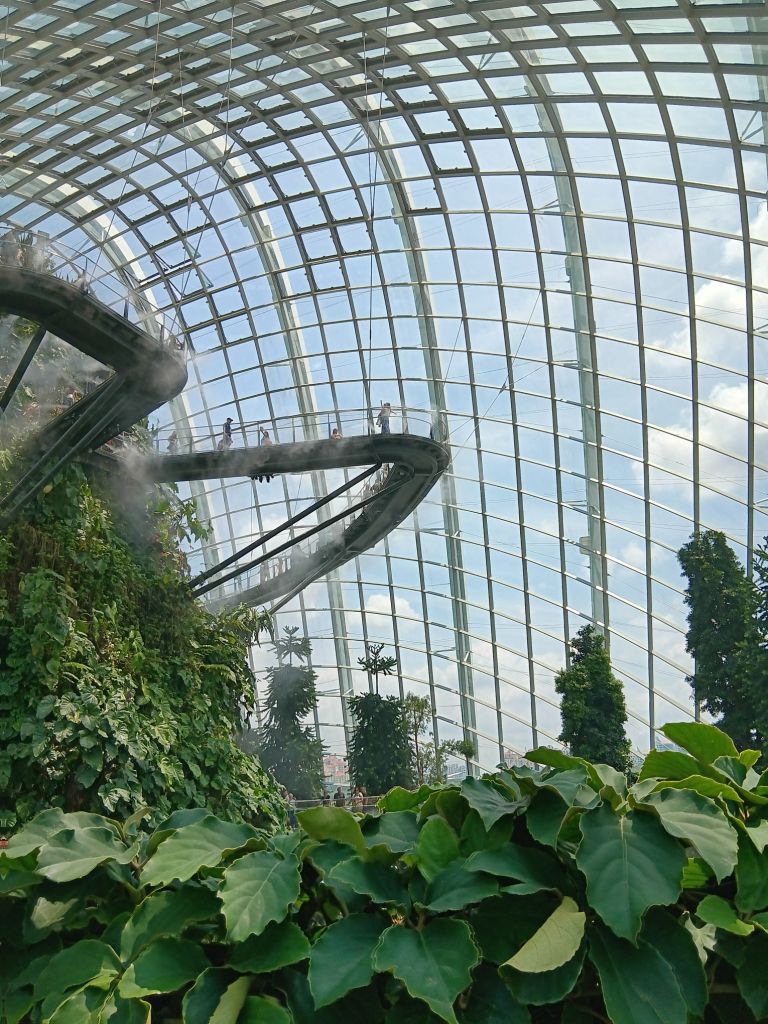
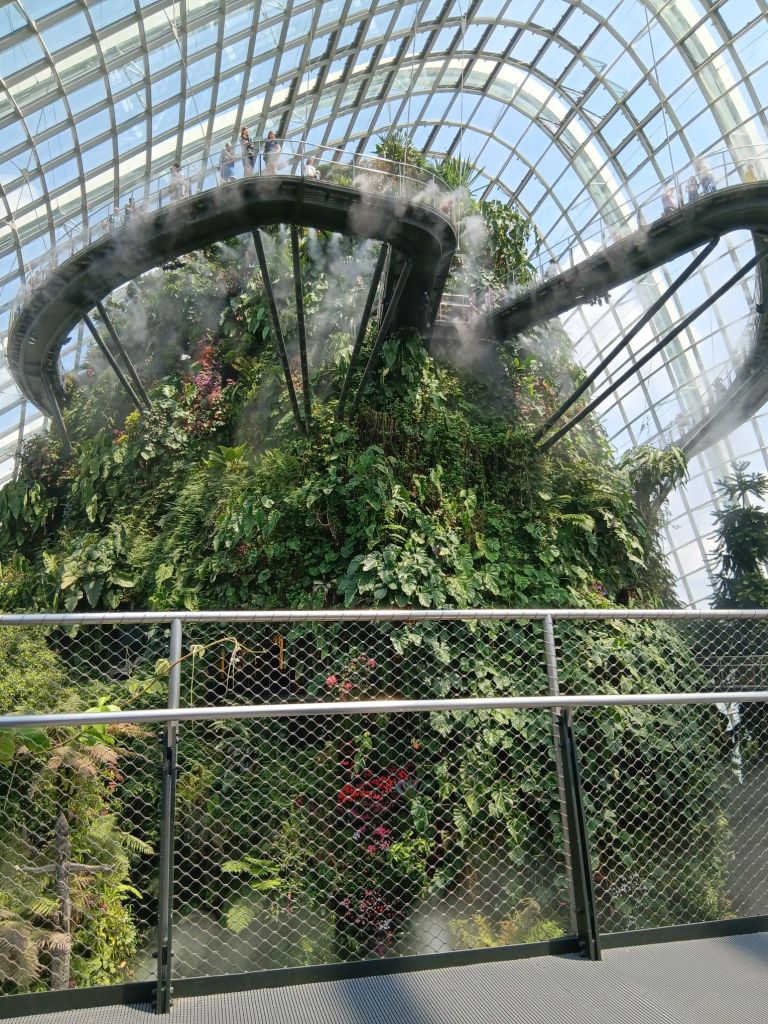
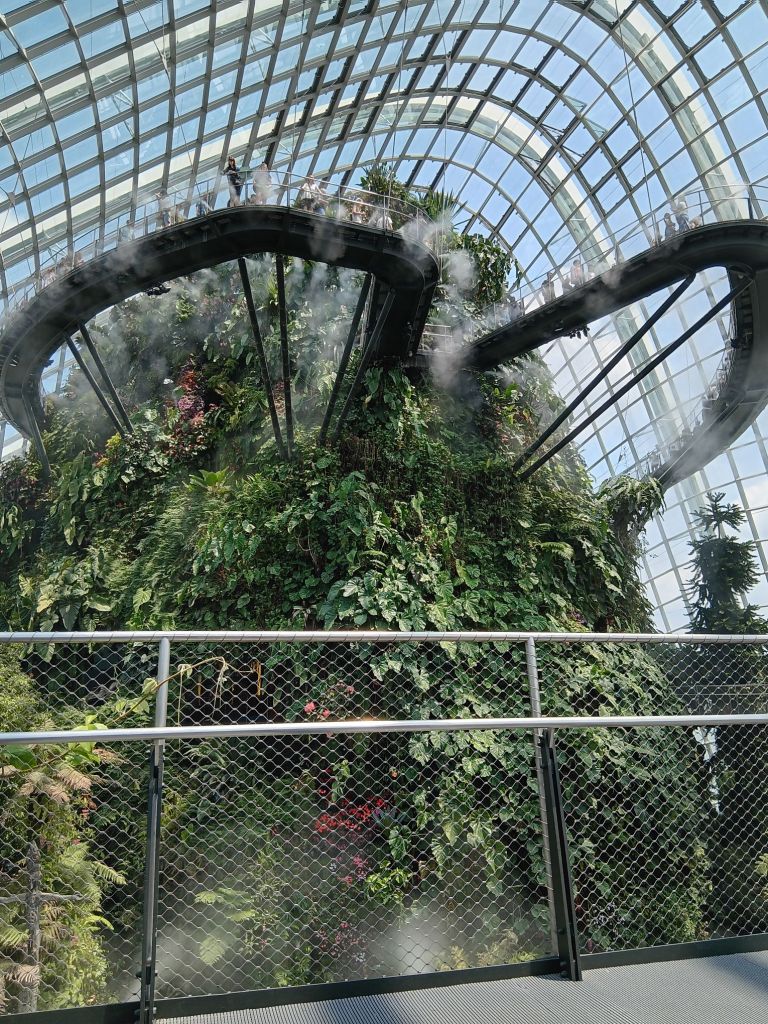
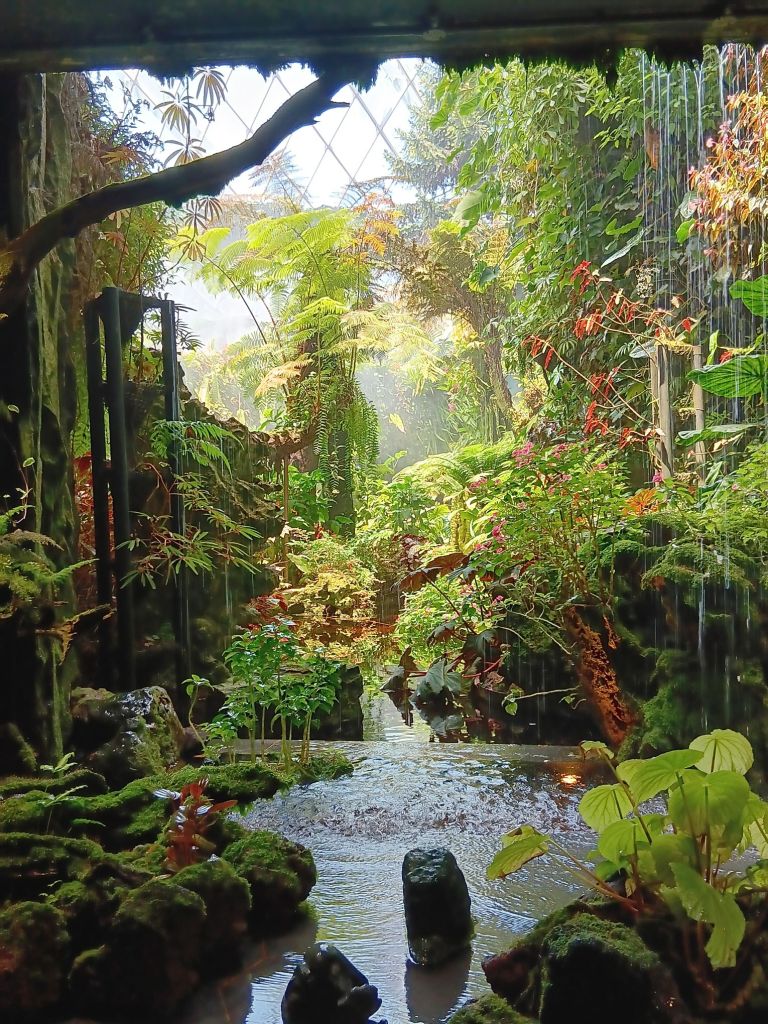
Across the way lies the Cloud Forest, a mesmerizing tribute to the lush rainforests of Southeast Asia. Towering at its center is the breathtaking Cloud Mountain, shrouded in mist and adorned with cascading waterfalls and exotic ferns. Journey to the summit via a spiraling walkway and behold panoramic views of the verdant landscape below, where orchids, bromeliads, and pitcher plants thrive in the cool, misty air.

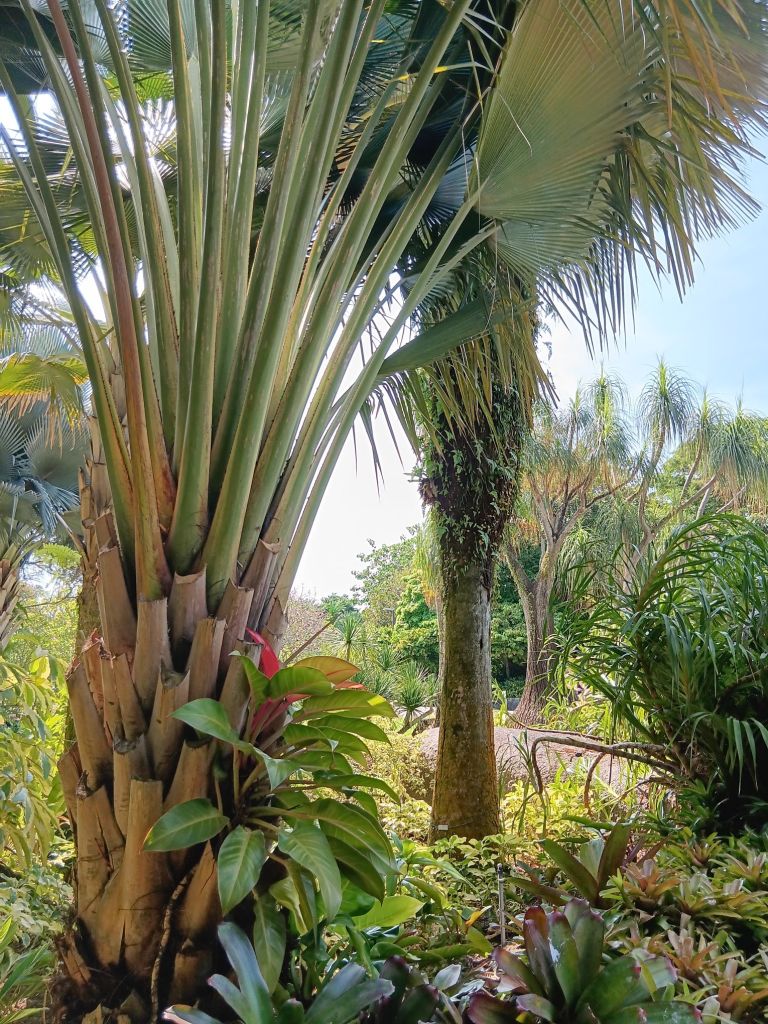
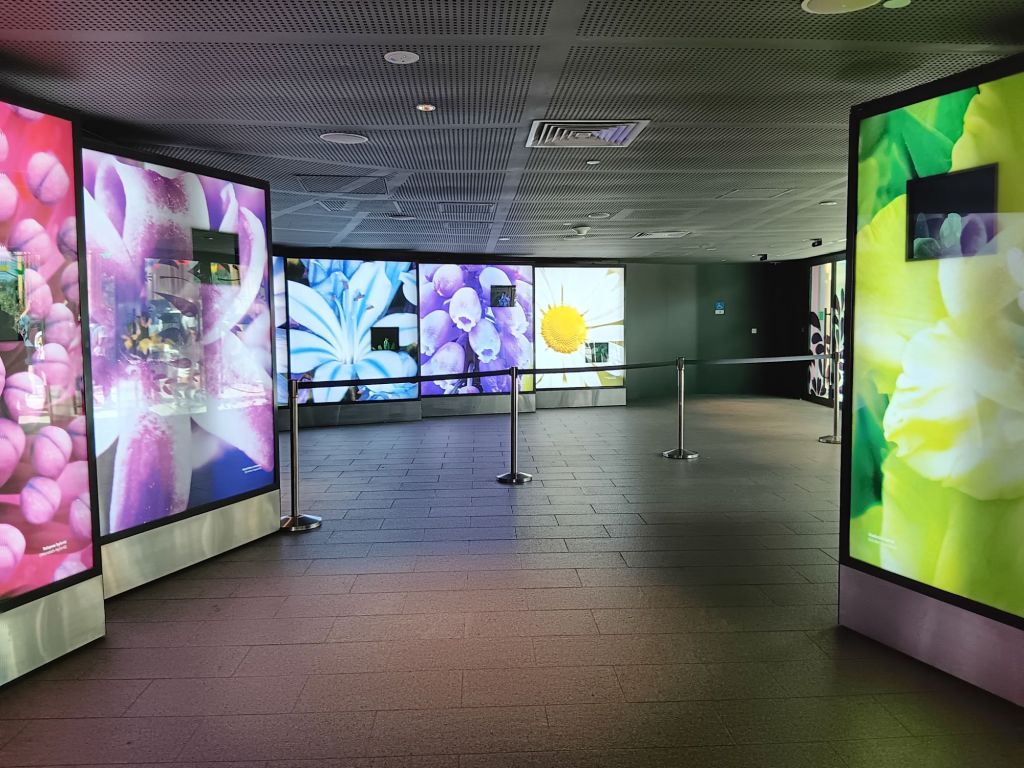
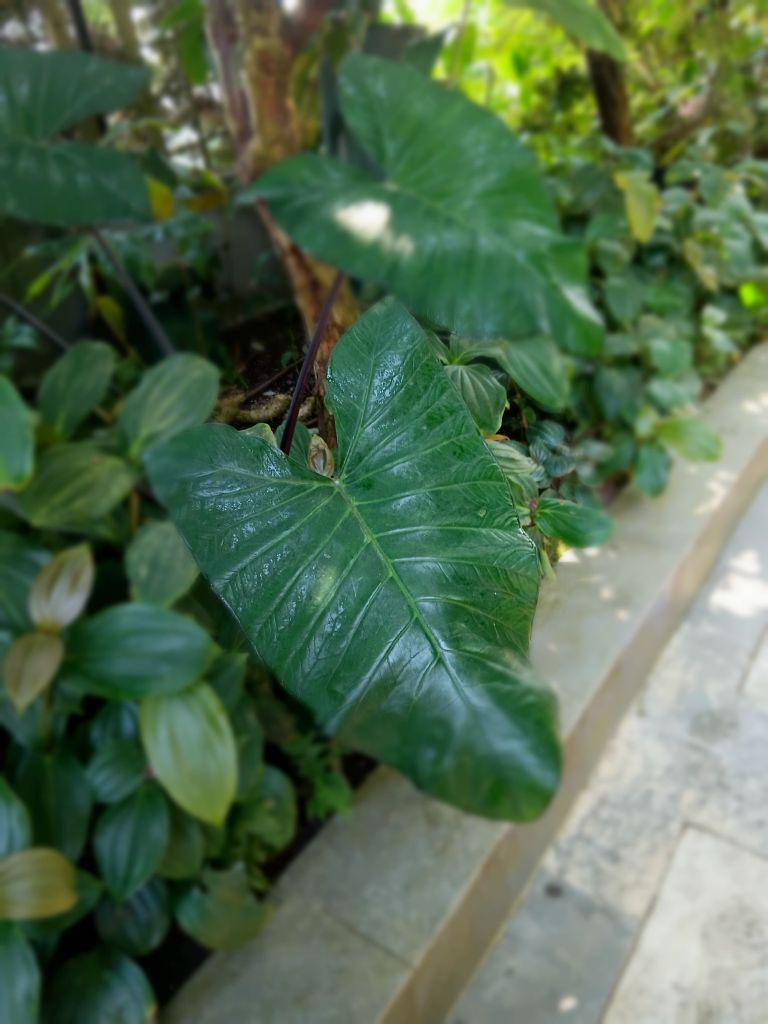
Descending through the Cloud Forest, visitors encounter a diverse array of plant species, from ancient ferns to towering palms, each intricately woven into the fabric of the rainforest ecosystem. Along the way, interactive exhibits and multimedia displays offer insights into the delicate balance between plants, animals, and the environment, highlighting the importance of conservation and sustainability.


Together, the Flower Dome and the Cloud Forest form a captivating tapestry of biodiversity and horticultural excellence, inviting visitors to embark on a journey of discovery and wonder. Whether strolling through a sea of blossoms in the Flower Dome or delving into the misty depths of the Cloud Forest, Gardens by the Bay offers a sanctuary where nature and imagination converge, inspiring a deeper appreciation for the beauty and complexity of the natural world.

HISTORY AND CULTURE: Peaking Through Colonial Singapore

Singapore, a gleaming metropolis of modernity and progress, carries a layered history deeply marked by colonialism. From the arrival of the British in the early 19th century to its independence in 1965, colonial rule has left an indelible imprint on the socio-political, economic, and cultural landscape of the island nation. In this blog, we’ll delve into the intricacies of colonialism in Singapore, exploring its impact and legacy that continues to shape the nation’s identity.

The Arrival of the British


The story of colonialism in Singapore begins with the arrival of Sir Stamford Raffles in 1819, marking the establishment of a British trading post. Initially, Singapore served as a strategic port for the British East India Company, facilitating trade routes in the region. Under British rule, Singapore flourished as a bustling hub of commerce, attracting migrants from various parts of Asia and beyond.

Economic Exploitation and Social Hierarchies


The colonial period was characterized by economic exploitation, with the British implementing policies that favored their interests at the expense of the local population. Plantations were established, exploiting labor mainly from China, India, and the Malay Archipelago. This led to the formation of distinct social hierarchies based on race and class, with the British colonial elite occupying the highest rungs of society

Economic Exploitation and Social Hierarchies


The colonial period was characterized by economic exploitation, with the British implementing policies that favored their interests at the expense of the local population. Plantations were established, exploiting labor mainly from China, India, and the Malay Archipelago. This led to the formation of distinct social hierarchies based on race and class, with the British colonial elite occupying the highest rungs of society

Cultural Assimilation and Resistance


Colonialism brought about a process of cultural assimilation, as British ideals and institutions were imposed on the local populace. English became the lingua franca, and Western education was promoted, leading to a gradual erosion of indigenous languages and traditions. However, resistance to colonial rule also emerged, with movements advocating for self-governance and independence gaining momentum in the early 20th century.

Impact on Governance and Urban Development


The colonial administration introduced a system of governance that laid the foundations for Singapore’s modern state apparatus. However, it also entrenched authoritarian practices and limited political representation for the majority of the population. Urban development during this period was characterized by segregation, with distinct ethnic enclaves and disparities in infrastructure and amenities.

Legacy and Contemporary Reckoning


The legacy of colonialism continues to reverberate in Singapore’s socio-political landscape. While the nation has achieved remarkable progress since gaining independence, issues such as racial tensions, economic inequality, and debates over national identity persist. Efforts to confront and reckon with this legacy are ongoing, with initiatives to preserve cultural heritage, promote inclusivity, and address historical injustices.

Unveiling the Legacy: The Stamford Raffles Statue

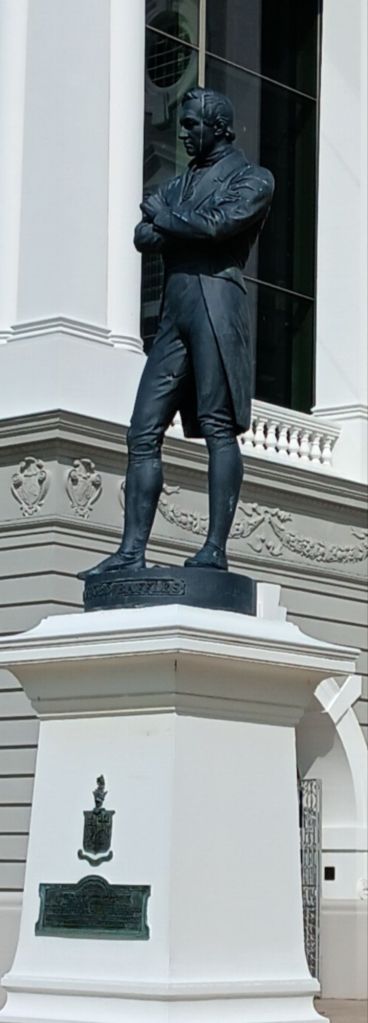
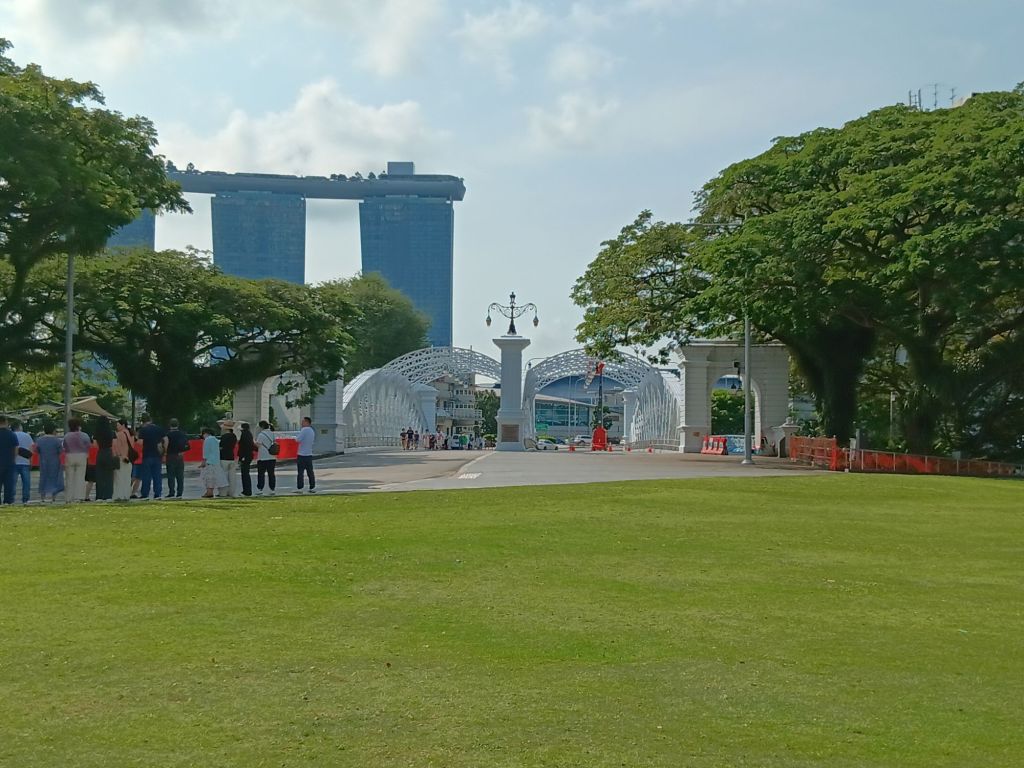
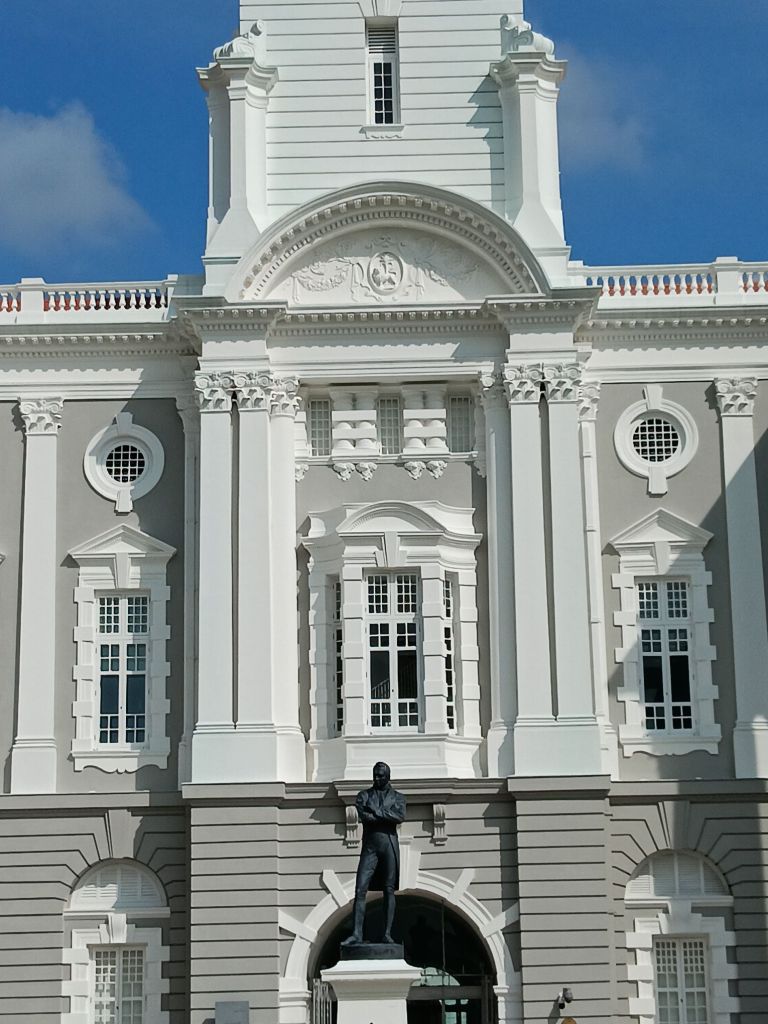
In the heart of Singapore’s bustling metropolis stands a silent sentinel of history: the Stamford Raffles statue. Erected to honor the British statesman who laid the foundation for modern Singapore, this statue symbolizes the city-state’s rich heritage and the enduring legacy of its founding father.

As visitors traverse the Raffles Landing Site, they are greeted by the imposing figure of Sir Stamford Raffles, cast in bronze and frozen in time. With one arm outstretched, he gestures towards the horizon, as if envisioning the future prosperity of the land he helped shape. His stoic expression reflects the determination and vision that propelled him to transform a humble fishing village into a thriving global hub.

The significance of the Stamford Raffles statue transcends mere commemoration; it serves as a reminder of Singapore’s humble beginnings and its journey towards nationhood. Raffles’ arrival in 1819 marked a pivotal moment in history, sparking a series of events that would forever alter the destiny of the island.

Yet, the statue also sparks debates and reflections on colonialism and its complex legacy. While Raffles is celebrated for his role in Singapore’s development, his administration’s policies and actions have been scrutinized for their impact on indigenous communities and socio-economic inequalities.

Nevertheless, the Stamford Raffles statue endures as a symbol of Singapore’s resilience and progress. It stands as a testament to the spirit of innovation and enterprise that defines the nation, inspiring future generations to continue the quest for excellence and inclusivity.

In a rapidly evolving world, where the past often fades into obscurity, the Stamford Raffles statue stands as a timeless monument to Singapore’s heritage and identity. It beckons us to remember, reflect, and reimagine the possibilities that lie ahead, guided by the enduring legacy of a visionary leader

Discovering Elegance and History: Victoria Theatre Singapore

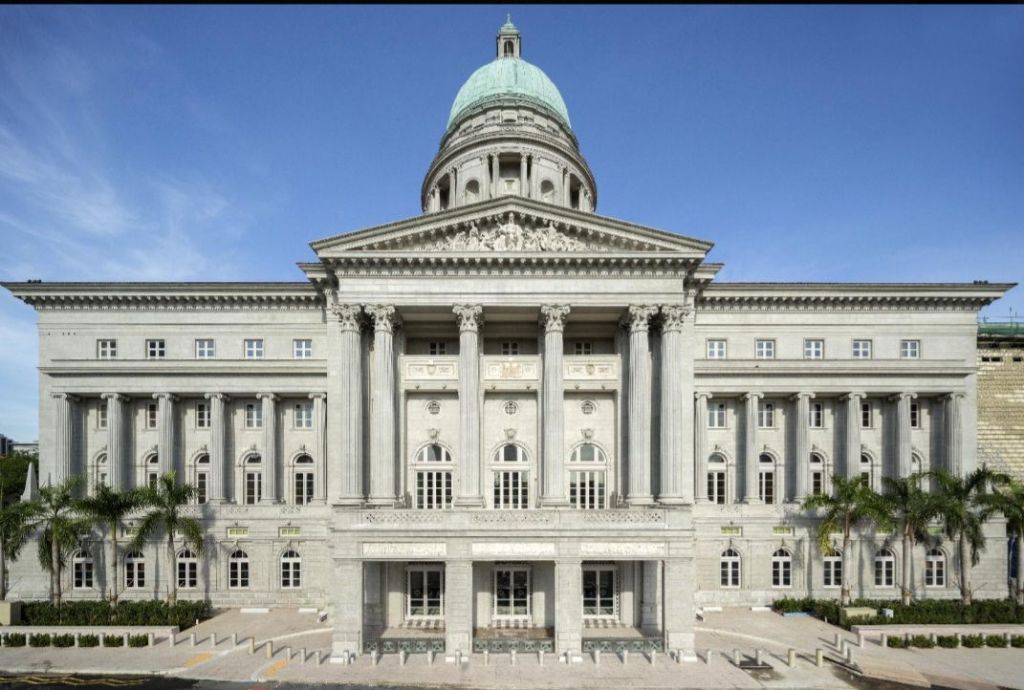
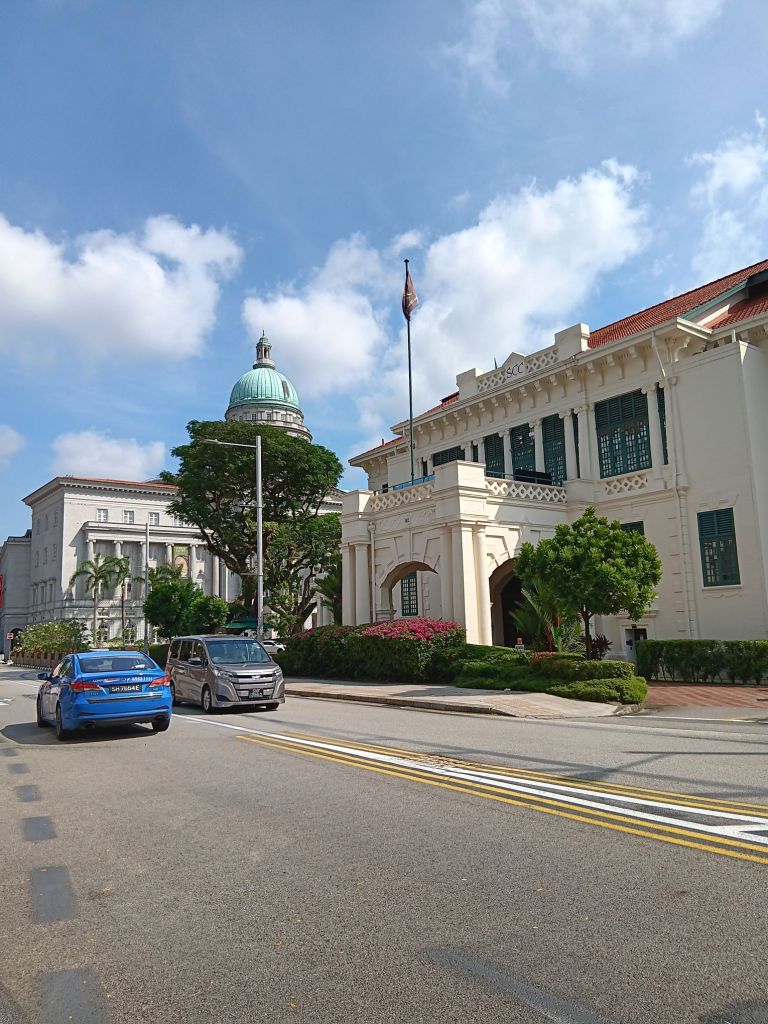
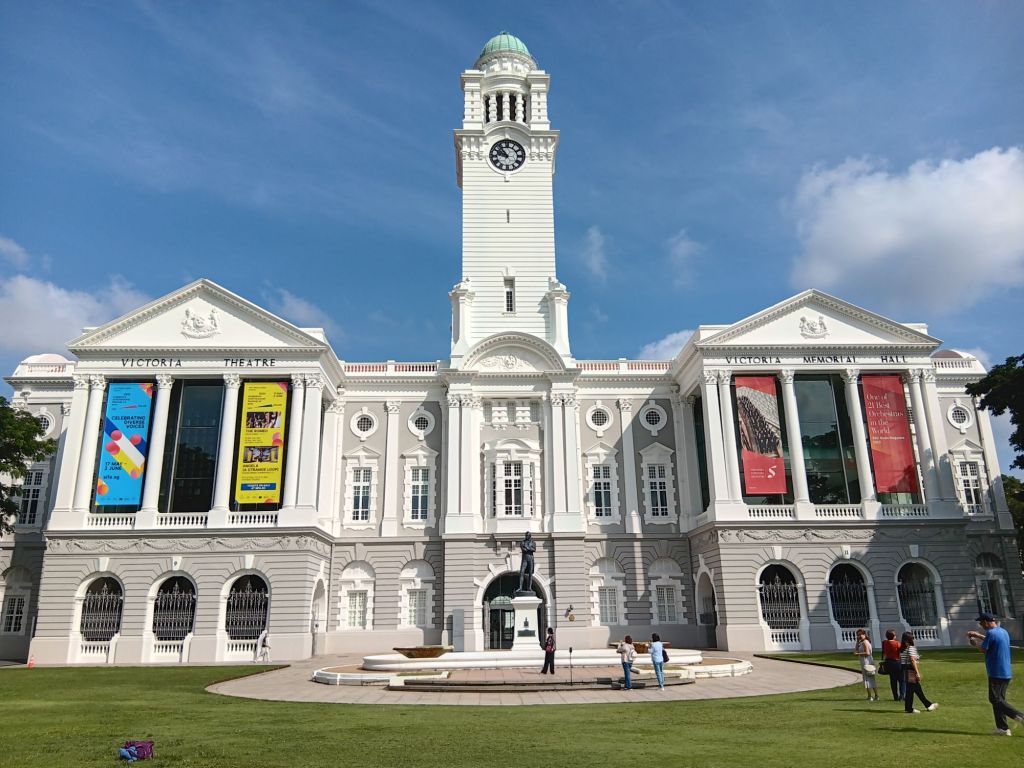
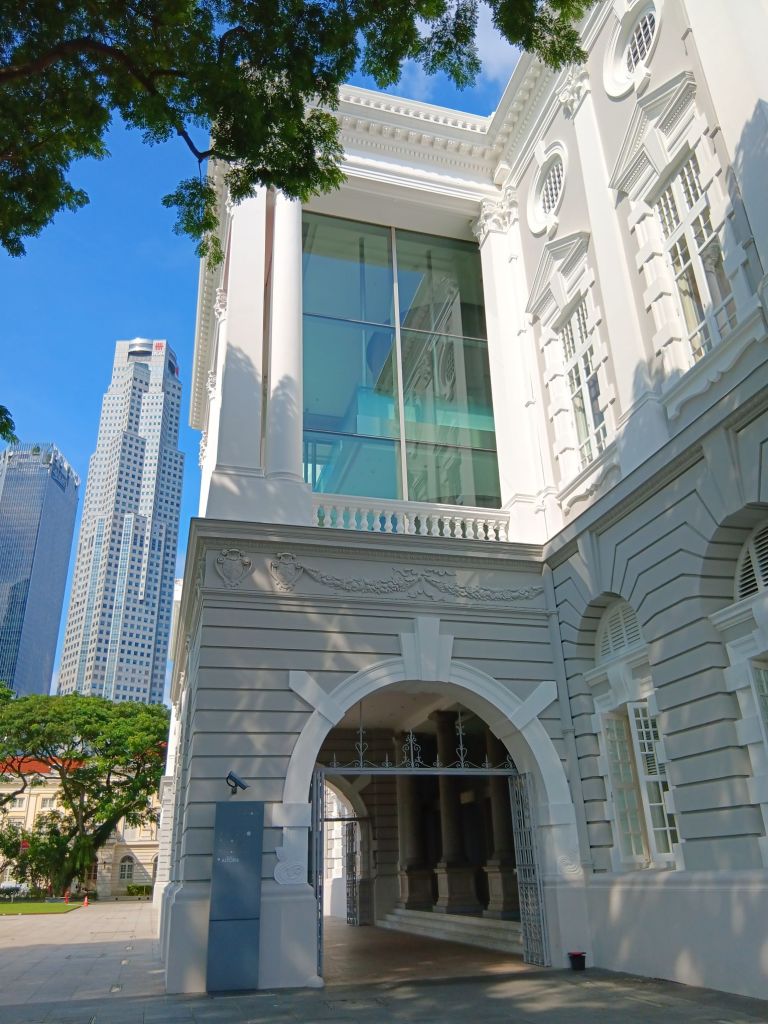
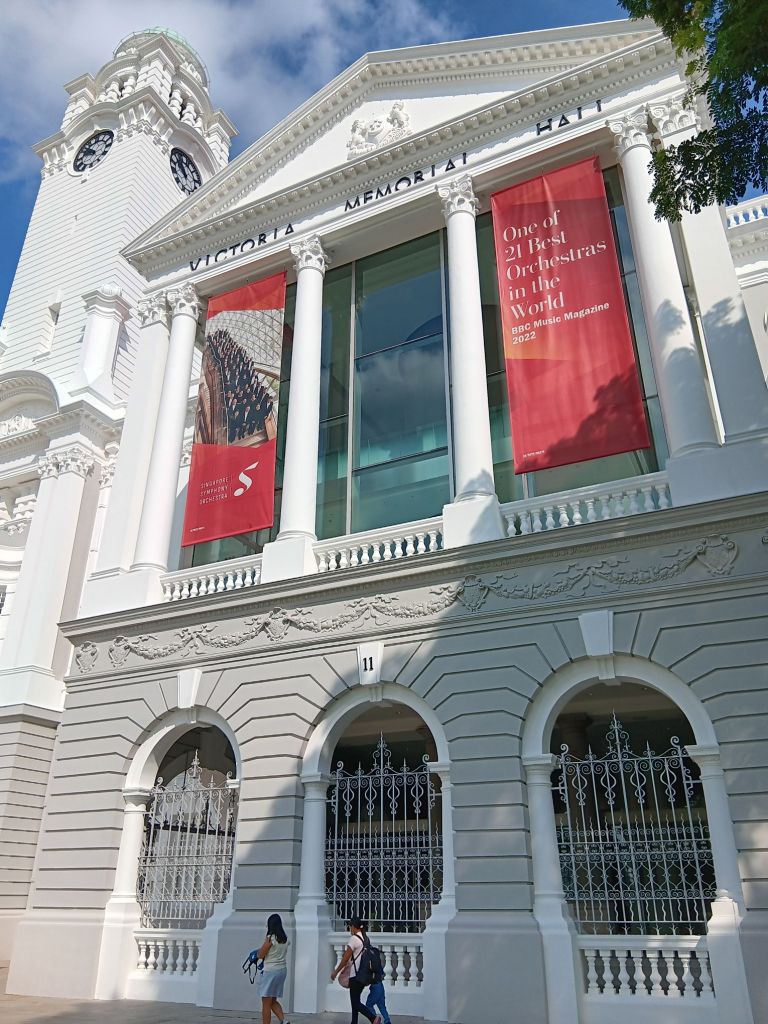
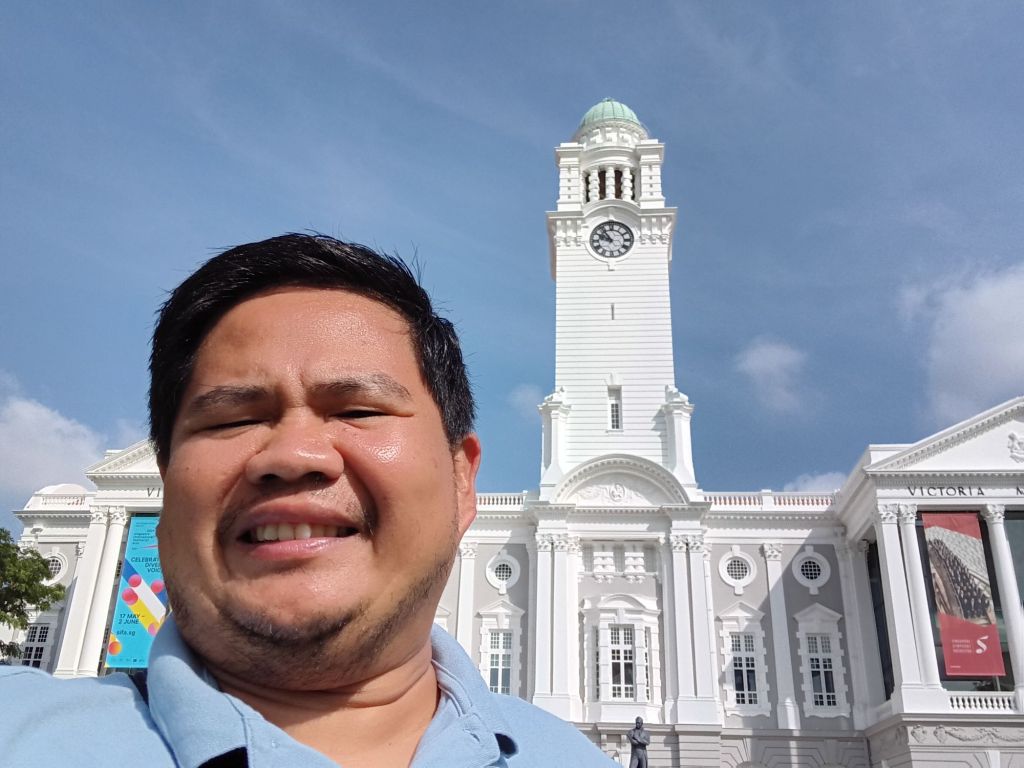
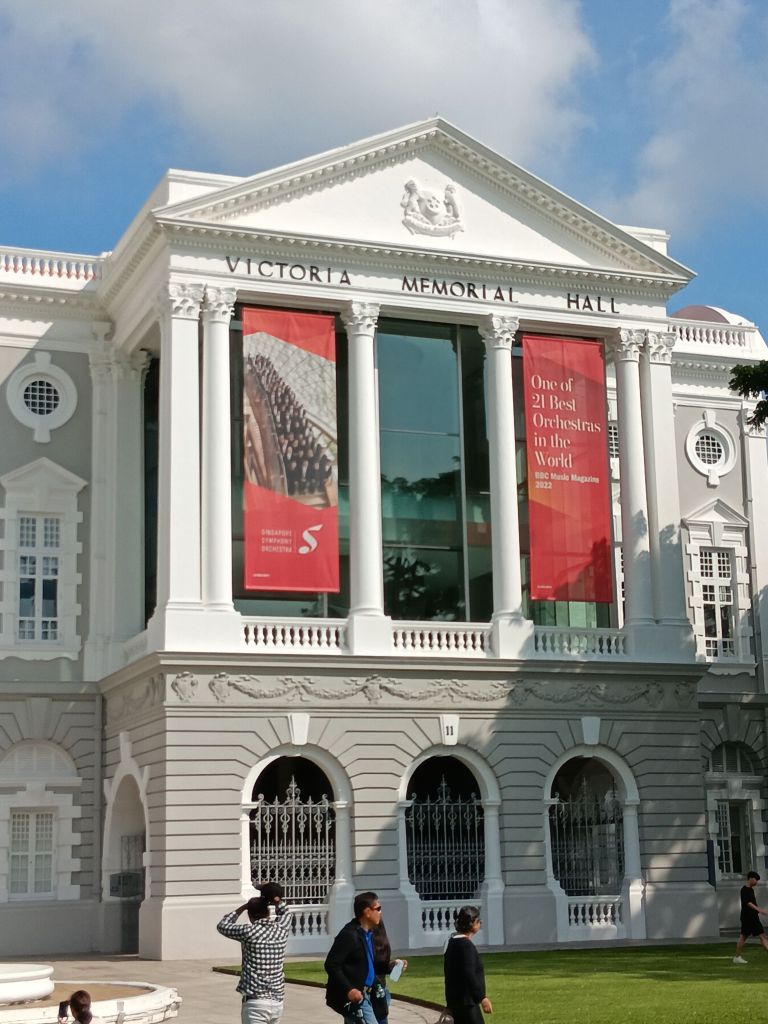
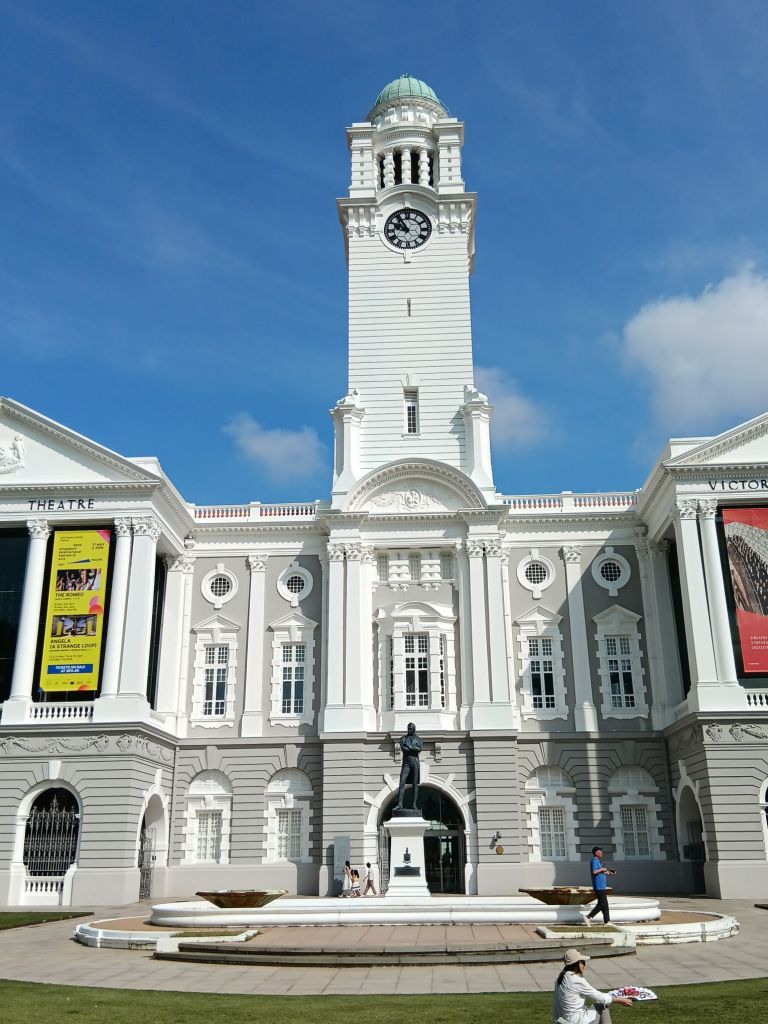
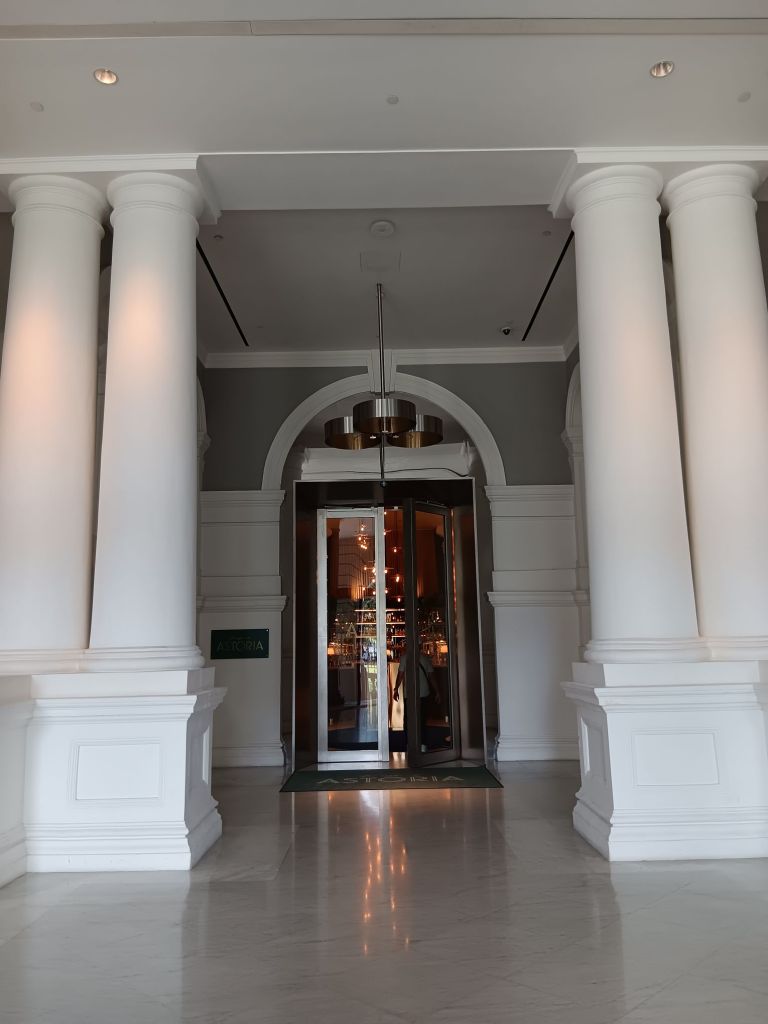
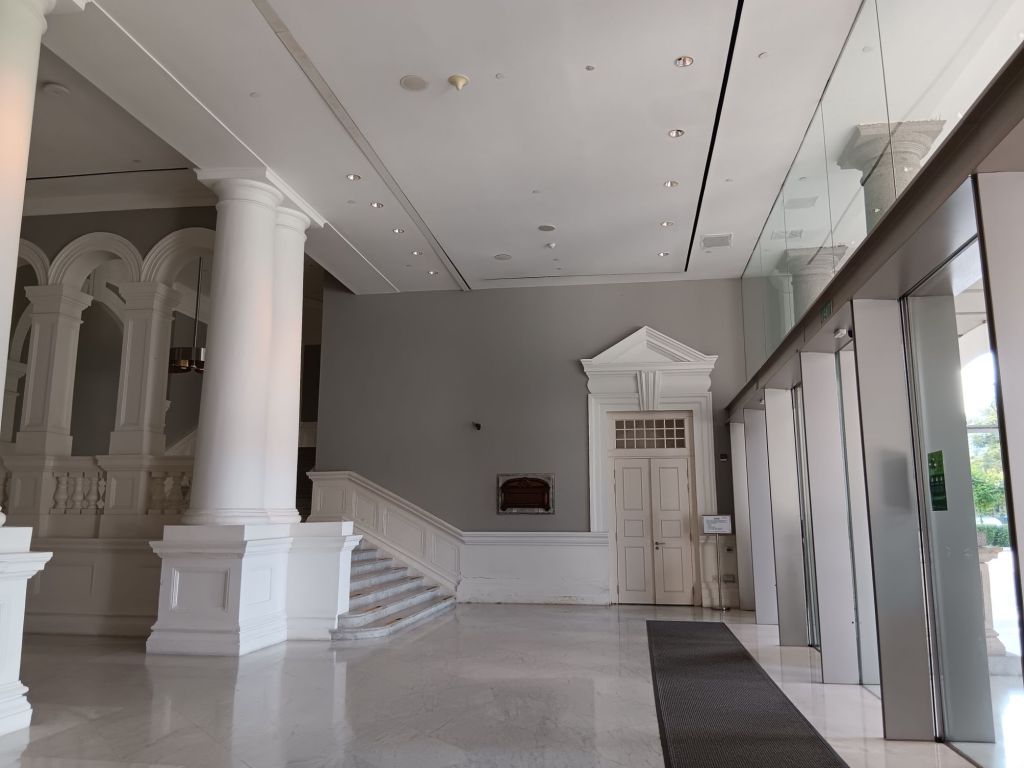
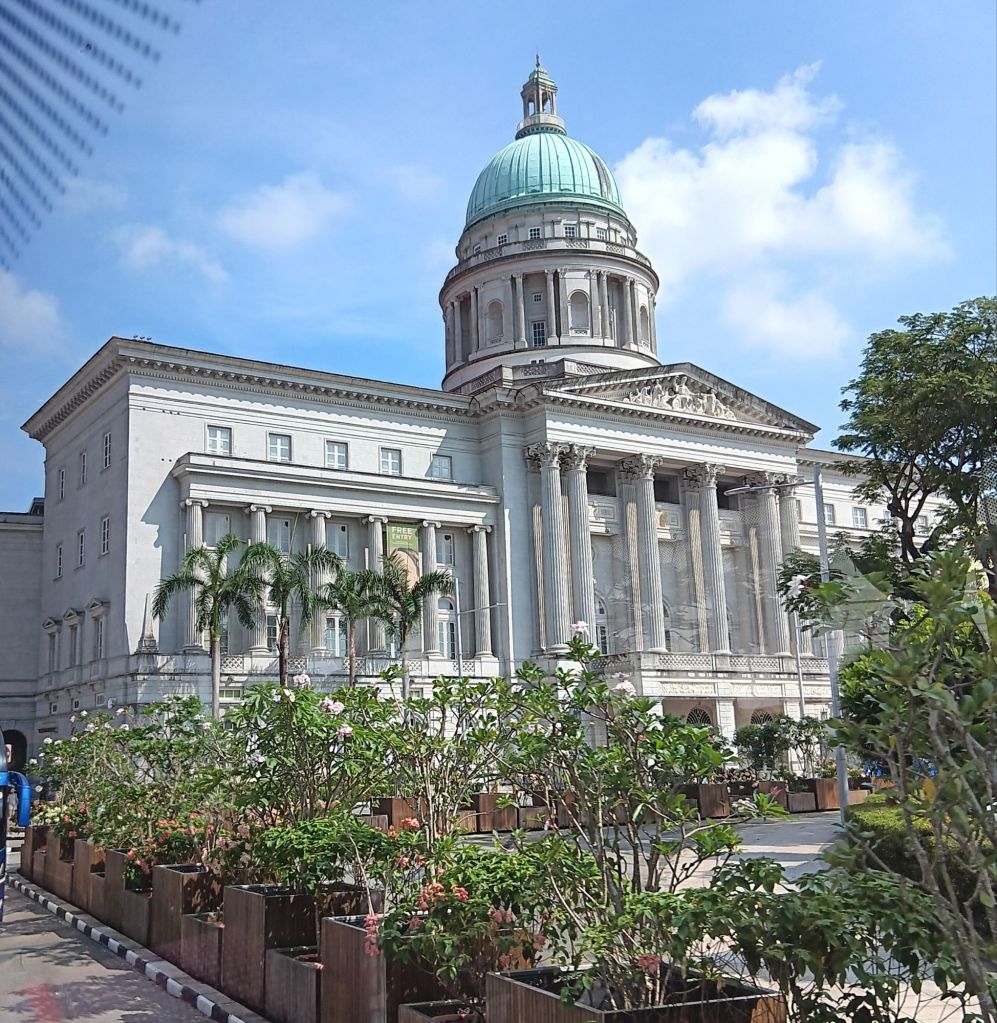
Nestled in the heart of Singapore’s Civic District stands a cultural gem that embodies elegance, history, and the performing arts: the Victoria Theatre. With its iconic neoclassical facade and rich heritage, this grand institution has played a pivotal role in shaping Singapore’s cultural landscape for over a century.


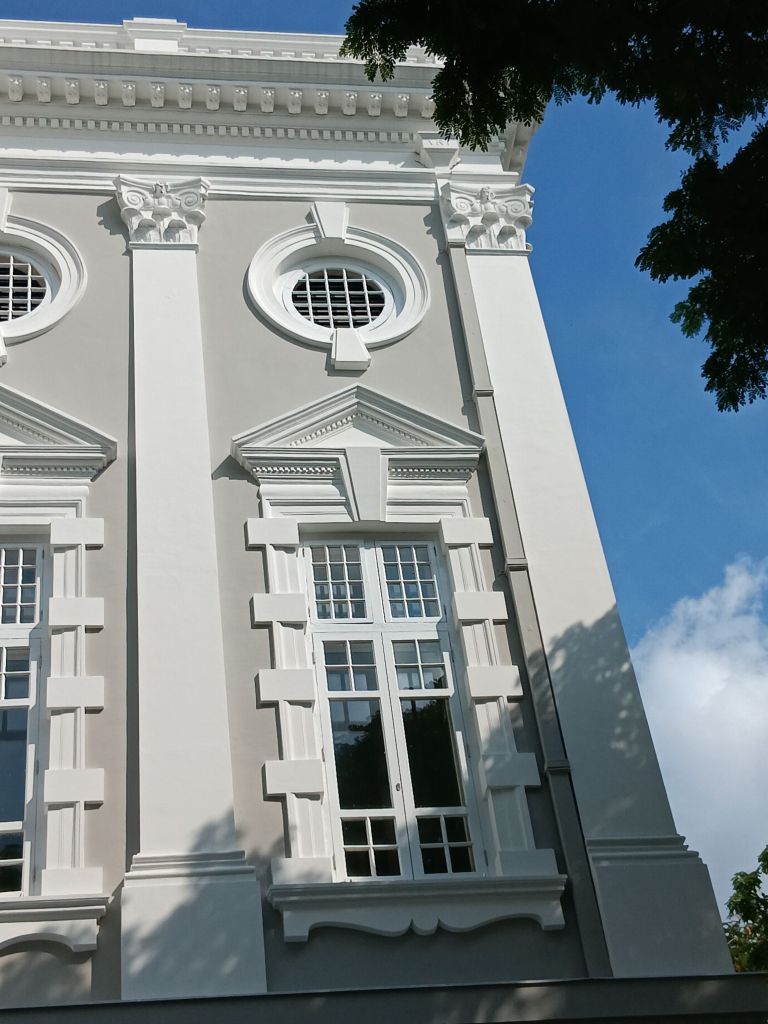
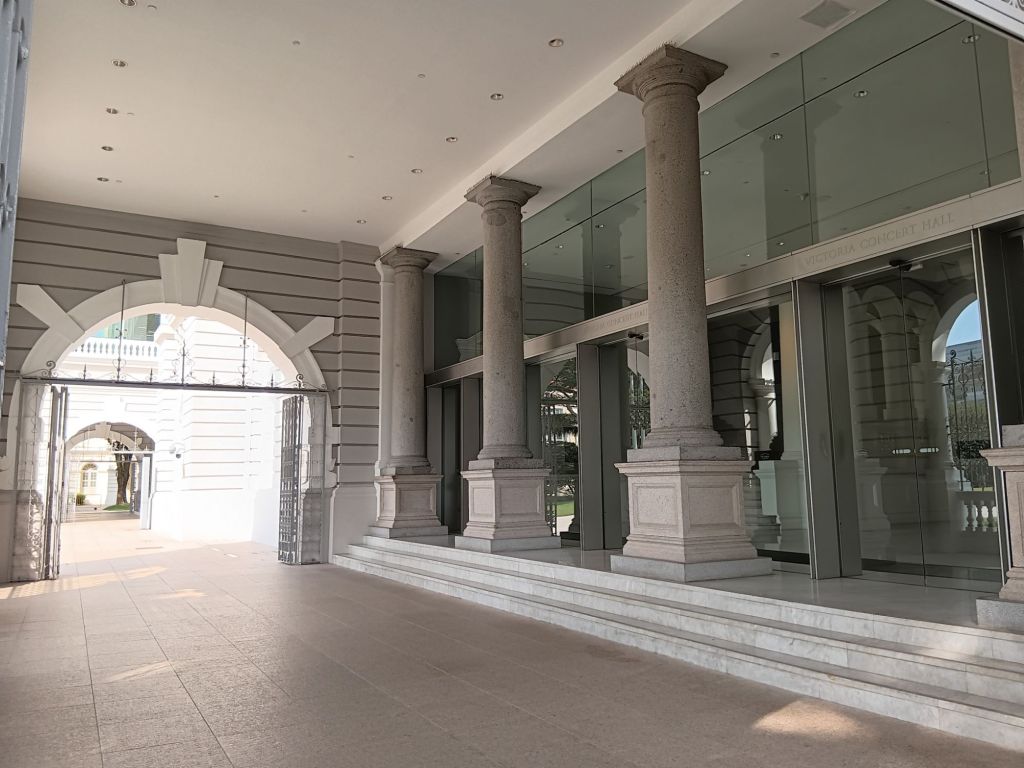
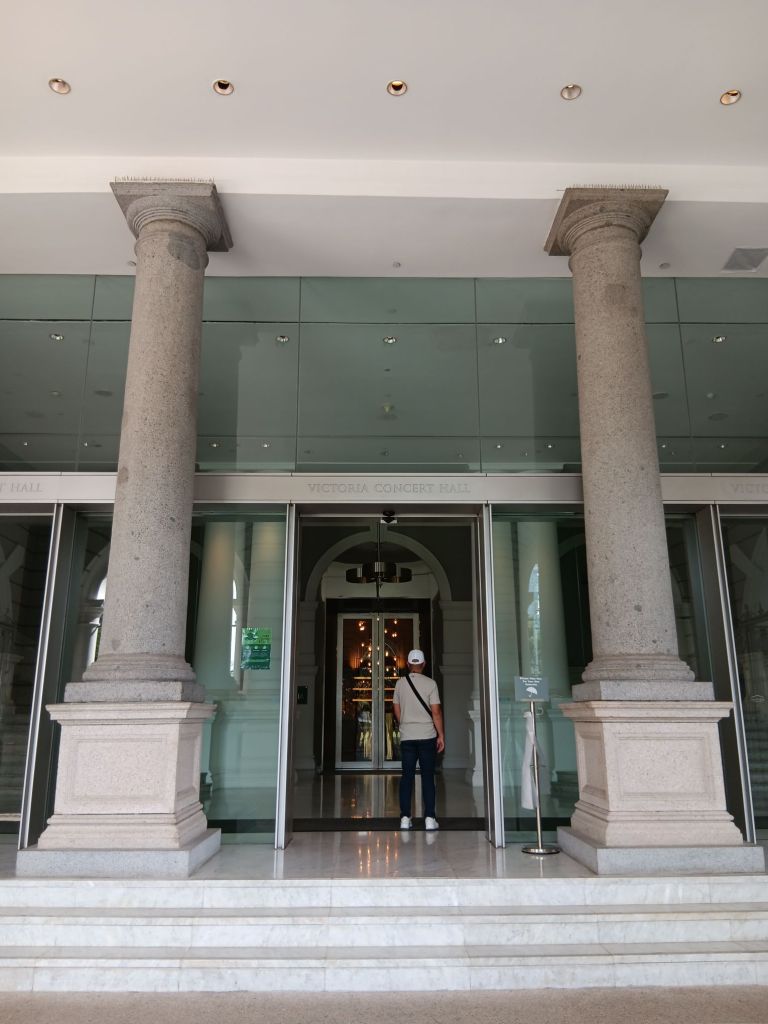
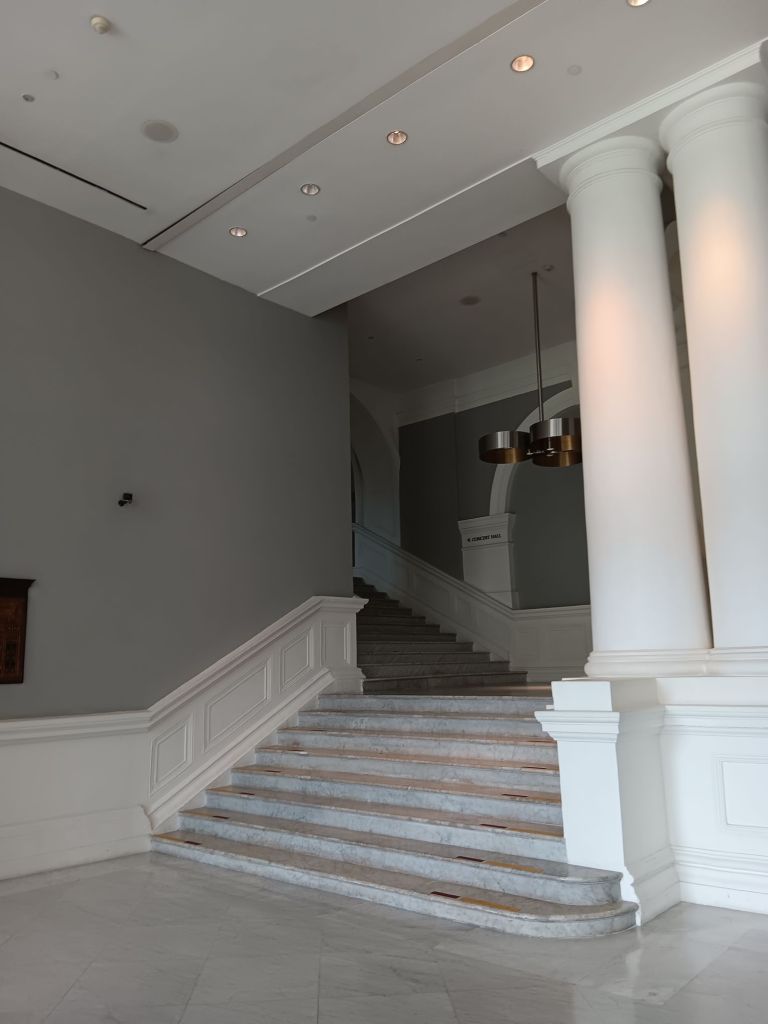
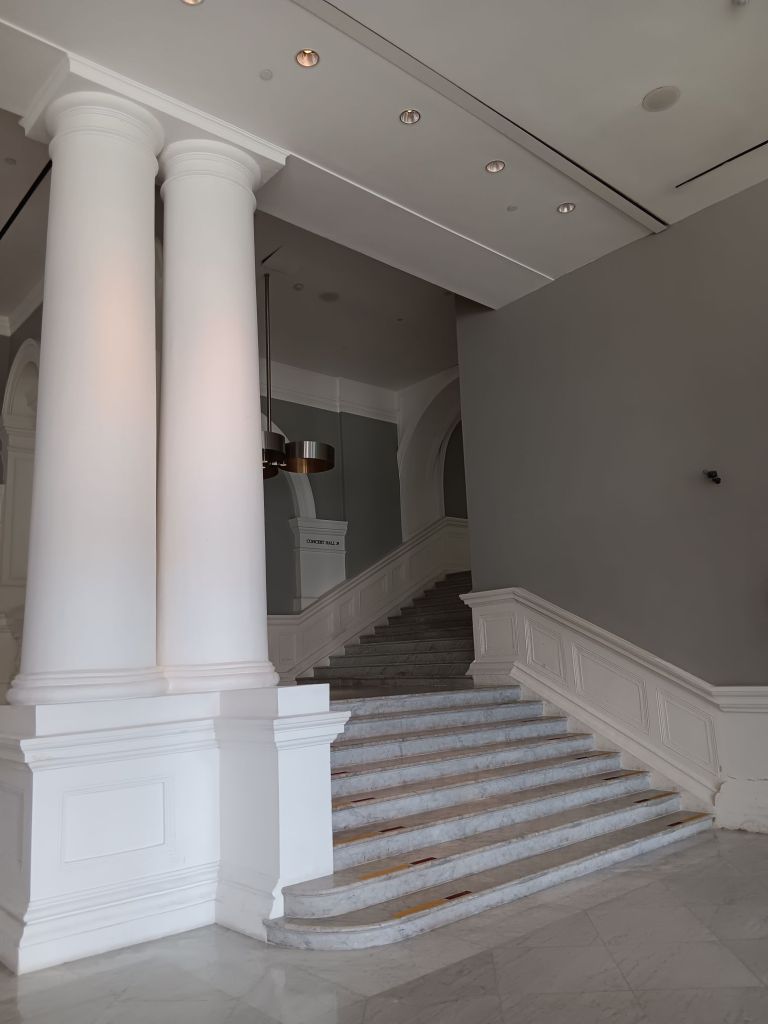
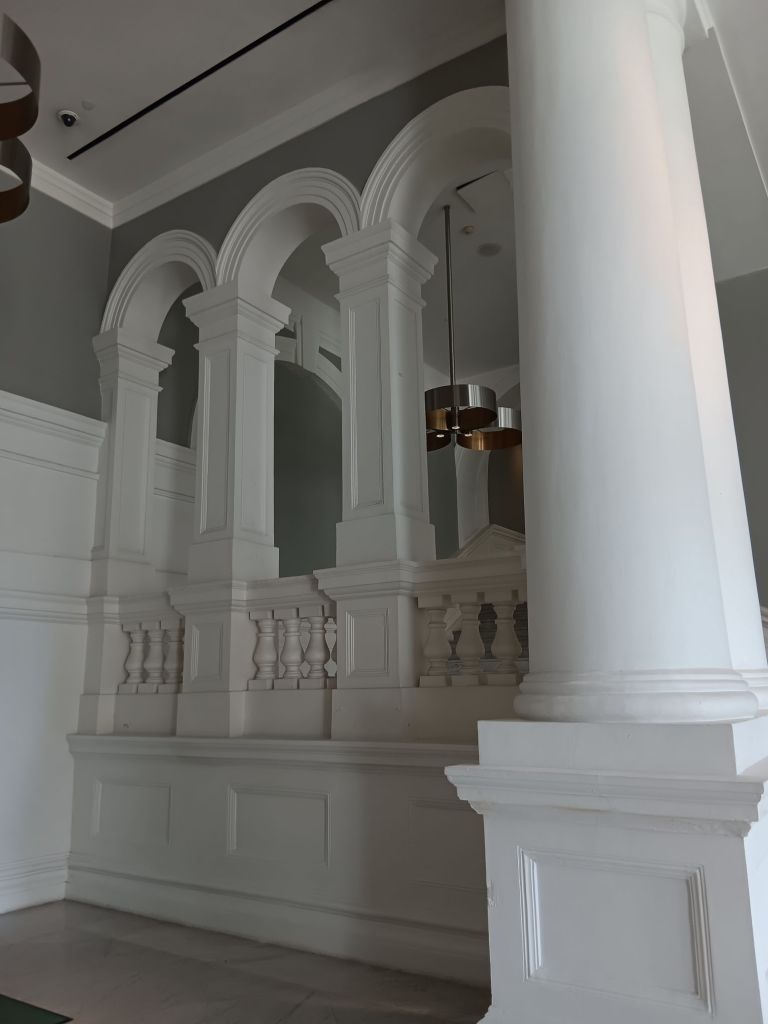
Originally built in 1862 as the Town Hall, the Victoria Theatre has witnessed the city-state’s transformation from colonial outpost to cosmopolitan hub. Its stately architecture, characterized by grand columns and intricate detailing, reflects the architectural trends of its time while exuding timeless charm.

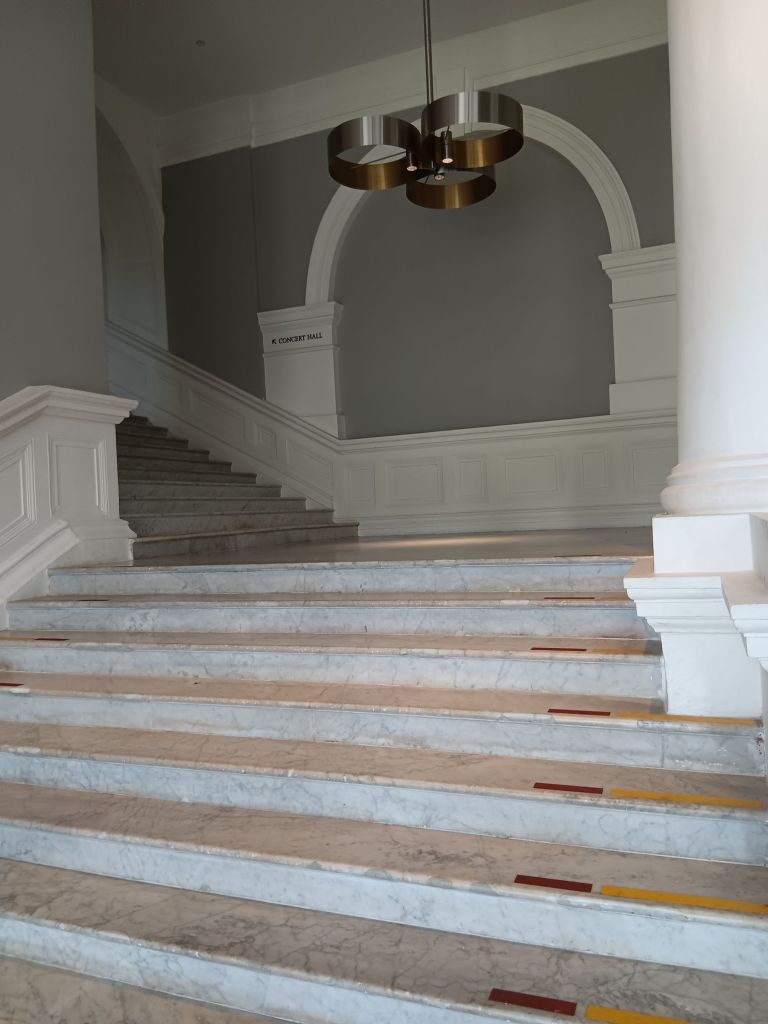
Throughout its illustrious history, the Victoria Theatre has served as a focal point for the arts, hosting a diverse array of performances ranging from classical concerts and theatrical productions to dance recitals and film screenings. Its majestic interior, adorned with ornate chandeliers and plush velvet seats, provides a captivating backdrop for cultural experiences that captivate the senses and enrich the soul.

One of the most iconic features of the Victoria Theatre is its distinctive clock tower, which stands as a symbol of civic pride and heritage. Rising majestically above the surrounding skyline, the clock tower serves as a beacon of timelessness, reminding visitors of the enduring legacy of the arts in Singapore.


In addition to its cultural significance, the Victoria Theatre also holds a special place in the hearts of Singaporeans as a venue for national celebrations and milestones. From official ceremonies and state functions to public gatherings and commemorations, it has witnessed countless moments of unity and pride, solidifying its status as a cherished national icon.


As Singapore continues to evolve and embrace the future, the Victoria Theatre remains a steadfast guardian of tradition and creativity. Its hallowed halls echo with the voices of generations past and present, inspiring a sense of wonder and appreciation for the arts.

Whether you’re a seasoned art enthusiast or a curious visitor eager to explore Singapore’s cultural heritage, a visit to the Victoria Theatre promises an unforgettable journey through time and artistry. Step inside and be transported to a world where elegance meets history, and the magic of the performing arts comes to life in all its splendor.