Growing up in Bacolod, familiar places like malls and popular spots may become mundane. For tourists, embracing the local culture can be daunting, especially with limited time. This blog aims to highlight three alternative destinations near Ayala Central where visitors can delve into Negrense history, explore the island’s natural beauty, and experience everyday life with a fresh perspective.
It’s often overlooked that the iconic Negros Museum, the Negros Forests and Ecological Foundation, Inc., and Ayala Central Mall are in close proximity to each other. A leisurely 2-3 hour trip on a relaxed afternoon is all it takes to embark on this adventure.
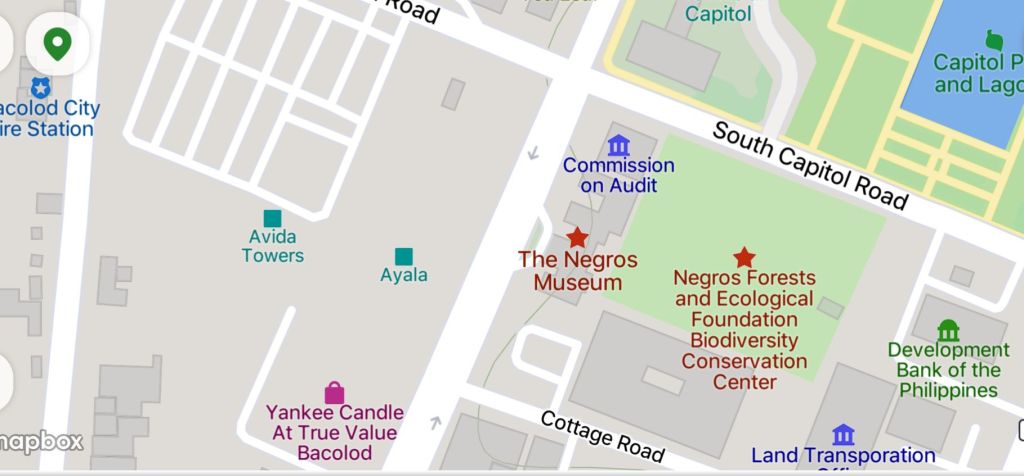
1. ART: The Negros Museum
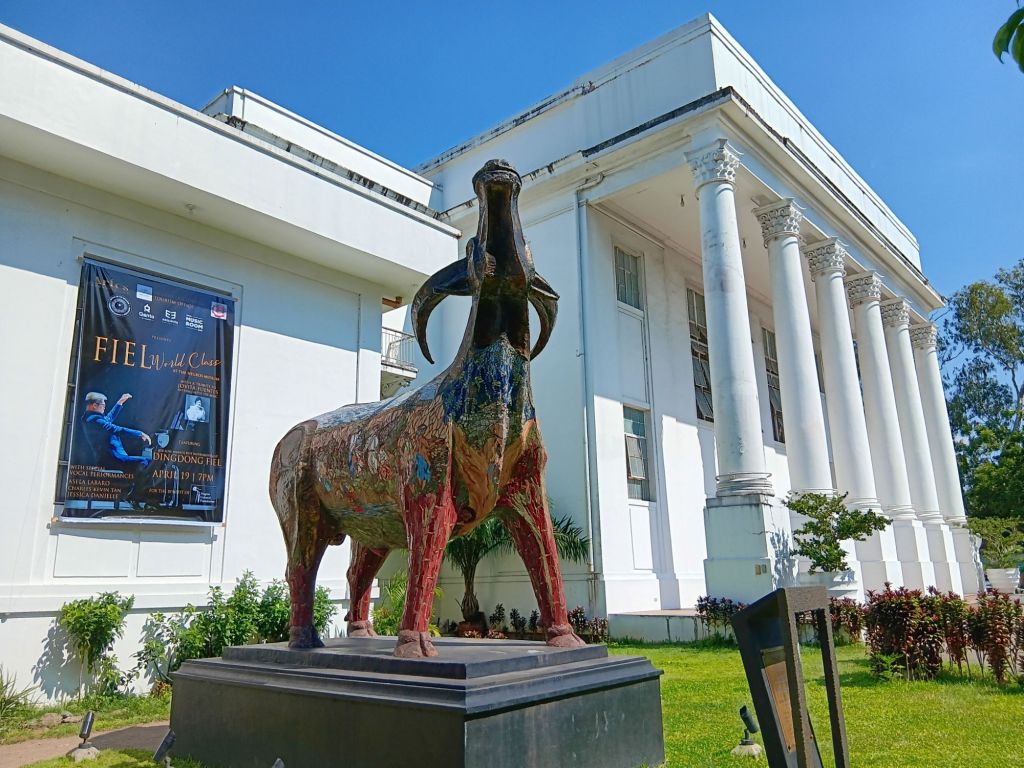
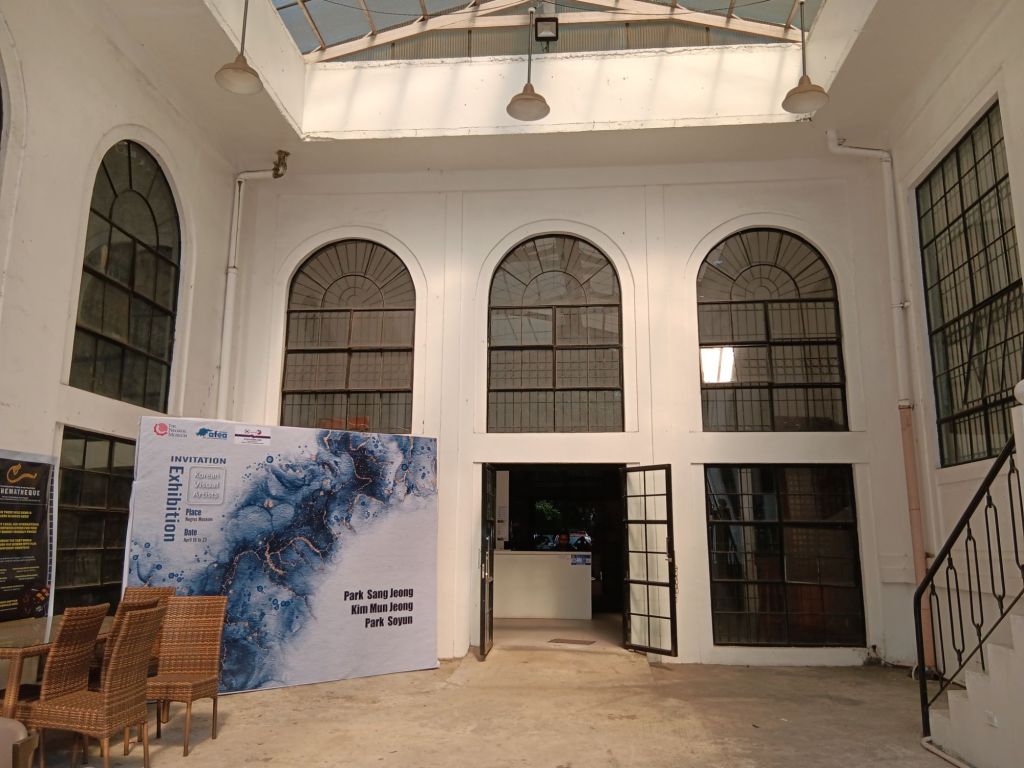
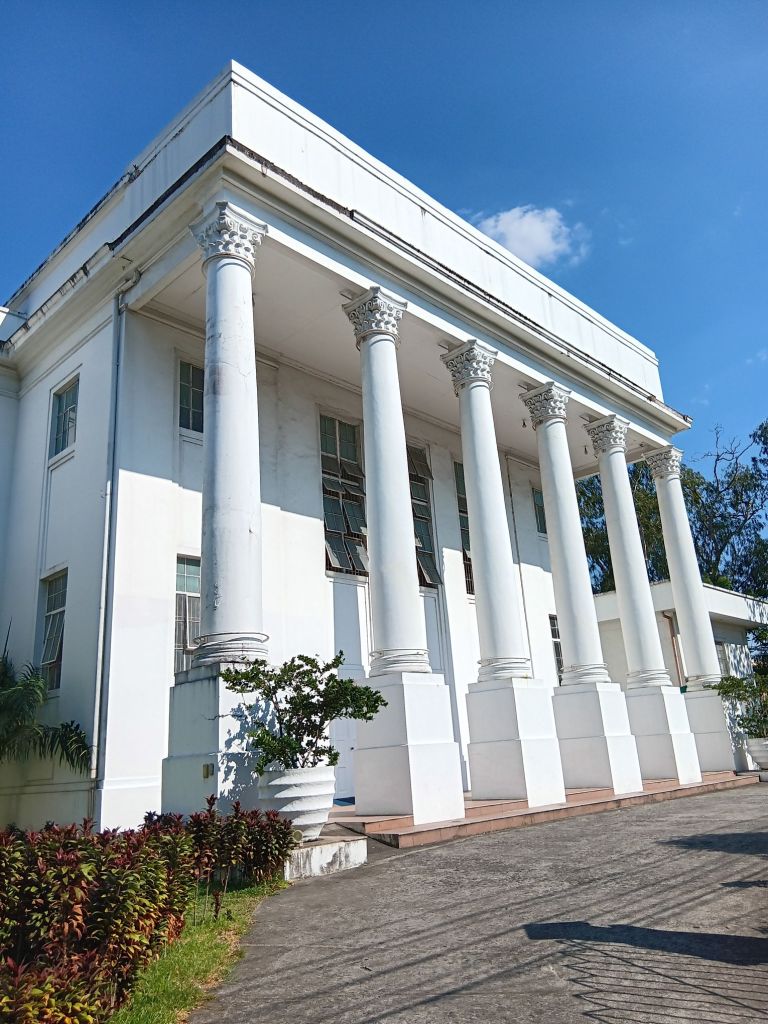
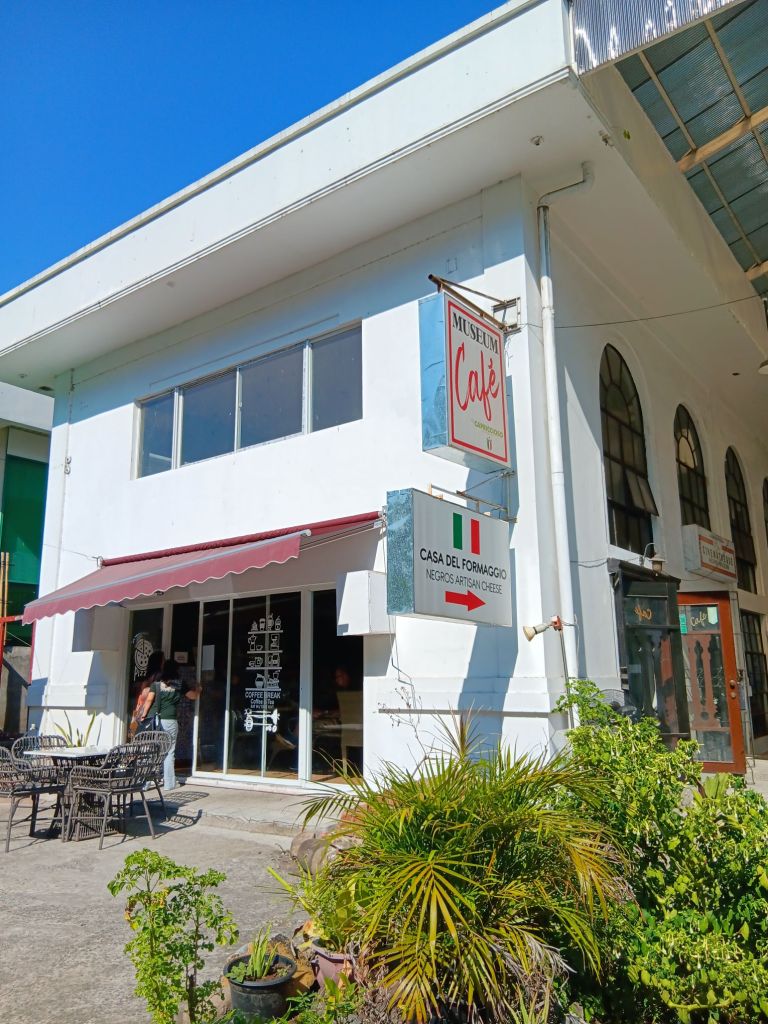
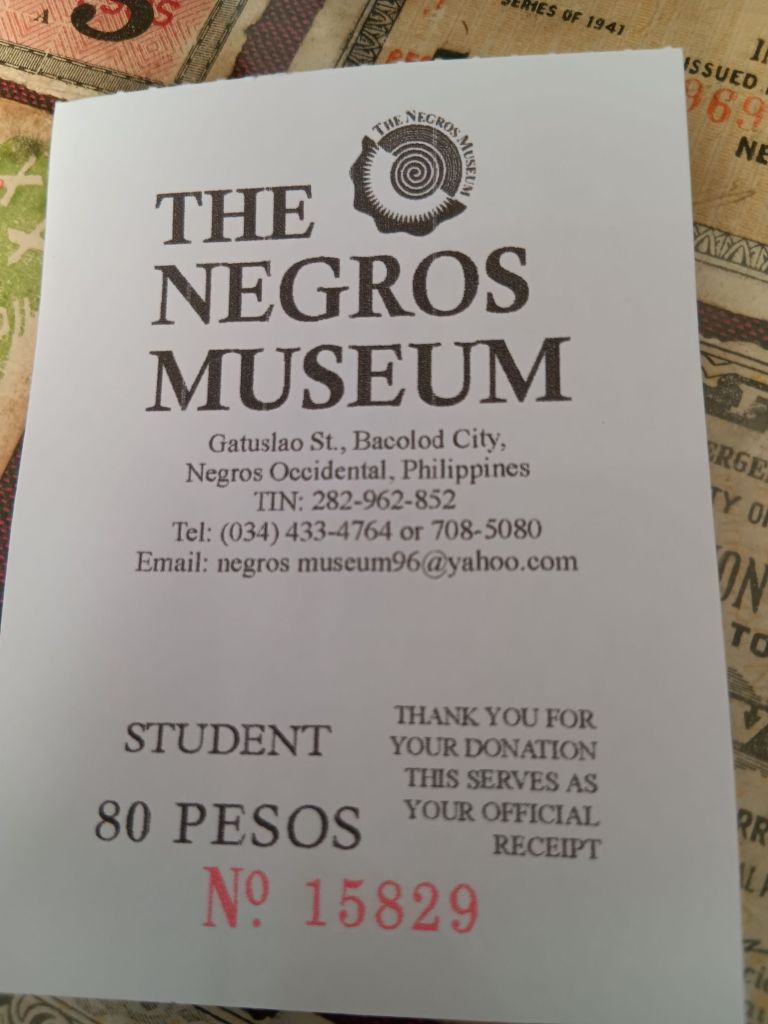
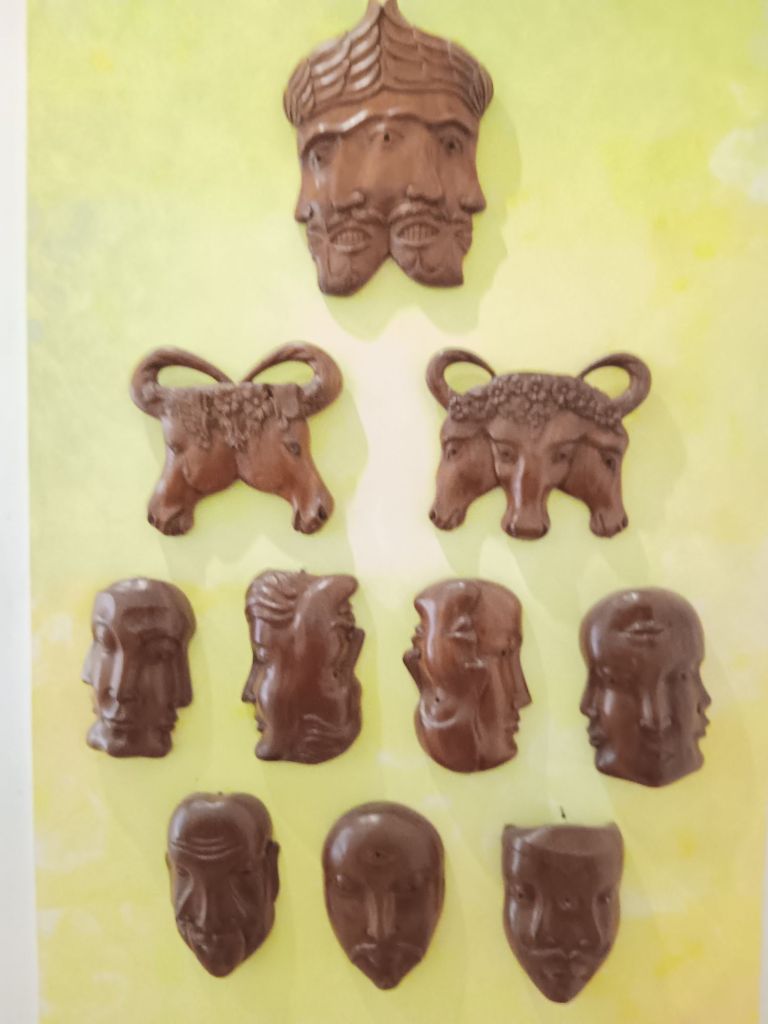
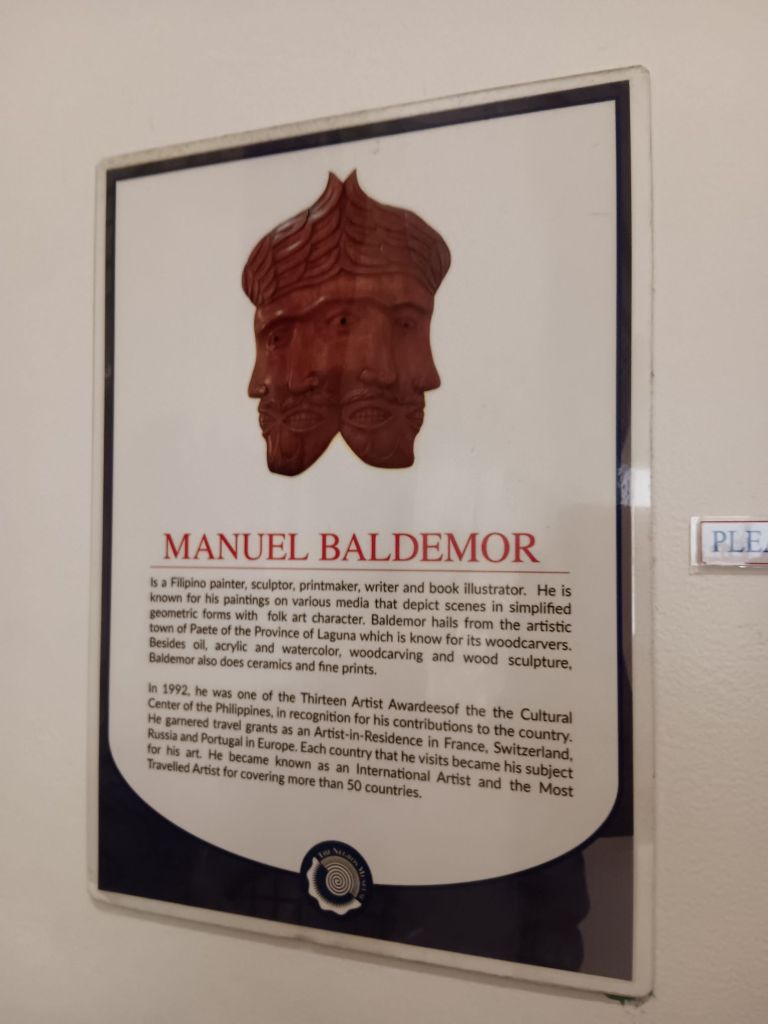
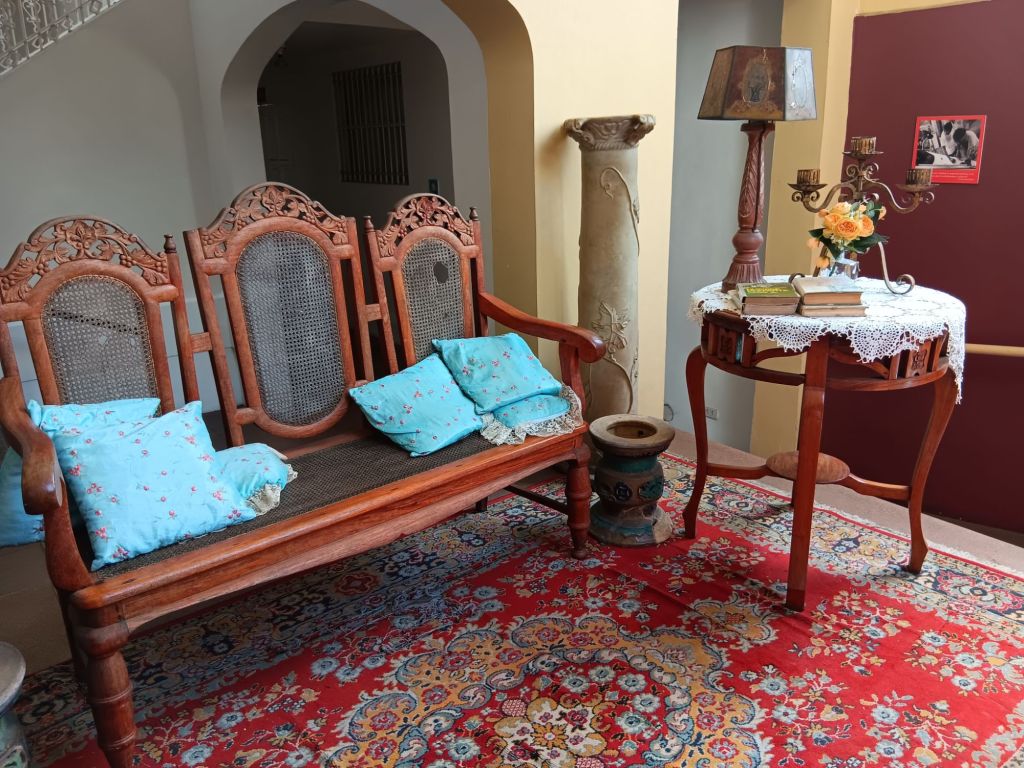
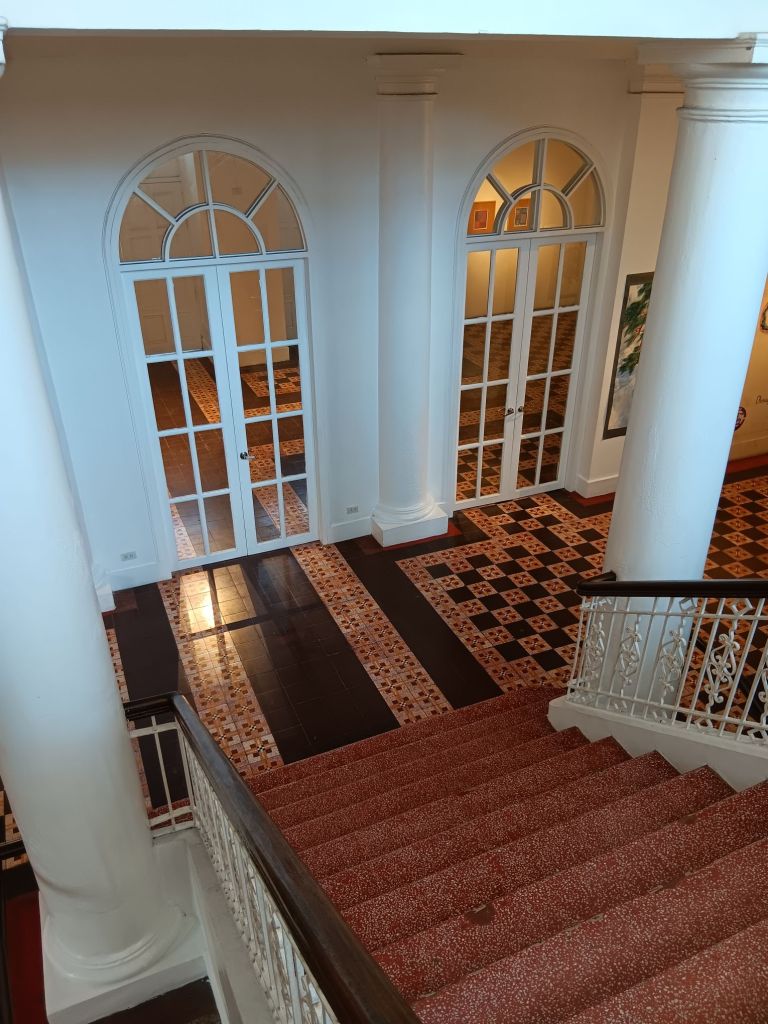
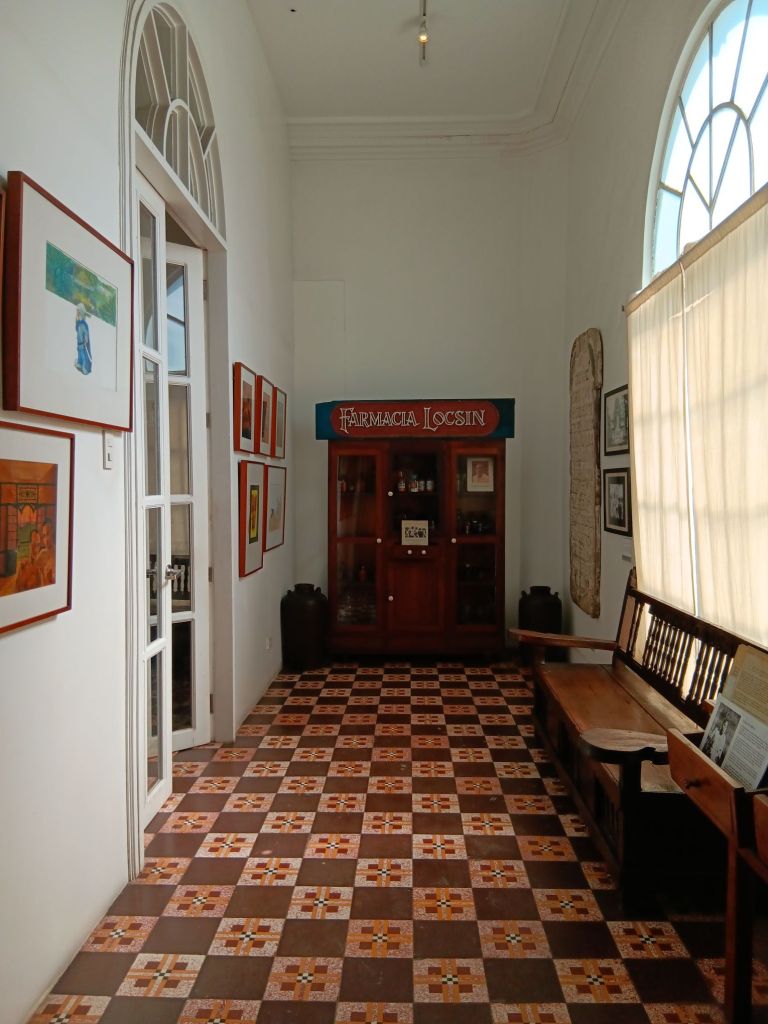
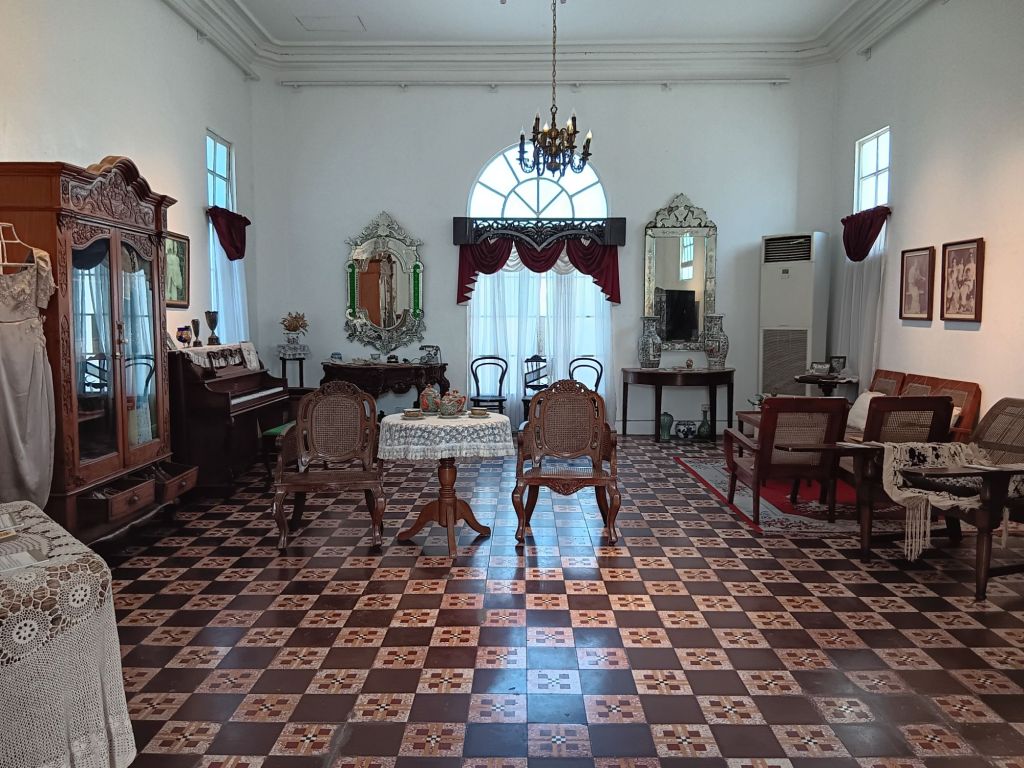
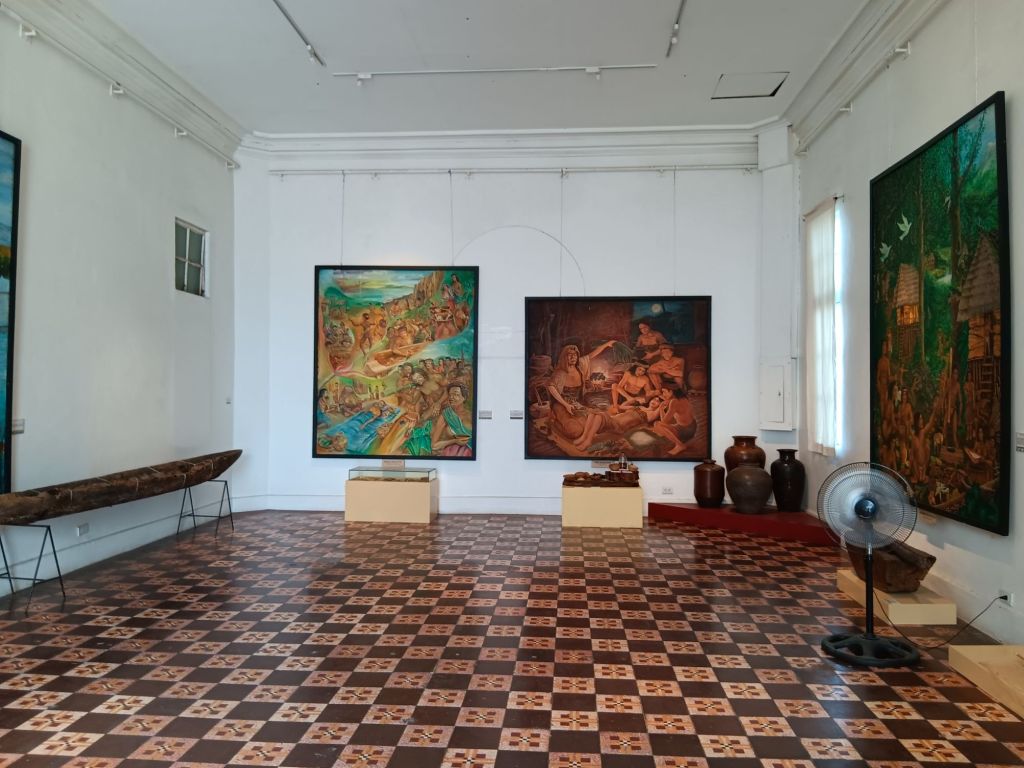
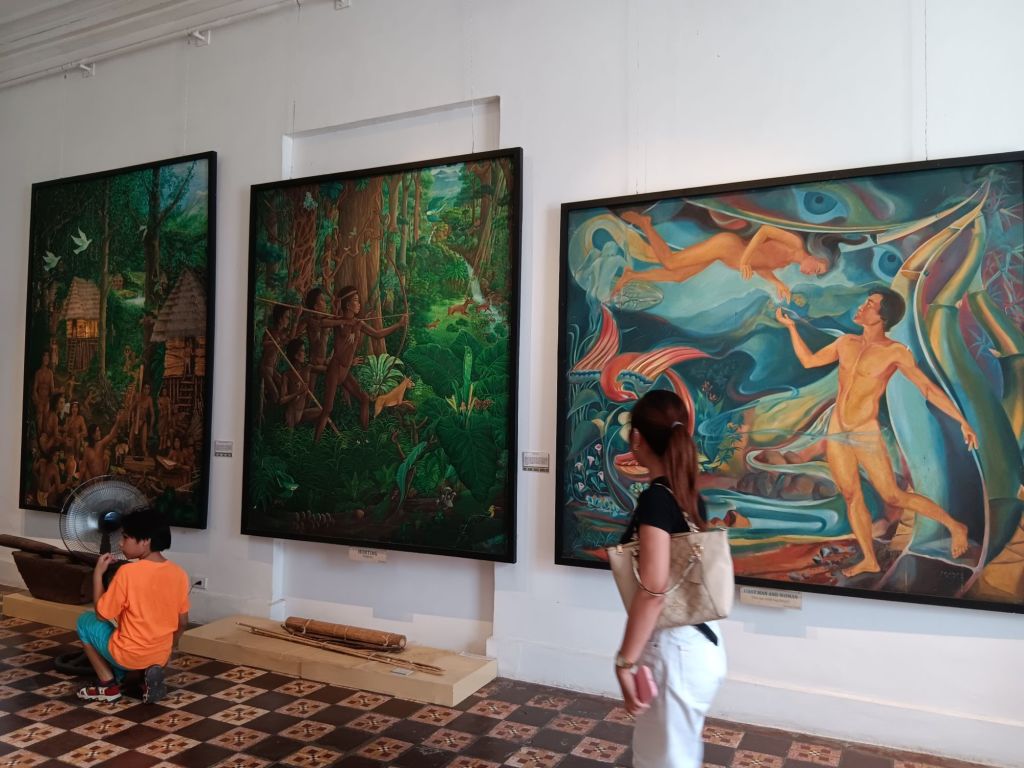
Established in 1987 and officially inaugurated on March 16, 1996, the Negros Museum holds a distinctive place as Negros Occidental’s provincial museum. Situated within Bacolod’s historic neoclassical capitol building constructed in 1925, this museum stands apart by eschewing a focus on precious artifacts. Instead, it creatively employs original contemporary artworks and high-quality reproductions to narrate the rich history of Negros. With a livelihood component, the museum is designed to be accessible and engaging for children, featuring a Museum Shop where local artists and artisans showcase their commissioned works.
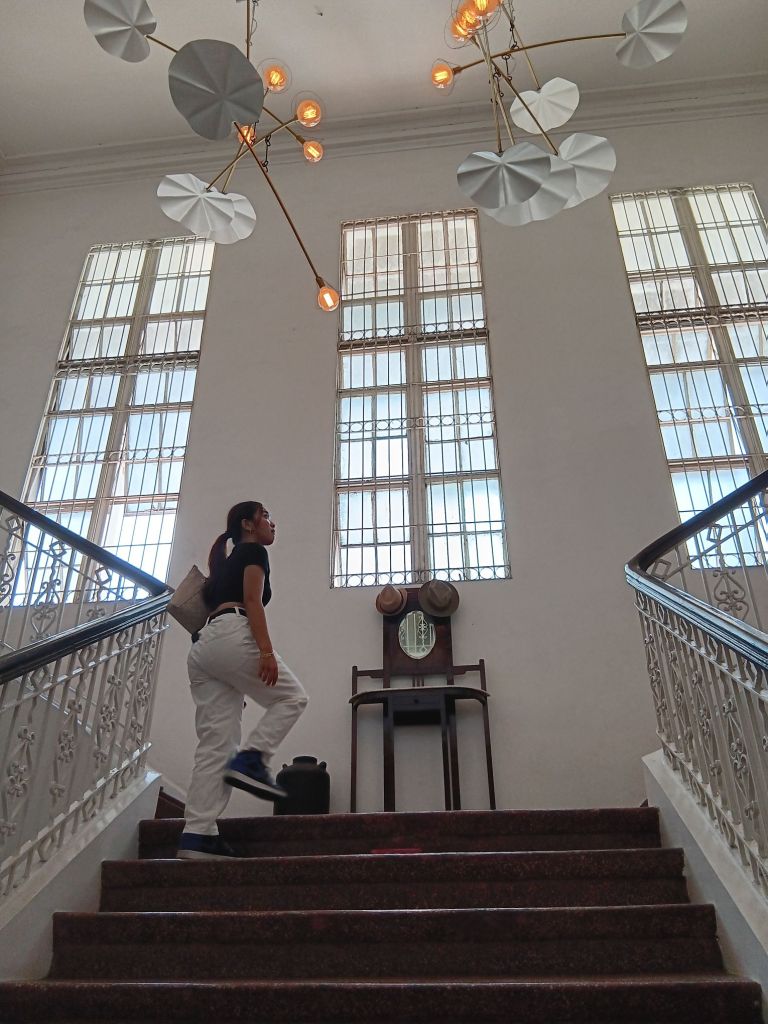
Pioneering a curatorially innovative approach, the Negros Museum prioritizes the intricate stories and diverse people that comprise Negros’s narrative, rather than solely showcasing valuable relics. Originally housed in the Provincial Capitol Building in March 1996, the museum later relocated to its current site, the Former Agricultural Building on Gatuslao Street, in May 2003. Here, it underwent a transformation, embracing an art deco-inspired aesthetic through the fusion of existing foundations with reconstructed pillars reminiscent of its provincial heritage.
In essence, the Negros Museum encapsulates the vibrant history, art, and culture of Negros Island, offering visitors a glimpse into its abundant heritage.
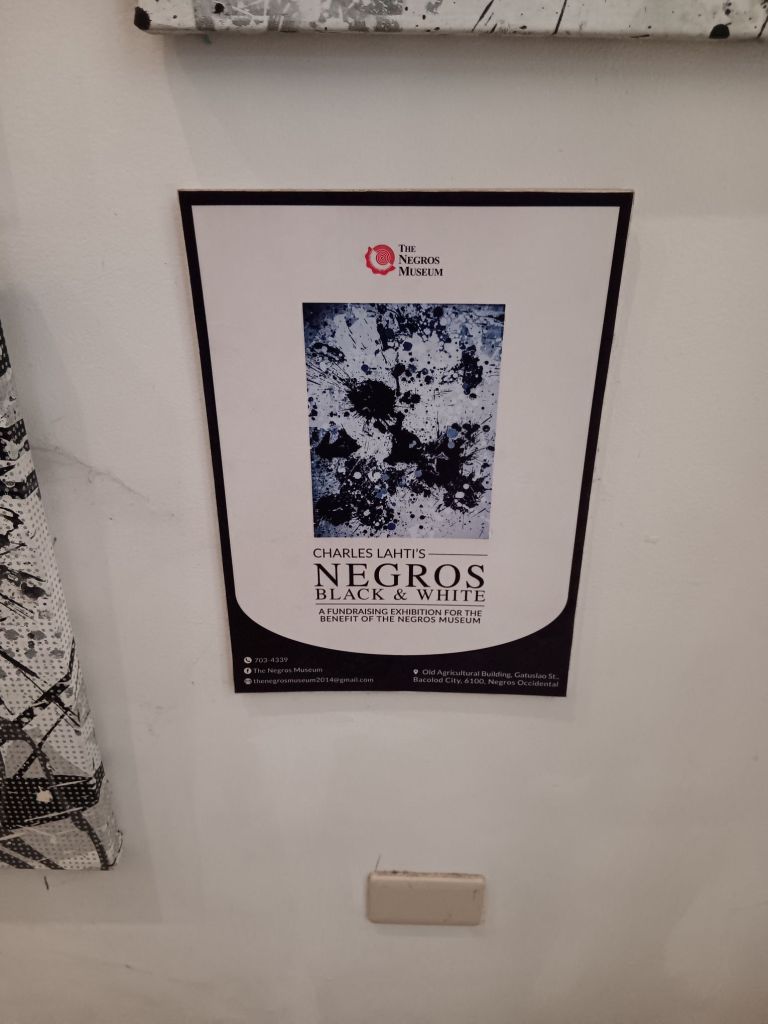
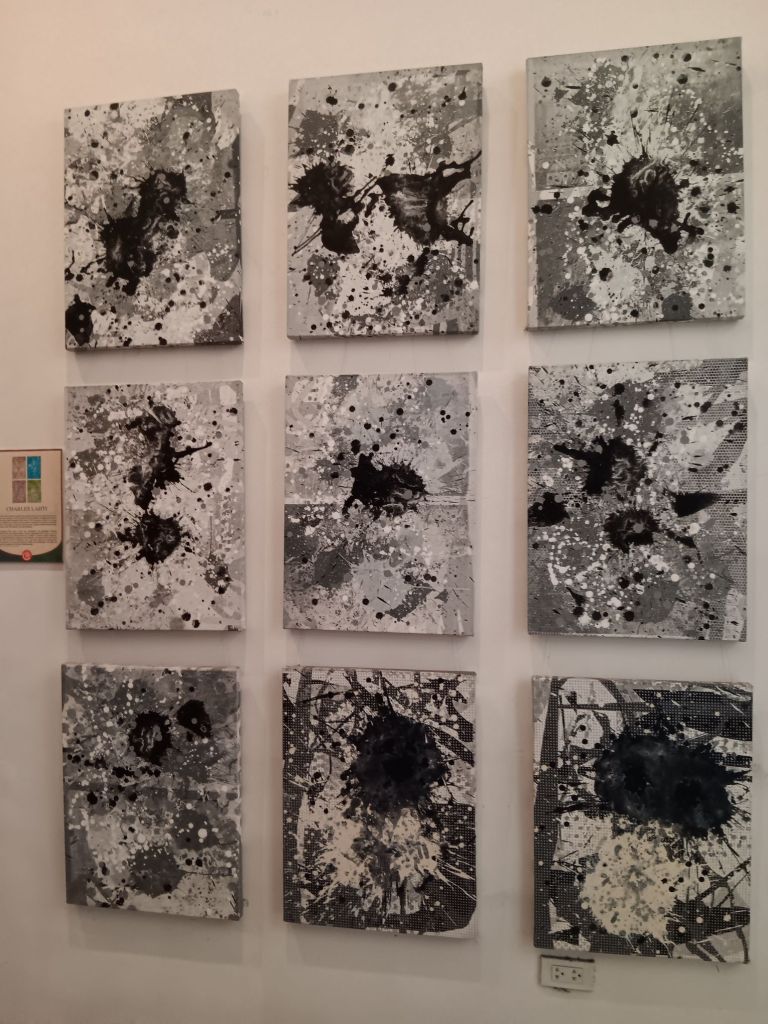

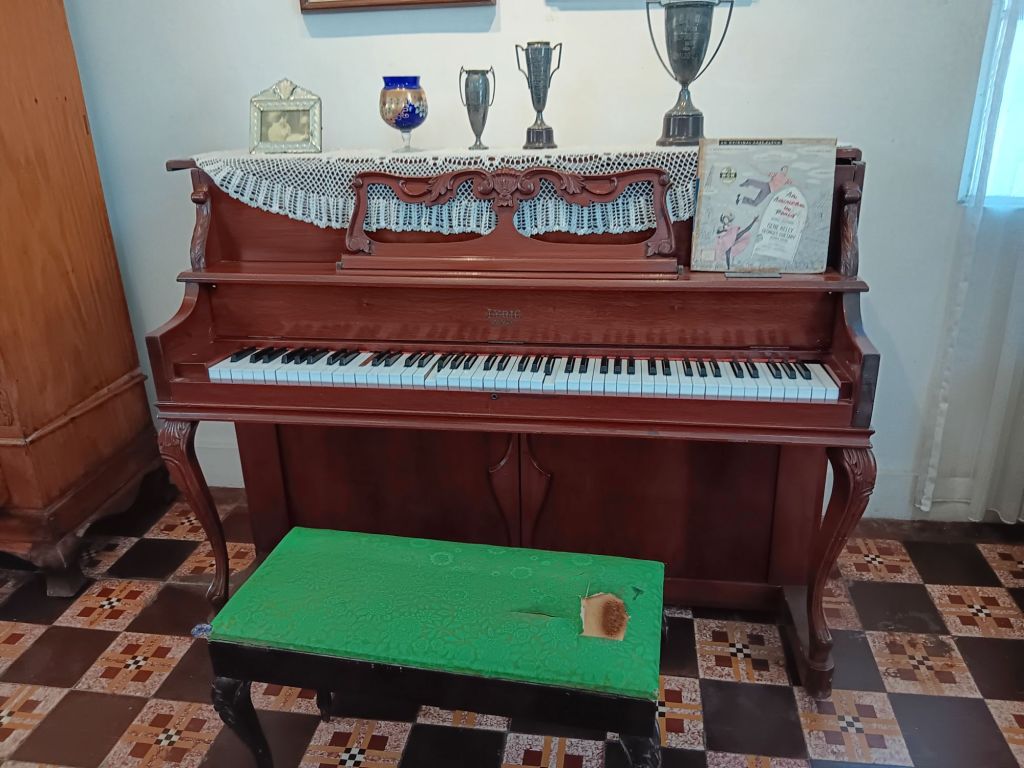

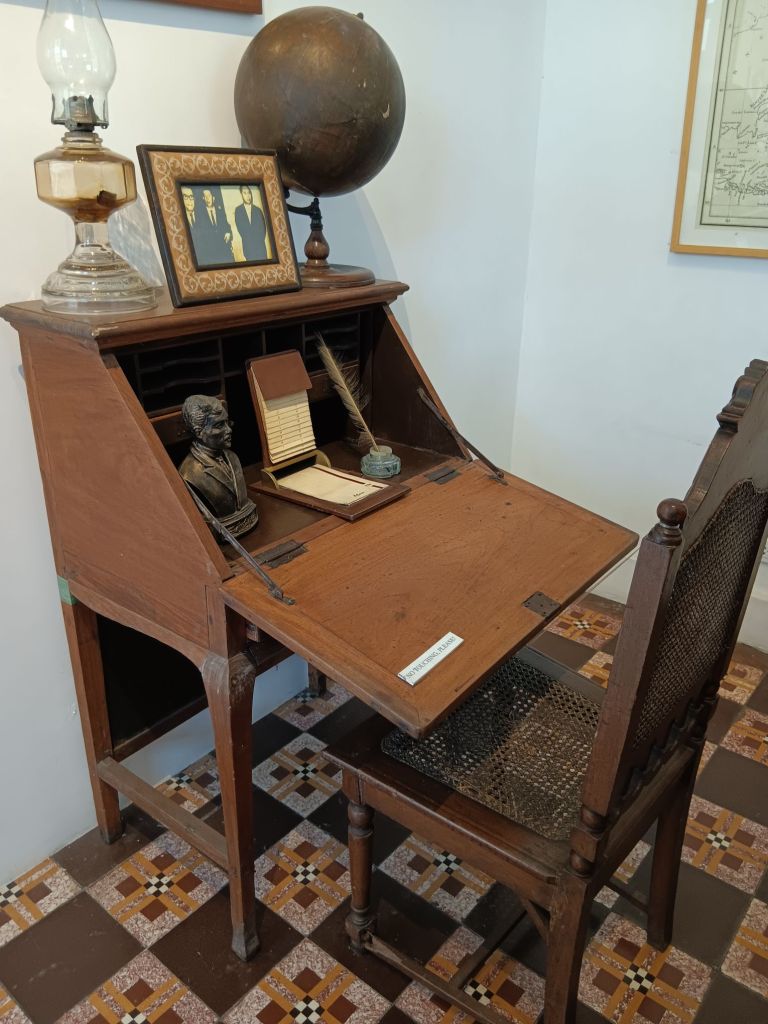
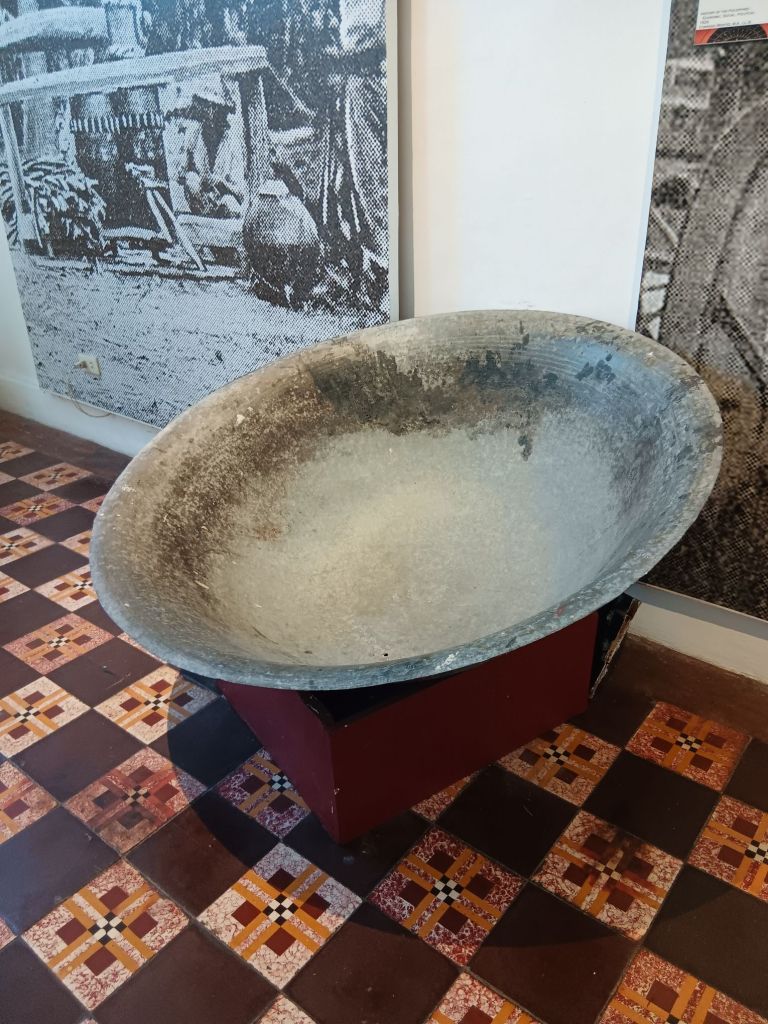
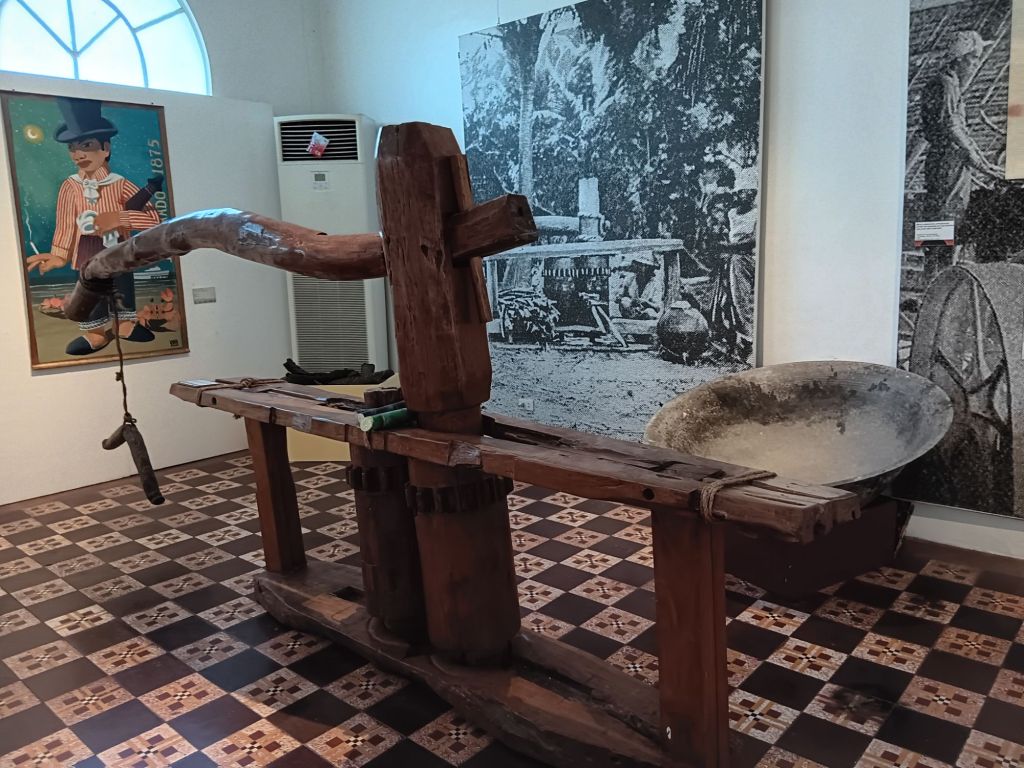
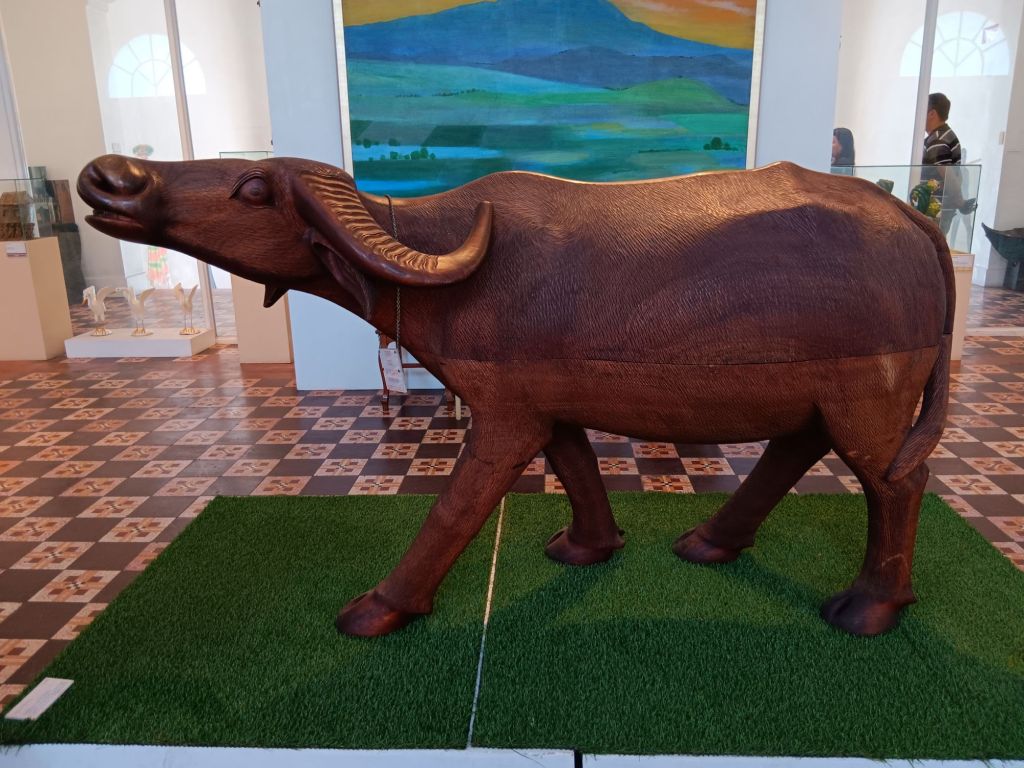
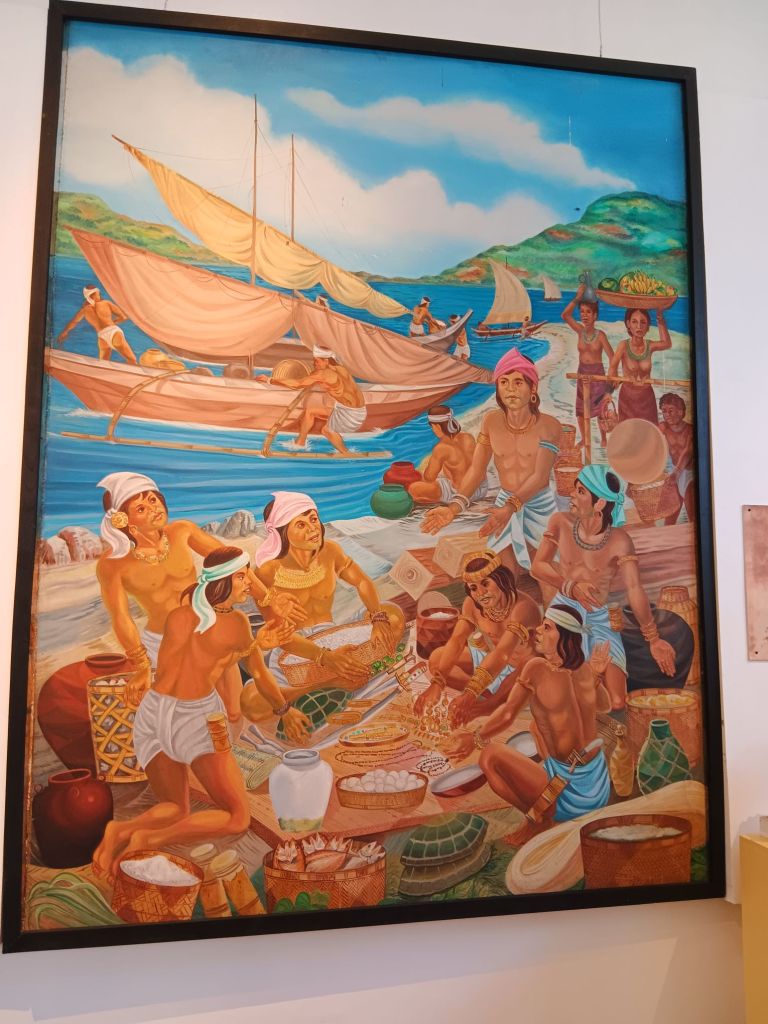
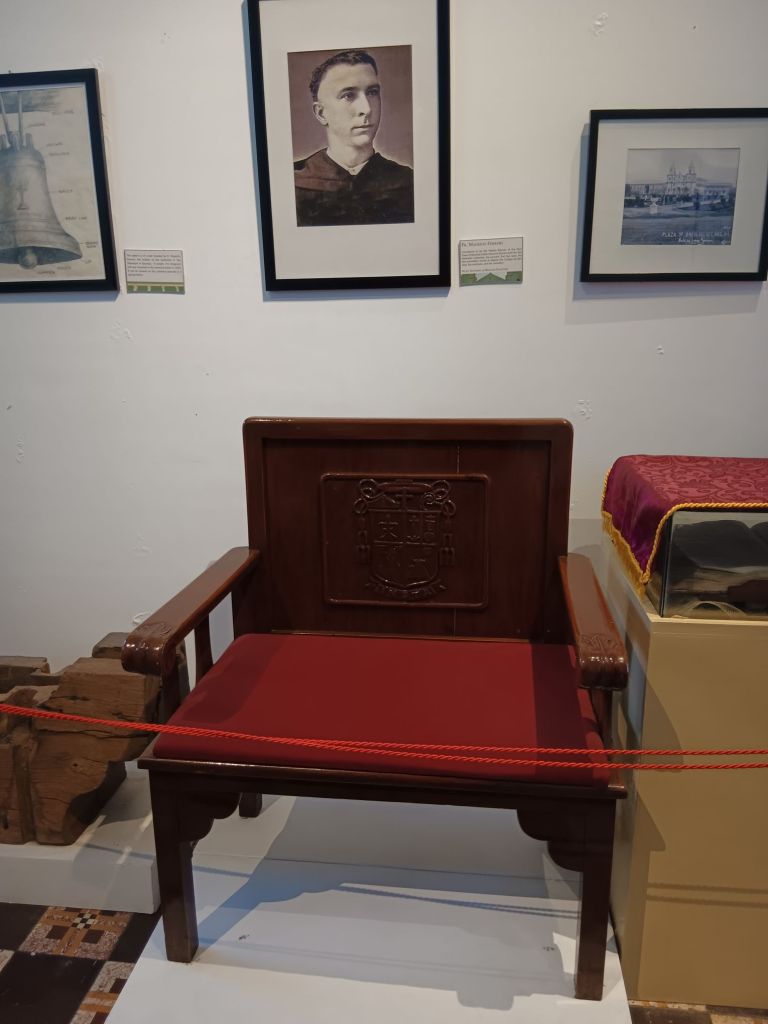
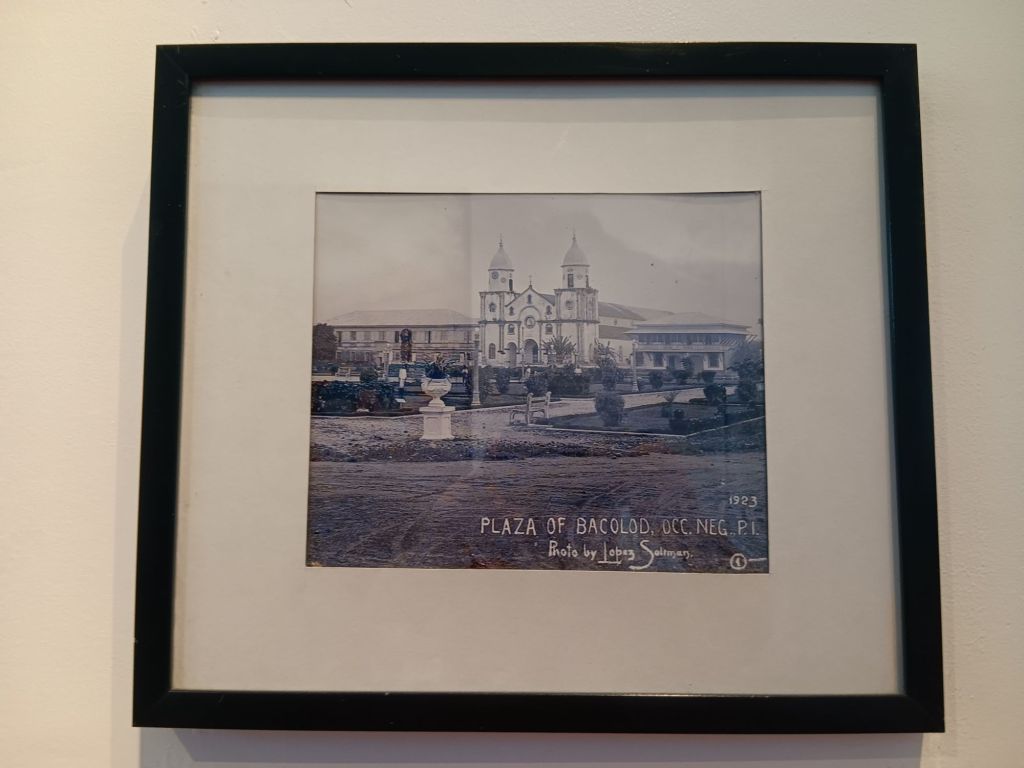
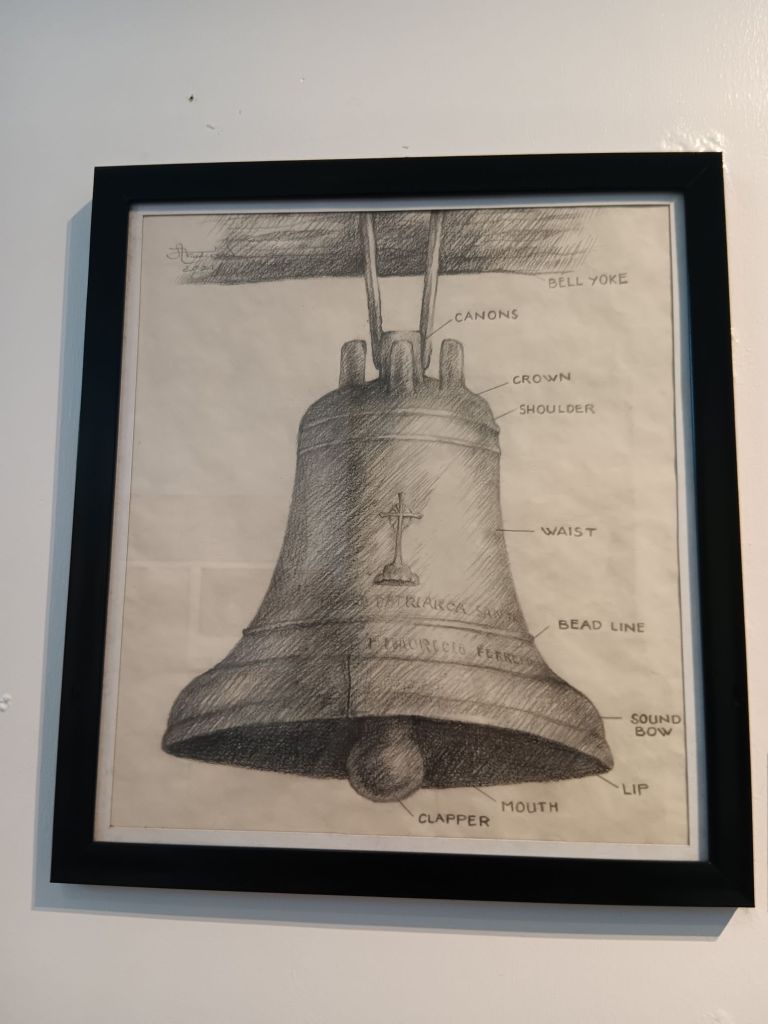
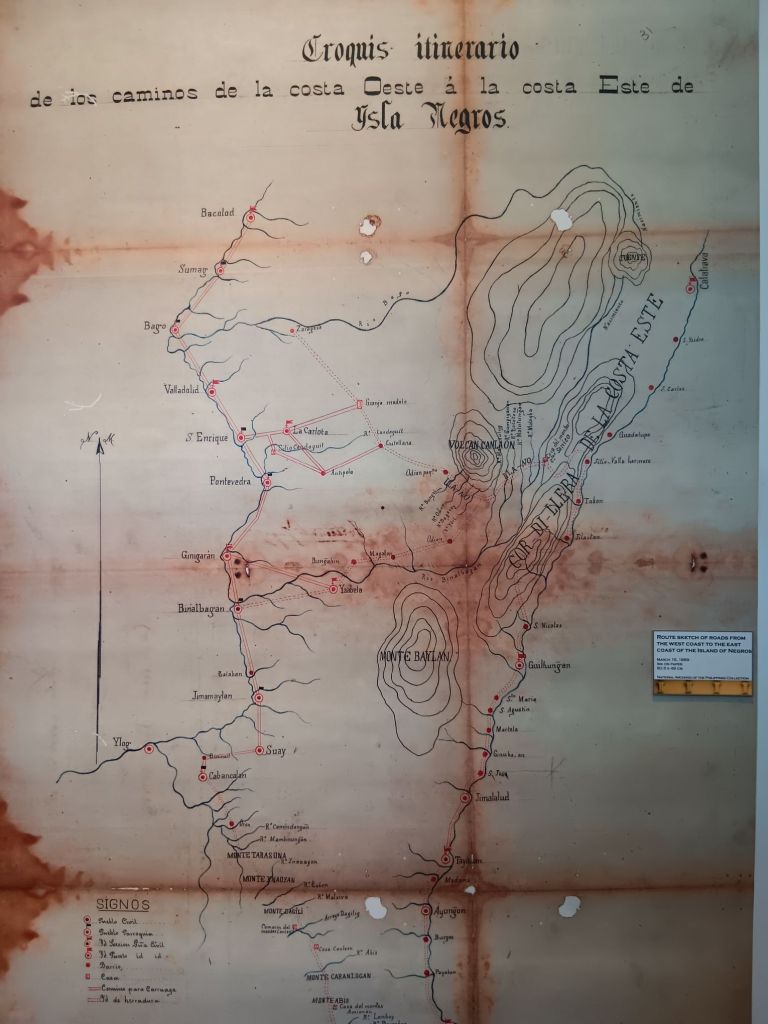
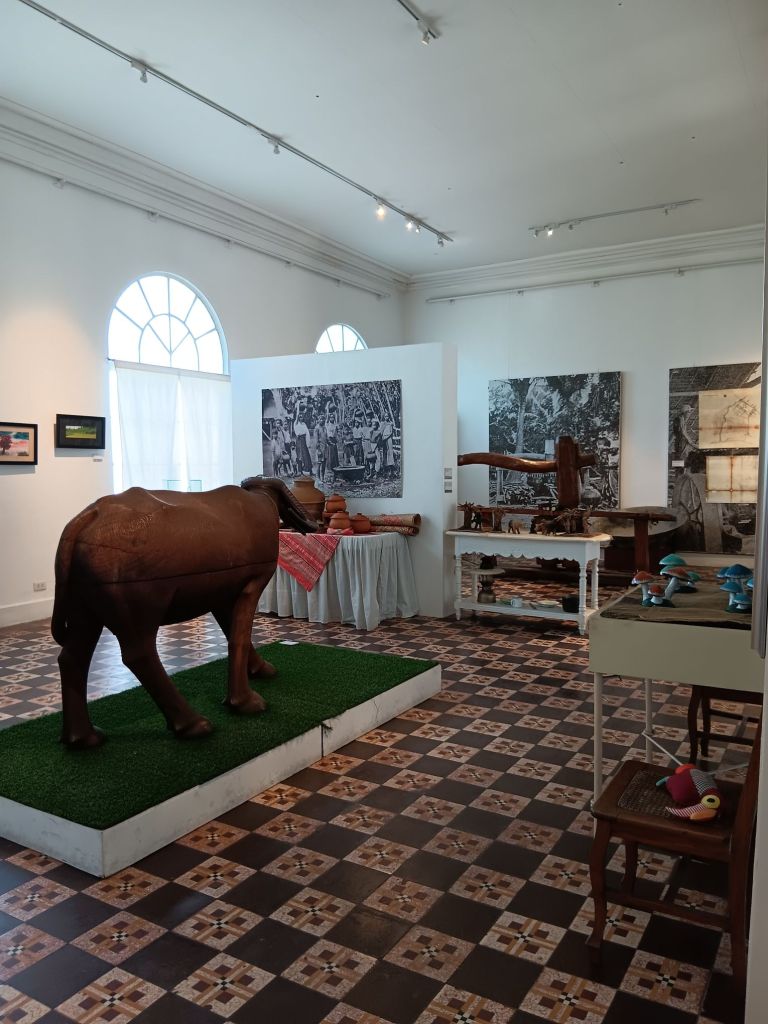
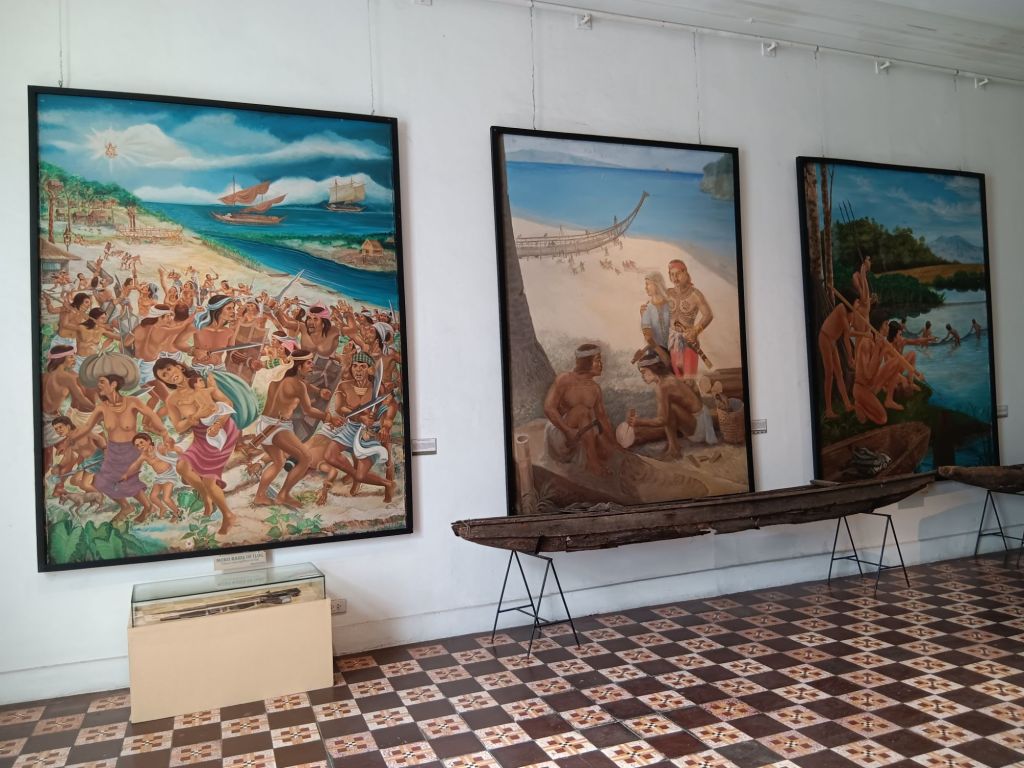
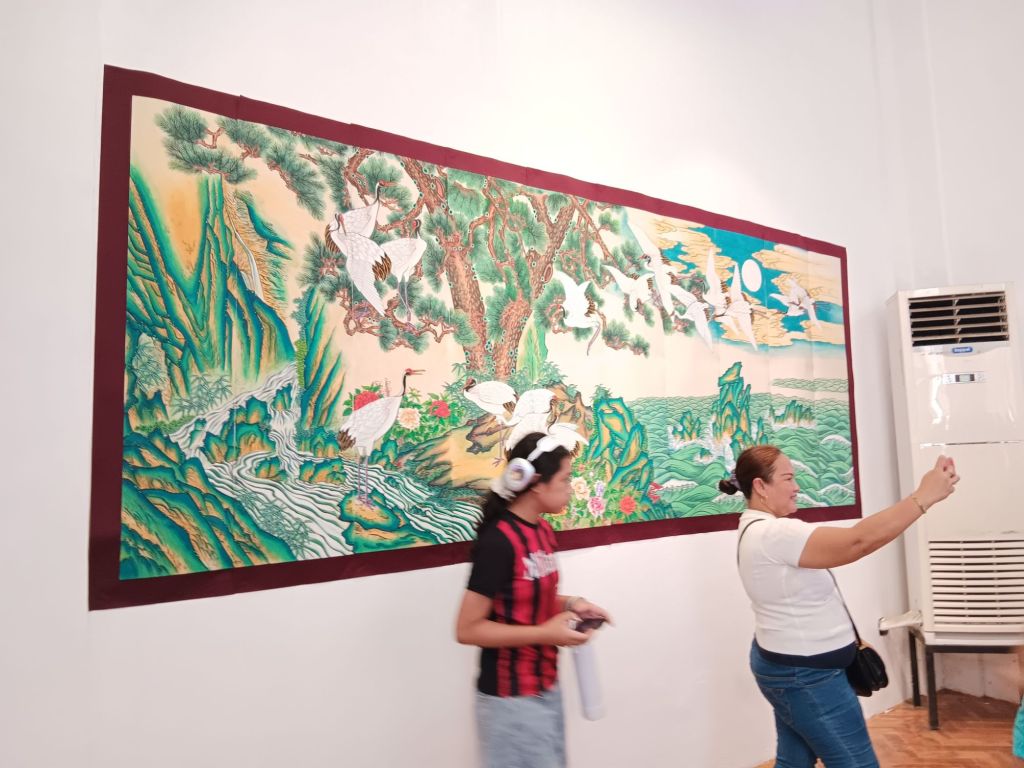
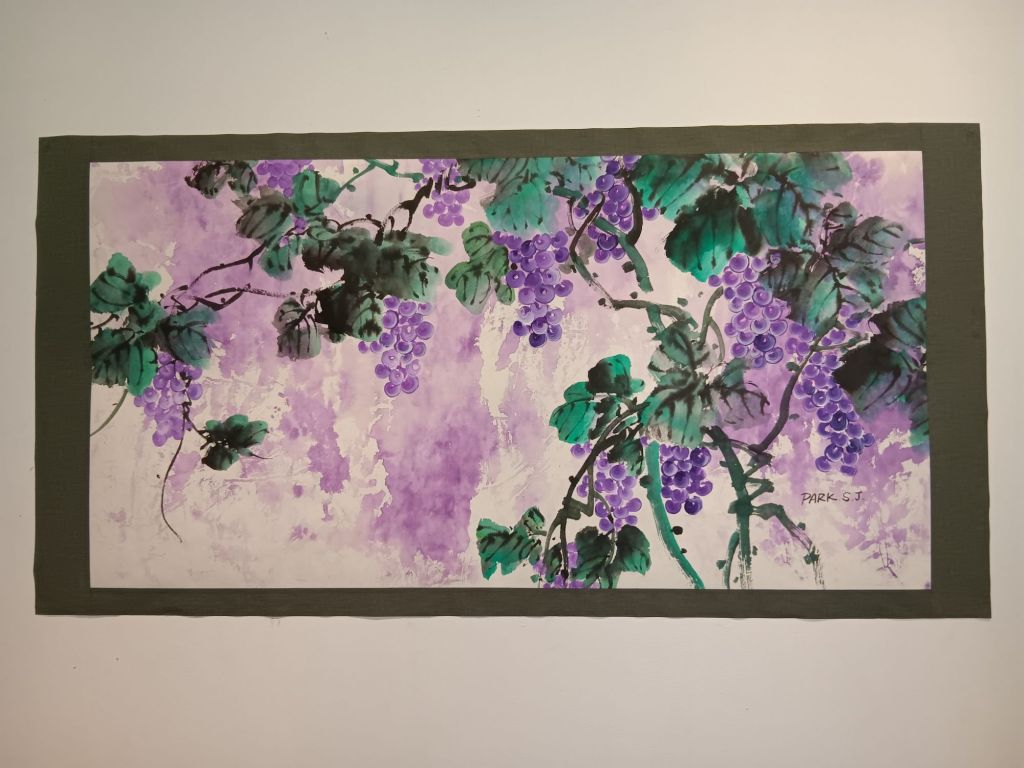
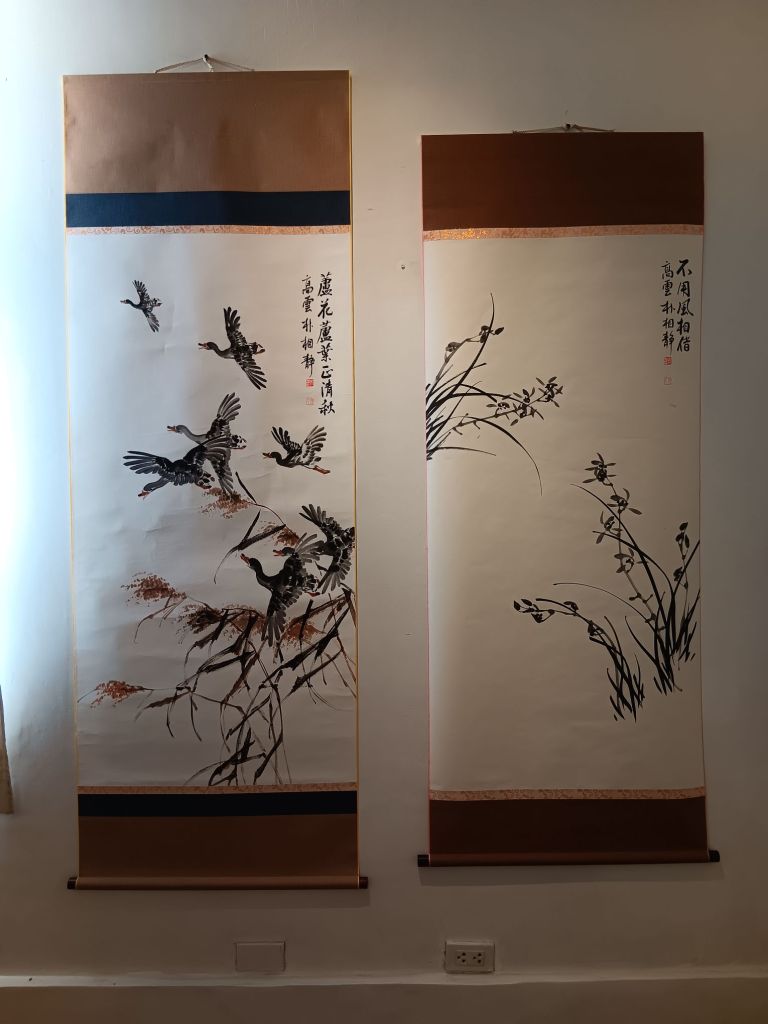
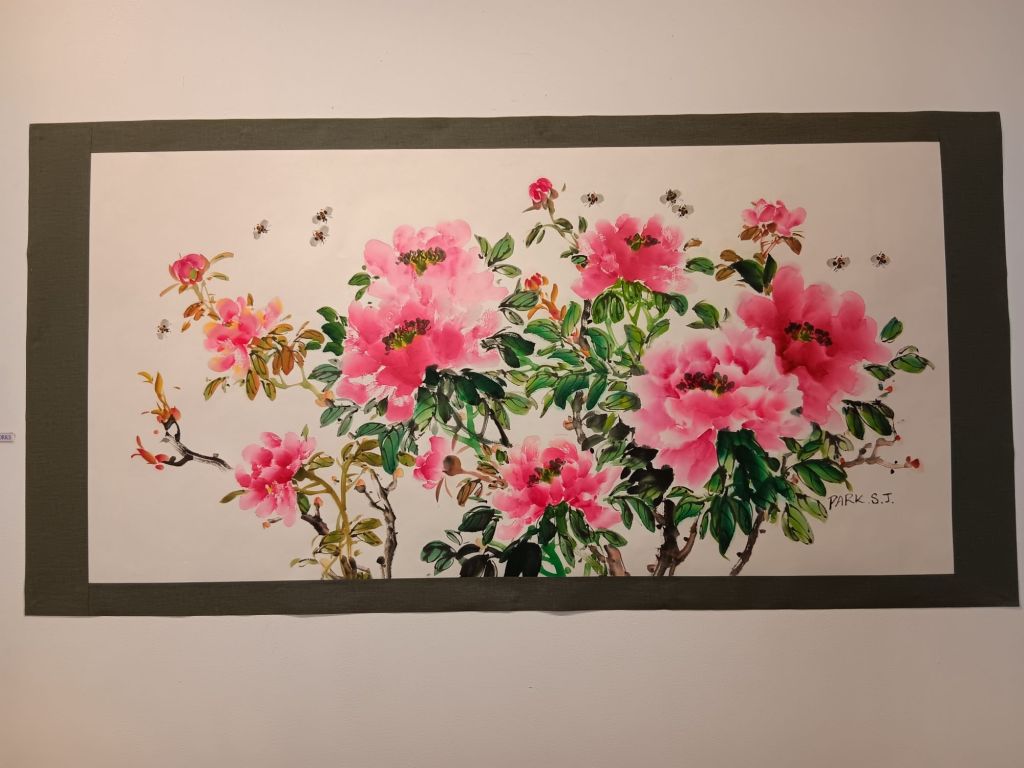
Partnering with the Korea-Philippines Festival Cultural Exchange Association (KPFCEA), the Negros Museum is thrilled to announce a four-day exhibition featuring the works of three gifted Korean visual artists: Ms. Park Sang Jeong, Ms. Kim Mun Jeong, and Ms. Park Soyun.

Negros Museum Facebook Link
https://www.facebook.com/TheNegrosMuseum?mibextid=ZbWKwL
2. ANIMALS: Negros Forest and Ecological Foundation
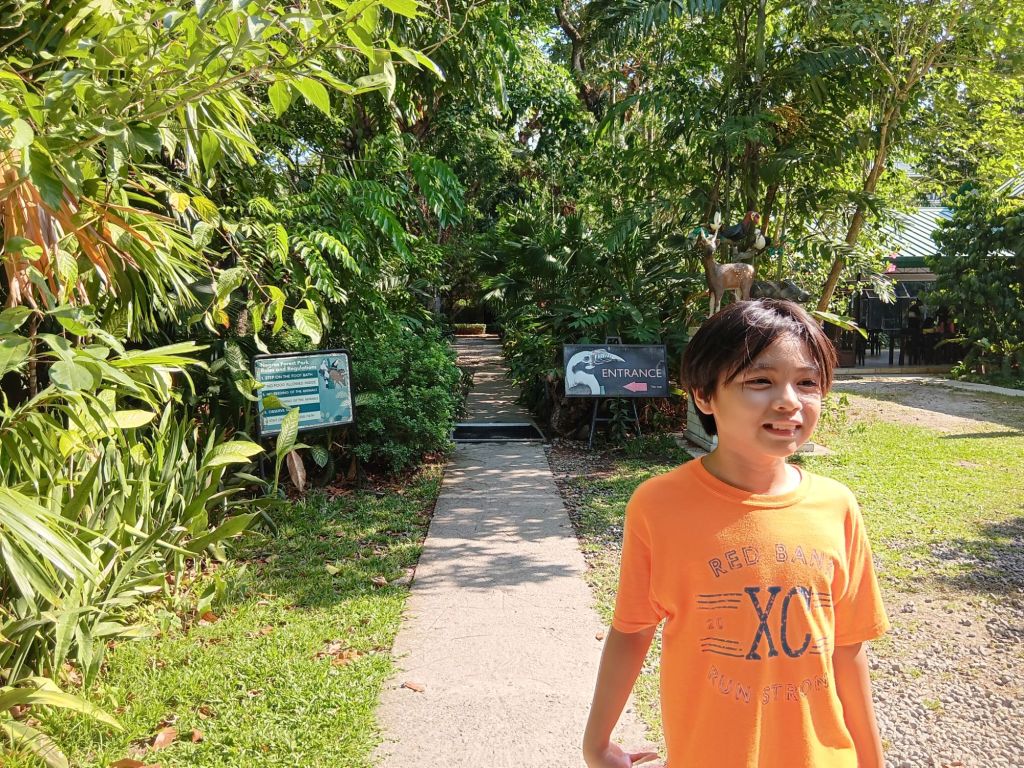
Nestled adjacent to Capitol Lagoon lies a remarkable sanctuary that may resemble a zoo at first glance, yet it transcends the ordinary.
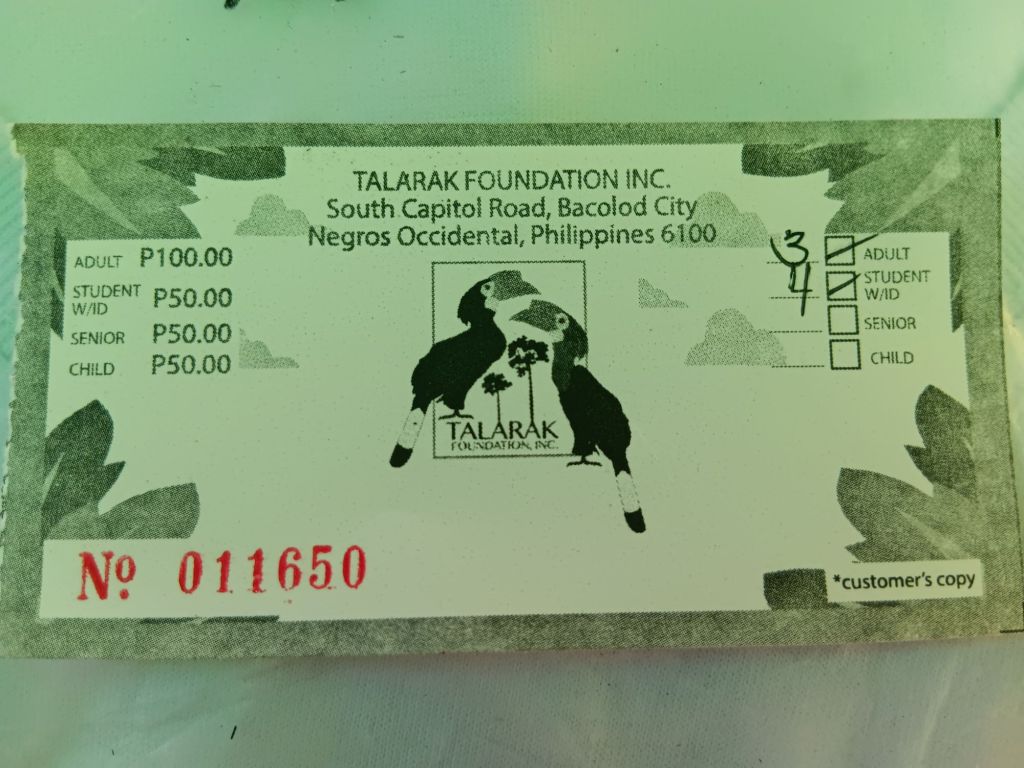
The Negros Forest and Ecological Foundation, Incorporated, a non-profit entity, stands dedicated to the preservation and safeguarding of Negros Island’s forests and its endangered species, as well as those across the Philippines. This organization operates a specialized breeding center focused on the conservation of rare mammals, birds, and reptiles primarily endemic to Panay and Negros, making it a vital hub for global biodiversity efforts.
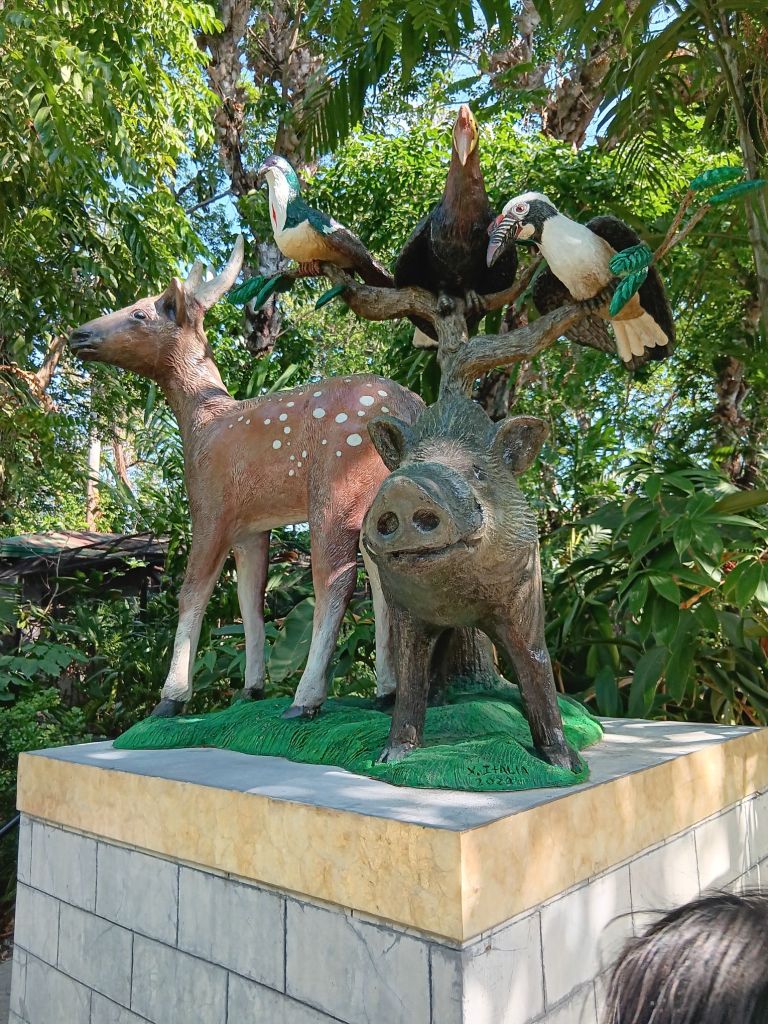
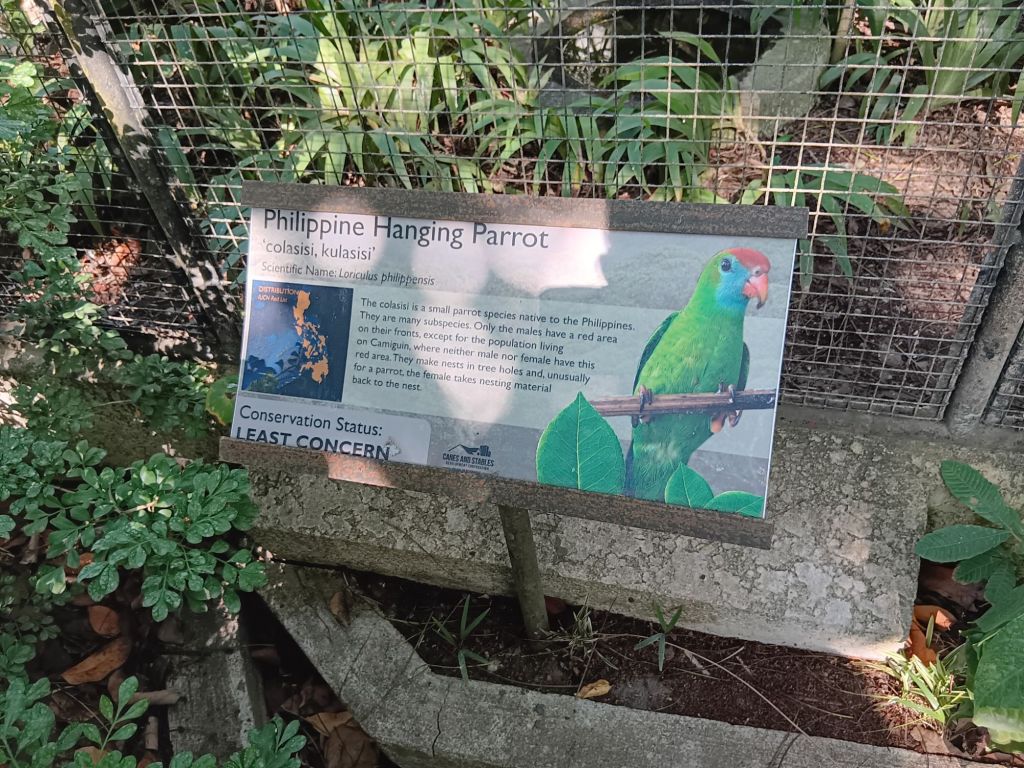
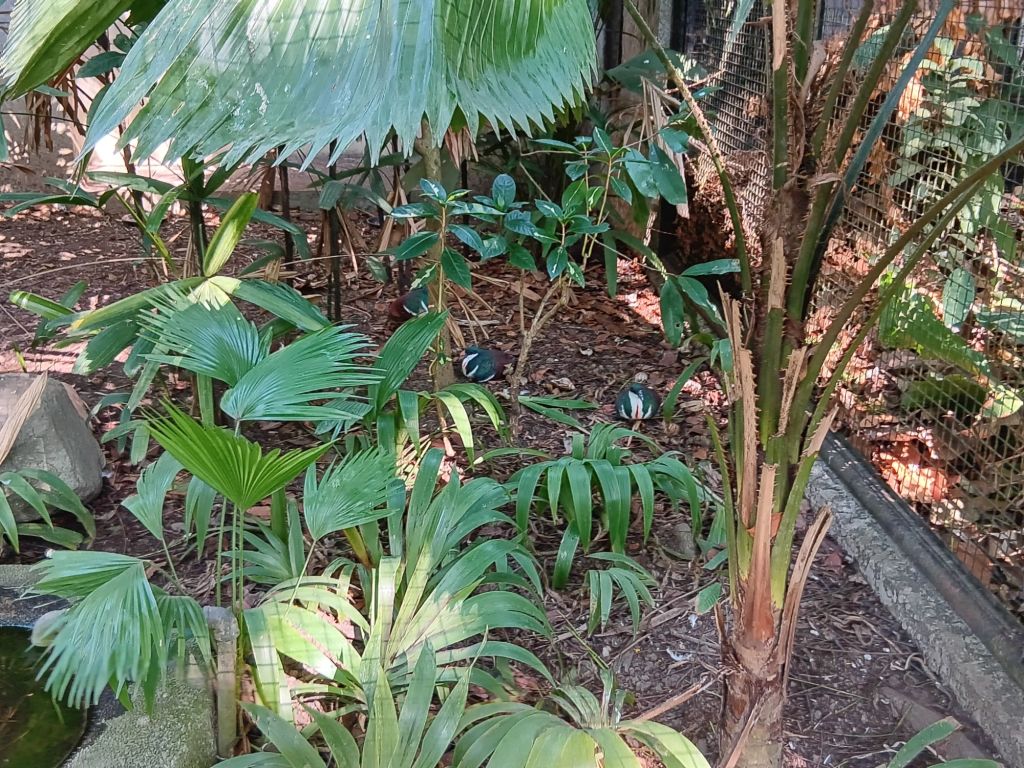
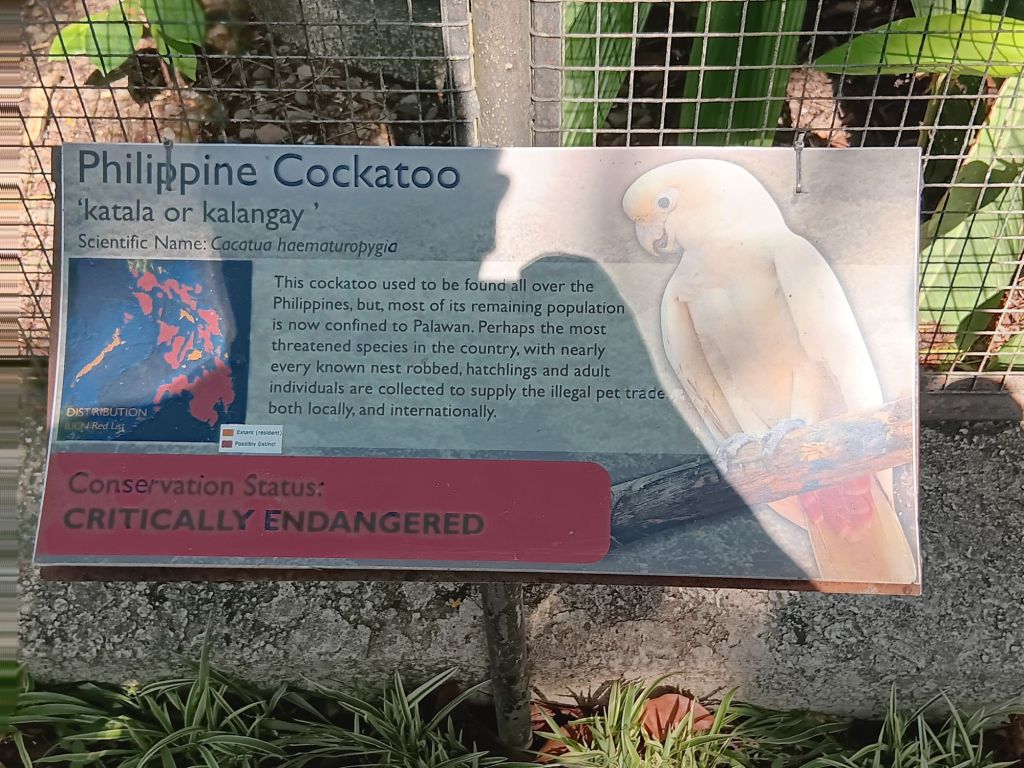
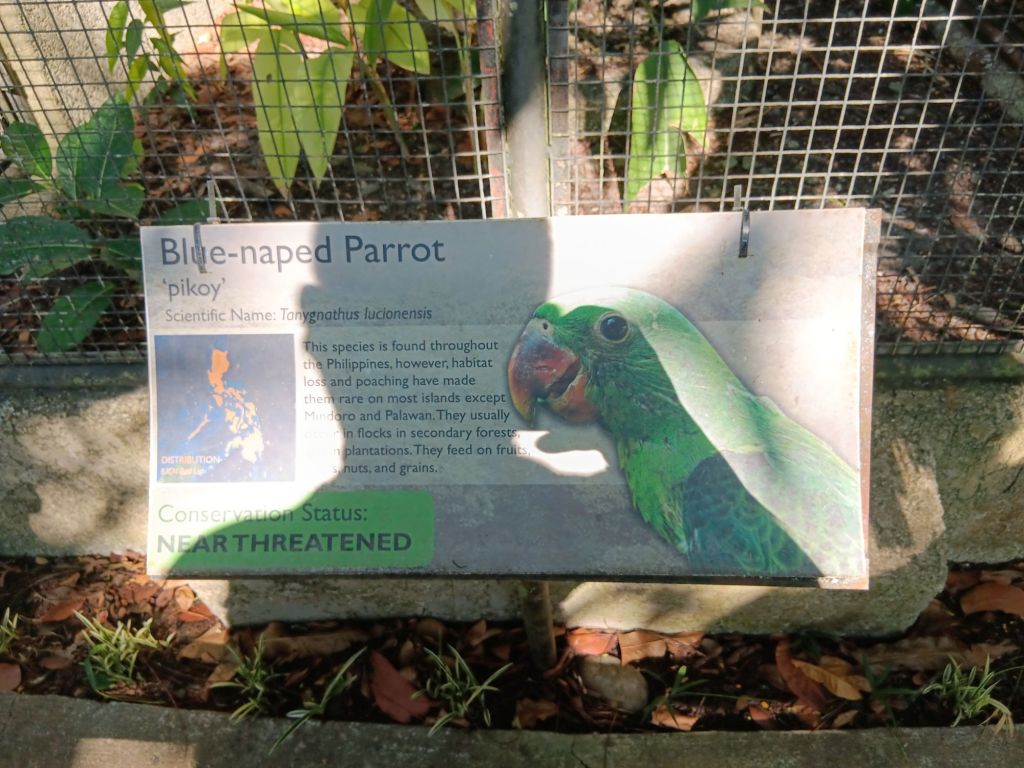
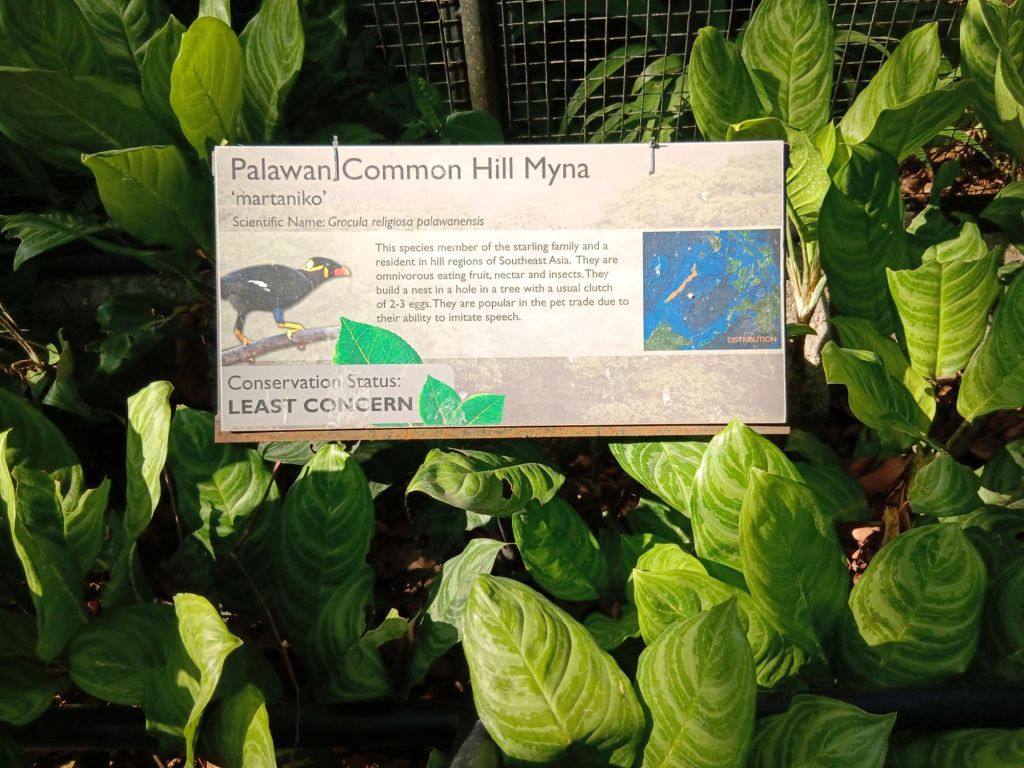
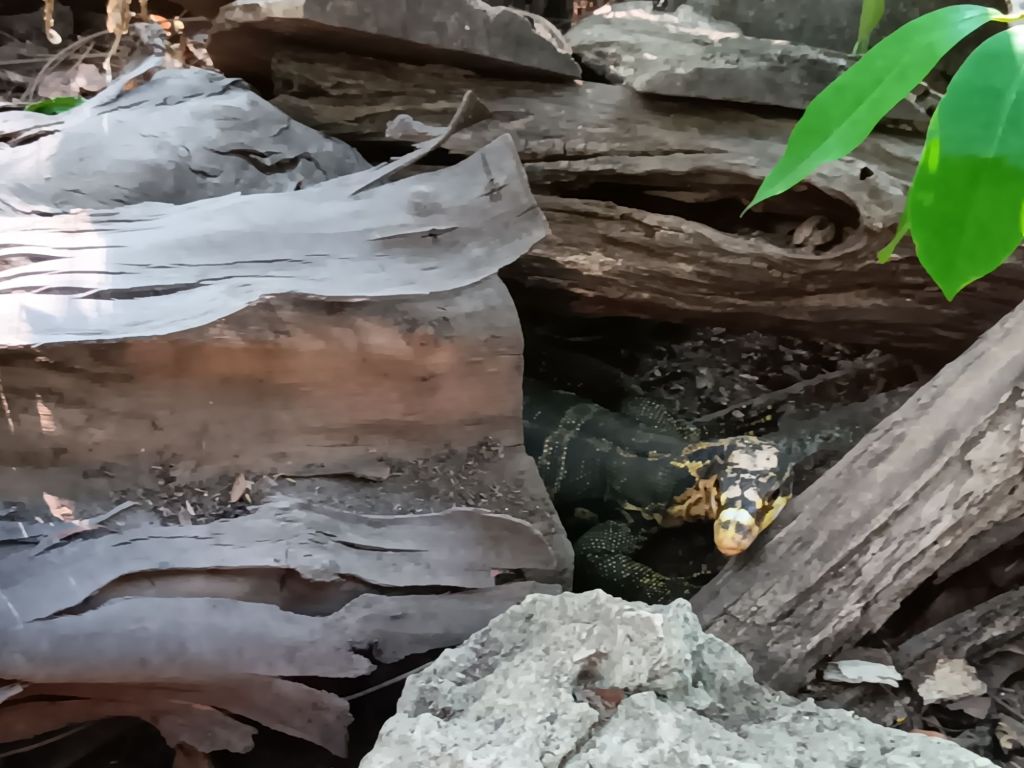
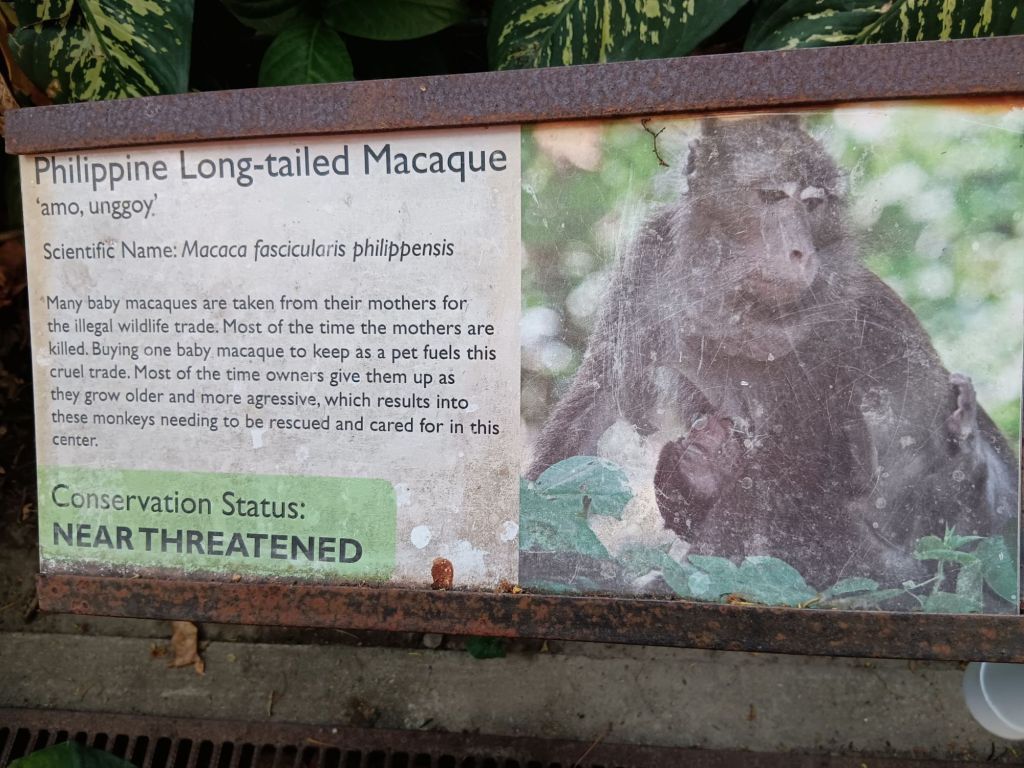
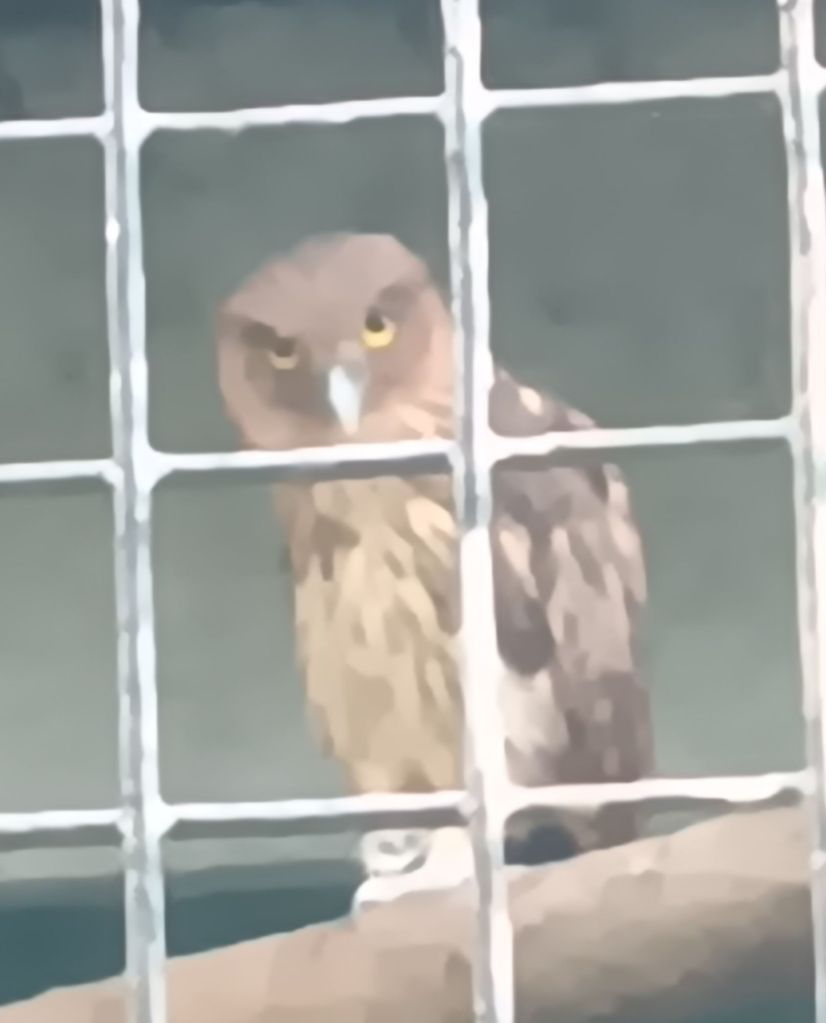
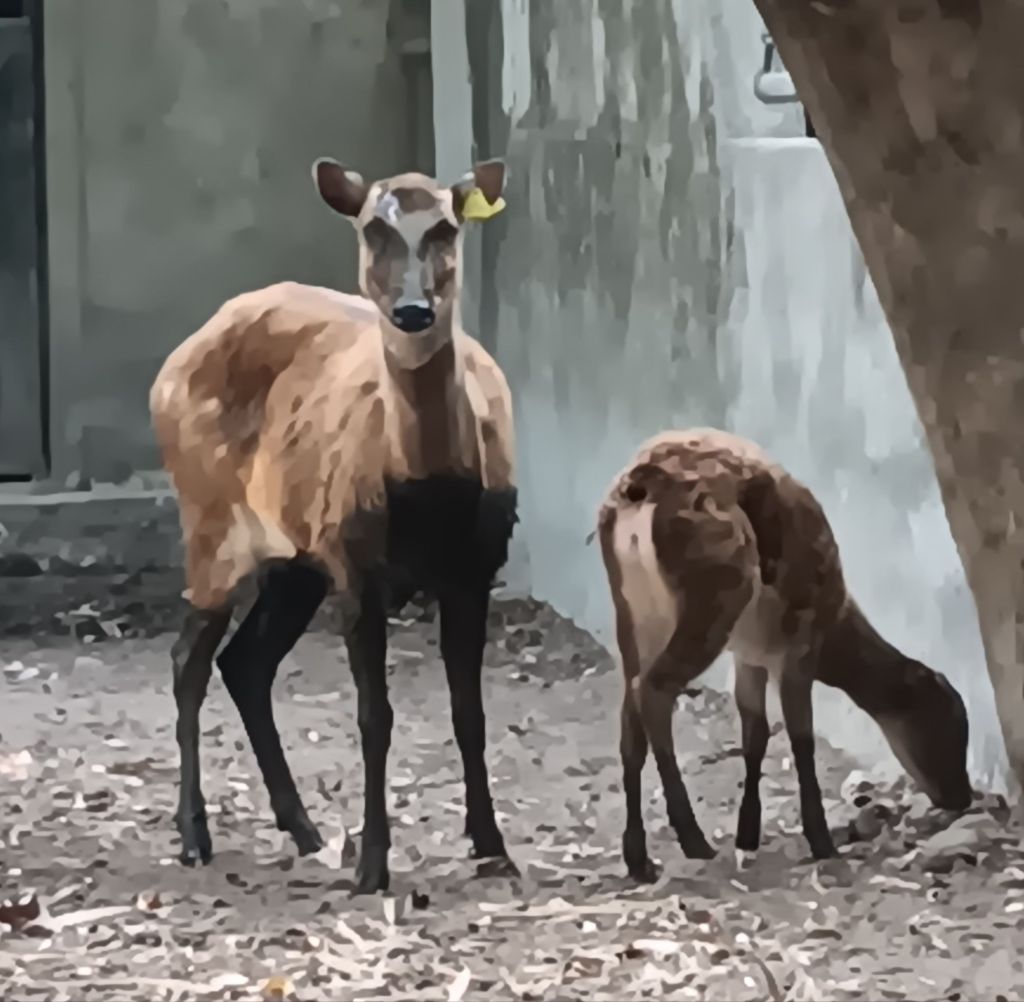
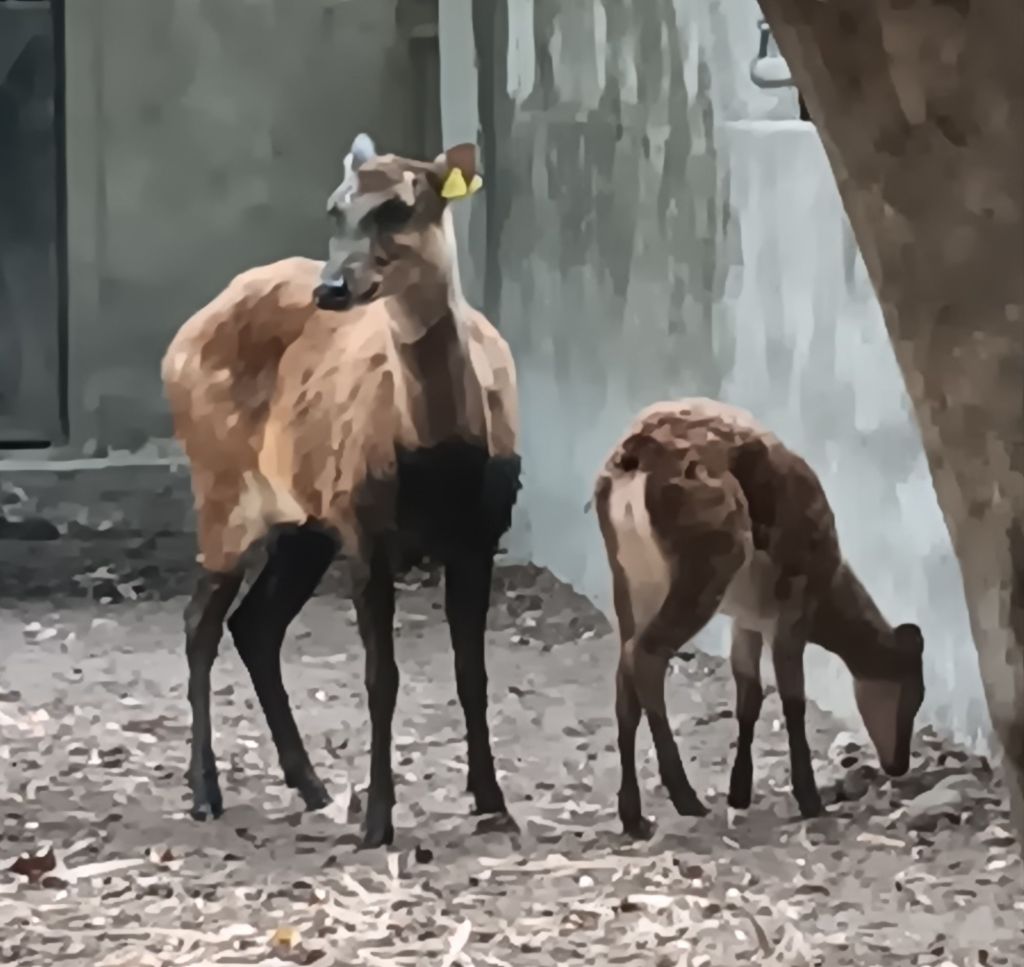
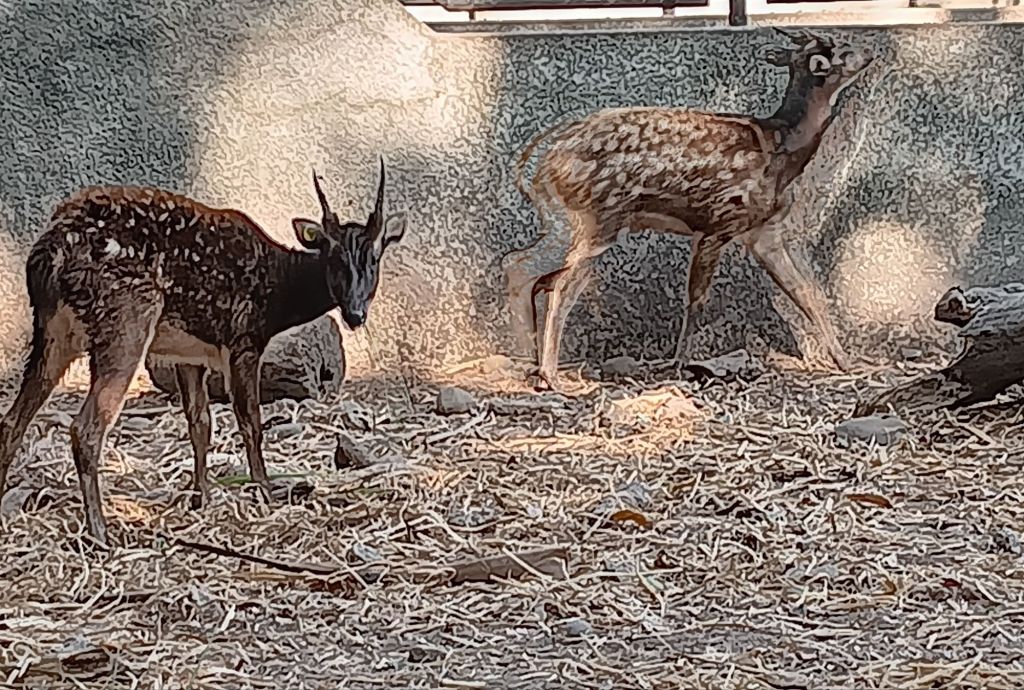
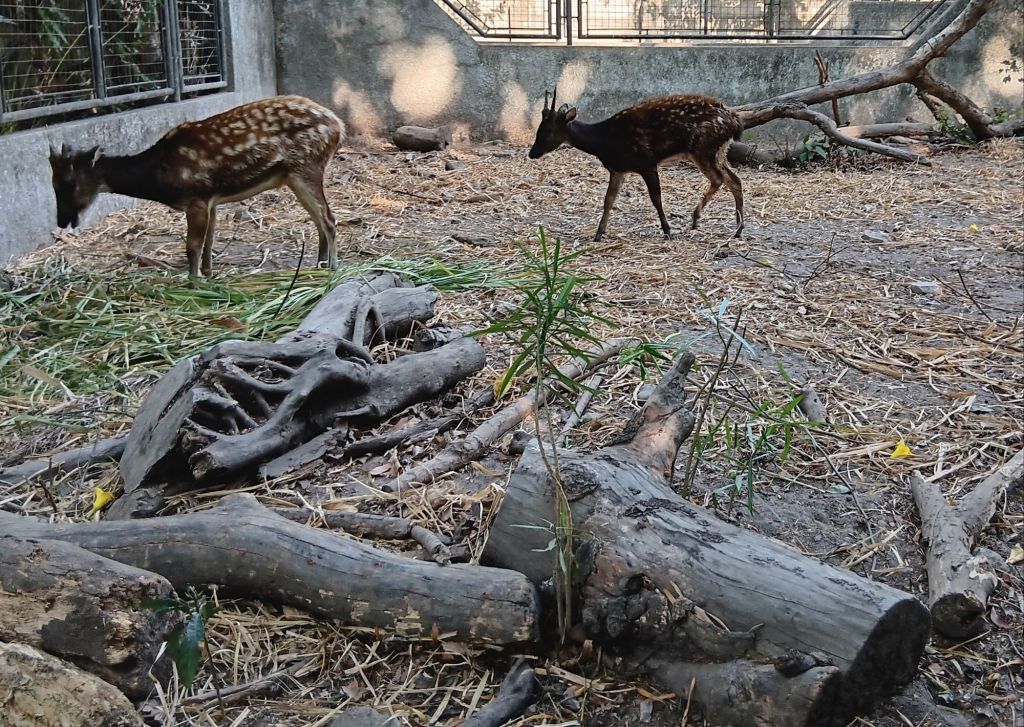
The avian inhabitants of Negros Island showcase a diverse range of species, each with its unique characteristics and conservation status:
1. Philippine Cockatoo (Cacatua Haematuropygia, Katala): Critically Endangered due to habitat destruction and illegal pet trade, mainly found in Rasa Island, Palawan.
2. Negros Bleeding-Heart Pigeon (Gallicolumba keayi, Badlitan): Critically Endangered, recognized by its distinctive red heart patch, exclusive to the Negros-Panay Fauna region.
3. Metallic Wood Pigeon (Columba Vitiensis Griseogularis): Least Concerned, adorned with glossy gray-metallic purple feathers that shimmer in different lights.
4. Visayan Tarictic Hornbill (Penelopides Panini, Tularik): Endangered, found in Panay and Negros forests, nesting in tree cavities for egg incubation.
5. Southern Rufous Hornbill (Buceros Mindanensis, Kalaw): Vulnerable, the largest hornbill species in the Philippines, residing in Samar, Leyte, Biliran, and Bohol.
6. Buff-Eared Brown Dove (Phapitreron Nigrorum, Alimukon): Endangered, feeding on berries and fruits, restricted to limited areas including Negros.
7. Visayan Writhed Hornbill (Rhabdotorrhinus Waldeni, Talarak): Critically Endangered, exclusive to Negros and Panay, facing extinction due to deforestation, particularly in Guimaras, with a functional extinction status in Negros province.
Negros Island shelters a diverse array of mammals, each facing unique conservation challenges:
1. Warty Pig (Sus Cebifrons Negrinus, Baboy Talunon): Critically Endangered and considered the most endangered wild pig globally, surviving only in the forests of Panay and Negros after extinction in Guimaras, Cebu, and possibly Masbate.
2. Visayan Leopard Cat (Prionailurus Bengalensis Rabori, Maral): Vulnerable and distinguished by its small size, with 95% of its population lost, leaving remnants in the remaining forests of Cebu, Panay, and Negros.
3. Large Flying Fox (Pteropus Vampyrus Lanesis, Kabog): Nearly Threatened despite its ominous name, this herbivore delights in fruits, flowers, and other plant matter, contributing to its crucial role in the ecosystem.
Negros Island hosts a diverse range of raptors and reptiles, each facing its unique conservation challenges:
Raptors:
1. Philippine Eagle-Owl (Bub Philippinensis, Kuwago): Vulnerable and renowned as the country’s largest owl, it serves as a nocturnal predator, preying on mice, rats, and small animals, contributing to pest control efforts. Notably, the center has successfully raised a specimen named “Bubo.”
2. Philippine Hawk Eagle (Nisaetus Pinskeri, Agila): Endangered due to hunting and habitat loss from logging and deforestation, this powerful raptor relies on its keen vision and sharp talons for hunting.
Reptiles:
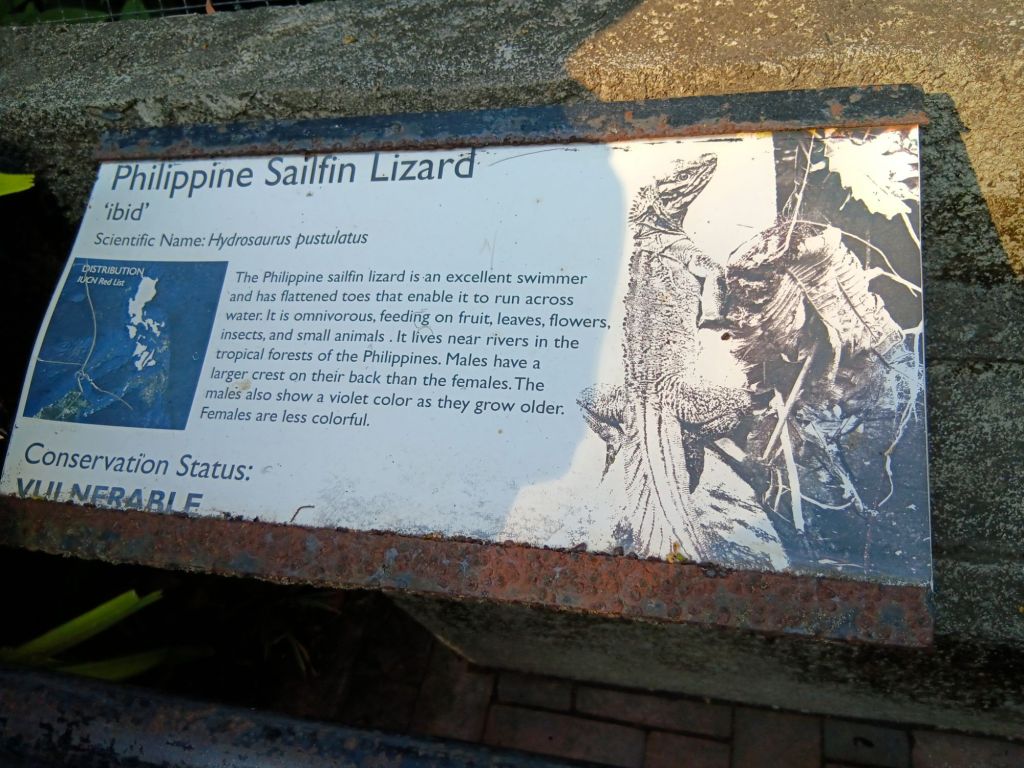
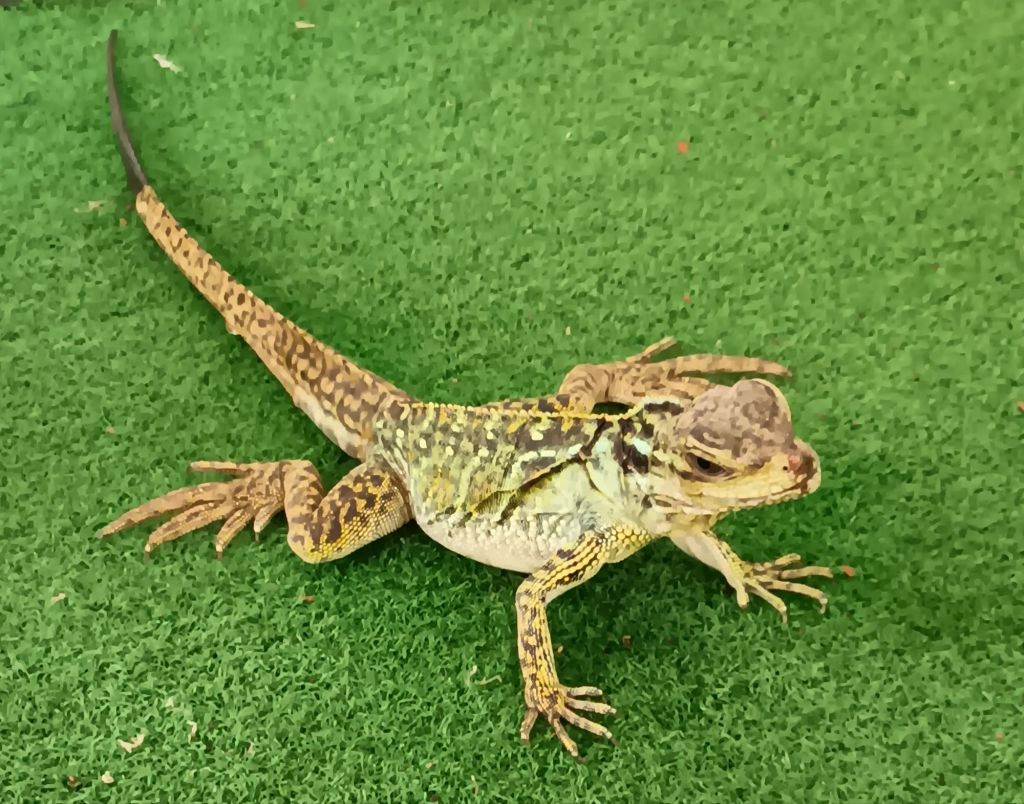
1. Philippine Sailfin Lizard (Hydrosaurus Pustulatus, Ibid): This reptile, known for its distinctive sail-like dorsal tail, undergoes a dietary shift from small invertebrates as juveniles to herbivory as adults, consuming plants and vegetables.
With the goal of offering a safe haven for endangered species, the Negros Forest and Ecological Foundation, Incorporated welcomes any assistance. Whether through animal adoption, volunteering, or monetary contributions, you can actively support the conservation efforts for these remarkable creatures.
Situated along South Capitol Road in Bacolod City, this wildlife sanctuary is accessible from Mondays to Saturdays, with visiting hours from 9am to 12nn, and 1pm to 4:30pm. A nominal entrance fee is required upon entry.
Link
NEGROS FORESTS AND ECOLOGICAL FOUNDATION,INC. https://g.co/kgs/cwmRJL9
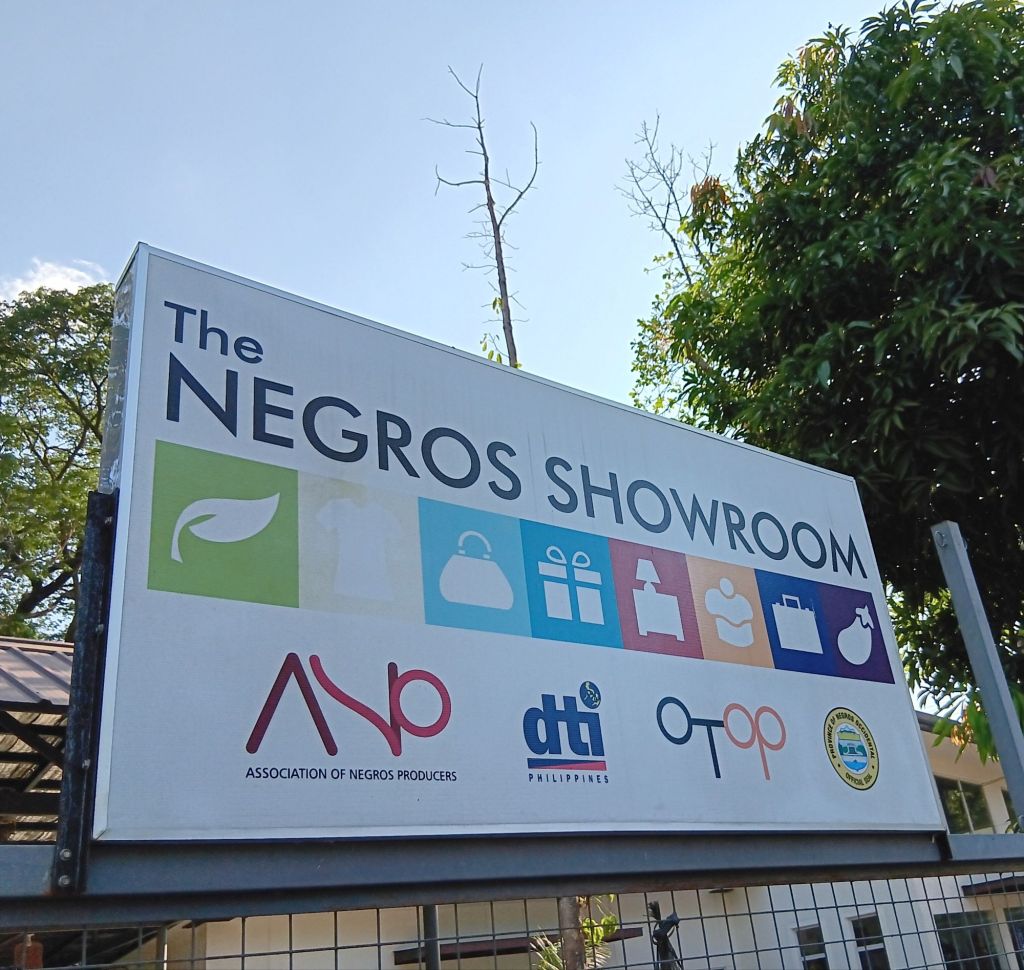
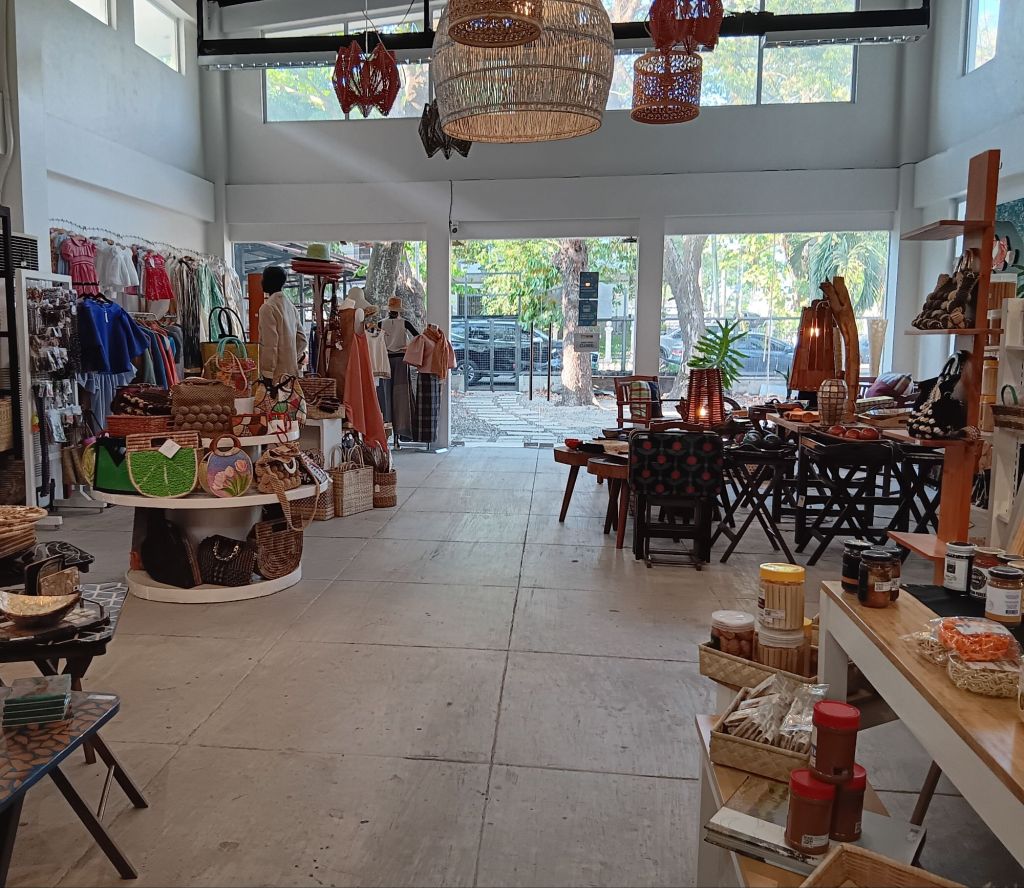
A small side trip at the Negros Showroom.
The Negros Showroom, established in 1987, serves as a showcase for the finest products of Negros Occidental, Philippines. Initially conceived as a platform to promote local craftsmanship and entrepreneurship, it has evolved into a premier destination for quality Negrense goods, ranging from handicrafts and furniture to food and fashion. Over the years, the Negros Showroom has played a pivotal role in supporting local artisans, preserving cultural heritage, and fostering economic development in the region.
3. APPETIZERS: Ayala Mall Capitol Central
Situated at the heart of Negros Occidental, Ayala Malls Capitol Central embraces the local culture by spotlighting top homegrown concepts. Elevating the shopping journey with a blend of local flair and international selections, it offers distinctive features such as Fiesta Negrense, Central Hall, Food Choices, Central Bazaar, Chapel, and Corte, making it an ideal venue for commemorating achievements, milestones, and intimate gatherings.
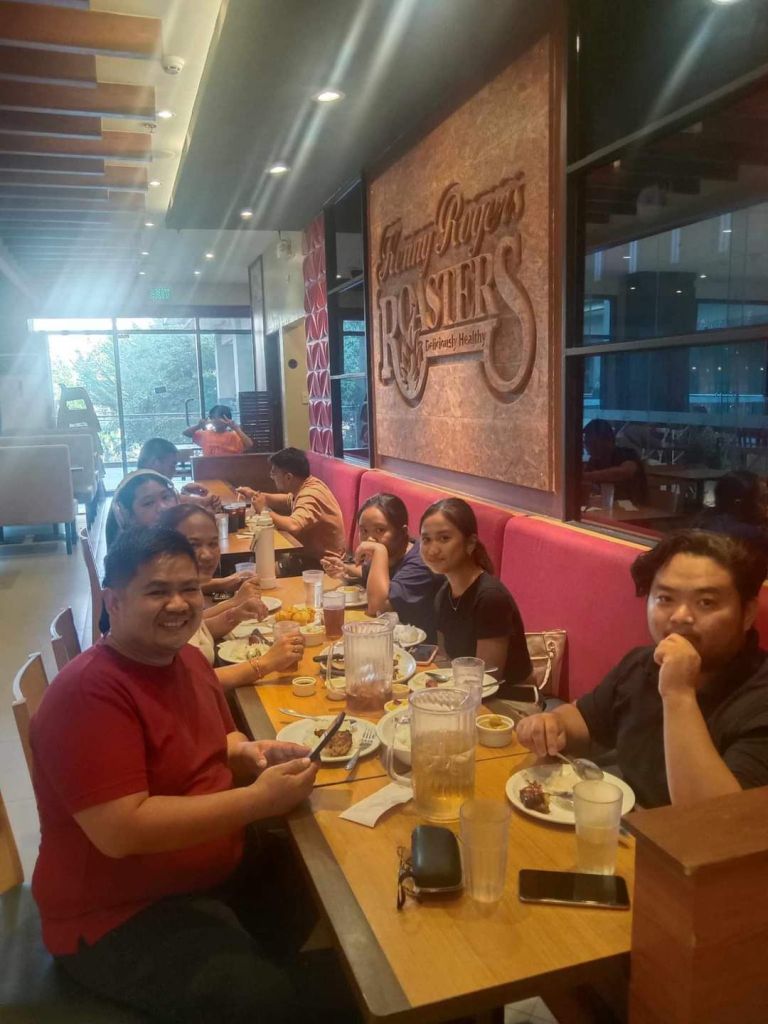
We end our short yet productive adventure with Kenny Rogers Roasters. Enjoying some grilled delights and sidings!
Ayala Mall Capitol Central Facebook link
https://www.facebook.com/AyalaMallsCapitolCentralOfficial?mibextid=ZbWKwL
So here you go, 3 things to do around Ayala Mall Capitol Central! Its not your typical Malling afternoon, but a relaxing dive to arts, animals and appetizers.



 Doc John's Travel History