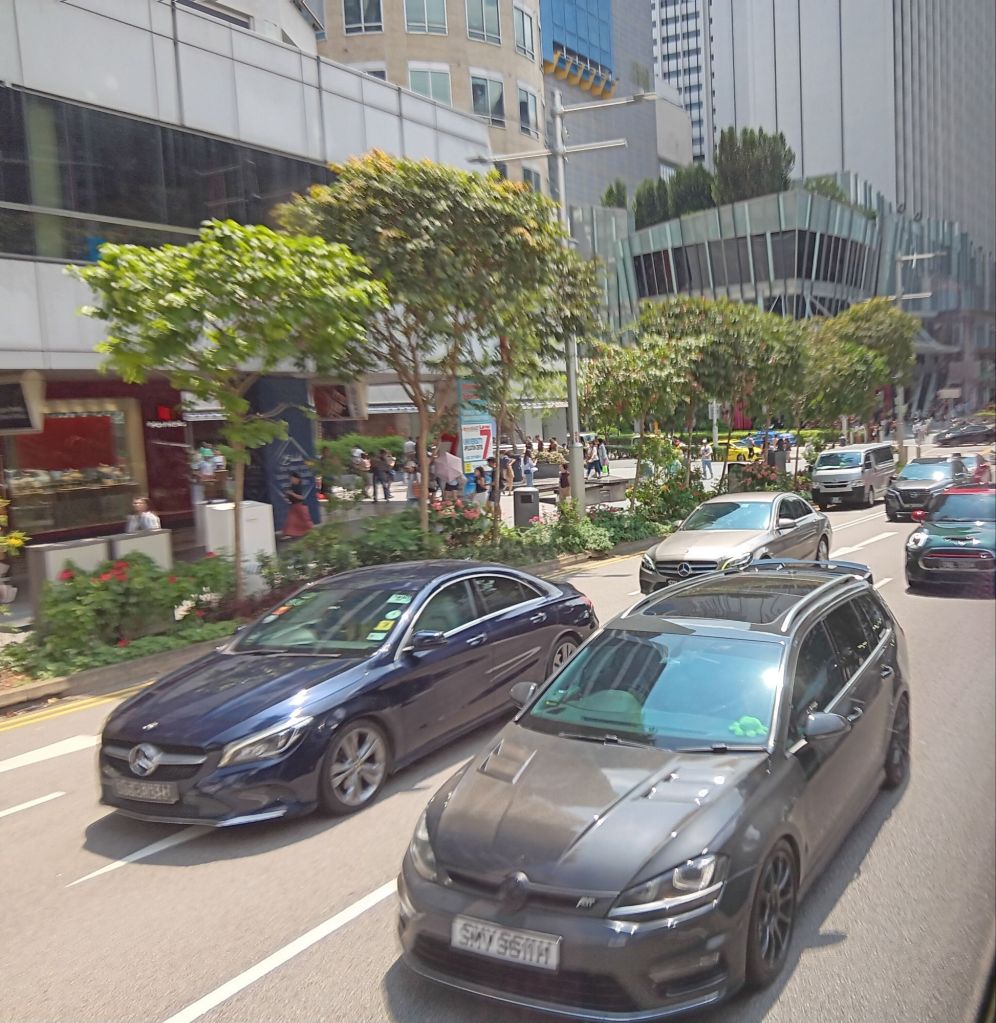
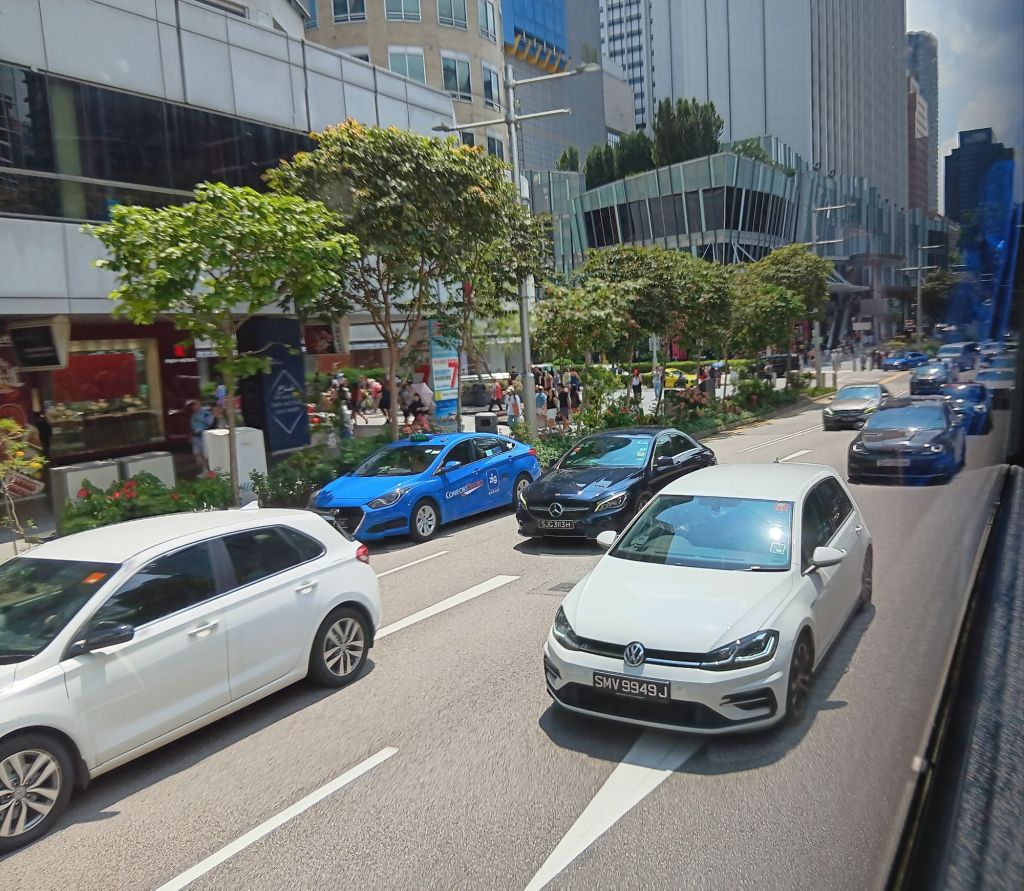
In the bustling city-state of Singapore, where space is limited and traffic congestion is a daily challenge, owning a vehicle is a privilege tightly regulated by the government through the Certificate of Entitlement (COE) system. This blog aims to unravel the intricacies of the COE system, providing insights for both residents and visitors alike.
Understanding the COE System
1. Purpose and Functionality: The COE system was introduced in 1990 as a measure to control the burgeoning number of vehicles on Singapore’s roads. It aims to regulate vehicle population growth and curb traffic congestion by imposing a limit on the number of vehicles allowed for registration.
2. COE Categories: There are five categories of COEs, each corresponding to a specific vehicle type: Category A (passenger cars up to 1600cc and 97kW), Category B (passenger cars above 1600cc or 97kW), Category C (goods vehicles and buses), Category D (motorcycles), and Category E (open category for any vehicle type).
3. Bidding Process: COEs are obtained through a bidding process conducted by the Land Transport Authority (LTA). Bidders specify the maximum amount they are willing to pay for a COE in their chosen category. Bids are accepted during specified bidding periods, and successful bidders are determined based on the bid amount and prevailing quota.
Factors Affecting COE Prices
1. Supply and Demand Dynamics: COE prices are highly influenced by supply and demand dynamics. Factors such as economic conditions, population growth, and changes in vehicle ownership policies can impact the number of COEs available and the demand for them.
2. Economic Conditions: During periods of economic prosperity, COE prices tend to rise as consumers have greater purchasing power. Conversely, during economic downturns, COE prices may decrease due to reduced consumer spending.
3. Government Policies: Changes in government policies, such as adjustments to vehicle taxes or incentives for public transportation use, can affect COE prices. For example, incentives for electric vehicles may lead to higher demand for Category A COEs, driving up their prices.
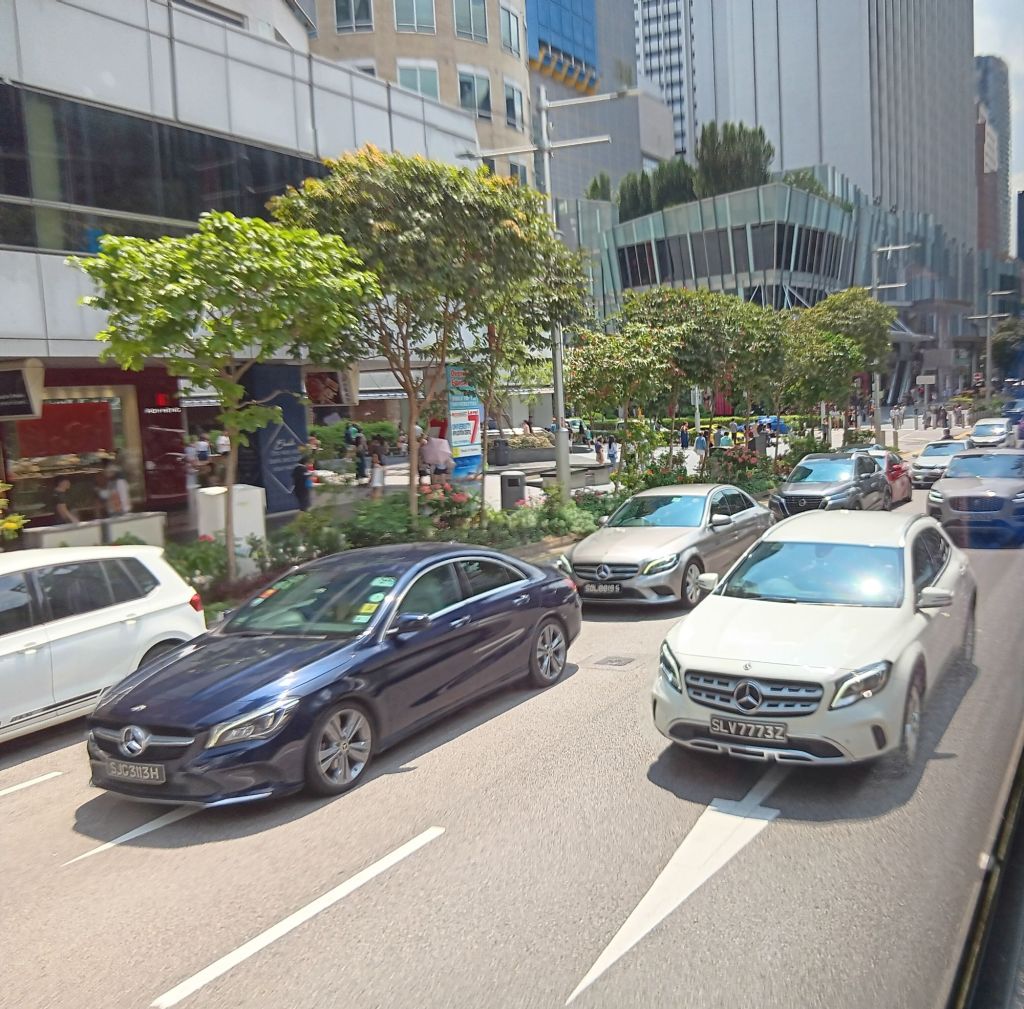
Implications for Drivers
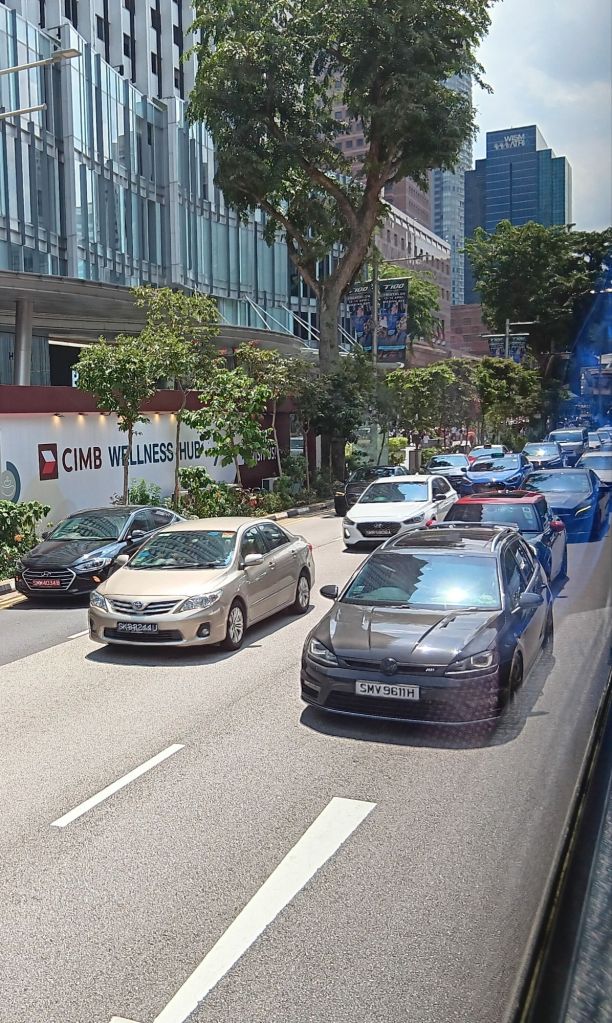
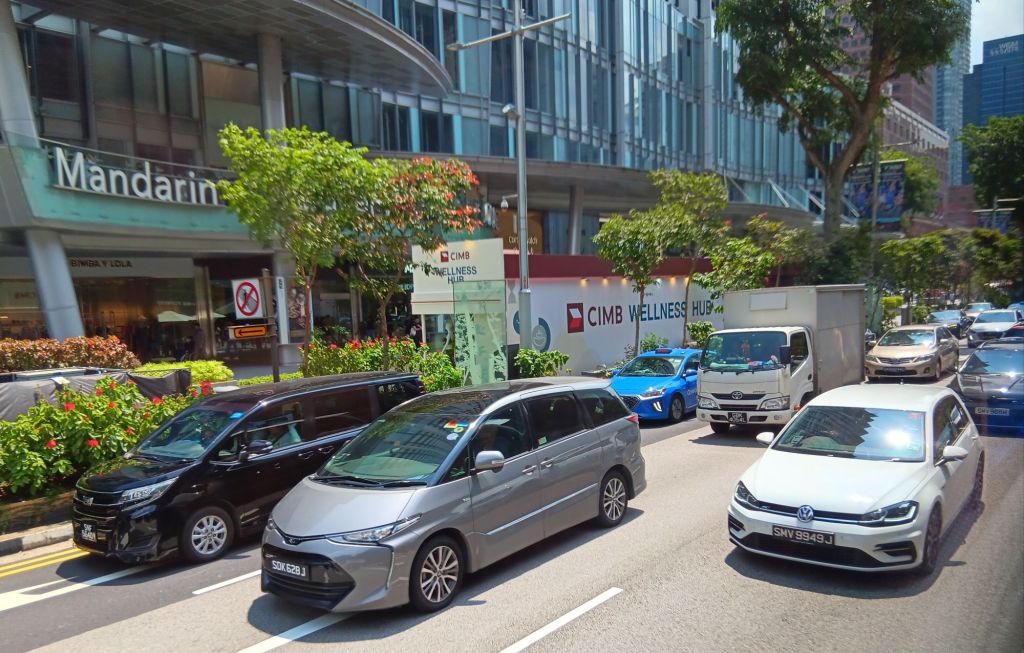
1. Financial Considerations: COE prices can constitute a significant portion of the overall cost of owning a vehicle in Singapore. Prospective buyers should factor in COE expenses when budgeting for a vehicle purchase.
2. Alternative Transportation Options: Given the high cost of vehicle ownership, residents may opt for alternative transportation options such as public transit, cycling, or car-sharing services to mitigate expenses.
3. Planning and Strategy: For individuals planning to purchase a vehicle, it’s essential to strategize and monitor COE trends to identify favorable bidding opportunities and optimize costs.
Conclusion
In Singapore’s dynamic urban landscape, the COE system plays a crucial role in managing vehicle population growth and traffic congestion. Understanding how the COE system operates and its implications for drivers is essential for navigating the complexities of vehicle ownership in the city-state. By staying informed and adapting to changing market conditions, drivers can make informed decisions that align with their transportation needs and financial goals.

 Doc John's Travel History