Singapore, a gleaming metropolis of modernity and progress, carries a layered history deeply marked by colonialism. From the arrival of the British in the early 19th century to its independence in 1965, colonial rule has left an indelible imprint on the socio-political, economic, and cultural landscape of the island nation. In this blog, we’ll delve into the intricacies of colonialism in Singapore, exploring its impact and legacy that continues to shape the nation’s identity.
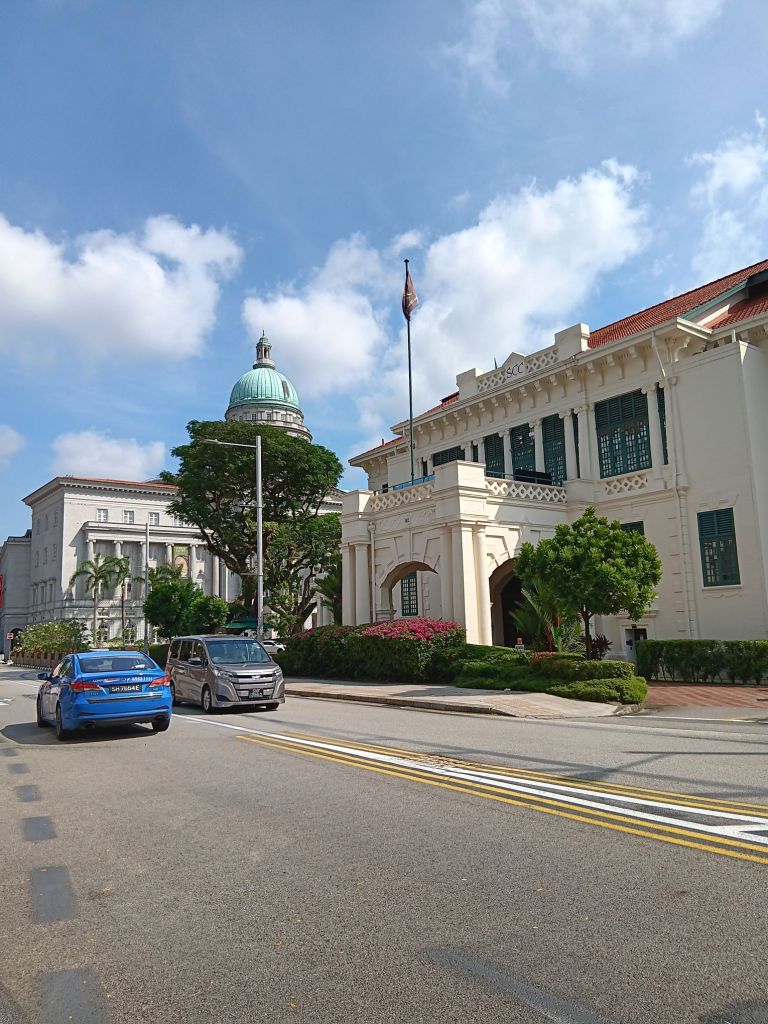
The Arrival of the British
The story of colonialism in Singapore begins with the arrival of Sir Stamford Raffles in 1819, marking the establishment of a British trading post. Initially, Singapore served as a strategic port for the British East India Company, facilitating trade routes in the region. Under British rule, Singapore flourished as a bustling hub of commerce, attracting migrants from various parts of Asia and beyond.
Economic Exploitation and Social Hierarchies
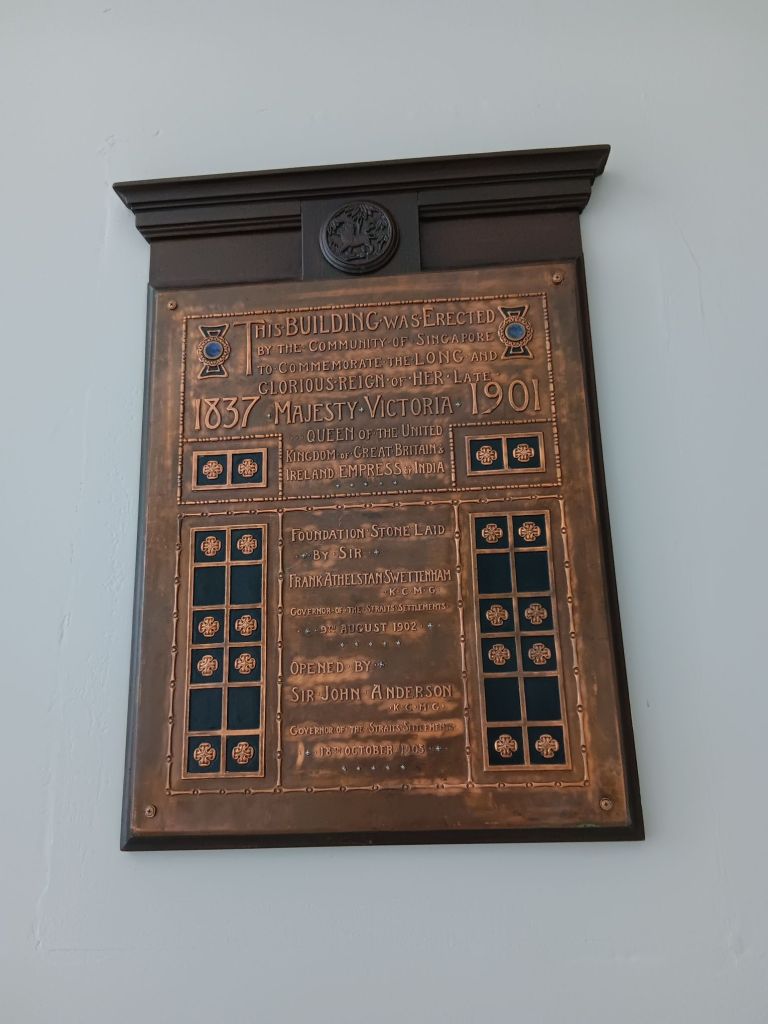
The colonial period was characterized by economic exploitation, with the British implementing policies that favored their interests at the expense of the local population. Plantations were established, exploiting labor mainly from China, India, and the Malay Archipelago. This led to the formation of distinct social hierarchies based on race and class, with the British colonial elite occupying the highest rungs of society
Economic Exploitation and Social Hierarchies
The colonial period was characterized by economic exploitation, with the British implementing policies that favored their interests at the expense of the local population. Plantations were established, exploiting labor mainly from China, India, and the Malay Archipelago. This led to the formation of distinct social hierarchies based on race and class, with the British colonial elite occupying the highest rungs of society
Cultural Assimilation and Resistance
Colonialism brought about a process of cultural assimilation, as British ideals and institutions were imposed on the local populace. English became the lingua franca, and Western education was promoted, leading to a gradual erosion of indigenous languages and traditions. However, resistance to colonial rule also emerged, with movements advocating for self-governance and independence gaining momentum in the early 20th century.
Impact on Governance and Urban Development
The colonial administration introduced a system of governance that laid the foundations for Singapore’s modern state apparatus. However, it also entrenched authoritarian practices and limited political representation for the majority of the population. Urban development during this period was characterized by segregation, with distinct ethnic enclaves and disparities in infrastructure and amenities.
Legacy and Contemporary Reckoning
The legacy of colonialism continues to reverberate in Singapore’s socio-political landscape. While the nation has achieved remarkable progress since gaining independence, issues such as racial tensions, economic inequality, and debates over national identity persist. Efforts to confront and reckon with this legacy are ongoing, with initiatives to preserve cultural heritage, promote inclusivity, and address historical injustices.

Unveiling the Legacy: The Stamford Raffles Statue
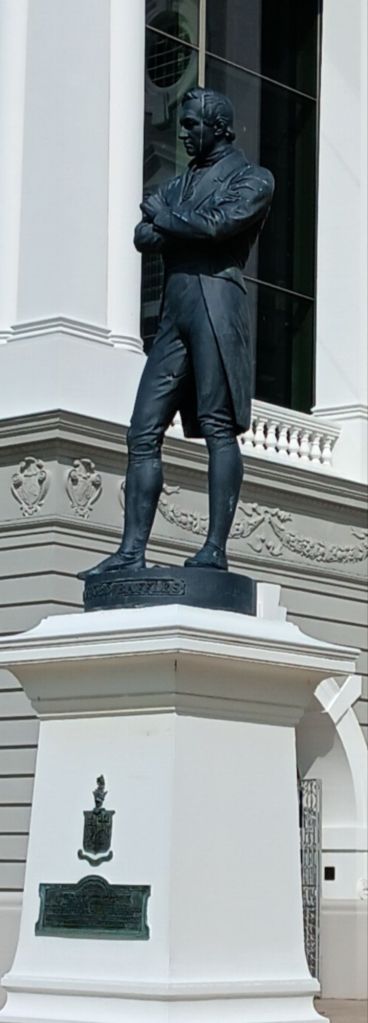
In the heart of Singapore’s bustling metropolis stands a silent sentinel of history: the Stamford Raffles statue. Erected to honor the British statesman who laid the foundation for modern Singapore, this statue symbolizes the city-state’s rich heritage and the enduring legacy of its founding father.
As visitors traverse the Raffles Landing Site, they are greeted by the imposing figure of Sir Stamford Raffles, cast in bronze and frozen in time. With one arm outstretched, he gestures towards the horizon, as if envisioning the future prosperity of the land he helped shape. His stoic expression reflects the determination and vision that propelled him to transform a humble fishing village into a thriving global hub.
The significance of the Stamford Raffles statue transcends mere commemoration; it serves as a reminder of Singapore’s humble beginnings and its journey towards nationhood. Raffles’ arrival in 1819 marked a pivotal moment in history, sparking a series of events that would forever alter the destiny of the island.
Yet, the statue also sparks debates and reflections on colonialism and its complex legacy. While Raffles is celebrated for his role in Singapore’s development, his administration’s policies and actions have been scrutinized for their impact on indigenous communities and socio-economic inequalities.
Nevertheless, the Stamford Raffles statue endures as a symbol of Singapore’s resilience and progress. It stands as a testament to the spirit of innovation and enterprise that defines the nation, inspiring future generations to continue the quest for excellence and inclusivity.
In a rapidly evolving world, where the past often fades into obscurity, the Stamford Raffles statue stands as a timeless monument to Singapore’s heritage and identity. It beckons us to remember, reflect, and reimagine the possibilities that lie ahead, guided by the enduring legacy of a visionary leader
Discovering Elegance and History: Victoria Theatre Singapore
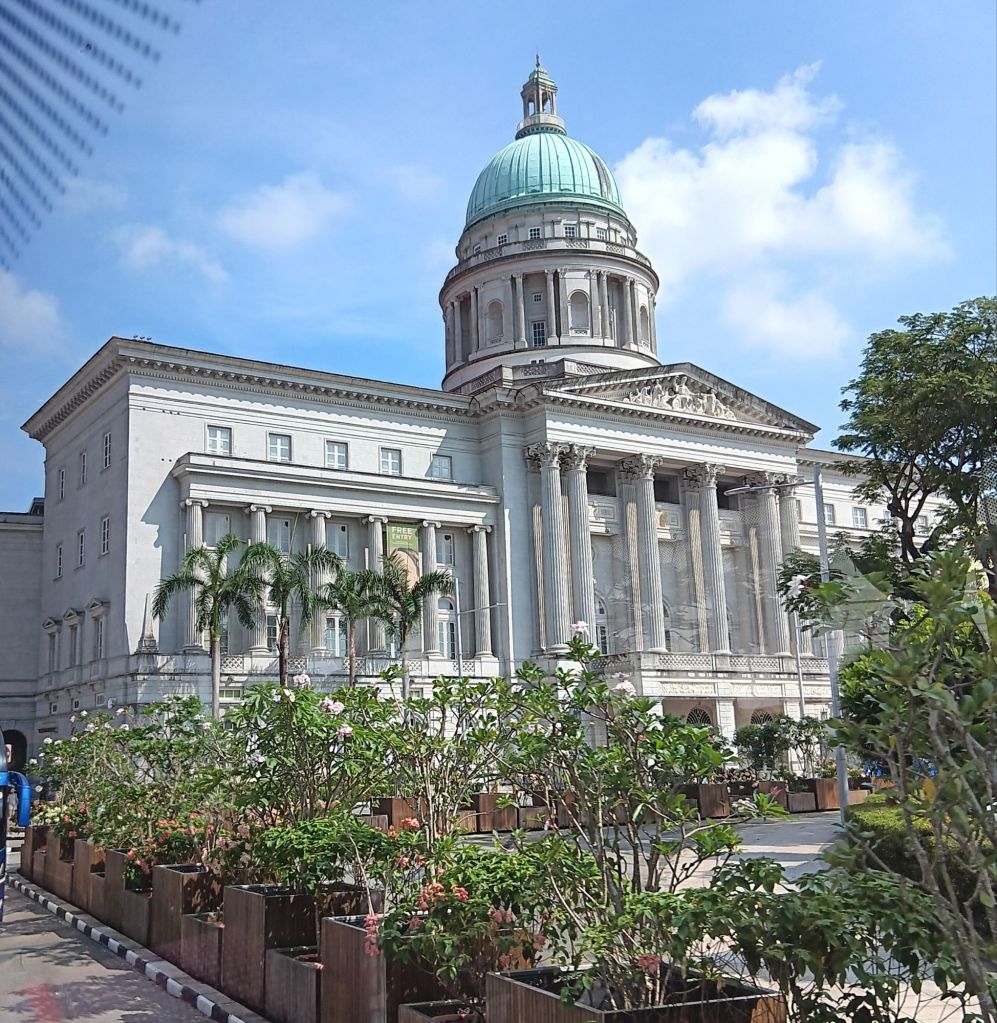
Nestled in the heart of Singapore’s Civic District stands a cultural gem that embodies elegance, history, and the performing arts: the Victoria Theatre. With its iconic neoclassical facade and rich heritage, this grand institution has played a pivotal role in shaping Singapore’s cultural landscape for over a century.
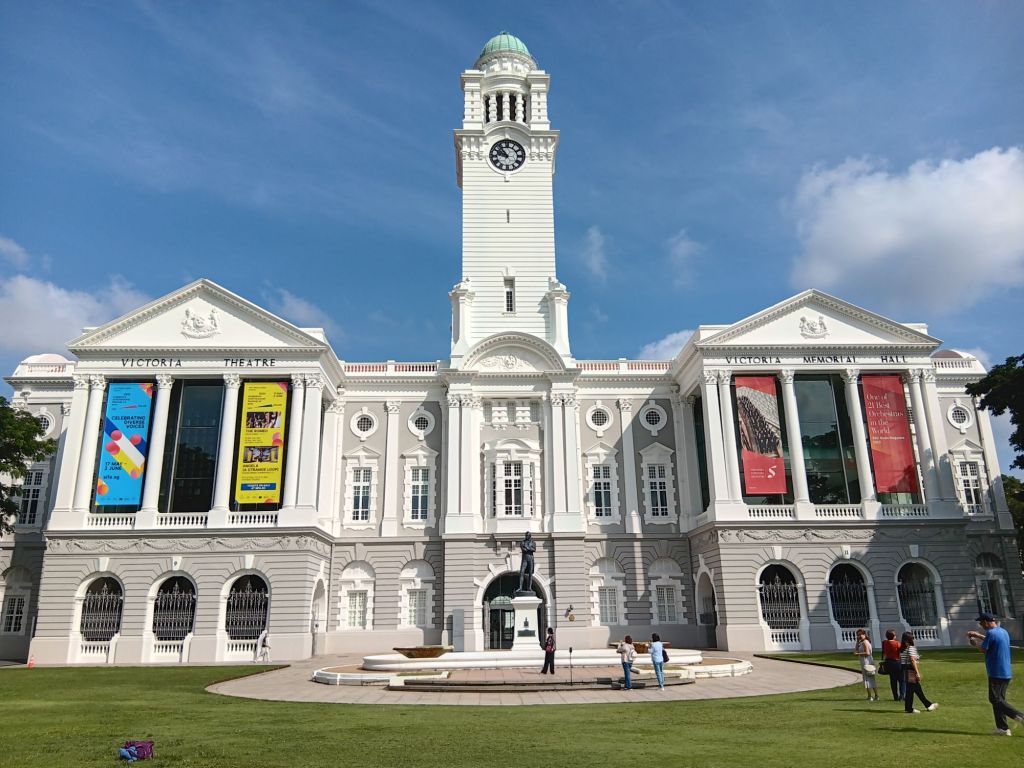
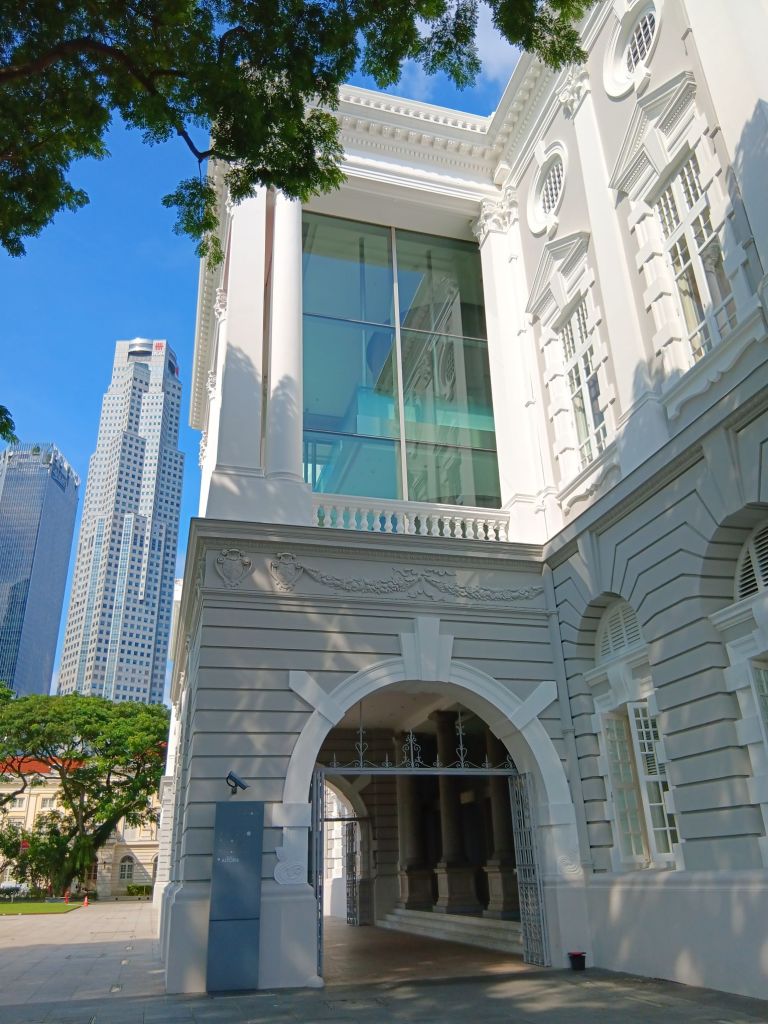
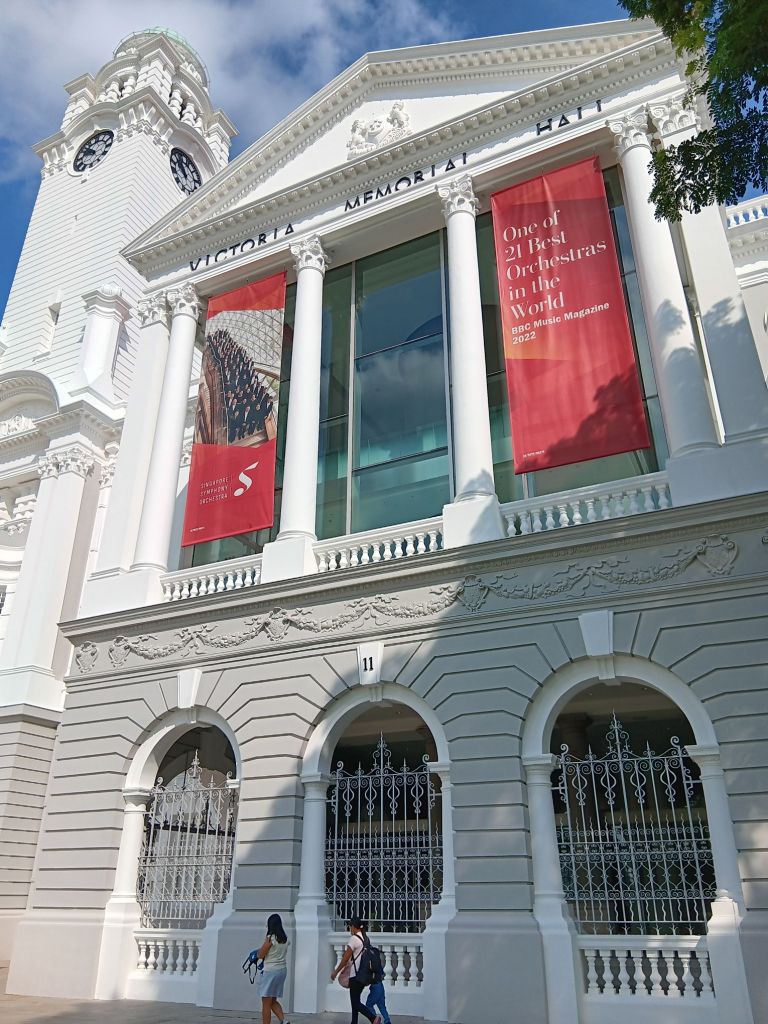

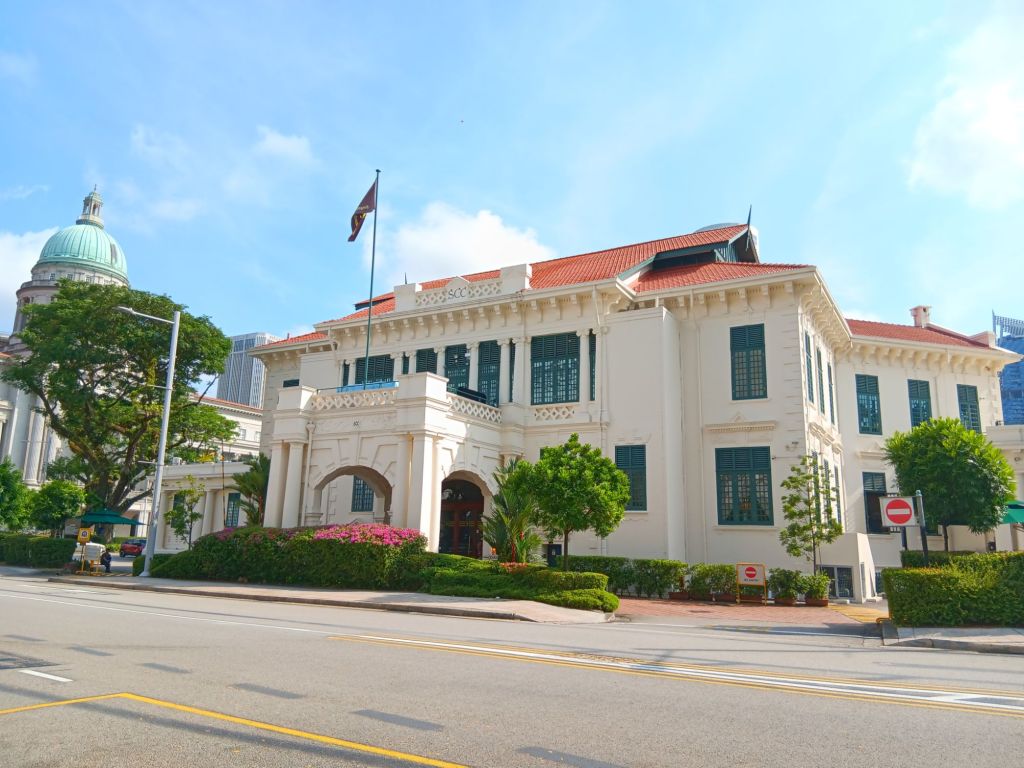
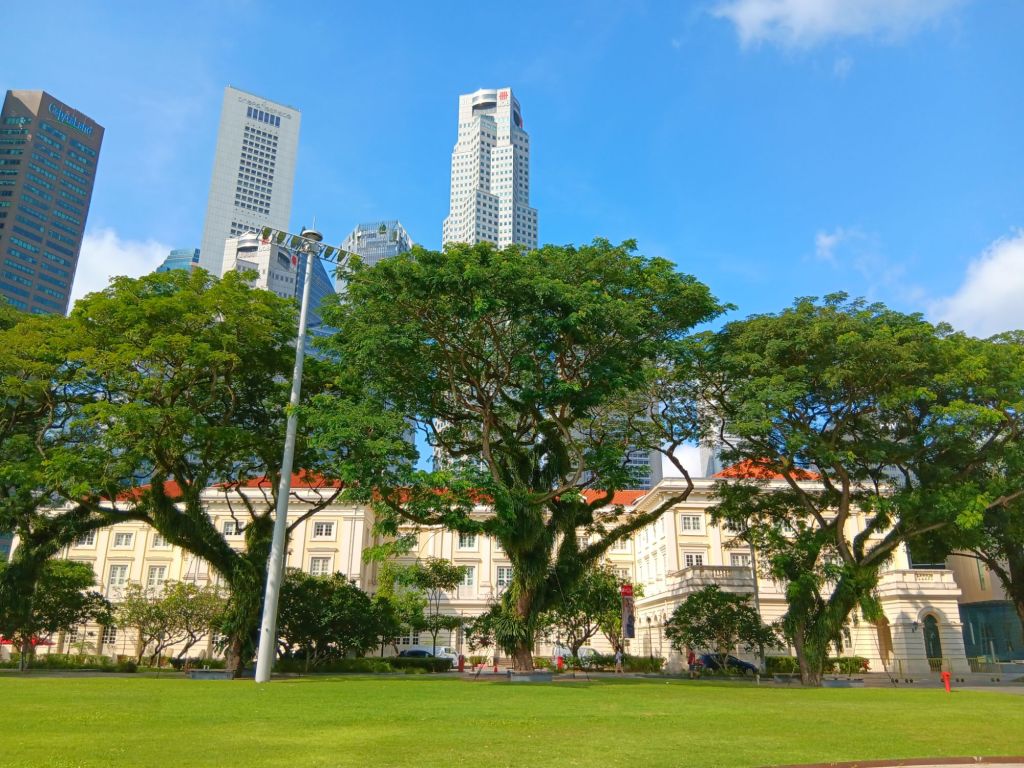
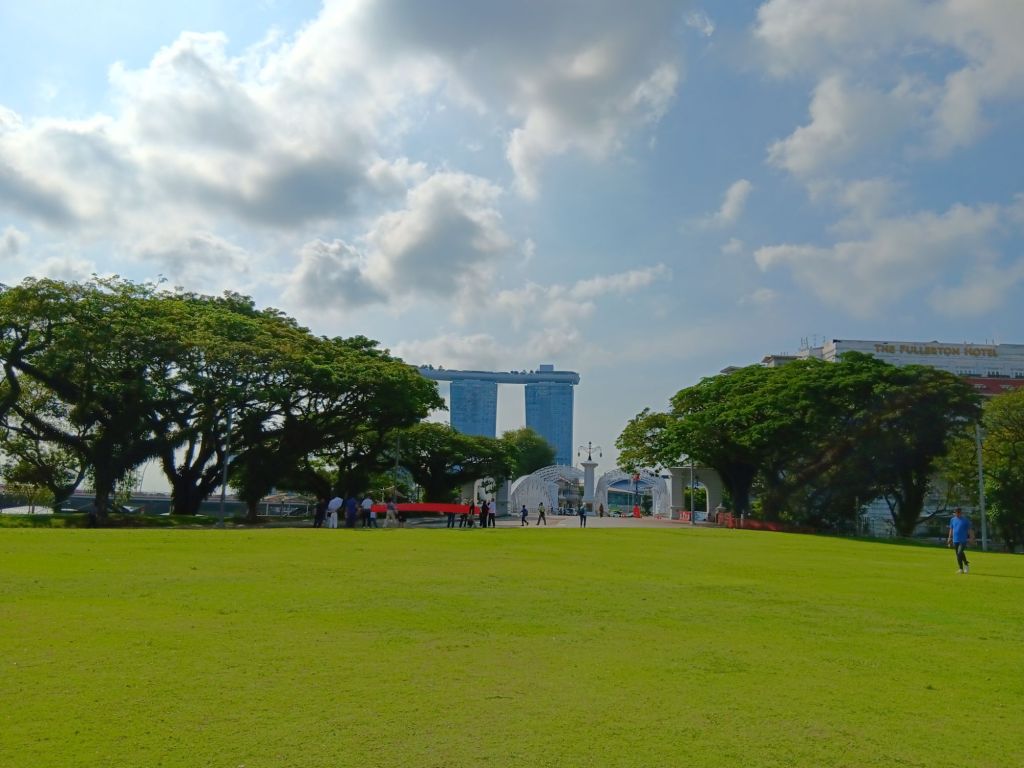
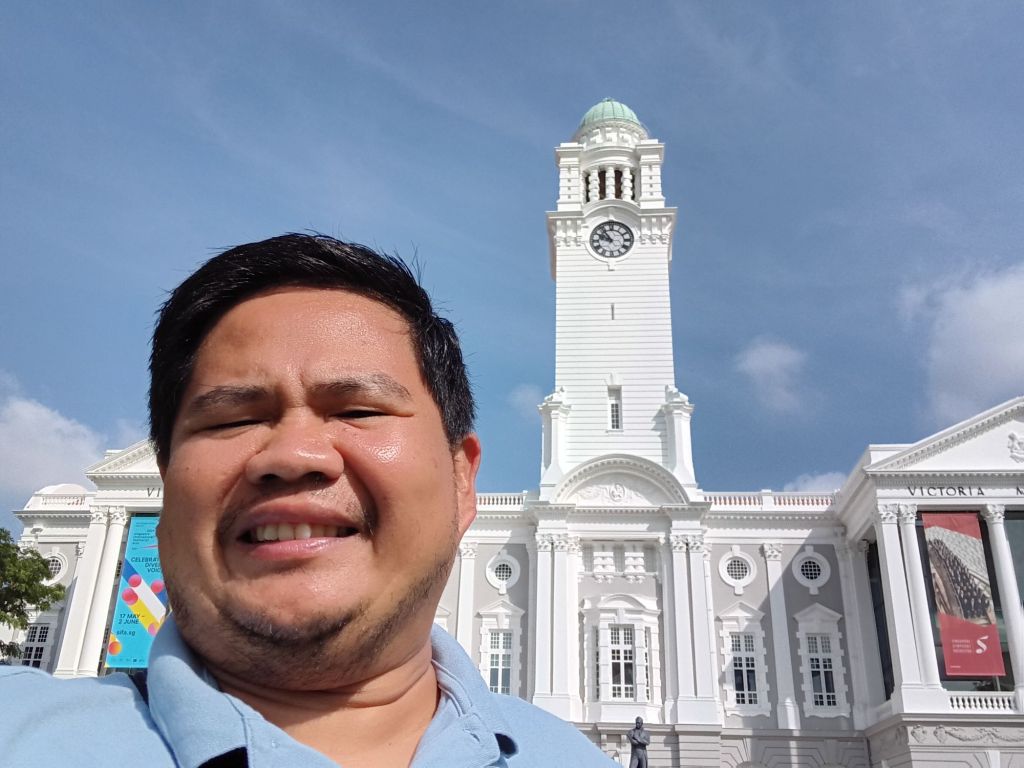
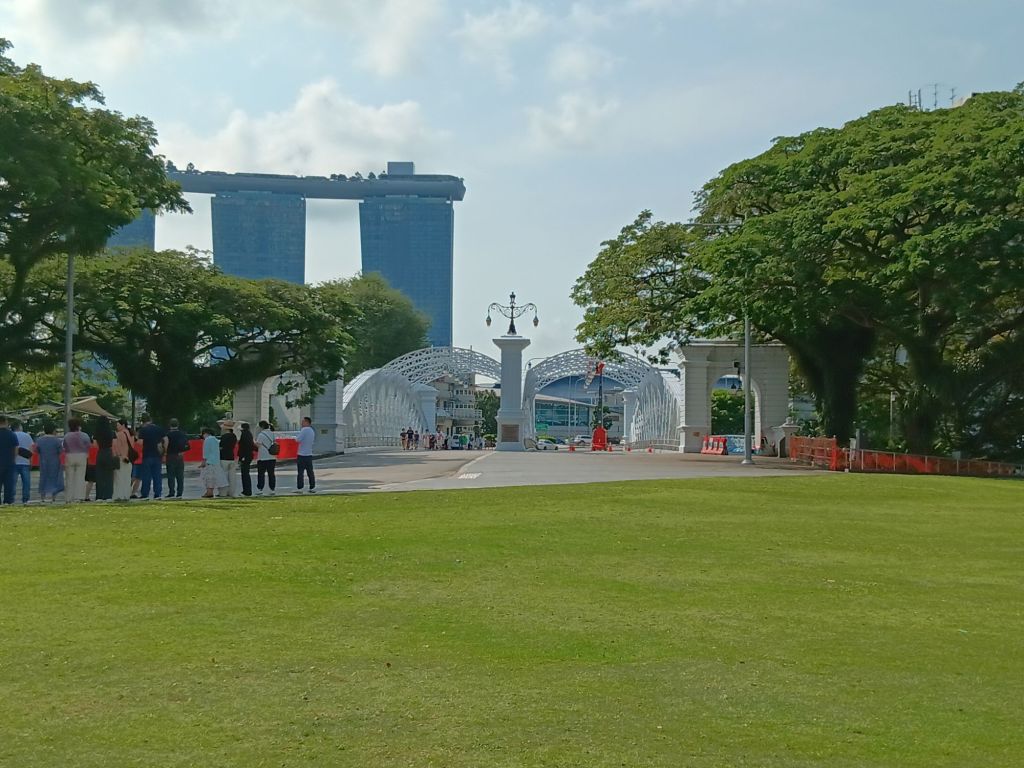

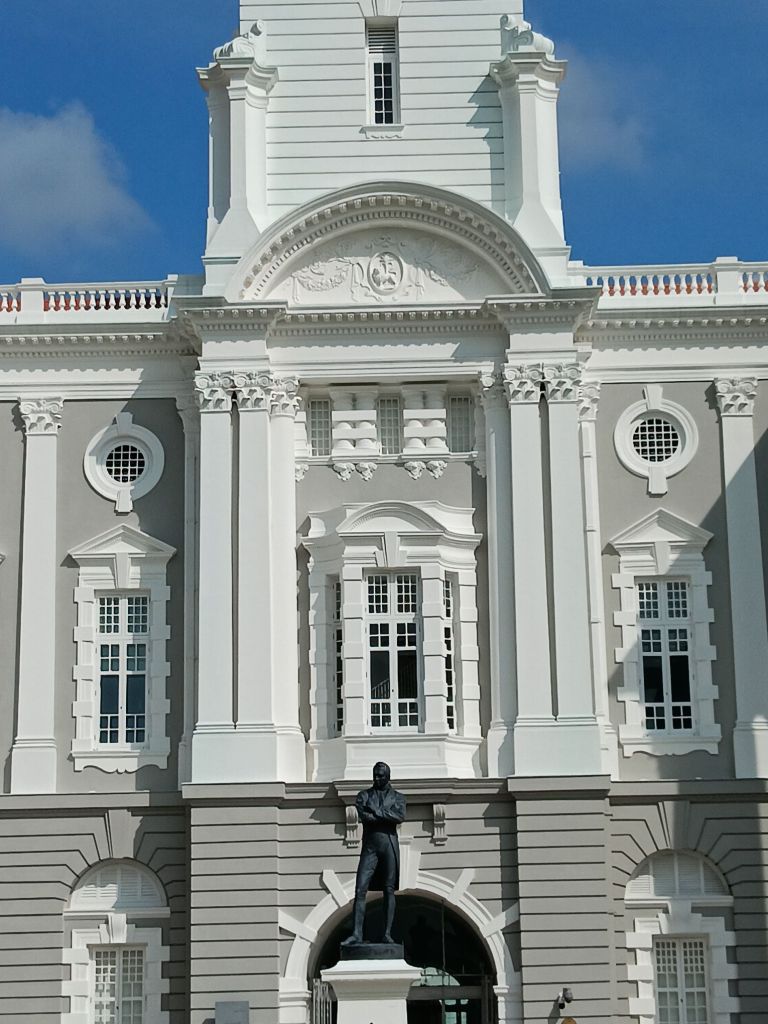

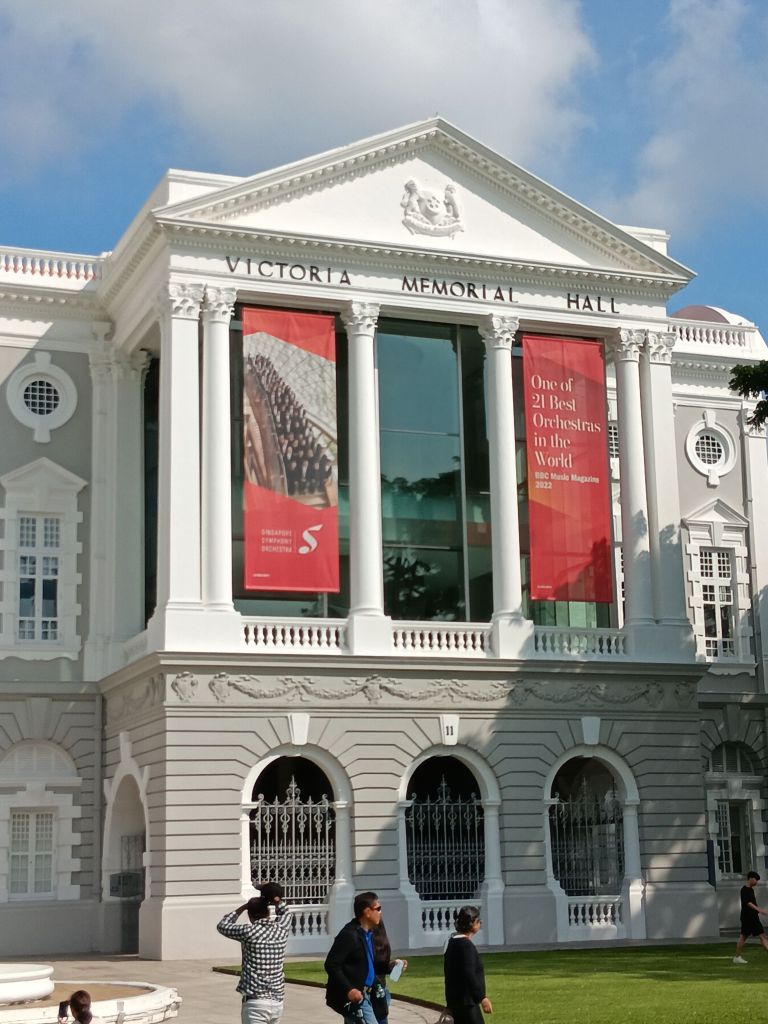


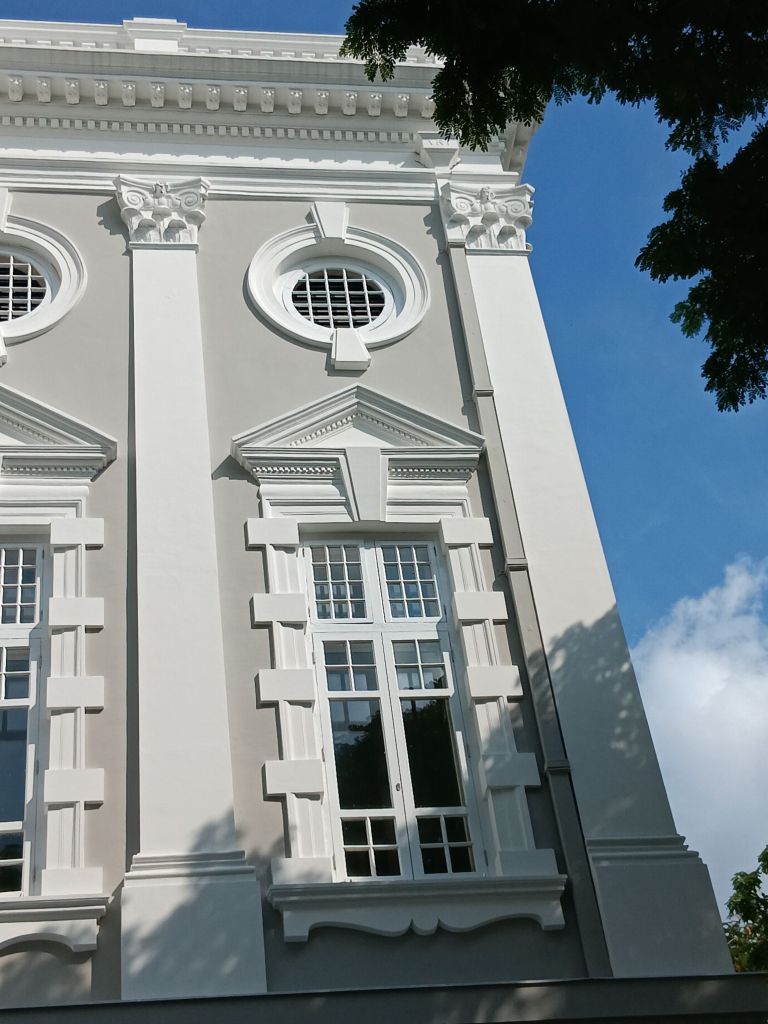
Originally built in 1862 as the Town Hall, the Victoria Theatre has witnessed the city-state’s transformation from colonial outpost to cosmopolitan hub. Its stately architecture, characterized by grand columns and intricate detailing, reflects the architectural trends of its time while exuding timeless charm.
Throughout its illustrious history, the Victoria Theatre has served as a focal point for the arts, hosting a diverse array of performances ranging from classical concerts and theatrical productions to dance recitals and film screenings. Its majestic interior, adorned with ornate chandeliers and plush velvet seats, provides a captivating backdrop for cultural experiences that captivate the senses and enrich the soul.
One of the most iconic features of the Victoria Theatre is its distinctive clock tower, which stands as a symbol of civic pride and heritage. Rising majestically above the surrounding skyline, the clock tower serves as a beacon of timelessness, reminding visitors of the enduring legacy of the arts in Singapore.
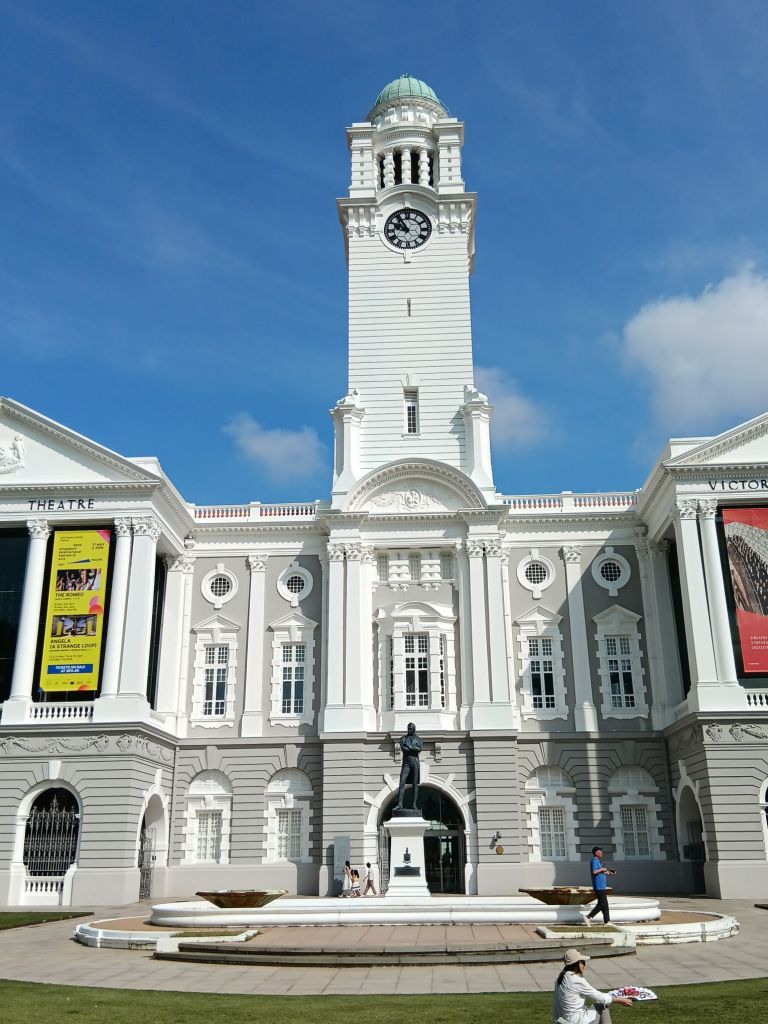
In addition to its cultural significance, the Victoria Theatre also holds a special place in the hearts of Singaporeans as a venue for national celebrations and milestones. From official ceremonies and state functions to public gatherings and commemorations, it has witnessed countless moments of unity and pride, solidifying its status as a cherished national icon.
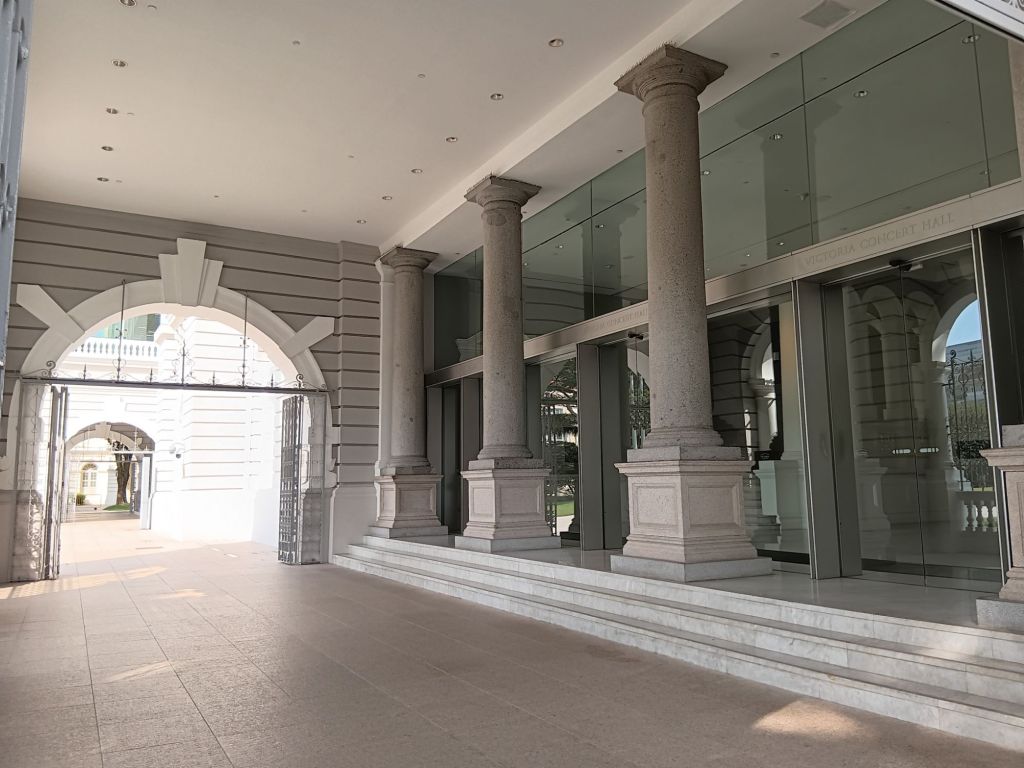
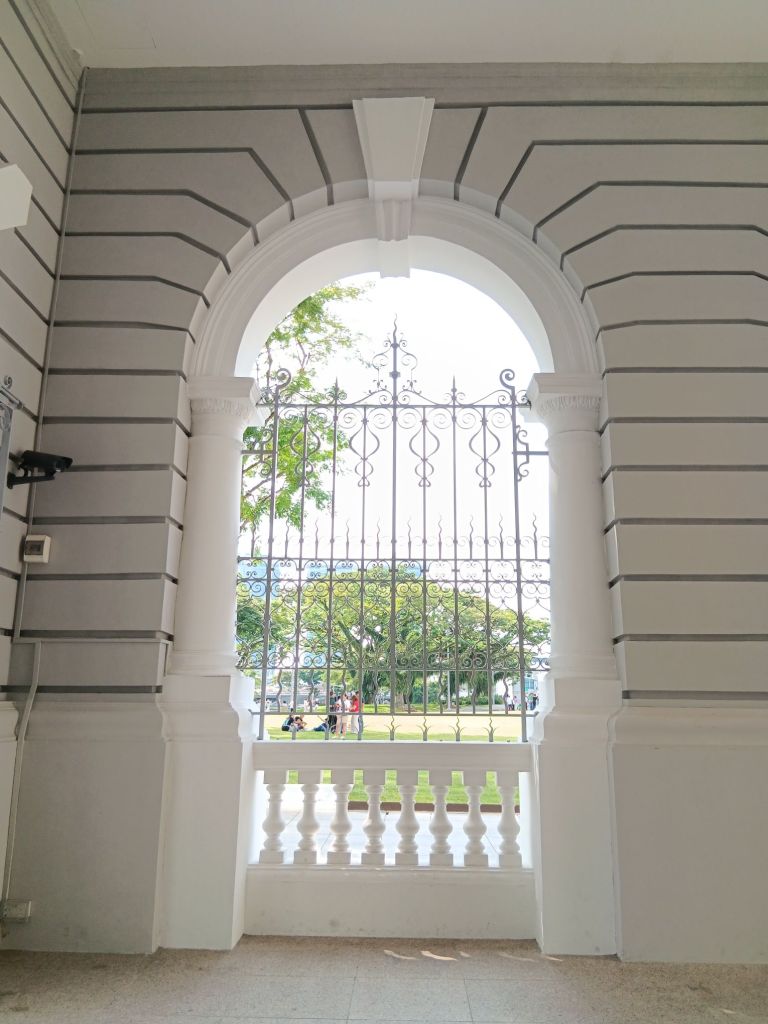
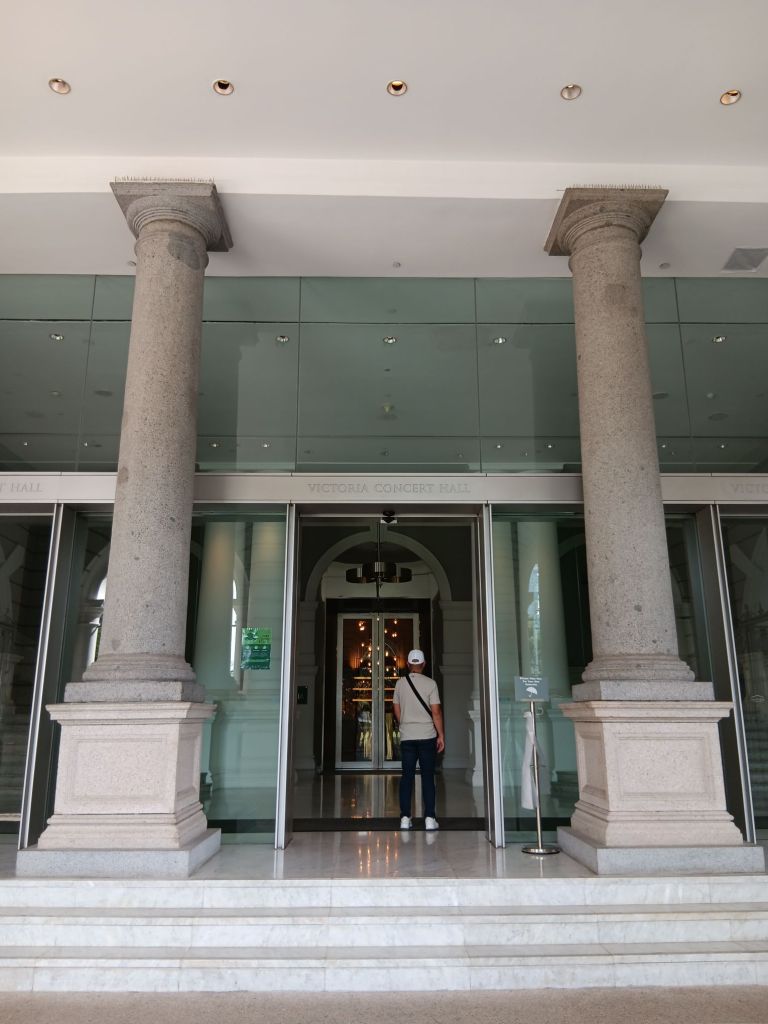
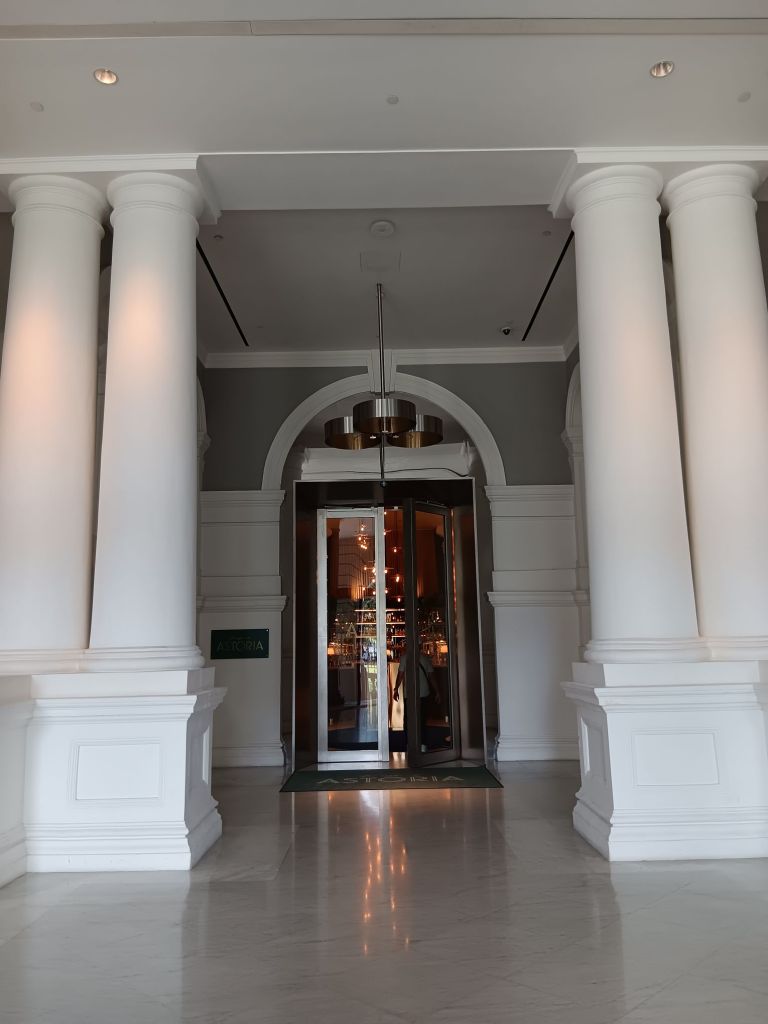
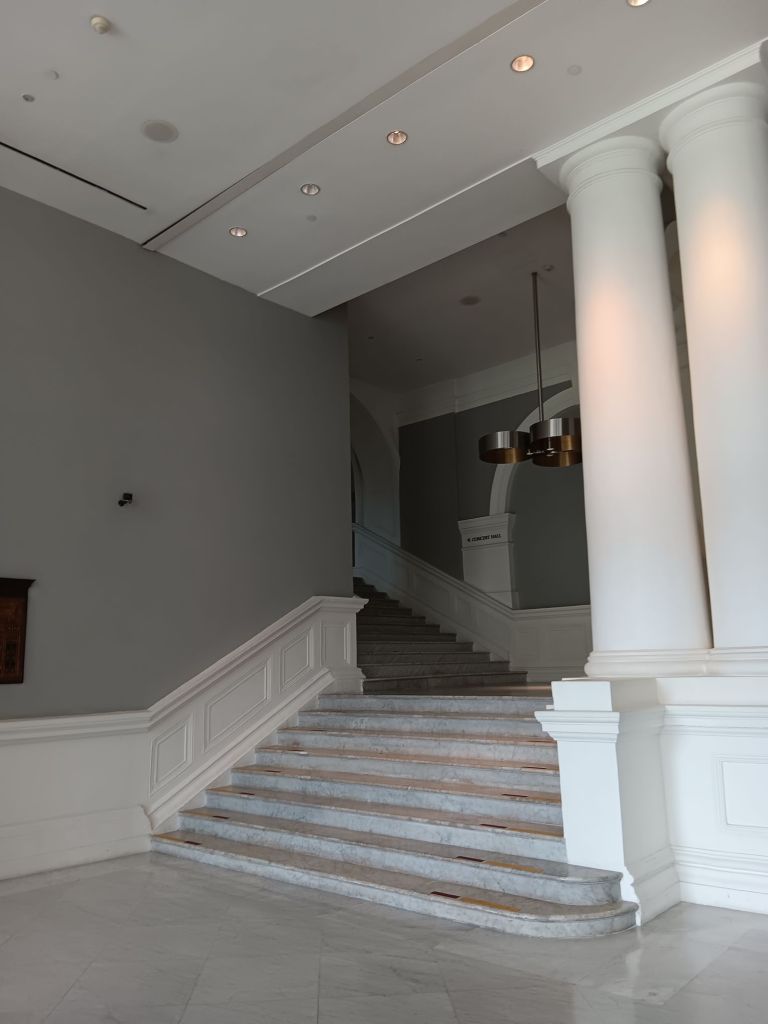
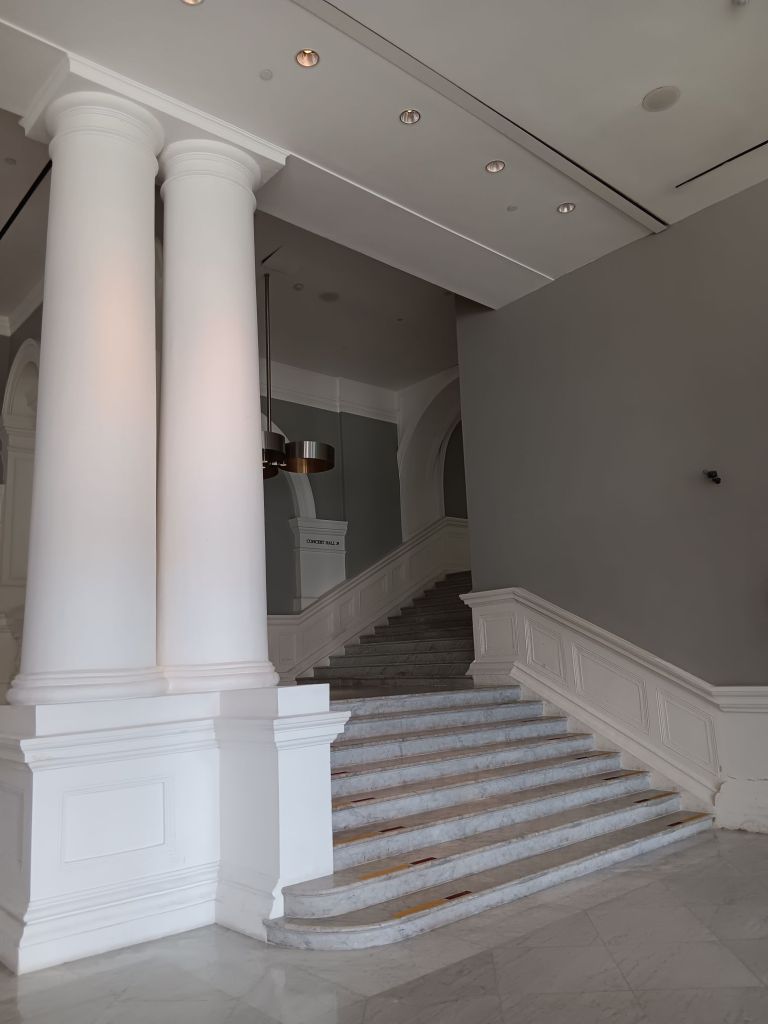
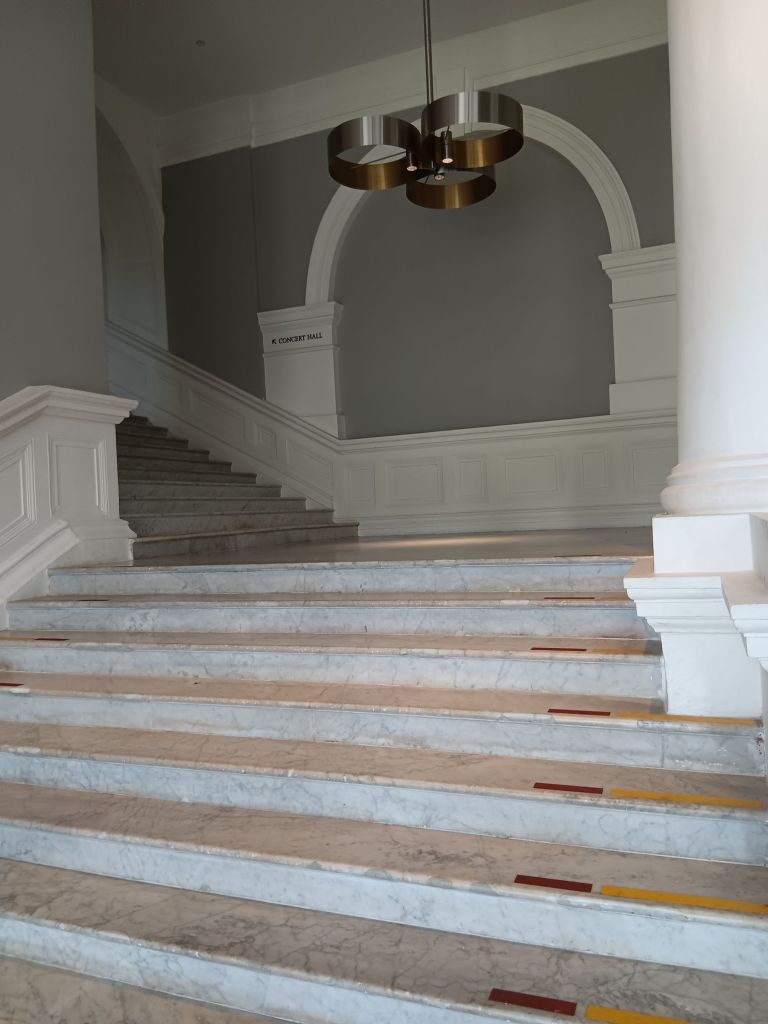
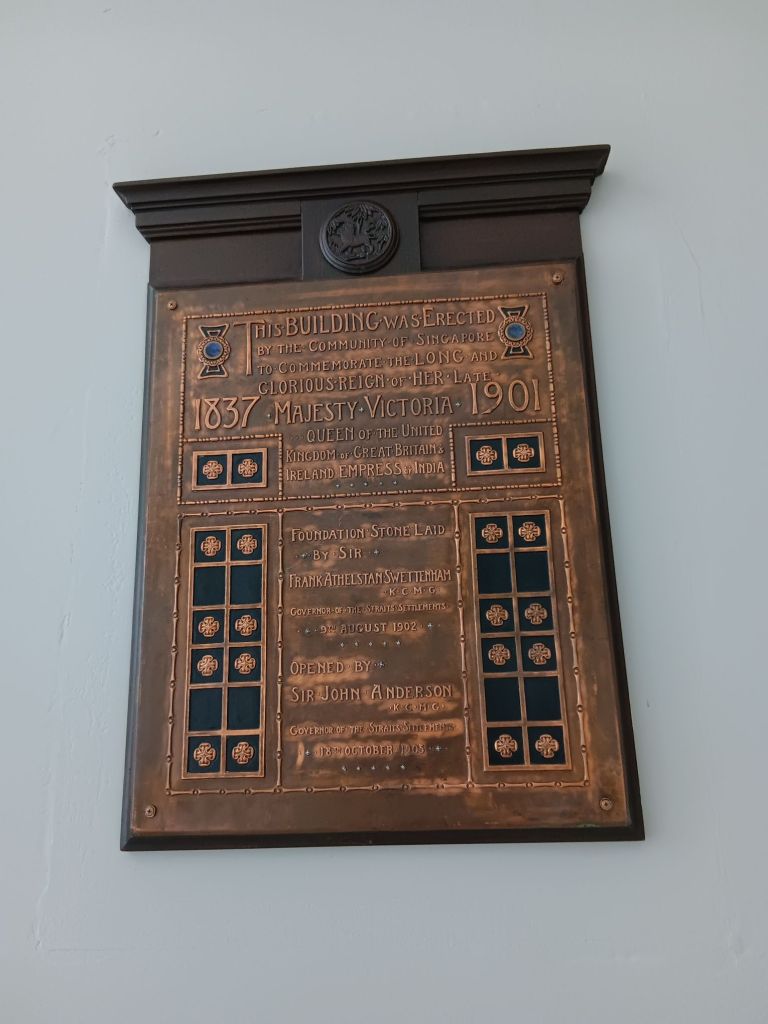
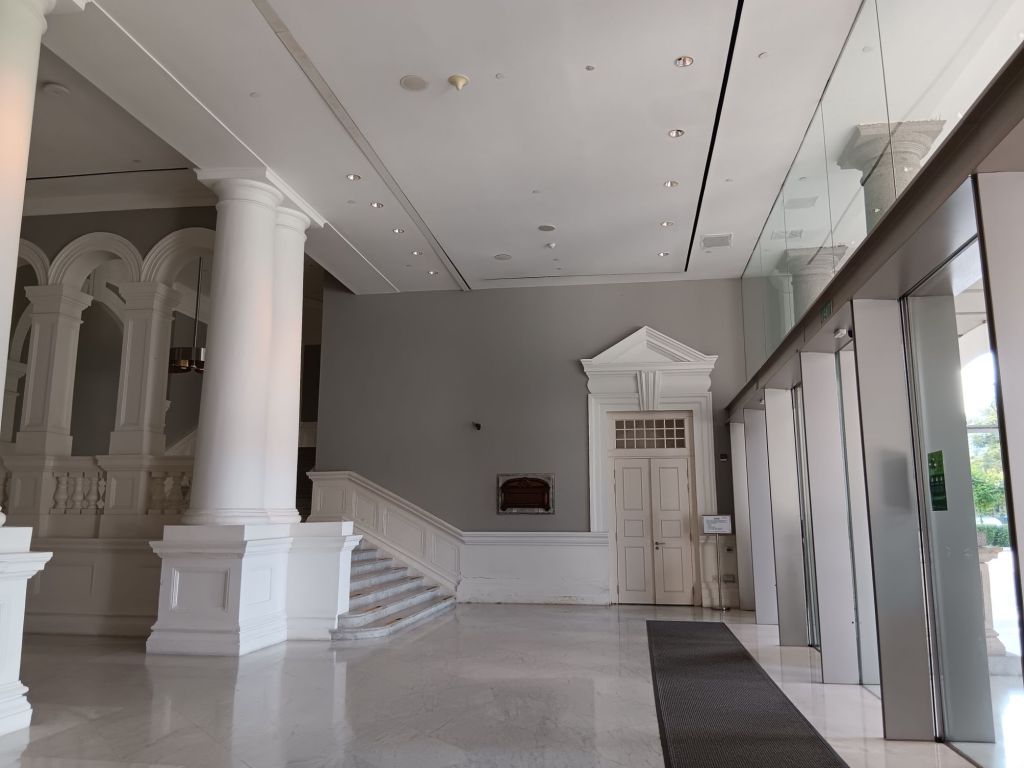
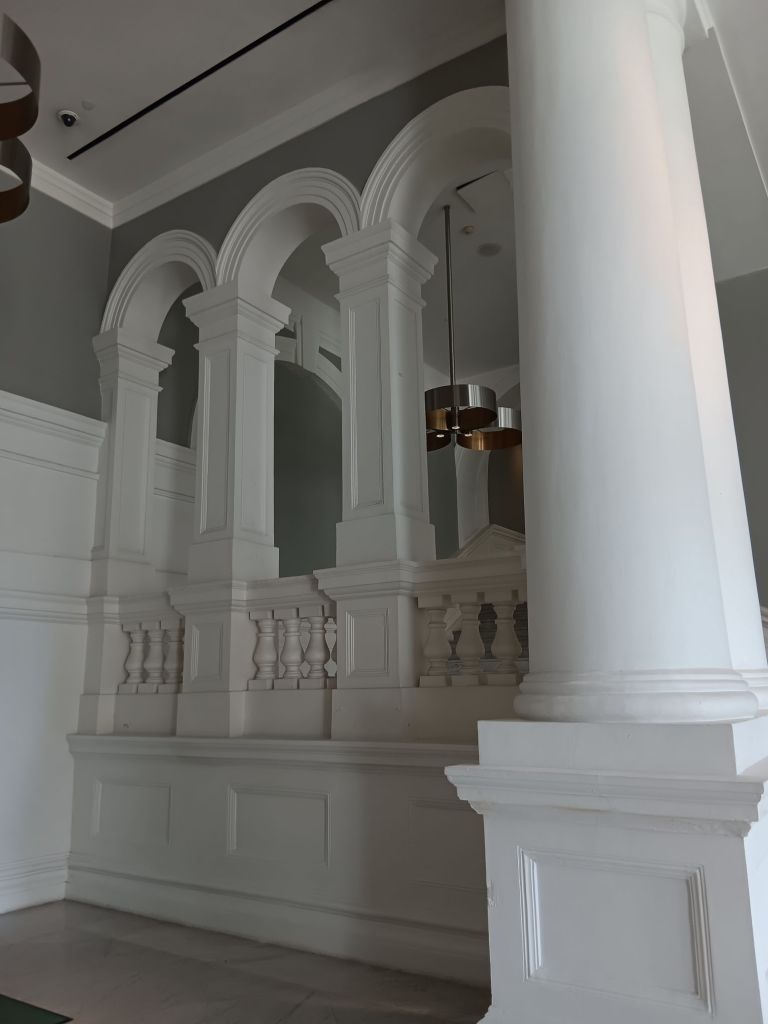
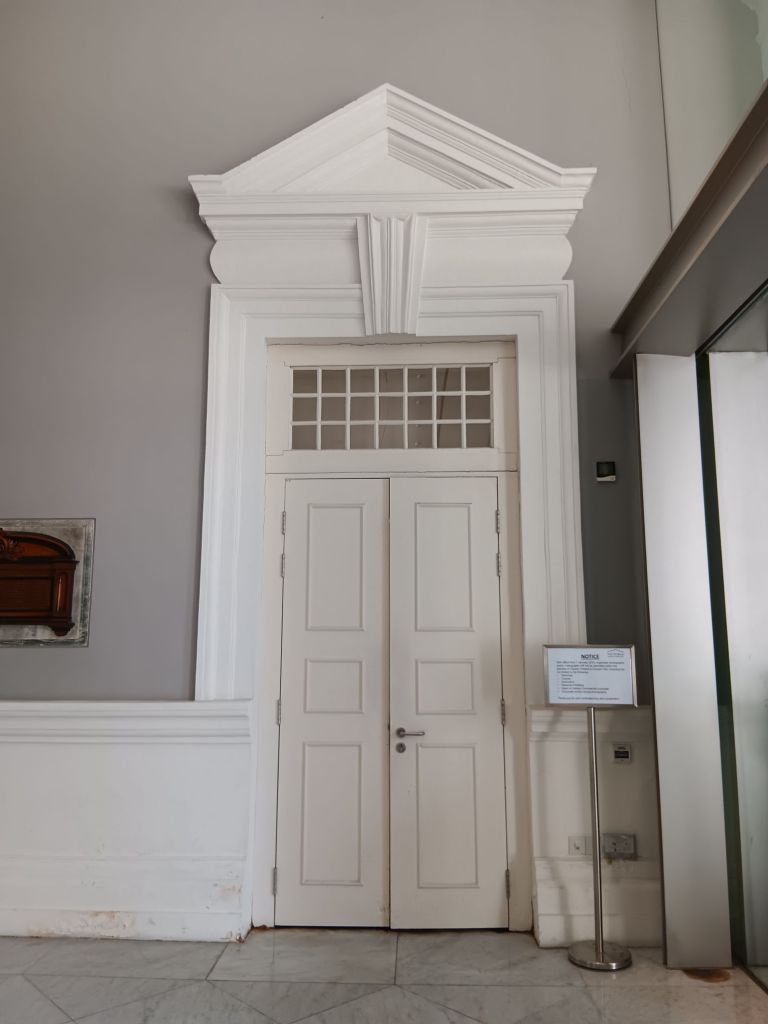
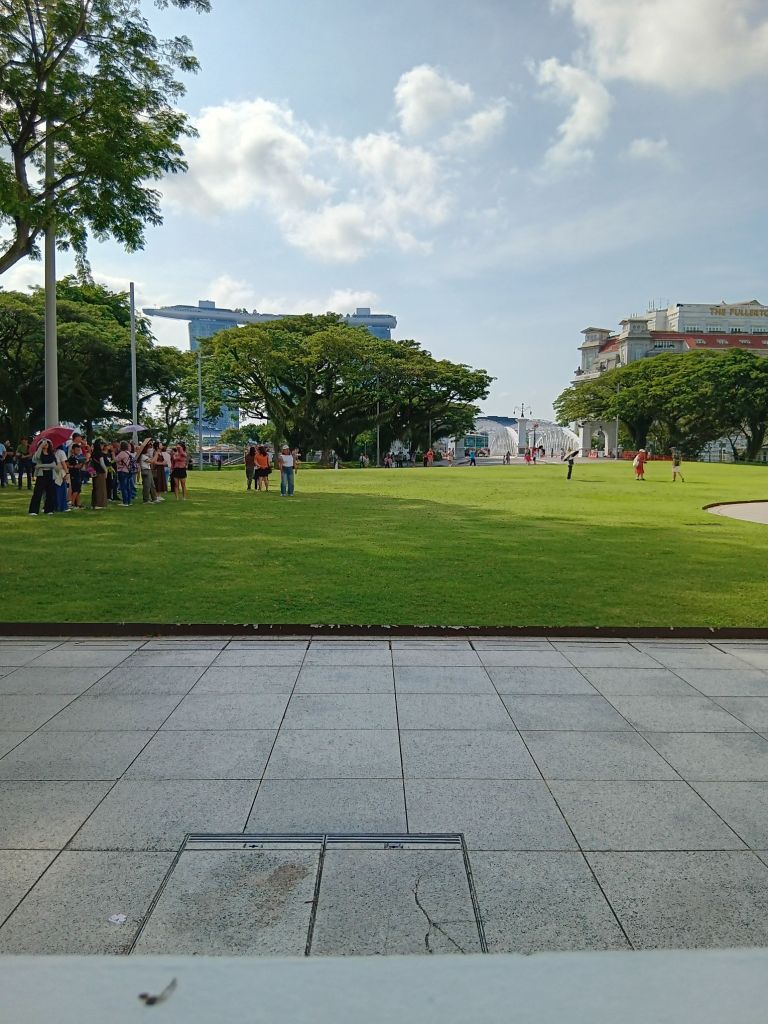
As Singapore continues to evolve and embrace the future, the Victoria Theatre remains a steadfast guardian of tradition and creativity. Its hallowed halls echo with the voices of generations past and present, inspiring a sense of wonder and appreciation for the arts.
Whether you’re a seasoned art enthusiast or a curious visitor eager to explore Singapore’s cultural heritage, a visit to the Victoria Theatre promises an unforgettable journey through time and artistry. Step inside and be transported to a world where elegance meets history, and the magic of the performing arts comes to life in all its splendor.


 Doc John's Travel History