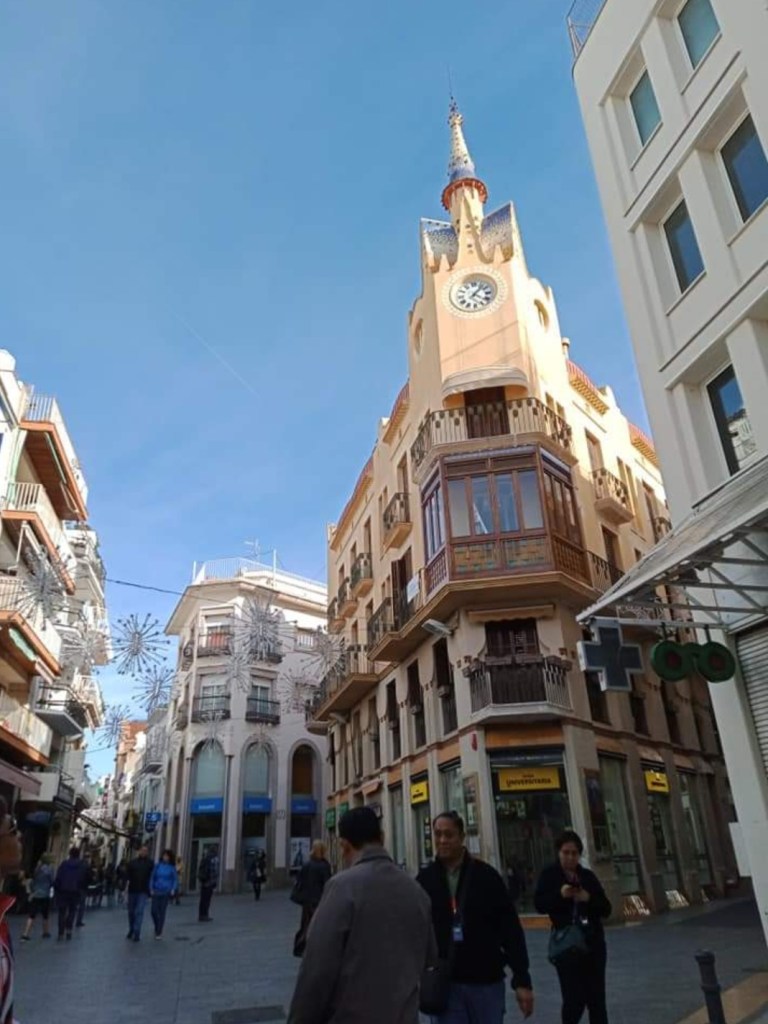
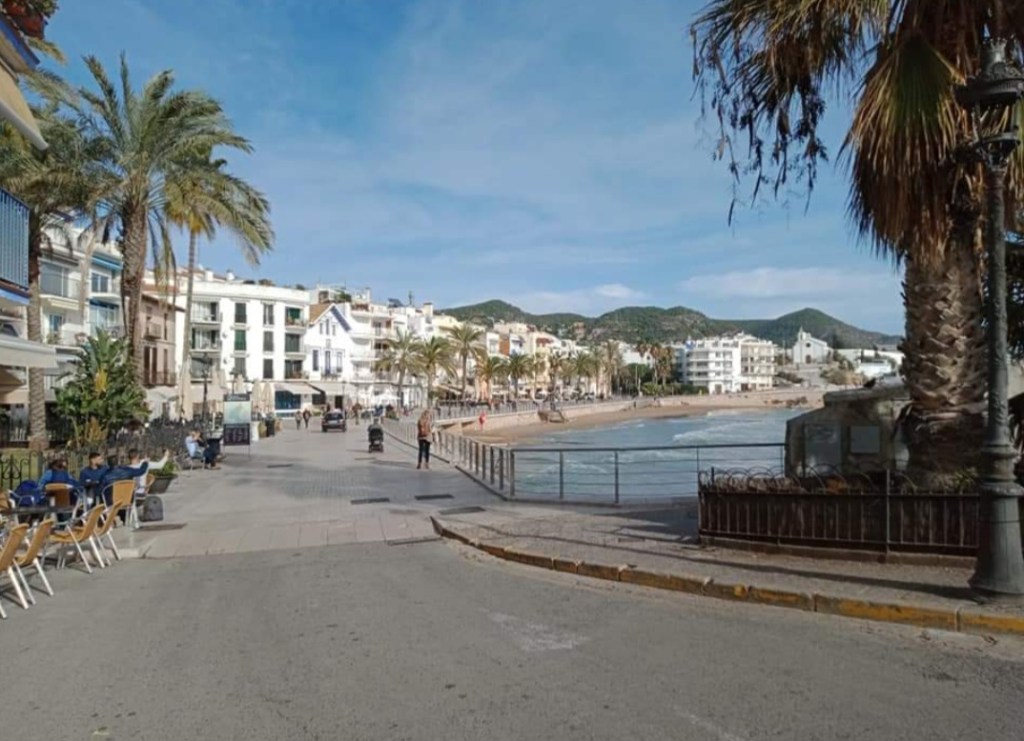
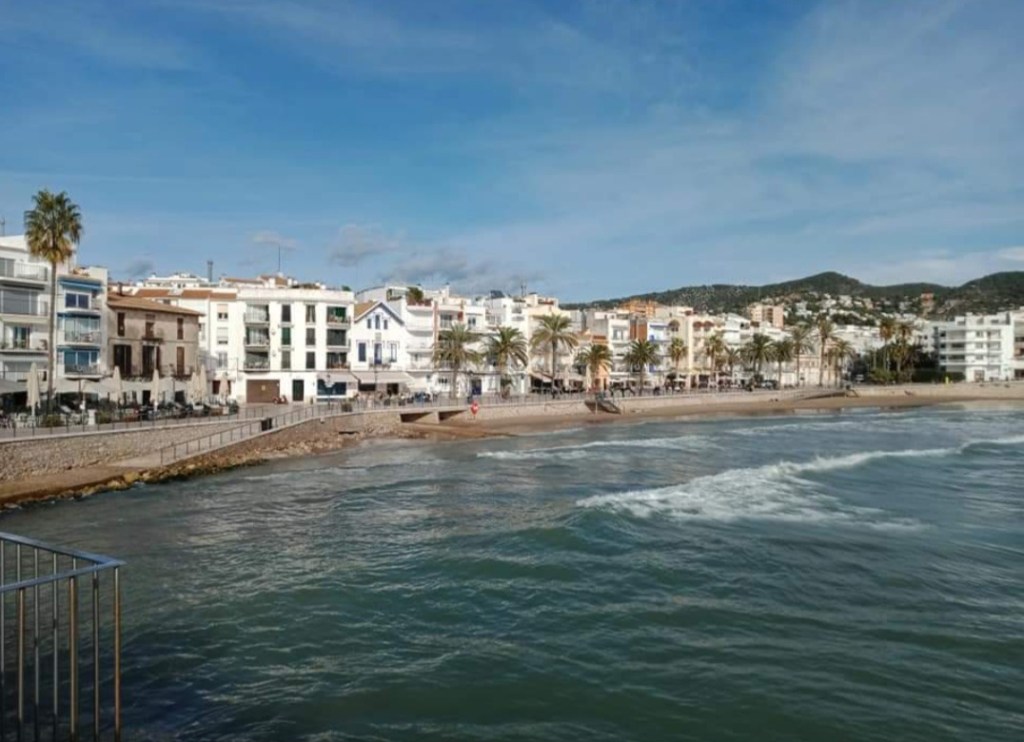
Sitges, a picturesque coastal town nestled along the shores of the Mediterranean Sea, boasts a rich and storied history that spans millennia. Located in Catalonia, Spain, this charming town has evolved from a humble fishing village into a vibrant and cosmopolitan destination known for its art, culture, and vibrant atmosphere. The history of Sitges is a captivating narrative that reflects the broader historical currents of the region.
The earliest traces of human settlement in the area date back to the Neolithic period, with evidence of ancient Iberian and Roman presence. The name “Sitges” itself is believed to have originated from the Roman term “Sitja,” meaning wheat storage or granary. The Romans established a villa here, taking advantage of the fertile land and the strategic location on the Via Augusta, a Roman road connecting the Iberian Peninsula with the rest of the Roman Empire.

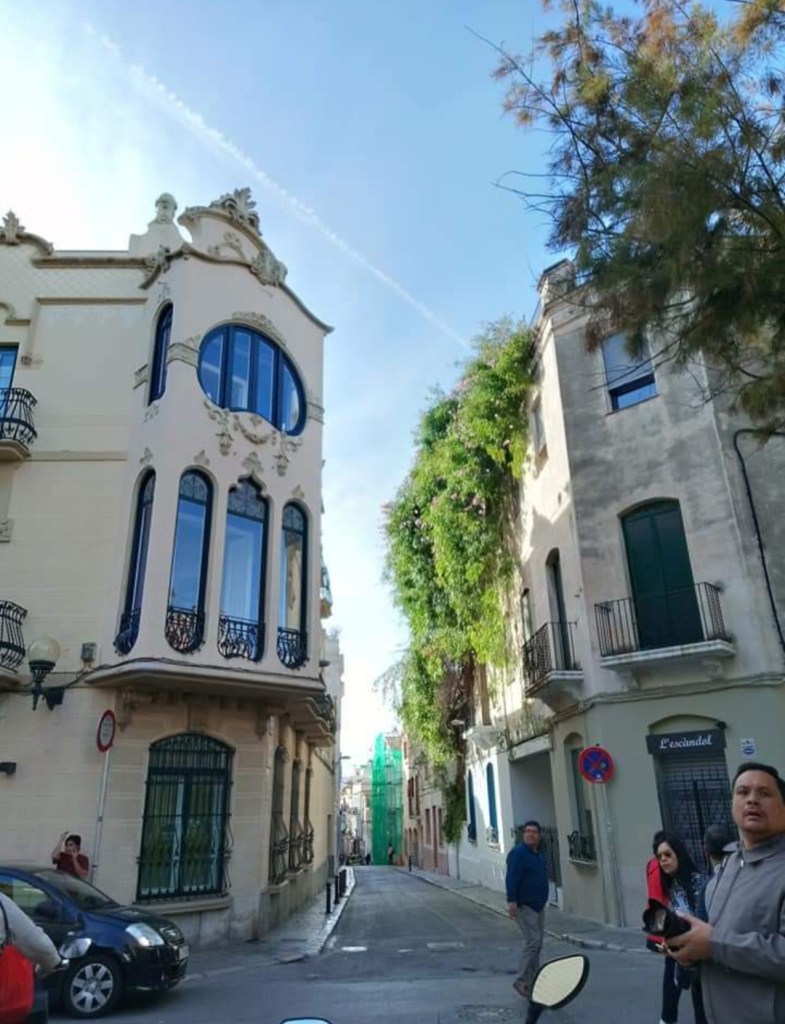
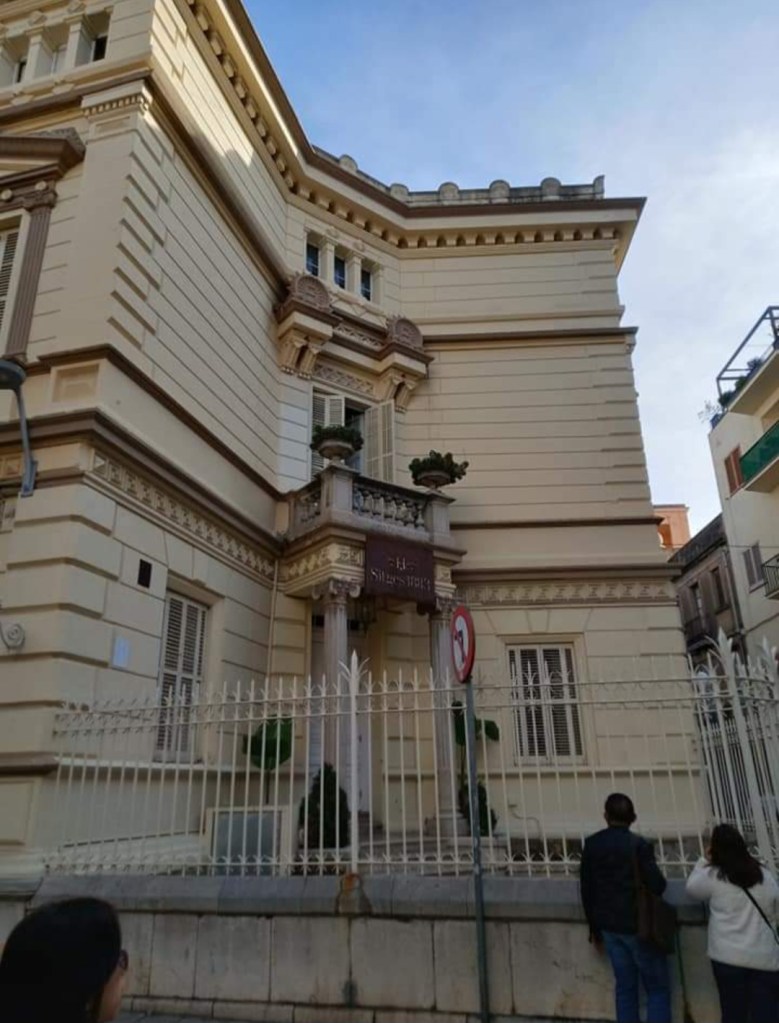
In the early Middle Ages, Sitges was part of the medieval County of Barcelona and played a role in the Christian Reconquista, as it changed hands between Moors and Christians. By the 12th century, the town had grown and developed into a prosperous farming and fishing community.
The 19th century marked a turning point in Sitges’ history when it became a popular destination for Catalan and European artists and intellectuals. The town’s beautiful landscapes and Mediterranean charm inspired painters like Santiago Rusiñol and writers like Charles Deering and Ramon Casas. This influx of creative minds contributed to the emergence of a vibrant cultural scene that still thrives today.
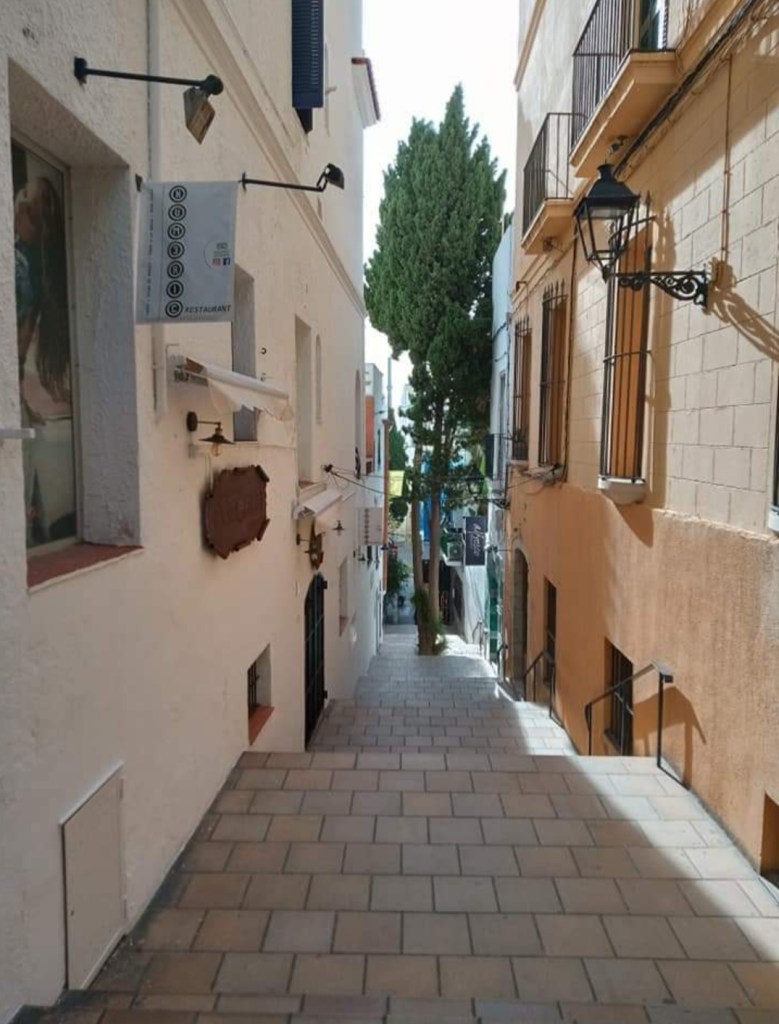
In the 20th century, Sitges saw further transformation as tourism became a dominant economic force. Its sunny beaches and artistic ambiance attracted visitors from around the world, leading to the development of a tourism industry that remains a key driver of the local economy.
One of the most significant events in Sitges’ history is the hosting of the Sitges Film Festival, which began in 1967. This event has become one of the world’s most renowned film festivals, celebrated for its focus on fantasy, horror, and science fiction cinema.
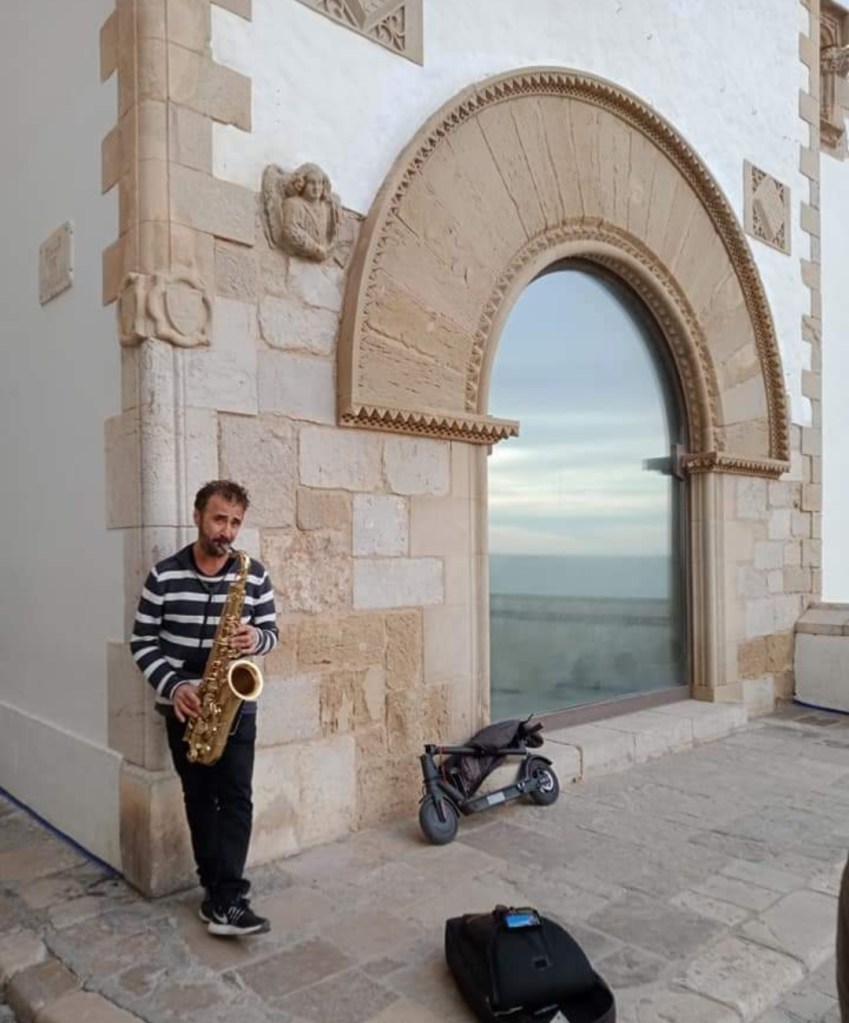
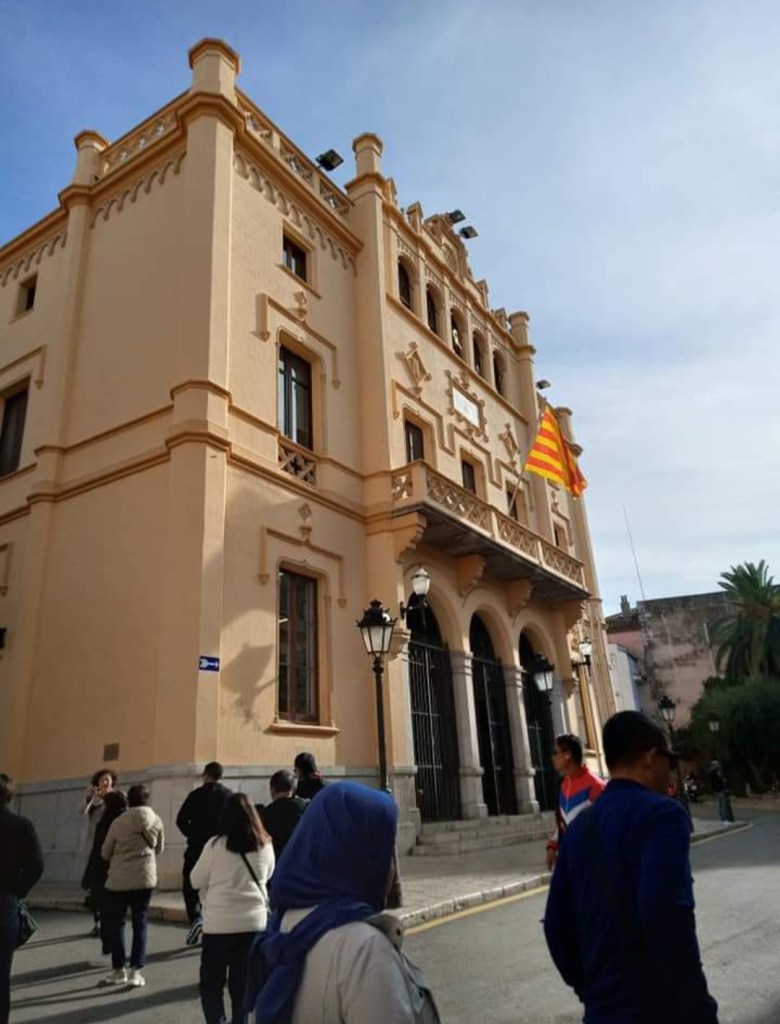
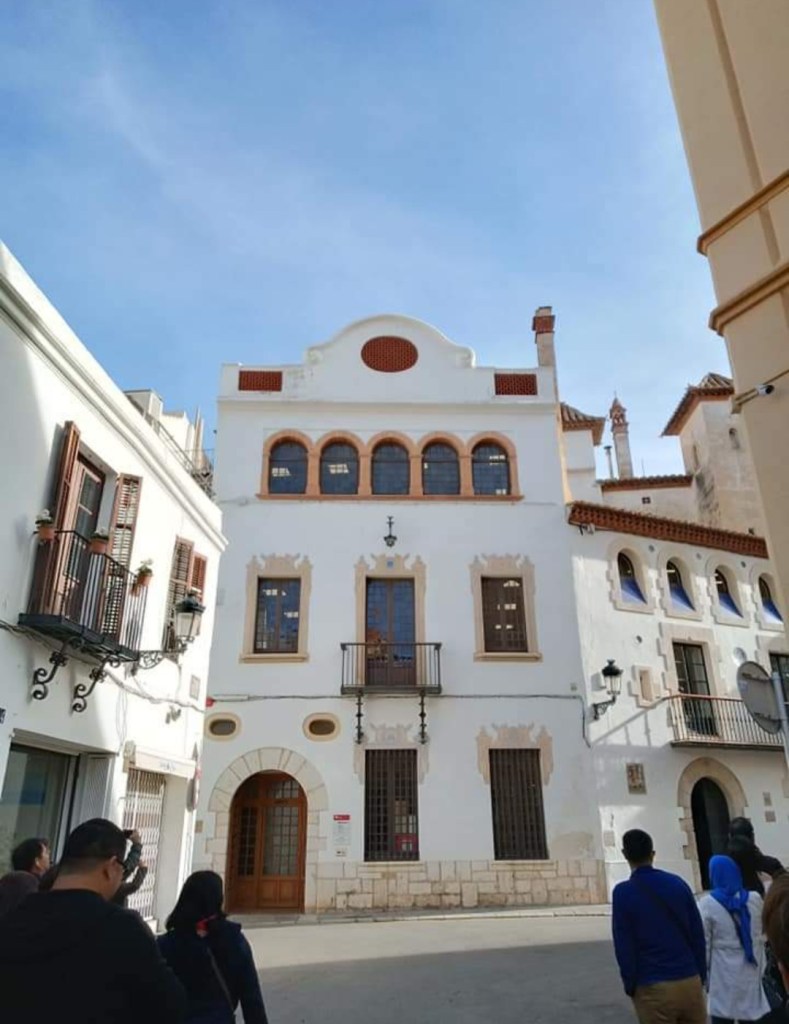
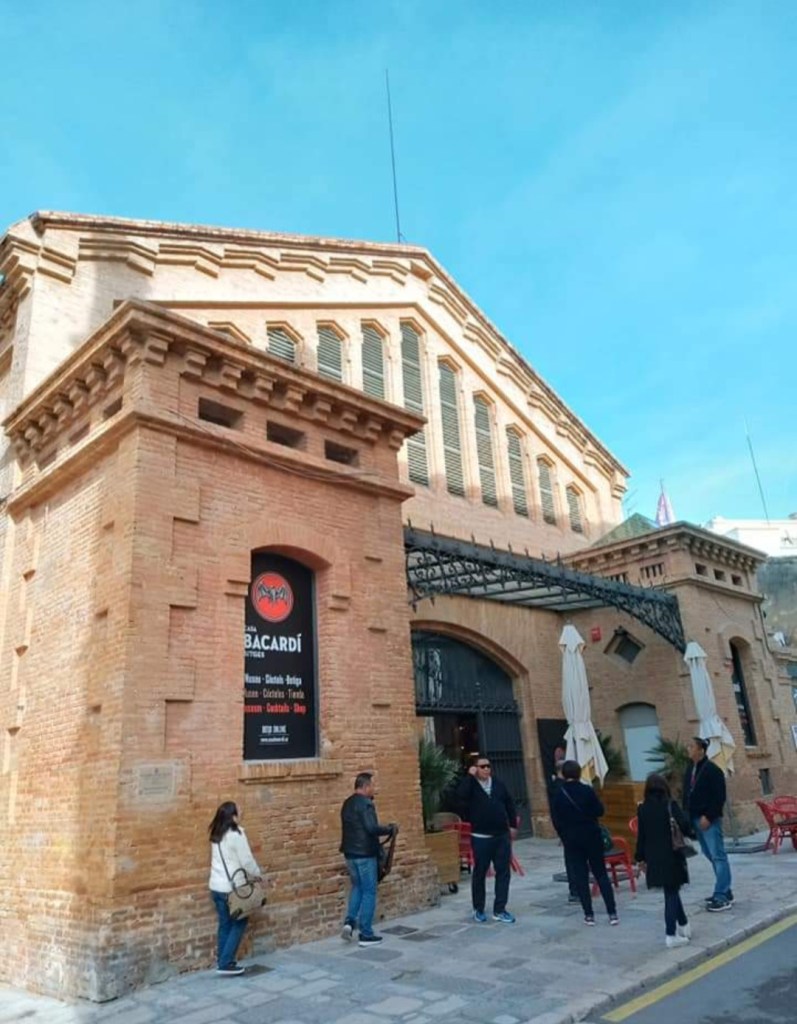
Sitges’ historical architecture is another testament to its rich heritage. The town boasts a blend of architectural styles, including Gothic, Modernist, and Mediterranean influences. Prominent buildings like the⁴ Tecla, Casa Bacardí, and Casa Llopis i Bofill are architectural gems that showcase the town’s aesthetic diversity.
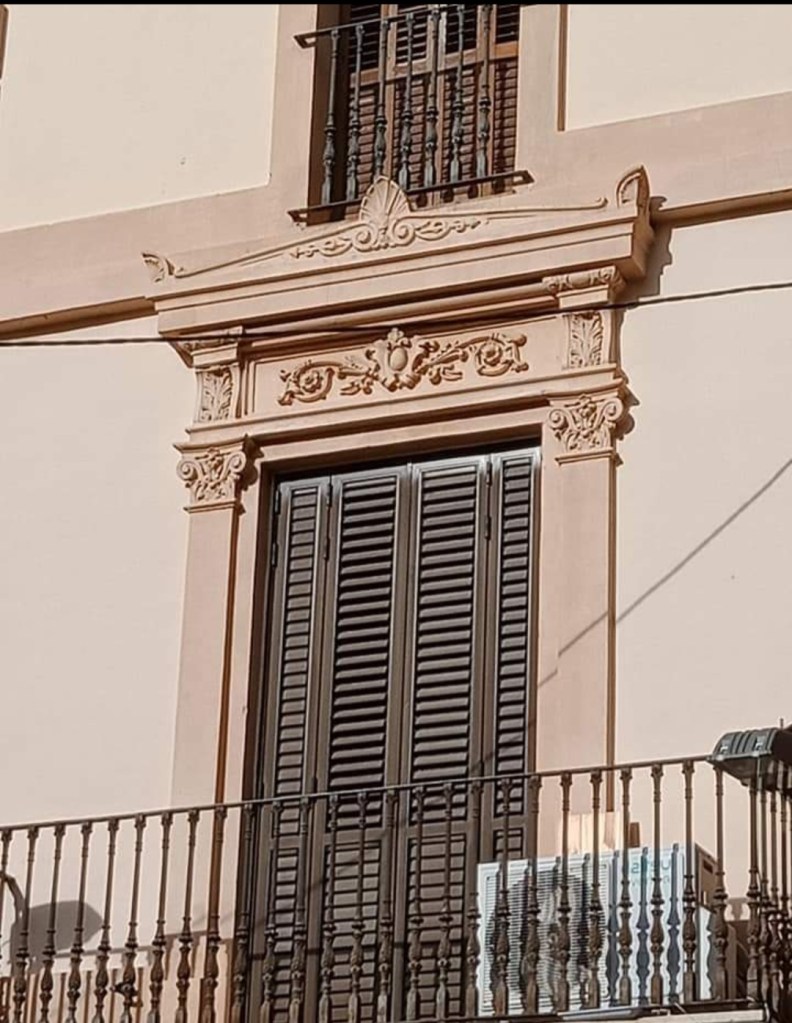
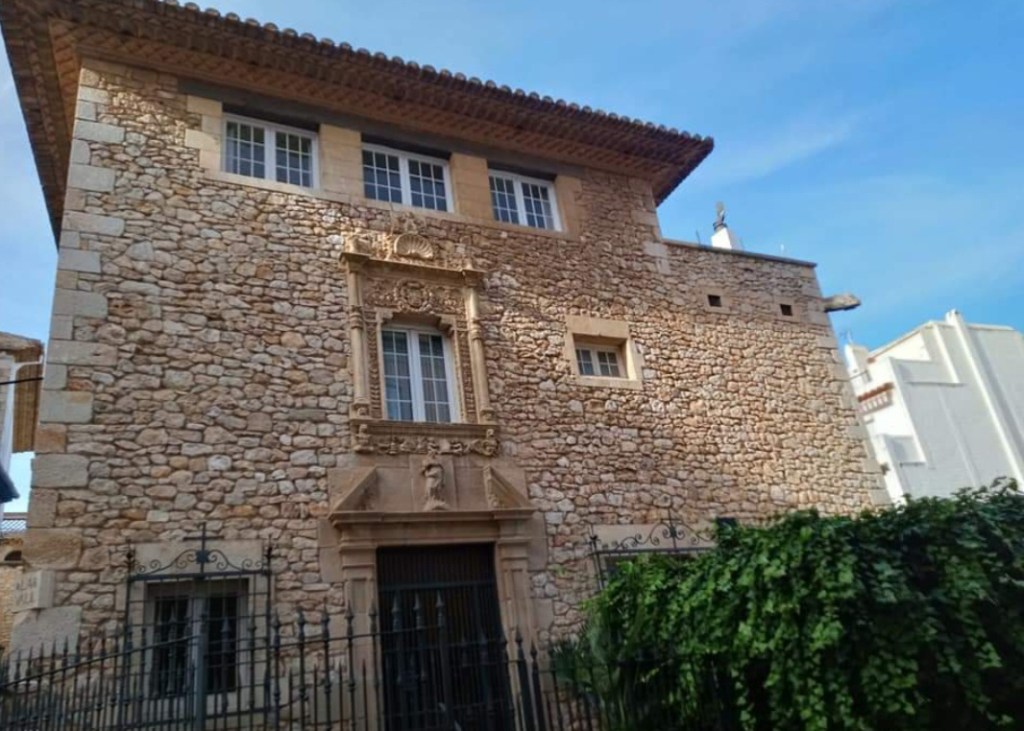
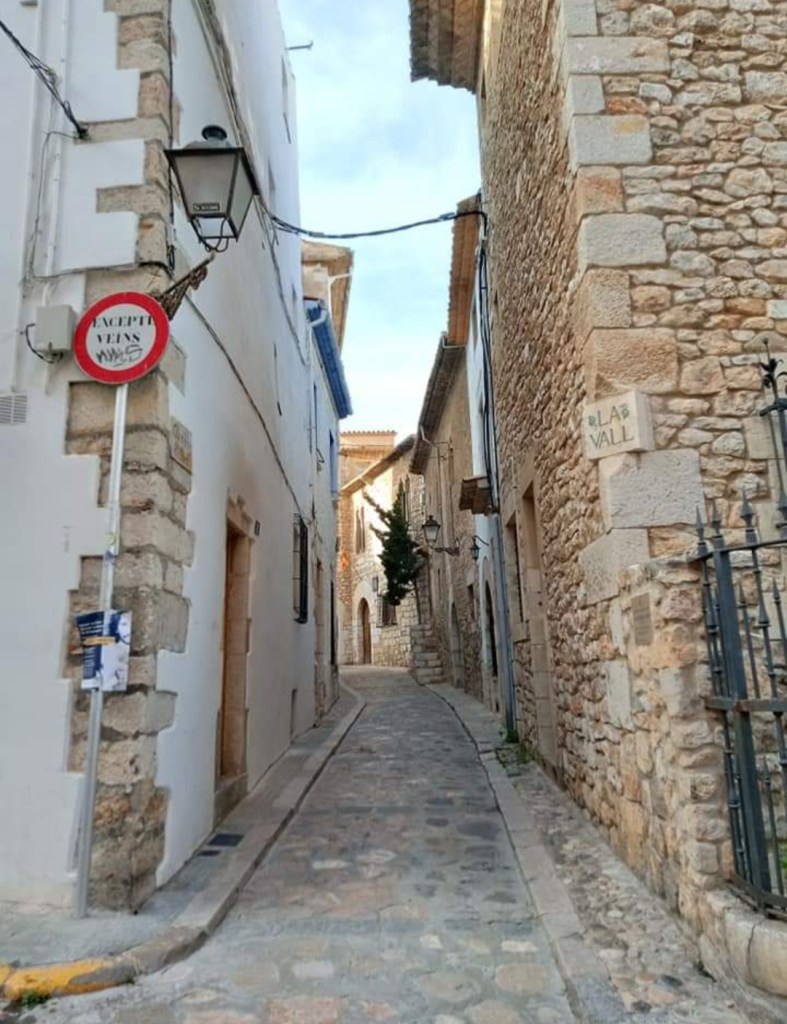
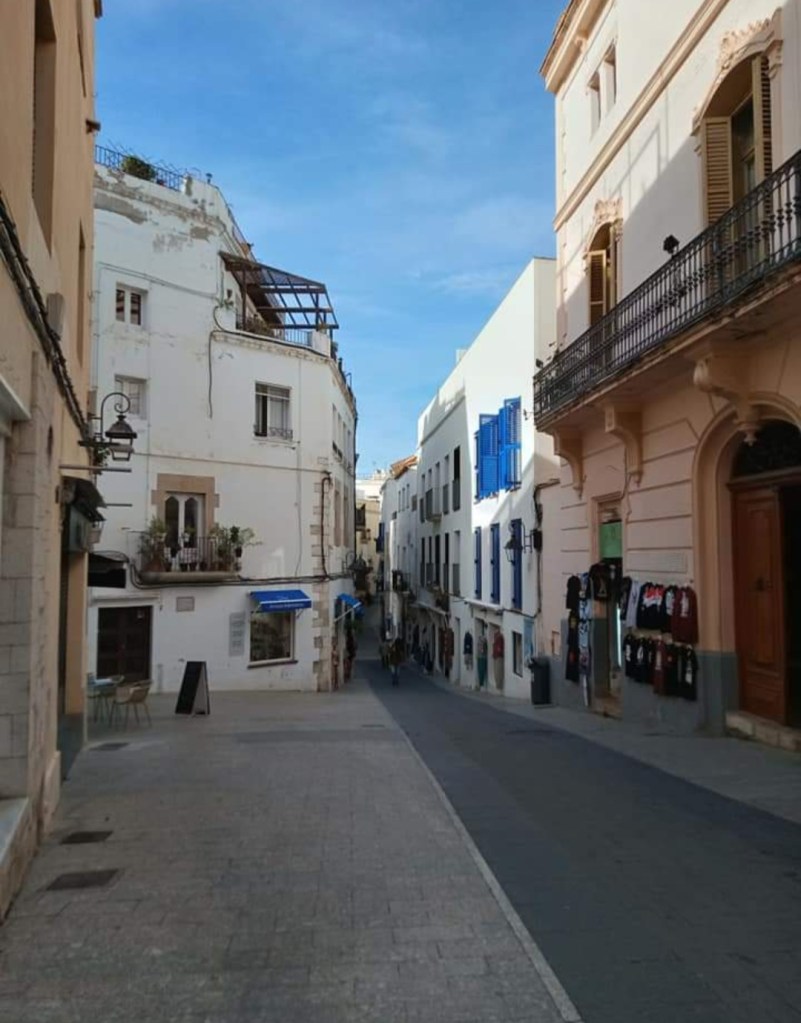
Today, Sitges continues to attract visitors seeking a unique blend of history, culture, and natural beauty. Its narrow streets, vibrant festivals, and a welcoming atmosphere make it a cherished destination on the Catalan coast. As Sitges looks to the future, it does so with a strong connection to its past, ensuring that its rich history remains an integral part of its identity.

 Doc John's Travel History