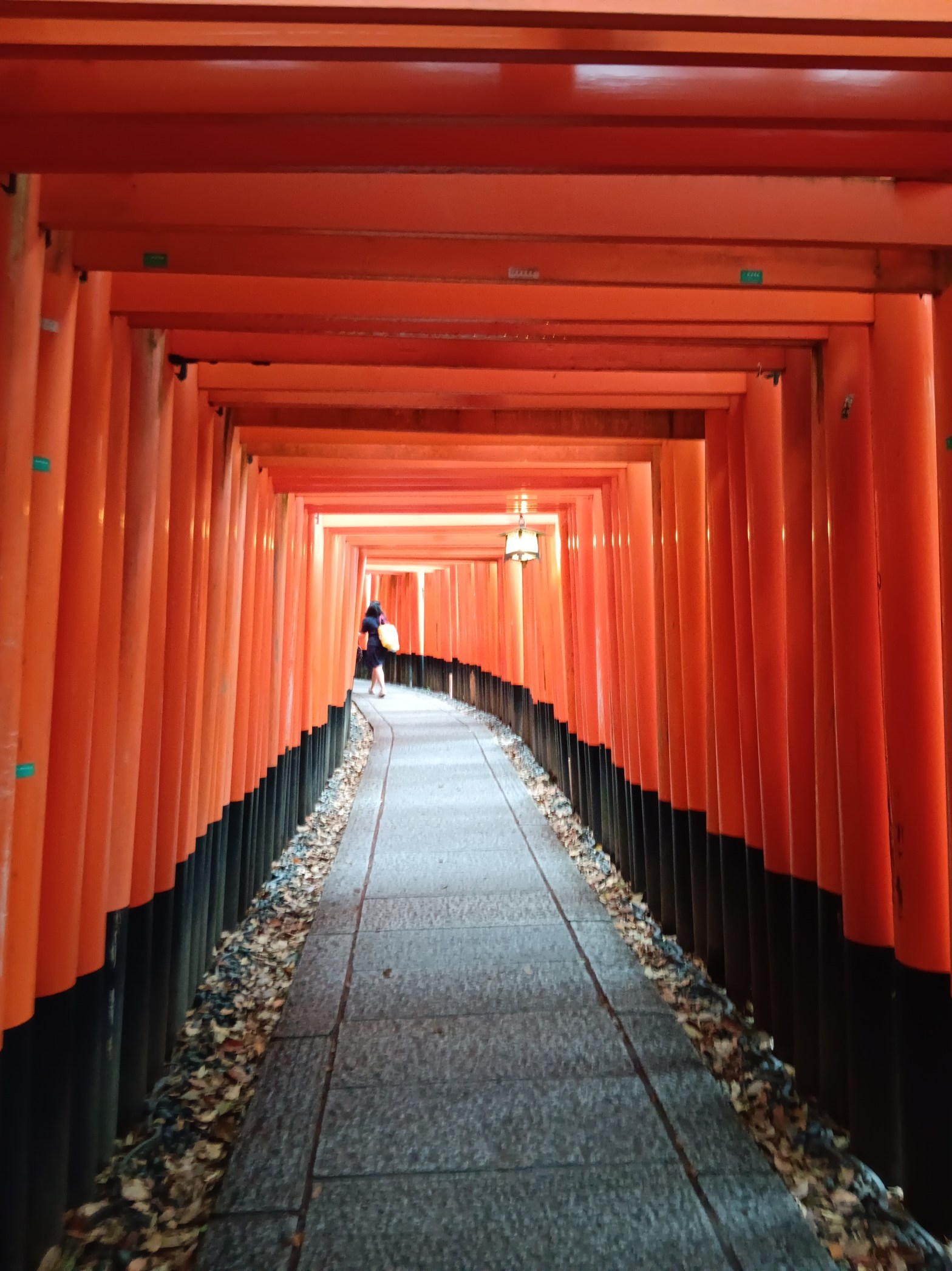
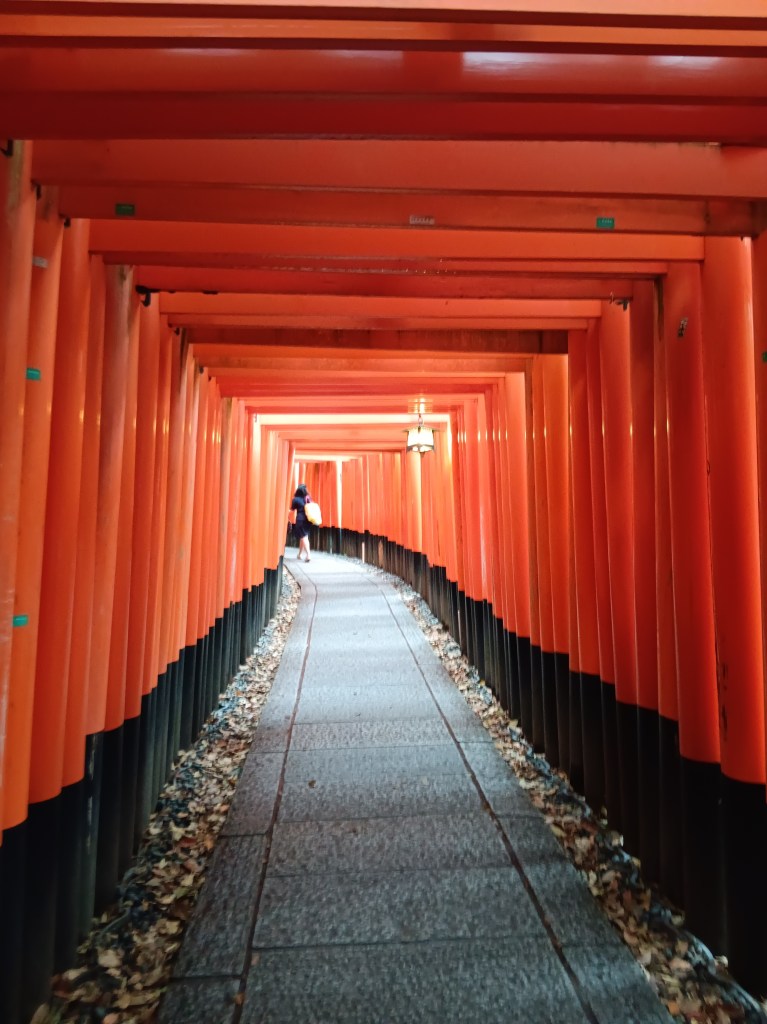
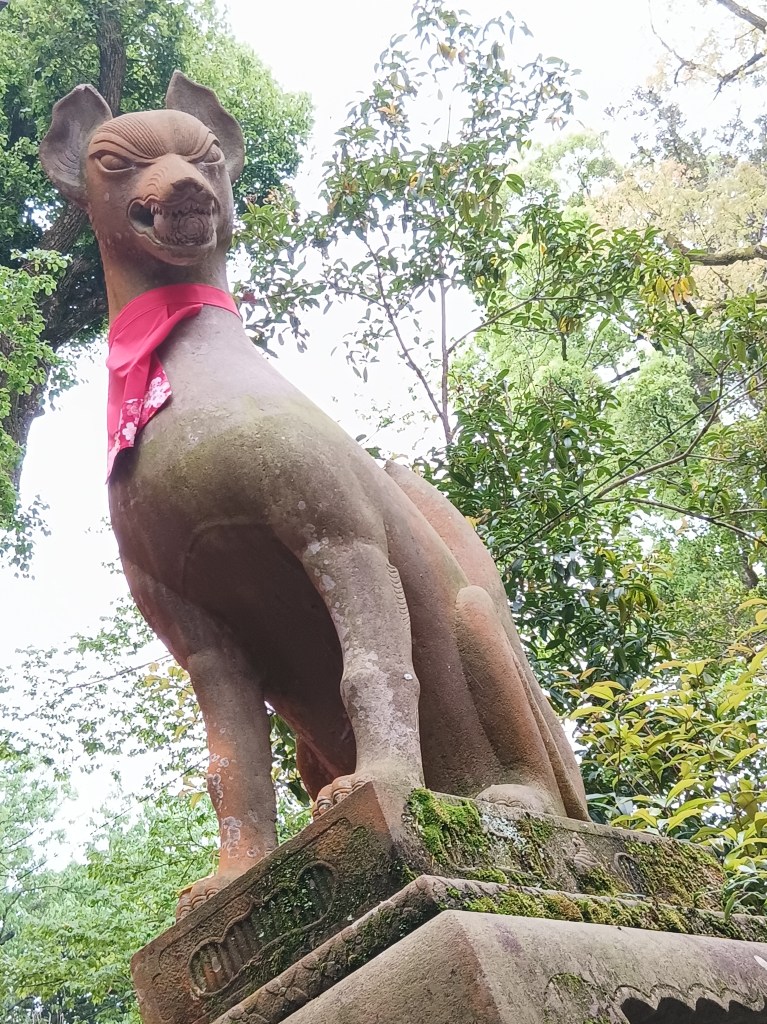
Guard foxes and vermillion colored Tori shrines numbering in a thousand; welcome to Fushimi Inari Shrine in Kyoto. Founded around 1,300 years ago, these structures were constructed by different individuals praying to the spirits (Kami) with multiple reasons. Such as business, health, travel, etc.
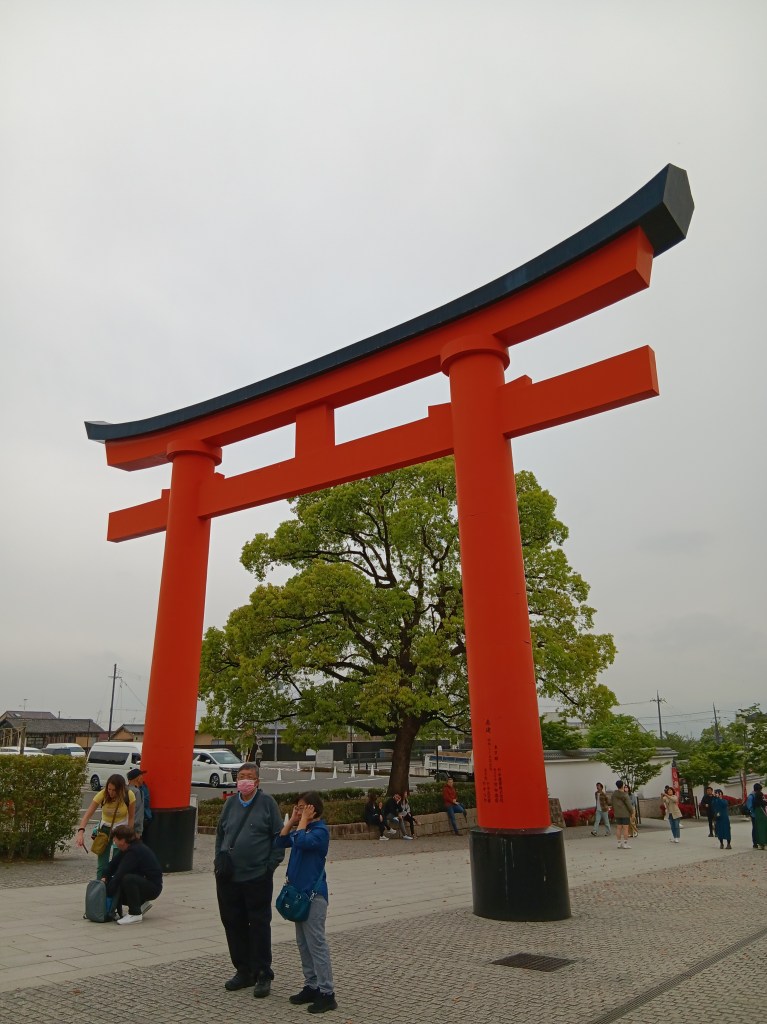
Tori Shrines, its origins are difficult to ascertain in history. Though its form was established by the 8th century. These structures are intended to divide between the casual and the sacred. The place beyond the shrine is considered to be a sacred ground. It is where the kami or spirits reside. Thus, devotees usually dont pass to the middle of the shrine rather than pass through the sides. Red in Shinto belief system wards of evil spirit as to white in Buddhism. There are other colours of Tori shrines. There are black, yellow, and blue depicting the geographical location they are placed. Pink Tori Shrines are purely decorations.
These Shrine are heavily influenced by the Shinto religion. Such a belief system that primarily a nature religion with many deities. Believes that man is inherently good and should strive not to be contaminated by pollution of the world. They don’t have eschatology, and views that death one returns back to nature.
In the 8th century C.E., the Nihonshoki (Chronicle of Japan) and the Kojiki (Record of Ancient Matters) were written to legitimate the rule of the Yamato clan as descendants of the gods. Using elements of an earlier mythology, the Yamato rulers created a unified Japan, sanctified by their claims to divinity and supported by a system of shrines.
Such a belief system was taken from perceptions and observations.
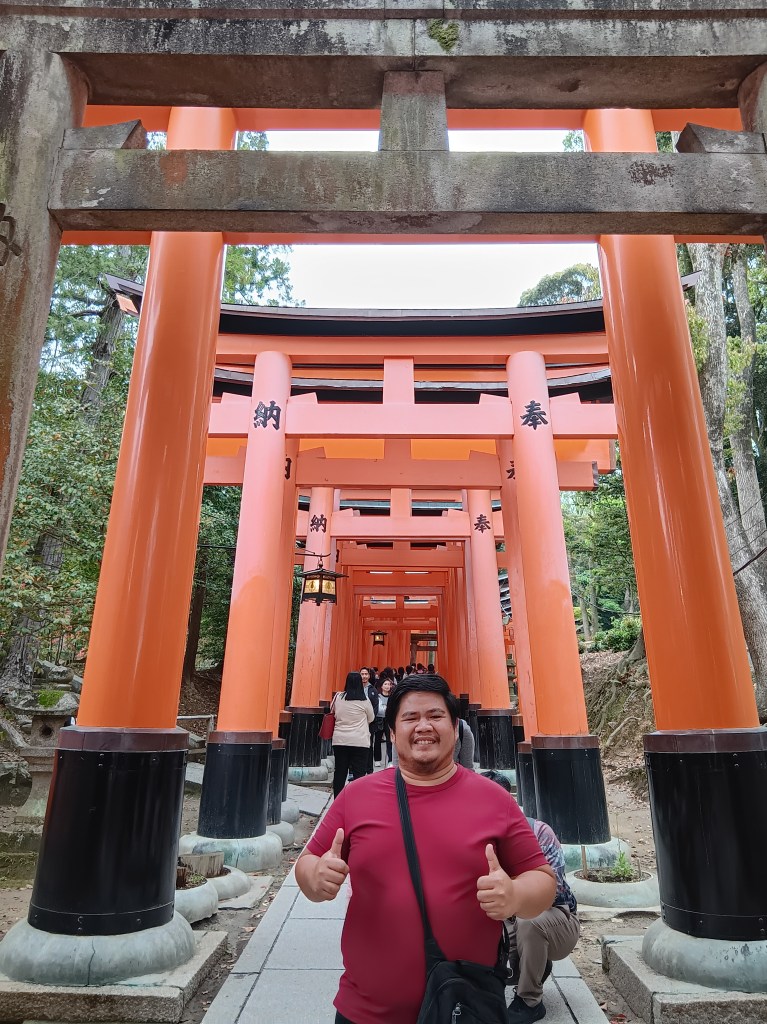

 Doc John's Travel History